

How Long Can A Cat Live With Chronic Diarrhea – Cat Diarrhea Remedy & Causes
Diarrhea and gastrointestinal (GI) problems are quite common but that doesn’t mean these conditions are normal. How long can a cat live with chronic diarrhea is a serious issue that should be dealt with by a proper medical professional. Only a vet can tell you what the right and safe form of treatment is.
But then noticing diarrhea in cats, especially during the initial stages, is not all that obvious or easy. After all, cats are extremely particular about grooming, which is why those evidential signs might get missed. Hence, all the more reason to keep visits to the vet clinic more frequent.
Diarrhea may be a common case but some of its aspects can be very alarming. And the same can be said about the consequences.
Chronic diarrhea in cats can be characterized as continuing for 2-3 weeks or longer.
Causes of Diarrhea In Cats

Diarrhea is a condition that can be either chronic (lasts for 2-3 weeks or longer) or acute (lasts for a short period of time only). So the potential causes of diarrhea in felines differ.
Possible Causes of Acute Diarrhea
- Bacterial, fungal, viral, parasitic, or protozoal infection.
- Inflammation as a result of potential food allergies.
- Endocrine or metabolic problems like hyperthyroidism, diabetes, etc.
- Consumption of toxic or poisonous ingredients (for example, contaminated or allergy-triggering treats, food, etc.).
Possible Causes of Chronic Diarrhea
- Chronic inflammatory disease.
- Congenital disease.
- Poorly managed endocrine or metabolic condition.
- Resistant infections.
- Or cancer maybe.
Needless to say, talking to a vet is better in terms of figuring out what caused it and also how to treat both the underlying medical problem and diarrhea associated with it.
Please keep in mind that because of chronic diarrhea, your cat’s life can be in danger. And when this particular condition is treatment-resistant, it could mean that multiple treatment strategies need to be adopted for the complete cure or elimination of diarrhea.
Bloody or Red Diarrhea In Cats
Blood in your cat’s stools is never normal. It’s a cause for concern indeed, which ought to be checked by a vet immediately. Be it dark red color or even black discoloration, when the feces look like this, it usually is indicative of blood digestion as a result of the bleeding of the upper gastrointestinal tract.
And if the stools are bright red in color or just coated with a little bit of bright red blood, then the lower GI tract is bleeding.
Mucus-covered feces, on the other hand, are often a symptom of a parasitic infection or plain dehydration.
Green or Yellow Diarrhea In Cats
The discoloration of cat stools is sometimes caused due to the ingestion of something green-colored, such as grass. More often than not, greenish feces are not suggestive of any serious medical concerns. Although there are a few cases where green feces in cats have turned out to be a manifestation of gallbladder disease.
And what about stools that are yellow in color? This could be more serious as yellow feces are associated with liver diseases, immune system problems like hemolytic anemia, zinc poisoning, or excessive growth of some bacterial pathogens.
Cat Has Diarrhea But Seems Fine – How to Tell If Your Cat Has Diarrhea?
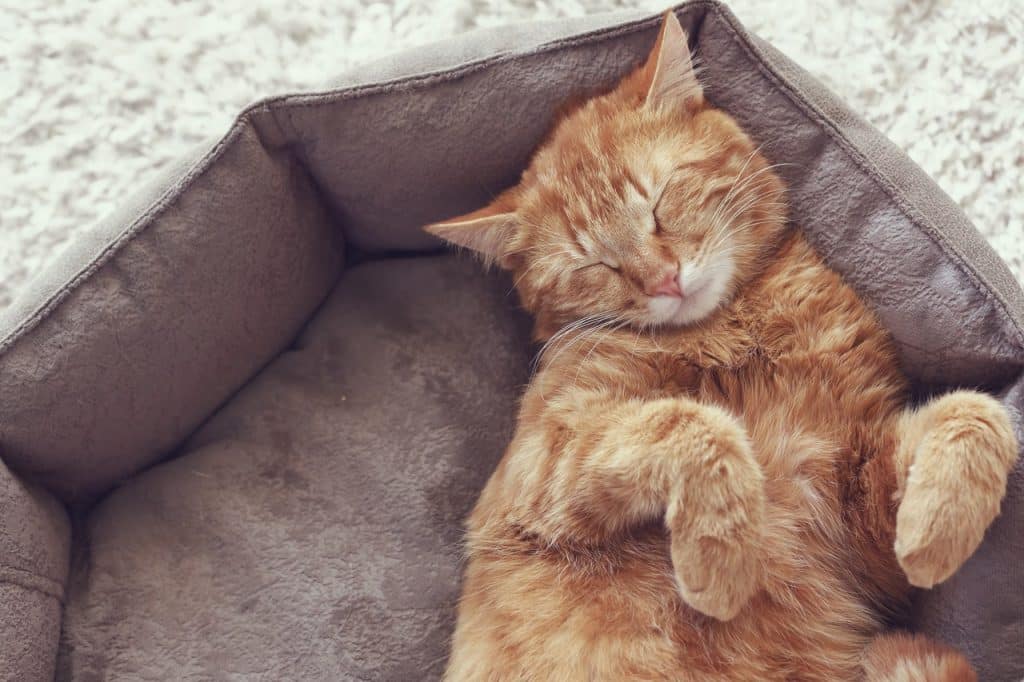
The most obvious sign with a properly trained cat who has diarrhea is he/she dropping stools around the house, stools that are almost fluid-like. But then if your cat uses the litter box to answer nature calls, those feces are likely to get covered up. Or the cat might do his/her toilet business outdoors. In that case, noticing diarrhea becomes a little tricky.
So check your cat for any stains. Soiling the fur under the tail area i.e. around the back end is also common, especially if it’s a longhaired breed. Just also bear in mind that a little bit of difference in stool consistency is normal in cats, but just some variation and not a lot.
Let’s say you happen you change your cat’s diet, which often gives rise to changes in the consistency of the poo. Although these changes are only supposed to be temporary. But if the semi-liquid consistency persists for longer, over 2 days, then speak to the vet regarding what might be causing it and what to do about it.
And if you have more pet cats at home, please check if all of them have diarrhea at the same time.
Preventing Diarrhea In Cats
This means controlling underlying medical conditions like hyperthyroidism, food allergies, IBS (irritable bowel syndrome), or pancreatitis. Only a vet can provide appropriate medications for the same, along with prescription diets and the like. So this could be an effective cat diarrhea remedy or method of prevention.
Avoid making sudden changes in your cat’s diet. And also avoid feeding your feline, an animal, human foods (as this leads to acute diarrhea in some cases).
Cat Diarrhea Treatment
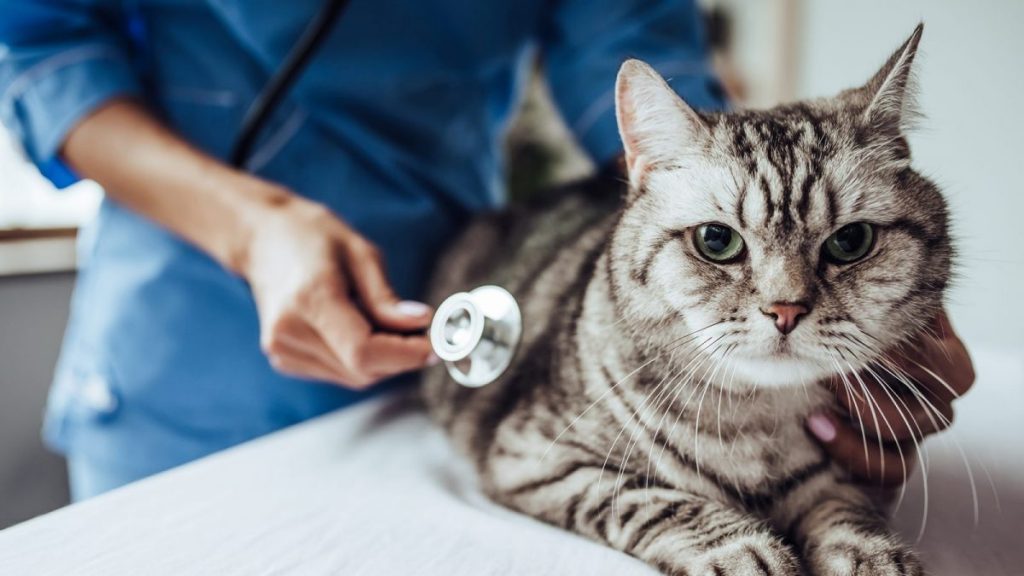
First of all, seek the advice of a medical professional i.e. veterinarian for the proper, safe treatment of diarrhea or any other illness in your cat. Whether the poop is bloody, yellow, green, mucus-coated, or anything unusual like this, don’t wait to contact the vet. The same applies to when the diarrhea is acute or chronic.
Getting in touch with your vet or simply just going to the vet’s clinic with your cat as soon as possible makes way for diagnosing the causes immediately and beginning the appropriate treatment.
The most effective cat diarrhea remedy at home, this includes chronic diarrhea in cats at home remedy, is increasing fiber consumption. Once again, ask the vet if this is okay and how much fiber intake to increase. Or if you should be administering fiber supplements or cat-specific OTC fiber products to boost dietary fiber too.
Another option that works against diarrhea is cat-specific probiotics.
Final Note – When to See the Vet?
A little loose stool once in a while is not a problem with adult cats provided your little creature is acting normal and feeling fine. In this case, waiting for 2-3 days for acute diarrhea to go away on its own is pretty reasonable.
But if diarrhea doesn’t seem to budge, meaning if it stays on for longer than 2-3 days plus is accompanied by other problems like lethargy, lack of appetite, or vomiting, go to the vet right away. It could also be possible that your pet may have ingested toxic, poisonous, or foreign ingredients/objects. Whatever the case, seek professional medical assistance soon.

