

Best Insects for Bearded Dragons?
A bearded dragon’s well-being is dependent on whether their nutritional needs are met or not. In the process, one must feed them with a diverse diet. Their diet must include live feeders. Here, you can find all the information regarding the best insects for bearded dragons.
There are various factors one needs to consider while choosing the best diet for the dragon’s health. All the nutritional elements play an important role in the maintenance of the health and happiness of your reptile. Obviously, vitamins and minerals play an important role but calcium and potassium are crucial too. One must gather all the information regarding the nutrients each insect offers to the dragons.
Although it is difficult to provide the diet that the bearded dragon would have got in the natural habitat, one must also keep in mind that the dragon is in different circumstances now and it would never be healthy for him to eat wild-caught bugs. This can result in various diseases and infections.
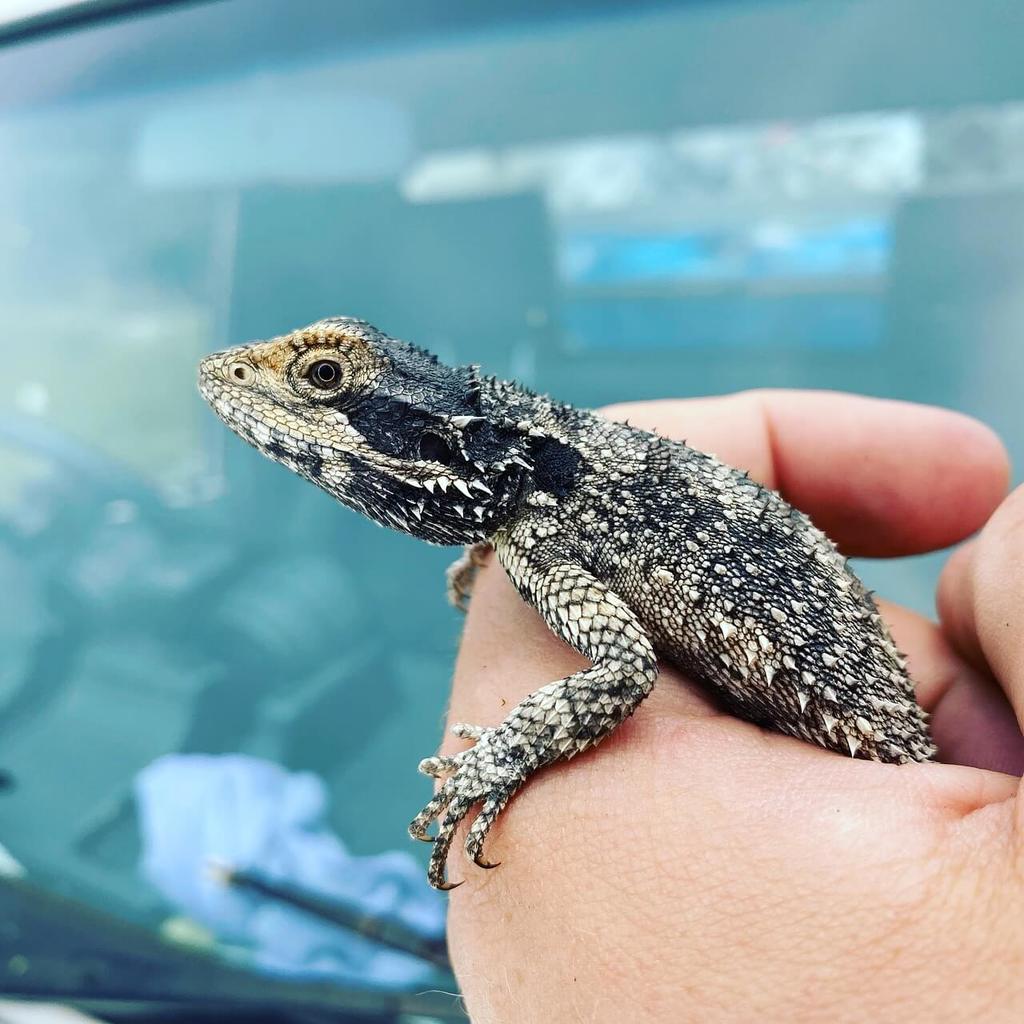
Insects for bearded dragons
Here, you can find all the detailed information regarding the best insects for bearded dragons.
Dubia Roaches
When it comes to bearded dragons, Dubia Roaches should be a staple in every bearded dragons diet. These insects consist of protein of 21.4% and have a low-fat content of about 3%. Therefore, the nutrients remain in a balanced manner. Combine your Dubia Roaches with a good calcium powder, and you have an extremely nutritious treat! In addition to the nutritional values, these insects also have some other benefits as mentioned below:
- Very little noise, these insects are usually less noisy.
- No smell, if the insects are kept in an appropriate manner, they produce no smell.
- The breeding procedure of these insects is very simple and easy.
- These insects are not able to fly or climb.
- The maintenance of these insects is very easy.
Goliath Worms
Goliath Worms is also considered one of the best insects for bearded dragons. These insects are a great source of nutrition. But these insects must not be considered as the sole diet because the moisture content is high. It is advised to add some other staple in the diet.
These worms have a moisture content of 85%. They have protein of about 9%. The fat contained in these insects is low, it is around 3.07%. The calcium contained is 464mg/kg. Also, it has phosphorus of about 1394mg/kg.
Some other benefits of these insects are:
- The insects grow quickly. They grow fully within just a few days.
- These insects are the best to boost hydration.
Waxworms
Wax Worms are insects that you can feed your bearded dragon. These insects have a high-fat content so it is advised to never consider this insect as the only diet. It is good to combine this diet with another low-fat insect such as Dubia Roaches. If the dragon is overweight, this insect must be avoided.
This insect contains about 14.1% of proteins. It has a fat of 24.9%. The waxworms consist of calcium and phosphorus of 243mg/kg and 1650 mg/kg respectively.
Some additional benefits of these insects are:
- The wax worms are easily available everywhere.
- These worms can be easily kept and stored.
Superworms
Superworms are considered as one of the best feeder insects. These worms have a high fat- content, therefore it is best when fed along with some other feeder insect. The dragon will face no issues if these insects are fed regularly up to a number of ten when fed along with some other less fatty insects.
Sometimes, super worms are confused with mealworms but one must keep in mind that both are completely different. Superworm has better nutritional values and also can be easily digested by dragons. The outer shell of the super worms is soft and therefore it can be easily digested by the dragons.
These worms consist of proteins of around 20%. The fat contained is 17%. It has moisture of around 57.9%. Calcium contained in this feeder insect is 177mg/kg and it contains a phosphorus of 2370mg/kg.
Mealworms
Mealworms are one of the most popular feeder insects for bearded dragons. They have variable sizes and they can grow up to two inches in length. These worms have a hard outer layer. This layer is known as chitin. Therefore, it is sometimes advised not to feed them to younger dragons as it can be difficult for them to digest these insects.
Mealworms should be fed with other insects. Adult dragons should not take more than 5 to 6 mealworms in a day and it is better to avoid feeding these worms to the younger ones.
These worms have a moisture of 60%. The protein contained in these worms is 18.7%. Also, it contains fat of 13.4%. The quantity of calcium and phosphorus is 169mg/kg and 2950 mg/kg.
Summing Up
However, apart from all the above-mentioned insects, there are some other insects like crickets and nitric grubs which can be options for your dragon. Also, butter worms and silkworms are often fed to bearded dragons. In fact, it is important to acquire knowledge regarding the nutritional quantities and values of the feeder insects before offering it to your bearded dragon.

