

How to clean a hamster cage
Are you interested in cleaning your hamster’s cage? If so, you have come to the right place. The first thing that you will need is a safe place for the hamsters to play while you clean their cage. You should also make sure that there are no small objects or food near their bedding because these can be dangerous if they try to eat them. Once the area around the cage has been cleared, it is time to do some cleaning! Remove all the old bedding and replace it with fresh material. Cleaning up any urine spots on the bottom of the cage is also important as this will lead to an unpleasant smell over time. Once everything has been cleaned out, it is time for some fun! Add new toys and treats to your hamster’s cage and they will appreciate the time spent away from their cage.
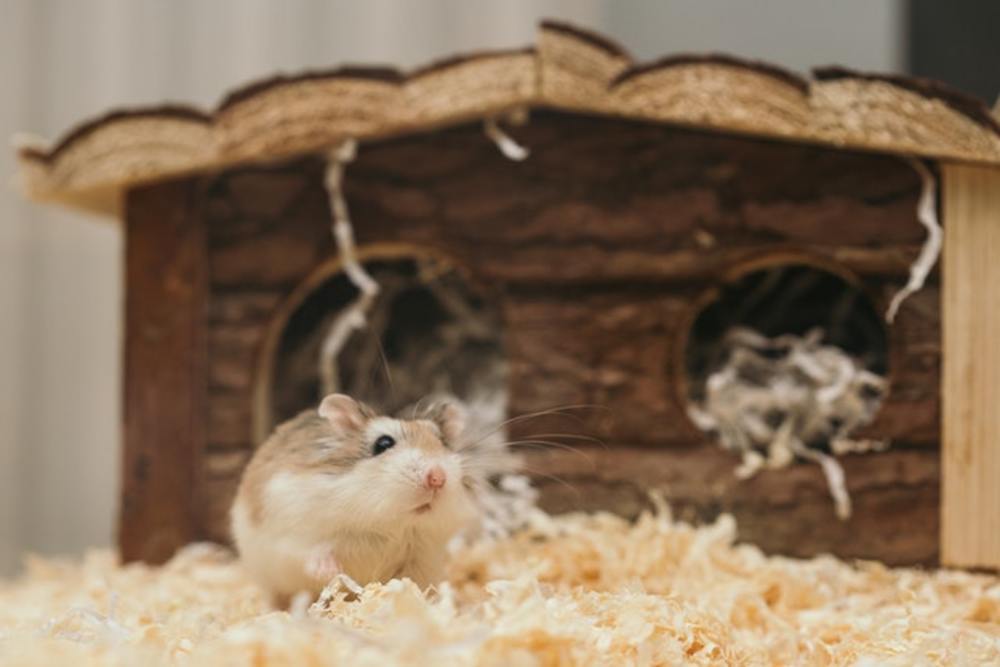
What you’ll need:
The first thing that you should do when cleaning a hamster’s cage, or any pet’s cage for that matter, is to find a suitable play area for them where they can safely be kept until their cages are cleaned. If necessary, move all of your pet’s food and toys as well as anything else in the cage-like tissue boxes or tubes out of harm’s way before beginning to clean. You may also want to consider removing certain accessories such as ramps and ladders; these aren’t necessary once their bedding has been replaced so it makes sense not to spend the time moving them every day. Rolling up any ladders and tucking them away might also help prevent your hamster from pulling them into their sleeping area or even chewing on them which can be dangerous if they swallow pieces that are small enough.
As for preparing your bedding, you will want to consider using paper-based products like CareFresh or Yesterday’s News since these items are best suited for sensitive feet. You will also want to avoid pine or cedar shavings as well as recycled paper bedding because these types of bedding include harmful chemicals that could harm your pet over time. For water bottles, it is best to use glass bottles with metal spouts because plastic tends to absorb odors more readily than metal. Some people even recommend washing your plastic bottles with soap and water before refilling them with clean water so you might want to try this as well. Finally, it’s important to remember that hamsters will get into their food if they can so it’s best not to leave any unsecured items near the cage when cleaning out the old bedding.
Cleaning Out the Cage:
To begin cleaning out your hamster’s cage remove all the accessories including toys, houses, ladders, etc., then remove any half-eaten or moldy food that is left inside. If you are planning on putting new wood chips down in the bottom of the cage for extra absorbency, be sure not to re-use any old chips that are not completely clean or that have any obvious stains because these can be harmful to your hamster. For the same reason, always use fresh bedding when you replace books in their cage. After you have removed all the old bedding it is important to spray down thoroughly with vinegar and water solution to cut through odors and help prevent mold from growing in between the layers of substrate.
Once all the old bedding has been cleaned out properly, place a thick layer of fresh paper-based bedding down before replacing your hamster’s accessories into their cage. Once everything has been replaced you will want to check for any food bits or pieces that may have fallen into the cracks around the bars on your pet’s cage where it might be difficult for you to get to. If your hamster is anything like mine, they will find any way possible to get soiled bedding into the tiniest of nooks and crannies so it’s important not to leave any food bits or pieces behind because if they are left uneaten, your pet might decide that it is time to start digging through their substrate which can be costly and dangerous.
Cleaning The Litter Box:
When cleaning the litter box portion of your hamster’s cage it is best to use plain water since soap can lead to skin irritations which can then cause your pet to scratch at their face causing hair loss and other issues. Be sure to clean out the litter box every single day (or more frequently if necessary) and always be sure to rinse it with clean water after cleaning before letting it dry out completely. Once the litter box has dried completely you will want to check for any signs of mold or mildew which can grow in humid areas such as the corners of your pet’s cage where the urine might drip down. If mold or mildew is present, you should spray down the area with vinegar and water solution and then let it air dry before putting fresh bedding into their cage.
Changing Food and Water:
Be sure that all food and water dishes are empty every morning when you refill them so that they do not get filled up overnight which can lead to accidental drowning during cleaning time. For this reason, I recommend using a water bottle as opposed to a bowl for your hamster’s water supply as it is much easier to clean and will not allow any mold or buildup of scum inside where your pet could drink from.
Also, be sure that the area around your pet’s food dish is completely free from all food bits and pieces as well as any other dirt and grime particles because these can lead to dangerous fungus growth which you certainly want to avoid taking into consideration. Cleaning out your hamster’s food dish every single day (or more frequently if needed) will also help reduce odors and keep their food fresh all throughout the day. Still, even if you do follow all these tips about cleaning out, changing fresh bed daily, changing food and water daily, and keeping your hamster’s cage clean it is important to note that no matter how hard you try, there will still be some smell involved with taking care of a pet like this. I would also like to make it clear that regardless of whether your hamster smells bad for any reason, they are still quite clean animals who do not carry disease or anything like that.
Hamsters like all other living creatures go to the bathroom every day (which includes urine and feces) but due to their physiology, they cannot sweat which means they can only expel body odor through increased production of saliva on the skin which is often indicative of nervousness. The basic explanation for this is because since hamsters cannot sweat if their body begins to heat up, they can only cool themselves down by getting a damp mouth which is what causes the bad odor in the first place. So, although it may be possible for your hamster to smell a little bit, this should not be a big issue and you should consider yourself lucky if they do not produce an extreme amount of saliva because it’s normal behavior.
Conclusion:
Although hamsters can and do produce an unfortunate odor, this should not be a deal-breaker for you if you follow all these tips about cleaning out the cage daily, changing the bedding weekly (or more frequently if needed), and keeping all food and water dishes always clean. This will help prevent most odors from even occurring regardless of how much your pet might salivate due to nervousness. So, we wish you luck in taking care of your new pet and I’m sure they will live a happy life with you regardless!

