
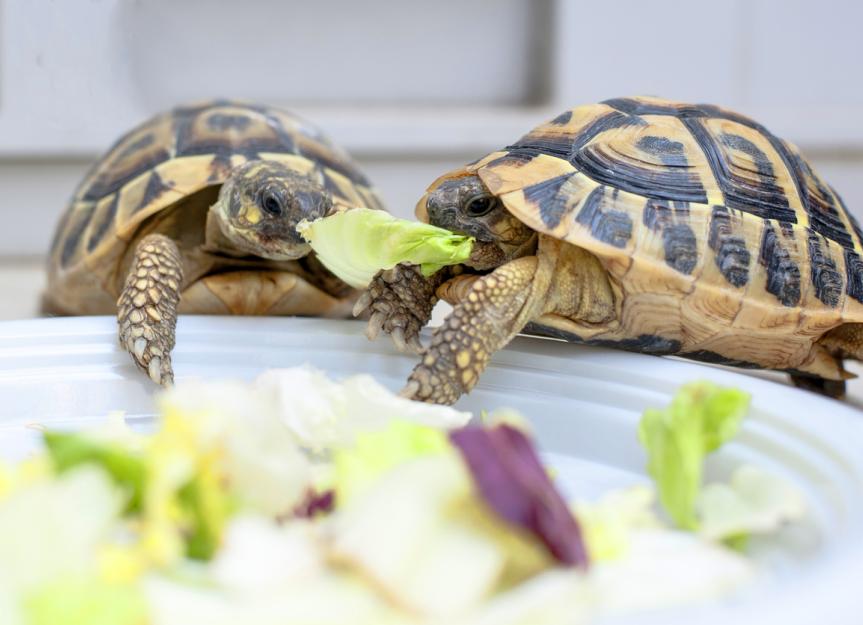
What Does Pond Turtles Eat?
Pond turtles tend to be omnivorous creatures that feed on both plant matter and animal proteins, including those from animals like frogs, crickets, earthworms and fish.
Pond turtles should only ever be fed fruits, vegetables, and meat from animals as their diet should never include anything that contains salt or sugar.
Water Cresses
Water cresses are among the many foods enjoyed by pond turtles at their aquatic homes. These aquatic plants provide essential vitamins and minerals needed for healthful development in these aquatic creatures’ bodies – not to mention being easy for a turtle to access wherever there is water source! Examples of water cresses include Curly cress and Broadleaf cress varieties.
Reed canary grass is another popular food choice among pond turtles in their environment, providing essential minerals such as calcium, potassium, iron and zinc. It grows well both freshwater and saltwater environments and serves as an excellent source of nutrition.
Reed canary grass provides several essential vitamins and nutrients that can help a turtle become stronger and healthier. However, consumption should only occur in moderation as excess consumption may lead to malnourishment.
A pond turtle should consume animal protein through either pellets or live prey such as shrimp, worms, crayfish or feeder fish; just ensure it does not contain toxic or parasitic agents that could be dangerous to its health.
Your turtle should also receive some vegetables such as kale, broccoli, carrots, cabbage and lettuce; however, any vegetables high in oxalates should be avoided, since these compounds prevent your turtle from absorbing calcium which is one of the essential elements for life.
Finally, pellets can also be added to their diet; however, this should only constitute a small proportion. Overfeeding of these dietary additions could potentially pose health issues to pond turtles.
For more information on what to feed your pond turtles, read through our article on How to Feed Your Turtles. Also keep in mind that baby turtles have higher protein requirements than adult turtles so more pellets and feeder fish should be provided as part of their diet than would normally be required by adult turtles.
Wild Celery
Wild celery plant is an aquatic perennial plant found along the edges of freshwater bodies such as lakes, rivers and streams. It provides shelter and food sources for various fish species such as bluegills and small perch; waterfowl such as ducks, geese and marsh birds feed from this resource as well as serving as shelter for bottom-growing algae and invertebrates.
Celery plants feature long ribbon-like leaves with finely toothed edges and blunt rounded tips, with light green leaves featuring finely toothed edges and light green stripes in the center. Flowers feature white petals on long stalks extending from their bases. Male flowers release pollen that floats to the water’s surface and fertilizes female plants by chance when their stalk coils close to its surface – providing ample opportunities for pollination by various forms of wildlife such as ducks. Using this process to clone these species will ensure longevity while simultaneously expanding pollination opportunities among native populations and providing numerous opportunities through waterfowl pollination processes allowing this species to remain native while also expanding pollination opportunities by pollinators species.
Young Pacific pond turtles and red-eared sliders require diets high in animal proteins for proper development; as they mature into adults however, these reptiles shift toward eating both plant matter as well as animal protein sources.
Young baby sliders may prefer insects such as crickets, earthworms, mealworms and waxworms while adults will typically prefer snails, crayfish and greens such as romaine lettuce, collard greens, kale or dandelion greens as food sources.
Pond turtles enjoy eating fruits and vegetables such as bananas, cantaloupe, apples, tomatoes, strawberries, squash and berries. Be wary when feeding pond turtles foods high in fat, salt or sugar as this could negatively impact their health. Furthermore, avoid giving bread or dairy products since pond turtles lack enzymes needed for digesting these items.
Zoo Med Gourmet Reptisticks contain shrimp, kale and various plants and herbs designed specifically to nourish pond turtles – providing your reptile with all of the nutrition he or she requires for optimal health.

Shrimp
Although turtles may appear to be nuisances in ponds, when cared for correctly they can actually be quite beneficial. From waterside residence to land living environments, these cold-blooded animals need a balanced diet in order to remain healthy and happy – this means eating everything from fish, crickets, worms and other insects as well as vegetables, fruits, algae and leaves! They may even consume small reptiles as well as various plants such as tadpoles and snails!
Turtles are omnivorous animals and consume both plant matter and animal prey, such as tadpoles, frog eggs, leeches and aquatic beetles for protein intake. Furthermore, turtles will consume seeds of plants such as lily pods, tule and cattail roots as well as dragonfly larvae and mosquitoes for protein source.
Pond turtles also enjoy snacking on various leafy greens that provide essential vitamins and minerals, including green leafy lettuce, mustard greens, dandelion greens and kale as sources of essential nutrition. Other edible options may include okra, aloe vera leaves and flowers from hibiscus flowers as well as aloe vera pulp from aloe vera plants; it’s best to steer clear of iceberg lettuce due to its limited nutritional benefits.
Turtles typically eat fruit such as strawberries, bananas, apples, cantaloupe and various citrus fruits in moderation. Tropical fruits like mangos and papayas should only be given in small amounts to avoid health complications.
Additionally, it is vital to remember that any food given to a turtle should not be left on the ground or opened dried or canned food as these could become contaminated with bacteria and cause harm. Furthermore, it is suggested to give your turtle a multivitamin with calcium and vitamin D3 at least once every week for their own wellbeing.
Fish
Pond turtles need both plant and animal proteins for healthy development. Too much fish consumption can result in vitamin E deficiency as well as affect calcium levels; oily species like sardines, mackerel, and herring should be avoided as these fish species contain too much Omega 3s to be beneficial to calcium levels. In addition to eating freshwater fish, pond turtles should consume submerged aquatic plants such as anacharis, water hyacinths, water lettuce and azolla (fairy moss); these provide ample amounts of calcium, potassium iron as well as other essential vitamins needed by their development.
Baby pond turtles are carnivorous animals, so they require a diet rich in animal prey such as meat, insects, amphibians and earthworms to survive. When raising baby pond turtles at home you should feed them mealworms, crickets, frogs, crayfish and earthworms; you can also offer cooked chicken, beef or turkey instead if handling live insect prey is too difficult for you.
Older turtles can consume both plant and animal foods, with fish as the main source of protein and various vegetables serving as plant-based sources of nutrition. You should include leafy greens like collard or dandelions, romaine lettuce, carrots, kale and turnip greens in their diet along with fruits such as apples bananas strawberries cantaloupe. When possible organic fruits and veggies should be chosen because they contain less chemicals than non-organic alternatives.
Pellets are an excellent food option for pond turtles as they contain balanced amounts of phosphorus and calcium, both easily available from pet stores or homemade at home. Although you can buy or make pellets yourself, they should never be the primary food source as this could expose young turtles to unhealthy additives and preservatives that could slow their development if fed regularly as an adult turtle would do better; hence it is advised only as a supplement and never sole source of nutrition for young pond turtles.

