

Equine Metabolic Syndrome: What Is It And How Can It Be Prevented?
Horses are all individuals and with lots of different factors such as their breed, temperament and workload all impacting on what they should be fed, getting the right diet can be challenging. . However, it is important to get it right so you maintain your horse at a healthy weight to help reduce the risk of common issues such as EMS, Laminitis and PPID.
What Is Equine Metabolic Syndrome?
Equine Metabolic Syndrome is a metabolic problem that is commonly characterised by issues such as insulin dysregulation, difficulty losing weight and abnormal adipose distribution. Insulin dysregulation is used to describe a combination of abnormally elevated levels of insulin. .
Normally, insulin is released by the pancreas to regulate blood glucose levels. If your horse is experiencing insulin resistance the cells do not respond to the production of insulin leading to more and more of it being produced. This high level of insulin can then disrupt the daily function of the vascular system.
In addition to this, fat stores in the body develop the ability to produce hormones known as adipokines that cause the body to go into an inflammatory state. This contributes to the risk of laminitis and is one of the reasons overweight horses and ponies are at greater risk of developing laminitis.
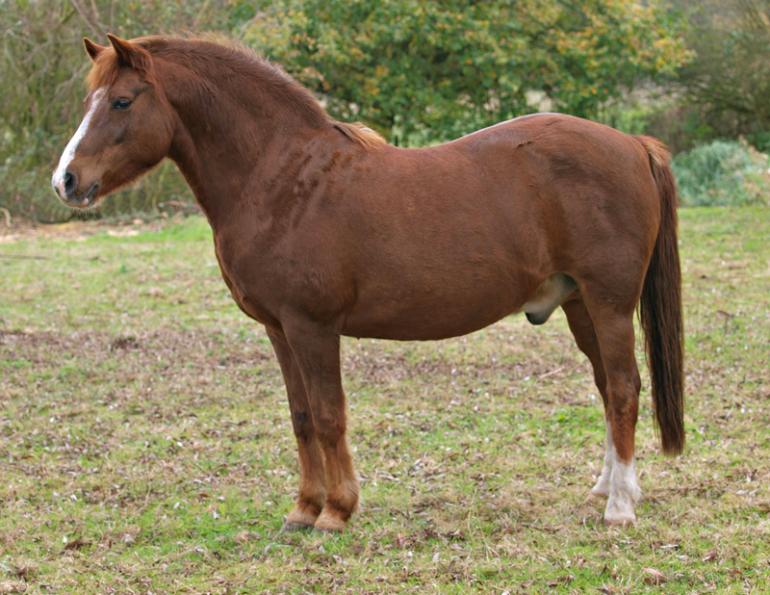
Increased Risk Of Laminitis Due To EMS
The underlying endocrine problem of ems in horses increases the risk of laminitis. The excessive consumption of sugar and/or starch may be the final tipping point that results in clinical signs of laminitis. To keep a horse healthy, you should aim to reduce the amount of sugar and starch in their diet.
Management tips for reducing the risk of EMS and laminitis
There are a number of ways you can manage your horses weight and reduce the chance of them developing Equine Metabolic Syndrome
Restricted Grazing –. This can be done by a track grazing system, grazing muzzle or turning your horse out in a well grazed paddock. Research has shown that grass intake can be reduced by 75% when using a grazing muzzle.
Weighing Haynets – Weighing your haynets is important when caring for your horse as this will ensure that you are aware of your horses’ daily calorie intake. You can then begin to weigh the feed and guarantee that you are giving your horse the nutrients that it needs.
Regularly Weigh Your Horse – In addition to weighing the haynets, it is crucial that you also use a weigh tape and a condition scoring method to monitor the condition of your horse. This will help you to spot changes early if done regularly and will aid you in tailoring your horse’s diet plan to maintain a healthy weight.

