
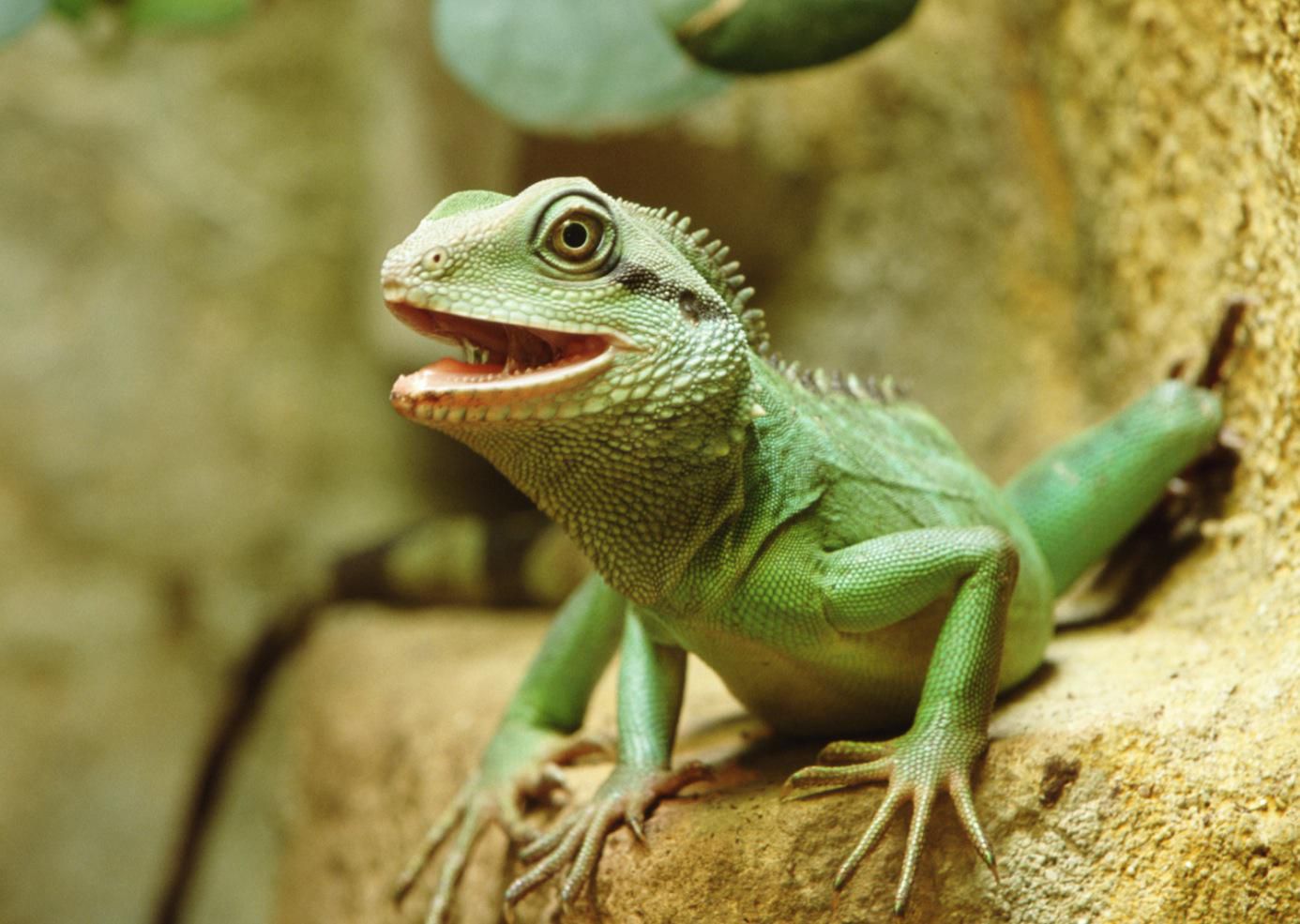
What Do Water Dragons Eat?
Captive water dragons should receive a wide range of foods. Their bodies need specific vitamins and nutrients such as calcium.
Live foods such as mealworms, crickets and earthworms should be offered to them before feeding – for optimal results they should first be gut-loaded before being fed.
Frozen mice can also be offered on occasion; just remember they contain high levels of fat and may harbor parasites.
Live Food
Chinese water dragons require a diet rich in proteins and fruits and vegetables to remain carnivorous in nature (Cogger 2000). Their enclosure should contain 10-20 gallons of clean water at all times to provide ample swimming areas; its contents must also be regularly changed out in order to prevent bacteria growth in its ecosystem.
Water dragons may eat live meat as part of their overall diet; in nature, however, their primary diet consists of insects and aquatic-living creatures (frogs, snails, mollusks and crustaceans). Whole vertebrate prey items like pinky mice can also be fed occasionally to mimic these natural elements of their environment, though only when in moderation.
Captive water dragons must be fed a variety of feeder insects and worms in order to avoid boredom with their diet. As water dragons quickly tire of eating the same kind of feeders at each feeding, it is wise to offer multiple kinds at every mealtime. In addition, gut-load feeders for 24-48 hours before offering them to your reptile; make sure their meal contains more calcium than phosphorus!
Black soldier fly larvae is the optimal feed for Chinese water dragons as it contains high calcium levels with minimal phosphorus levels, providing ample vitamin A sources. Mealworms, crickets, superworms, grasshoppers or any whole prey items should also be offered; just take care not to offer anything high fatty bugs that could potentially cause digestive problems in young dragons (including impaction).
Additionally to these foods, your reptile should also receive fresh greens such as collard and mustard greens, arugula and dandelions; as well as steamed veggies such as kale, broccoli and brussel sprouts that have been cooked (avoiding raw veggies as they could contain salmonella). Furthermore, light dust your reptile’s insect and worm diets four days per week with pure calcium without glycerol supplements, followed by multivitamins once every week.
Fruits
The Chinese Water Dragon (Intellagama lesueurii howittii) is an immensely popular reptile pet. However, their complex care requirements and diet make them challenging pets for beginner reptile owners to care for properly. Water dragons are omnivorous animals; while most of their diet should come from insects or small prey animals such as rodents, fruits and vegetables provide essential vitamins and minerals needed for healthful development of the dragon’s immune system.
Chinese water dragons feed on various insects and worms found in nature, such as cicadas and ants. When kept as pets, owners should provide an assortment of similar insects in order to keep the animals entertained and healthy.
Crickets and mealworms should serve as the main protein sources in a Chinese water dragon’s diet, available from most pet stores and generally easily digestible by them. Mealworms must first be gut-loaded with commercial mealworm food prior to feeding, and are only recommended for dragons aged over 12-18 months as their high chitin content could cause digestive issues in younger creatures.
Additional prey items that should occasionally be included in a Chinese water dragon’s diet are grubs and earthworms, which contain both calcium and phosphorus in large quantities – both essential nutrients needed by their bodies to bind calcium together, but consuming too much may lead to bone and joint issues for these aquatic reptiles. It is therefore best to provide these items only occasionally.
Additionally, Chinese water dragons may benefit from being fed pinkie mice on occasion as an occasional feeder item, provided it does not contain bones or hair that would make digestion difficult for their digestive systems. Frozen pinkie mice can be purchased from most pet stores and easily fed to Chinese water dragons.
As well as prey items, Chinese water dragons should also be given fresh fruits and vegetables, including fresh fruits high in antioxidants like Vitamin C and Folic Acid for proper nutrition. It’s best to steer clear of citrus fruit due to the excessive levels of Oxalic Acid that could damage their kidneys.

Vegetables
Chinese water dragons typically transition to eating more vegetables and fruit as they age, in order to provide their bodies with adequate levels of protein, vitamins, and minerals. Therefore, it’s wise not to feed your dragon fish because these foods contain salt, fat, heavy metals, parasites etc. which could harm its development.
Kale, collard greens, mustard greens, dandelions, spinach and turnip greens are excellent vegetables to feed to your baby because they contain antioxidants, folic acid and vitamin A. You may also give peas, sweet potatoes carrots and tomatoes (although frequent offerings could lead to digestive reactions).
Provide your Chinese water dragon with a varied diet that contains essential vitamins and nutrients. Fresh, washed fruits and veggies free from pesticides can also make an excellent selection.
If your pet is eating less, this could indicate boredom with their food or being pregnant (gravid females are more likely to stop eating as they prepare to lay eggs, digging shallow nests in which to do this).
If you want to ensure that your water dragon is getting enough essential vitamins and minerals, supplement its diet with Repashy’s multi-vitamin blend or calcium powder. Both these products can easily be added into their feeder insect foods. Gut-loading feeder insects is another great way of providing adequate nourishment; simply feed nutritious food to them for 24-48 hours prior to giving them back as treats for your pet – black soldier fly larvae is best as they have high calcium and lower phosphorus content; other options that require gut-loading are mealworms waxworms and crickets.
Reptile Diets
Chinese water dragons feed on an assortment of plants and animals in the wild, from flowers and insects to fruit, fruit trees, arboreal invertebrates and flowers in trees’ branches; to molluscs and crustaceans found along coastal areas.
Captive reptiles should be provided with a varied diet that features fresh greens such as collard and mustard greens, dandelions, kale and turnip greens; other vegetables may include Swiss chard carrots and squash as well as fruits like pomegranates blueberries apples oranges strawberries mango papayas bananas etc. Additionally, feeder insects like crickets hornworm silkworm mealworms earthworms etc should also be offered in small amounts and cut up into bite-size pieces so the reptile can digest them more efficiently.
Supplements such as calcium gluconate and carbonate should be included in their diet, along with powdered vitamin D3. They should also receive an occasional dusting with powdered vitamin D3. A good amount of protein should also be provided, though live rodents are not ideal; occasionally frozen mice might be fed but only once or twice monthly – not more!
Chinese water dragons need a balanced diet in order to thrive. If the animal becomes lethargic or stops eating, this could be indicative of infection or another medical issue and needs to be seen immediately by a veterinarian for evaluation and possible administration of fluids as needed or anti-inflammatory medication to relieve pain and swelling – this way their recovery can occur more rapidly.

