
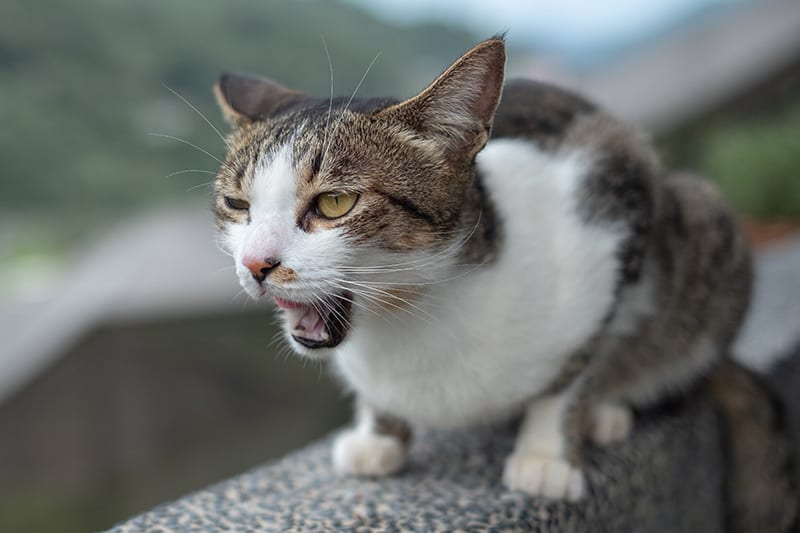
What Does it Mean When a Cat Pants?
A panting cat usually indicates discomfort; therefore it should be addressed quickly by seeking professional medical assistance.
Panting may occur when cats engage in vigorous play or exert themselves physically, which is particularly common among kittens. This type of panting tends to be short-lived and will subside with rest periods.
Overheating
Panting can occur for various reasons in cats, such as being excited or overheated. But panting may also indicate an underlying health problem and should not be ignored; if your cat begins panting heavily for no obvious reason, schedule an appointment with your veterinarian as soon as possible to address it.
Cats often pant as a means of cooling themselves down after playing or being exposed to heat, particularly young kittens who are learning how to regulate their body temperatures. Most often, your cat will stop panting once their temperature has returned to normal and their panting has stopped altogether.
Other signs your cat could be overheated include restlessness, vomiting or diarrhea. If this sounds familiar to you, use a cool damp cloth on their ears and feet while offering them water to drink until their body temperature returns to normal.
Cats often pant heavily when in pain. This could be a telltale sign of heart disease or respiratory conditions; therefore, if your cat is showing any sign of discomfort it is essential that they see their veterinarian immediately in order to diagnose and provide treatment as required.
Anemia is another leading cause of heavy breathing in cats. This condition occurs when there are too few red blood cells in the body, limiting oxygen delivery to all tissues and organs. Signs of anemia in cats include weakness, difficulty swallowing, dry gums, dull coat and frequent panting; if you suspect your cat may have this issue consult a veterinarian to conduct blood tests to assess its cause and receive appropriate medication treatment plans.
Anxiety and stress are often the causes of cat panting, often in response to loud noises, unfamiliar environments or separation anxiety. If this is your cat’s cause for panting, try and address the trigger as quickly as possible by eliminating or changing its setting as soon as possible.
Stress
Similar to dogs, cats will pant when anxious or stressed and when overheated or exerted during exercise or strenuous rest and play sessions. To stop their panting in these instances, cats need rest and relaxation before engaging again in physical activity or vigorous play sessions. When panting due to being hot becomes an issue for cats it should be seen by their veterinarian immediately as this could indicate they may have reached life-threatening temperatures; otherwise it must be dealt with immediately to avoid heatstroke occurring.
Panting may also be a telltale sign that your cat is feeling stressed or anxious, especially in situations that trigger this reaction, like car rides and vet appointments. By paying attention and eliminating triggers that make their condition uncomfortable, many situations like these can be avoided altogether.
Just like humans, cats may experience respiratory illnesses and infections that make breathing difficult. When this happens, cats will pant to increase oxygen levels so air can enter their lungs more easily – in addition to panting they may exhibit other symptoms such as shaking, hiding from you when you pet them, decreased appetite, meowing excessively or vomiting.
If your cat is panting due to illness, a vet must conduct tests in order to ascertain what kind of condition it has. These may include blood evaluation to detect changes in organ function or red blood cell counts as well as imaging techniques like x-rays or ultrasounds.
Panting can be an alarming symptom, and seeking medical advice immediately should always be sought out. A veterinarian will be able to give a clearer understanding of what’s ailing your cat and suggest the necessary treatments or medication that could reduce panting; depending on its severity it may even be necessary to visit an emergency vet as soon as possible to prevent further complications from developing.
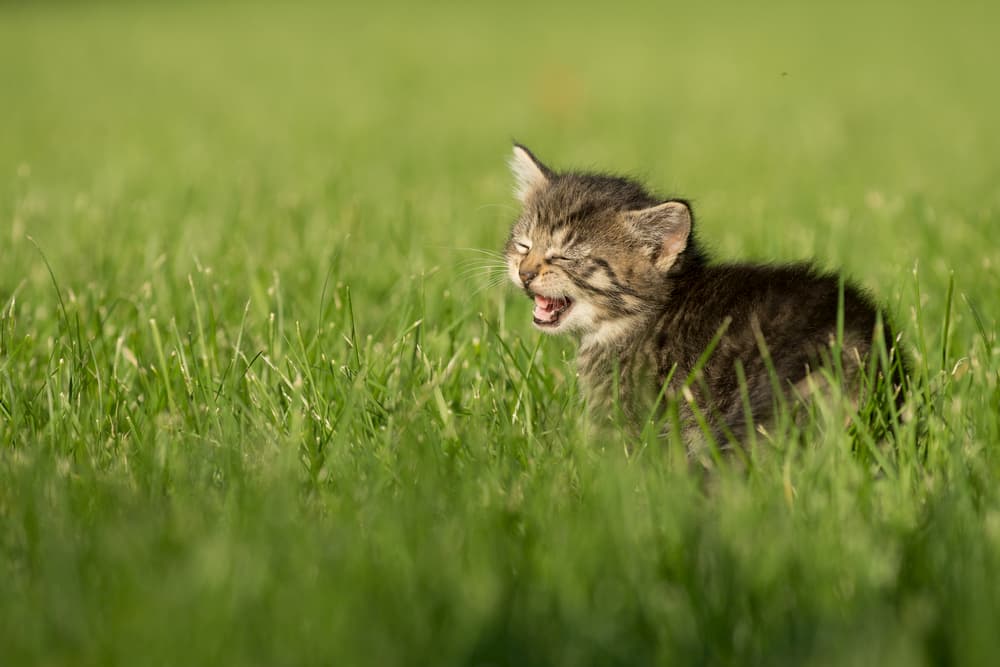
Pain
Cats can be adept at hiding their pain, but panting is an obvious telltale sign that something is amiss. If your feline starts panting without apparent cause such as overheating or too much exertion from play, make sure you inform your vet so they can assess the situation properly.
Painful conditions include injuries, tumors, infections or any illness causing your feline friend discomfort. Therefore it’s crucial that you monitor their behavior for other signs of distress such as aggressive behavior changes in eating habits and decreased appetites.
Stress can also cause cats and kittens to pant, as their bodies respond by increasing breathing rate, heart rate and pulse rates, which in turn leads to panting as they attempt to relax. Therefore, it is crucial that we help your cat relax by eliminating anything that might be contributing to anxiety, so they won’t start panting as they attempt to soothe themselves.
Cats who are suffering from respiratory illnesses such as bronchitis or flu may start panting when symptoms such as wheezing, coughing and congestion appear. Seeking medical assistance immediately will ensure your feline friend receives medication to combat their illness and resolve it as quickly as possible.
Panting may also be caused by anemia, which occurs when there aren’t enough red blood cells to carry oxygen around the body. This serious medical condition should be addressed quickly by consulting your veterinarian.
Although cats and kittens typically pant occasionally, this should never be ignored. If your pet begins to pant excessively, evaluate them immediately to identify any underlying causes and begin treating accordingly. Some conditions that lead to panting in cats and kittens can quickly worsen into life-threatening ones so identifying what’s causing their panting will allow you to make informed decisions regarding when and how best to treat it.
Foreign Object in the Throat
Panting is an emergency condition involving your cat when something has become lodged in his throat, necessitating immediate veterinary intervention. Panting may also result from damage to the diaphragm that allows organs and tissue from his abdomen to move into his chest cavity, impairing his breathing ability and forcing your feline friend into panting mode.
Your cat may pant if they have something foreign in their mouth, such as string or furniture upholstery material that they have chewed off of. In such instances, immediate treatment must be provided immediately.
Cats often pant during times of high stress, such as during vet visits or the introduction of new felines into the household. Stressful situations often result in abnormal panting that often comes along with other symptoms like hiding, overgrooming, inappropriate urination and changes in appetite. If this sounds familiar to you and you notice any of these behaviors from your cat it would be wise to consult your veterinarian regarding available anti-anxiety strategies such as behavioral modifications and pheromone therapy as potential solutions.
Cats that are experiencing difficulty breathing due to respiratory conditions like asthma or pleural effusion should be immediately treated; failure to do so could result in death. Signs associated with these conditions include difficulty breathing, coughing, loss of appetite and lethargy.
Your cat may pant due to an enlarged heart or lung clot, an emergency situation which can lead to death if left unaddressed quickly. An enlarged heart or clot usually results in reduced lung capacity which reduces their lung capacity making breathing difficult – often genetic or caused by disease processes like hypertension, liver disease or heartworm disease.
Although cats can often hide pain well, it’s still important to monitor any symptoms that could indicate health concerns. Panting can range from benign to potentially life threatening conditions; so it is always a good idea to visit a veterinarian in order to diagnose its source.

