
How to Tell If a Dog is Deaf
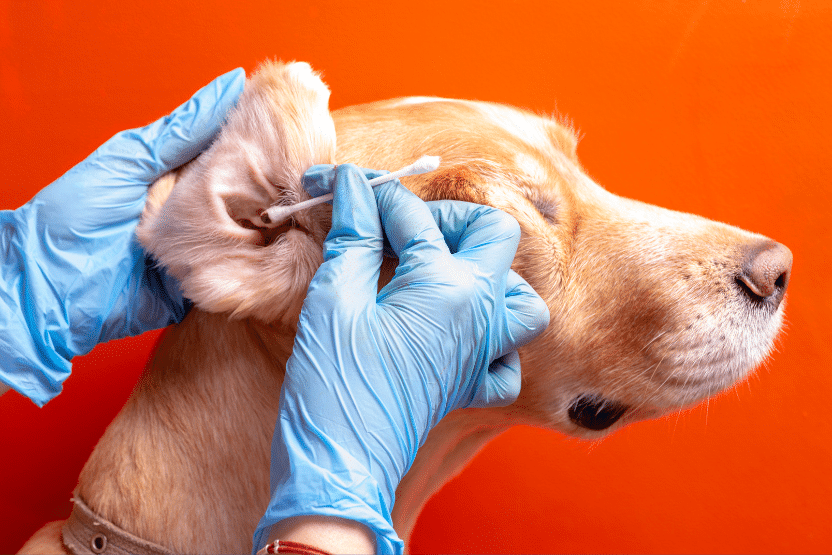
Seeing as your pup’s ears don’t respond when hearing sound, it would be wise to seek professional diagnosis from their veterinarian. Your vet may examine their ears while additional tests such as clapping hands or whistling keys can also be carried out to provide more insight.
Be mindful when approaching a deaf dog to prevent startling them when sleeping, particularly at night. Consider training them with visual check-in commands such as hand signals or stomping on the floor to get their attention.
Ears that Don’t Move
Normal dog hearing mechanisms involve their ears moving in the direction of sound to pinpoint its location and focus on it. If a dog’s ears don’t move when hearing noises, this could be a telltale sign that their hearing has declined – to test this, try standing somewhere out of reach and whistling or jangling keys; if their ears do not respond accordingly then chances are they didn’t hear it at all!
As one indicator that their hearing may be declining, signs that your pet might be going deaf can include less obedience or no longer coming when called. Pet owners can find this difficult to adjust to, particularly if their dog had previously responded to verbal commands such as verbalizing when needed or growling when shocked or scared. Dogs going deaf also often startle more easily and may display aggressive responses such as growling when scared.
Deaf dogs can still live a happy and comfortable life as long as they receive proper guidance. This could involve fitting a bell to their collar so you can locate them during off-lead walks, teaching nonverbal commands and desensitizing them to vibrations by stomping on their feet or tapping gently on the back, in order to make unexpected approaches less startling or petting more manageable.
Dogs tend to lose the ability to hear higher-pitched sounds like your whistle first, which can be difficult for some pets and could lead to them suddenly disobeying when called. To ease their transition, try communicating with your pup through hand gestures or lower-pitched noises they can hear like clickers instead.
Some breeds of dogs are genetically predisposed to hearing loss, including Dalmatians and German Shepherds. Deafness can either be present from birth or acquired later through infection or trauma; if your pup shows any symptoms of hearing loss it would be wise to get them diagnosed by your veterinarian in order to ensure the best quality of life possible for both of you. They will examine their ears using tools designed for viewing deep within their ear canal in order to detect issues that could be contributing to deafness.
Lack of Reaction to Sounds
When we think of disabled dogs, our minds often jump to images of paralyzed pups in wheelchairs or blind canines with guide dogs. But dogs can also experience invisible disabilities such as deafness; while it’s normal for some pets to gradually lose hearing as they age, sudden cessation in reacting to certain noises such as food bowl rattle or car key lock rattle could be an early indicator that they are becoming deaf.
Deaf dogs may still respond to vibrations such as footsteps stomping on carpet or gentle touches to their head due to some level of residual hearing; though this will likely decrease with time as disease progresses. Unfortunately, deaf dogs won’t recognize noises such as their name or favorite words, or become startled easily when exposed to loud sounds like the hoover or doorbell.
Your pet might seem disoriented and stop responding to voice or hand gesture commands from you or other family members, leading you to seek veterinary assistance immediately if this occurs. In such a scenario, it’s crucial that you discuss this matter with them immediately.
Dogs that are going deaf may also sleep more and be harder to wake up, since they cannot hear sounds that would normally excite or alert them of danger, such as traffic on the road or other animals in their yard.
Deafness in dogs often results in less active dogs that don’t respond to commands such as wearing their leash or beginning their walk, due to being unable to hear their owner call out or hear when their leash drags across the ground.
Disobedience in dogs may be the telltale sign of deafness; they might not sit when asked or take treats without hesitation – which can be very distressing to owners, particularly if sudden hearing loss occurs. Luckily, many canines learn to respond to hand signals and visual cues so as to become well-trained and confident despite having hearing loss.

Sleeping More Often
If your pup seems to be sleeping more frequently than normal, it could be an early indicator of deafness. Deaf dogs typically don’t get startled by environmental noises like doorbell chimes or cars pulling up outside; nor are they disturbed by loud voices or their own barks.
Older dogs who are becoming deaf will typically sleep more because they no longer receive as much stimulation in their lives, like hearing doorbell ring or you call out for them or hearing wind rustling through trees.
As they no longer respond to commands or admonitions as expected, their behaviors will change quickly and become disobedient. Their favorite toy may no longer interest them and they might stop running up to greet you at the door when you return from work.
Dogs that are going deaf may seem startled more easily when you try to approach them while sleeping, since they cannot hear your approach and anticipate your actions. This can be upsetting both for yourself and your pet; therefore it’s best to approach them slowly using methods that won’t startle them.
Your dog’s hearing can be tested while they’re sleeping by standing behind them and gently clapping or jangling keys or keys together. If their ears do not move or twitch upon hearing these noises, visit a veterinarian immediately to have them evaluated for an ear examination.
Hearing loss in pets can be devastating, yet living with it doesn’t need to be impossible. If you are concerned about an older dog’s hearing, it is always a good idea to visit a vet right away for a full ear exam in order to rule out treatable health conditions such as an infection or excessive earwax that is blocking sound transmission from reaching its source. If they do indeed have hearing loss however, make adjustments that help your pet adjust comfortably until a treatment option can be found.
Lack of Attention
Losing hearing is something every dog dreads and it can have profound repercussions in daily life. Barking might become less frequent or the dog could start ignoring sounds like his food bowl rattling or someone knocking at the door; fear-based behaviors, such as growling or biting may also become noticeable when startled by noises in his environment.
Owners who find that their dog stops responding to calls or ignoring them when walking him on his lead could be concerned that he may be deaf, however this might just be temporary; if this continues to be an issue it might be wiser to consult a vet for an examination.
Brain Stem Auditory Evoked Response, or BAER test is the most accurate way to assess a dog’s hearing ability. This noninvasive test measures brain responses to sound stimuli. You can perform it yourself or at a vet office; however it typically takes around an hour per dog and must remain calm throughout its entirety.
Animals that lose their hearing can still live happy and fulfilling lives, although they may need assistance adapting to their new environment. For instance, they might require training in reading human hand signals or using vision more to navigate. They will need to exercise greater caution when walking in busy areas because they won’t hear approaching vehicles or potential dangers that they previously heard about.
Deaf dogs may stop responding to verbal commands, which can be frustrating for pet parents. But it’s important to remember that this doesn’t necessarily indicate they have ignored you–they might just have heard something else that has captured their interest instead. Whistling or jingling keys while away from your pup might bring his attention back towards the source of sound.
Visual cues can help your dog understand you are calling them, while vibrations such as stomping on the ground or touching them gently on their back or shoulder will also work well. Fitting a bell to their collar will enable you to locate them easily during off-lead walks or around the home and garden, especially if they have only one hearing ear.

