
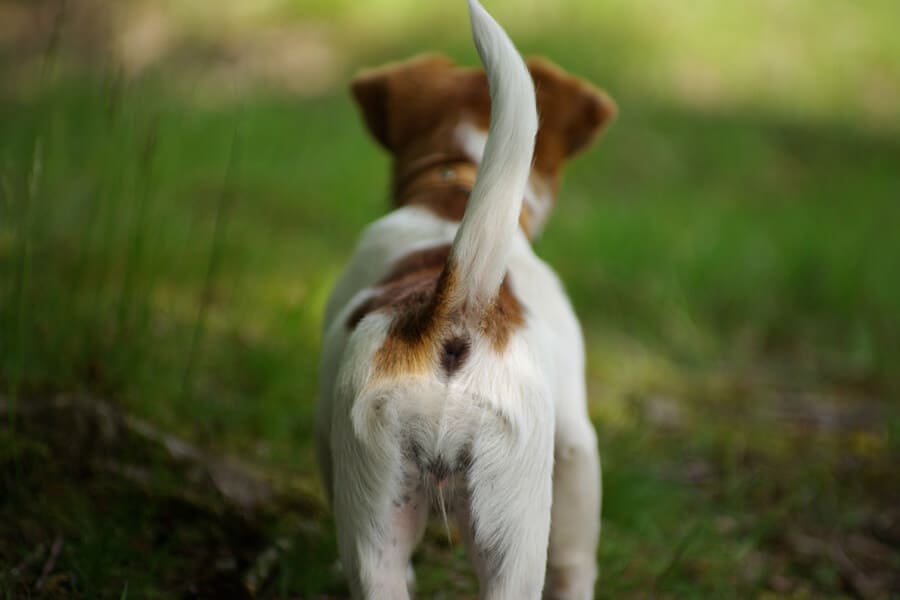
Why and How Often Do You Express Dog Glands?
Dogs generally don’t require their glands to be manually expressed as they naturally release excess fluid during bowel movements. However, some pets develop anal gland impaction or infection which requires frequent expression sessions.
Expressing your dog’s anal glands may not be pleasant, but it can help alleviate discomfort and protect against infection. Groomers or veterinarians typically perform this procedure; however, you can do it at home as well.
Do All Dogs Have Anal Glands?
Most dogs naturally empty their anal glands when the anal sphincter contracts during a bowel movement, releasing small amounts of secretion that the glands then secrete into their system. But over time these glands may swell or become blocked for various reasons and this may cause painful pooping as well as infection; food allergies, medications and digestive conditions such as IBS are among the many causes for blocked glands in dogs.
Your dog’s anal glands need to be expressed when they produce a brownish, smelly discharge from their area when full. Other indicators may include pain when they poo, blood in their stool and excessive licking/scooting around on carpet surfaces.
If any of these symptoms appear, it is crucial that anal glands be manually expressed by a veterinarian or groomer in order to relieve the blockage. While self-expressive methods are possible at home as well, making sure you follow proper procedures will reduce further issues.
Expressing anal glands involves manually squeezing them to release any trapped fluid, often performed by pet parents and groomers on an ongoing basis. While some pet parents and groomers perform this procedure themselves, it’s always wise to follow instructions from a vet or veterinary technician in order to properly express anal glands without increasing risk of impaction.
Assuming most pets live their entire lives with healthy anal glands, it’s still wise to monitor for any early warning signs that might indicate trouble. A visit to the veterinarian may be required for diagnosis; but you can help reduce risks by feeding your pup a high-quality diet that includes plenty of fiber and probiotics.
Glandex(r) is a veterinarian-created blend of beneficial fiber, digestive enzymes, and probiotics designed to support your dog’s anal gland health. Give it a try today to give yourself and your pup a healthier tomorrow!
Do I Need to Express My Dog’s Anal Glands?
Many dogs can naturally drain their anal glands through every bowel movement. But sometimes these glands become blocked and start oozing or even smell, eventually even rupture if left untreated.
A veterinary technician or dog groomer can assist in manually expressing anal glands for your pet. Although most pet parents dread this process as it often means getting their hands dirty at home or taking your animal to the veterinarian – knowing what’s involved and knowing what can make this experience less daunting can make for a less-stressful journey for all parties involved.
Anal gland expression is a straightforward procedure that can be completed at home with just a few essential items. These include disposable gloves, Vaseline or another lubricant and paper towels – you’ll also need an appropriate location and someone to assist with gentle restraint of your pup during this procedure. Usually it won’t cause them any pain but some dogs can be more sensitive than others so some discomfort might be felt by some animals during this process.
Most dogs who have their glands regularly expressed will only require additional gland extraction if there are signs of impaction or infection; however, for certain breeds it may be beneficial to express them more frequently to ensure optimal health and avoid unpleasant odors.
An effective way to identify when it’s time to express your dog’s anal glands is by monitoring his or her behavior. If they appear discontented with moving across multiple surfaces or regularly licking at their anus, this could be a telltale sign that their glands have become inflamed, infected, or compromised requiring further expression.
Signs of anal gland problems include an offensive, fishy odor coming from the anal area that doesn’t dissipate after bowel movement, blood in stool and an anus that is reddened or swollen. While some vets and groomers encourage routine expression of this condition through routine squeezing and pinching, doing this could actually exacerbate problems further. Instead, consider finding a holistic vet who understands it well so they can devise treatment plans without the repeated squeeze-pinch cycles.

How Do I Express My Dog’s Anal Glands?
Expressing your dog’s anal glands may sound unpleasant, but doing so could save money on grooming fees and vet visits – not to mention be an easy home task! But before becoming overwhelmed by germs or the smelly process, take some time to understand why expressing these glands is necessary, how you should go about doing it properly, and how often it needs doing.
Anal or “rectum” glands, commonly referred to as anus glands, are small scent glands located either side of your dog’s anus. These glands produce lubricating fluid which assists in defecation and gives your dog its unique scent. If these glands are not released regularly and regularly expressed, rectum fistula may occur leading to infection of their contents and potentially further issues with digestion.
Some dogs will never require their anal glands to be manually expressed; others, depending on breed, size and health considerations may need them annually or more frequently. Depending on these variables, manually expressing canines’ glands can sometimes prevent complications that arise later in their lives.
Signs that your dog needs their anal glands massaged include scooting their rear end across the floor and excessive licking/gnawing on their butthole, as these behaviors could indicate their anal glands are full and have become irritated due to build-up of secretions in them.
To express your dog’s anal glands, apply a small amount of lubricant on one gloved finger and use it to run around their anus. Feel for two pea-sized glands at 8 and 4 o’clock on both left and right sides; gently squeeze each gland between your fingers until all fluid has been extracted from them – once one gland has been fully depleted move onto another side of their anus.
Once you’re ready, have someone assist with holding your dog still so that the process won’t agitate them too much. If you find the process too stressful or have an unruly pup, you might also consider hiring professional groomers or vets instead.
How Often Should I Express My Dog’s Anal Glands?
Although many pet owners believe that frequent manual expression of their dog’s anal glands is beneficial, this isn’t always the case. So long as your pet has healthy bowel movements and does not experience issues with impacted anal glands, these glands shouldn’t need to be expressed regularly as this could lead to inflammation and even rupture of these vital glands.
If your dog is repeatedly scooting his rear end over multiple surfaces and excessively licking their butt, this may be an indicator that their anal glands need to be expressed – possibly due to build-up of secretions or infection or blockage in their anal glands.
Professional dog groomers or vets should perform this service – it can be messy and smelly work, but ultimately helps your furry pal be healthy and content!
Manually extracting your dog’s anal glands requires several items: gloves (preferably latex), some Vaseline or another lubricant and paper towels. You will also need to be able to gently restrain their pet as this procedure can be somewhat unpleasant for them; but should only cause pain if there is an infection or obstruction present.
Once all your materials are prepared, have your dog stand on fours with their tail up and place a gloved index finger into their anus using your thumb to guide it within. After placing it inside, use your other fingers to help maintain position within their anus as you sweep across their glands until all secretions have been cleared away.
Your next step should be to wipe down the area clean and inspect for signs of irritation or damage. While you can learn this on your own, it may be beneficial for a veterinarian or experienced dog groomer to demonstrate as incorrect expression can be painful for your pup and may lead to other health concerns. They can also offer tips on maintaining healthy anal glands on an ongoing basis.

