 Emma Thompson
Author Archives: Emma Thompson
Hi, I'm Emma Thompson. Welcome to The Pet Town! I'm a Pet lovers like you and please feel free to get in touch with any questions. Enjoy your stay!
 Emma Thompson
Author Archives: Emma Thompson
Hi, I'm Emma Thompson. Welcome to The Pet Town! I'm a Pet lovers like you and please feel free to get in touch with any questions. Enjoy your stay!
One of the many benefits of owning a snake is how low-maintenance they can be. Not only that, but they’re also surpsingly affordable (after the initial set costs) . Both of these qualities make snakes ideal pets for time or cash-strapped animal lovers. Need proof? Feeding is an ongoing expense that all pet owners must contend with. With a traditional pet like a dog or cat, this can quickly become costly. Not the case with snakes! The casual reptile-lover with an average-sized snake likely won’t pay more than pay more than $30 a month out of pocket, but it can be as little as $15. However, there a number of factors that can determine precisely how much the cost will be, here’s what they are:
The bigger the snake, the more it will eat–that’s a no-brainer. But we’re not just talking about the length of the snake but its width. The rule of thumb when it comes to determining how much to feed your snake is to ensure that the food (typically a rodent, in rarer cases, an egg) is no larger than the snake’s widest point. Otherwise, a snake runs the risk of choking on their food, or vomiting from indigestion, which is also a choking hazard. The price of rodents is proportionate to their size so smaller rodents mean less cost.
A trend you’ll find throughout the animal kingdom (including humans) is that the youngest of a species will need to eat more often. While the exact amount will vary by species, in general, juvenile snakes will Eat more than their mature adult counterparts. Let’s take a look at ball python eating habits for a better example of this. Once reaching adulthood, a ball python only needs to eat once every 7 to 10 days and can sometimes go even longer once they are several years old. The newly hatched and juvenile ball pythons however, will need to eat once every 3 to 4 days.
When a snake needs to eat most frequently it is when they will eat the smallest of prey which Will be less expensive. Large mice or rats (or whatever type of rodent you use) might be more expensive but this is balanced out by being less frequent feedings.
Aside from needing to choose the size of the mice or rats being used, a snake owner must also decide in what condition to provide said rodents: Frozen or live. There are benefits to either (both sides have staunch supporters). However when it comes to cost, frozen rodents are the clear winner of being the most affordable. When you purchase a live rodent that cost includes the expenses of keeping it alive, food, housing, etc.
Frozen rodents are (ethically) pre-killed and pre-packaged; being easy to store as well as cost-effective. And since frozen rats and mice can be stored for up to six months, it allows you to only use the amount of food that you need and minimizing food waste.
Bringing home a pet is surely one of life’s biggest joys. When family conversations have set up what pet everybody needs, you will presently have to evaluate questions, for example, who will change the litter? What to choose from corgi names? Who will bathe it? Who will take it to the vet? You additionally have to think about the need to set up your home in a way to make it comfortable and safe for the new member of your family. These are 6 ways to show you how it’s done:
You’ll have to make your home secured in all regards before taking over this responsibility, regardless of whether it’s focusing on dangerous ornaments like glass around Christmas time or properly shutting your garbage bins. Unsafe plants, harmful food sources, and hazardous materials in your house ought to be kept far off.
You need to settle on and set the area or spot where your pet will remain the most. Why? Since it ought to be appropriate for the kind of pet you’re getting, and it ought to likewise be protected. Ask yourself, will your new feline or canine be confined to just one place of the house, or will it be allowed to just roam freely anywhere in the house?
In case you’re taking on a canine, give him plenty of bite toys, so he will not be tempted to bite on other things. Felines ought to have chunks of yarn and other toys to play around with. Remember that pets investigate their environmental elements with their mouths, particularly when they’re young. It’s your responsibility to make sure that anything that shouldn’t be licked on or bitten is kept far off.
Leashes, collars, waste bags, ID tags, scratching posts, litter and litter boxes should be generally bought before you bring your new pet home. You should buy a similar kind of food the pet has been eating, regardless of whether it’s low quality. The pressure of moving into another house is enough for your pet to manage, and he needn’t bother with the additional trouble of another new eating regimen.
Take all your precious things and put them in storage boxes that are far off. You should make a system that doesn’t allow the pets to get into little spaces, however, you can’t cover some spaces, for example, under beds or dressers. Also, settle on where you will keep and maintain pet supplies to stay away from confusion and mess. This is likewise a perfect chance to choose where the pet will play or exercise in case it’s a dog.
Assuming you’re getting a feline, you’ll need to guarantee that your window and entryway doors etc have hooks that a nosy cat will not have the option to open, and also ensure that these screens are secure. You should likewise close and cover all the toilets, as your pet may consider it to be a big water bowl and try to get a drink from it.
When you got your pet, you probably spent a good amount of time thinking about whether or not that particular species would be the right fit for you and your family. For instance, if you decided to adopt a cat from a local animal shelter, you might have decided on that type of pet because they tend to be low maintenance and they don’t need to be taken on walks like dogs do. On the other hand, if you adopted a dog, you might have chosen to do that because you want a companion you can be active with in the great outdoors.
Whether you own a dog, cat, bird, reptile, or fish, you know that sharing your home with animals can bring loads of love and joy into your life. But did you know that there are some things that your choice of pet might say about you?
Perhaps, in addition to using sources like Nuwber to gather more information about someone you’ve met, you can also figure out what they’re like based on the types of pets they share their home with. Interesting, right? Continue reading to see what we mean.
Two of the most popular types of pets are cats and dogs, and many people assume that there are some differences between people who choose felines and those that prefer canine companions. There is some truth to that, but there are also many similarities between dog owners and cat owners.

According to Business Insider, there are different personality types that tend to go with certain types of pets. Dog owners tend to be fun to be around. Also, if you are a dog owner, you might be more extroverted compared to a cat person, as well as more agreeable. On the other hand, individuals who own cats might be more sensitive, open, and dependable, but they might also be more neurotic than dog owners as well.
Dogs and cats are not the only types of pets you can share your home with. Many people like the company of a reptile, bird, and fish, and those species might say something about you too. For example, if you like sharing your home with a reptile, you might be independent. Those who own turtles might be reliable, while fish owners might be happier.
Also, according to Bustle, bird owners tend to be outgoing, caring, and polite, and women who own birds might be viewed as socially dominant as well. On the other hand, if you are the proud owner of a horse, you might be introspective, not as nurturing, and assertive.
Sure, there might be some similarities between people who prefer the same type of pet, but these are not solid rules. Indeed, everyone is a unique individual, and every animal is also an individual with their own one-of-a-kind personality. So, even if you think that you are a dog person, you might find yourself really connecting with a cat you meet, and you might become a person who loves dogs and cats equally.
Bottom line: while you might be able to accurately guess some personality traits based on a person’s choice of pet, it is more likely that they will be much more complex than you think.
While it’s normal for your cat to be skittish at first, though, it shouldn’t go ignored! From toys to treats there are plenty of tactics to use to get your kitten comfortable, but the first one to try is aiming to understand if there’s anything in particular that’s amplifying their anxiety!

Along with being a normal and very natural reaction, things that could be amplifying your kitty’s anxiety and causing them to be extra skittish could include:

You may be excited to have a new kitty in your home and desperately want to help them get excited too, but it’s a good idea to start off slow! Consider focusing your efforts in on their:

As a pet owner, extending your time and effort to this little creature should come naturally to you — that being said, surrendering to its instincts and getting skittish is natural for your new kitten! Putting a little time and effort into the relationship and staying as patient as possible will have your kitty comfortable in no time, though — because that’s natural, too!
Dogs are some of the friendliest and most loyal creatures on this planet. They are the best companion for any pet-loving person. They love without condition, shower us with kindness and affection, and help us be better, kinder human beings. These adorable furry beings can not only uplift your mood but also be a great friend to your young children, helping them to grow and mature. Additionally, pets are known to bring families together, and having dogs can help teach your children about responsibility and pet parenting.
Of course, having a dog requires an immense amount of time, effort, care, and money, but their presence is worth the investment. Before adopting any breed of dog, it is best to contemplate and research the responsibilities of having a pet, as well as figure out which kind of dog is perfectly suitable for you or your loving family.
Whether you like small fluffy dogs ideal for city dwellers or big playful ones to match your children’s energy, there is a dog who will be an excellent addition to your family. To help you find the best dog for you, we have compiled a list of everything you need to know!
As gratifying as it is to have a fluffy dog cuddling on your lap, there is no denying that adopting a dog means hard work and a lot of responsibility as you will be taking care of another sentient living being with wants and requirements of its own.
There are certain important factors you need to consider before bringing the newest member of the family home. You should do your best to acquaint yourself with the needs of the creature you decide on adopting, and petfashionweek.com has a plethora of resources that can help you learn how to care for dogs and what to feed them.
To find the breed of dog that will get along best with you and your family, you need to take into consideration factors such as size, exercise needs, grooming requirements, shedding, life-span, and the allergic potential of individual breeds of dogs.
It is best to consult a veterinarian and research the needs for each breed and list the ones that interest you or your family. After that, we recommend that you spend some time with the breeds you are considering. You can go to dog shows or volunteer at a local shelter to see which breed of dog best matches your standards.
The excitement of getting a puppy may make your children nag you to bring one home as soon as possible, but you should not adopt or purchase any puppy younger than eight weeks old. Taking any puppy away from their mother before that age has shown to have detrimental impacts on the younglings’ health, mental state, and happiness. Eight to twelve-week old puppies are babies in human years and will require a bit more care and attention than older puppies.
At this stage, a puppy may need to potty every 20 minutes, which means that you will have to keep an eye out while potty training them. The best time to adopt a puppy is between two to four months old as at that age it is easier for them to adapt and adjust to the new family and surroundings. Of course, you can adopt older dogs if you fall in love with a specific one, but you may need to be patient and allow them more time to get used to things.
The breed of dog you should get depends on what size you want. If you have a big yard and you love adventuring in nature, big dogs are meant for you. Outdoor dogs such as Alaskan Malamutes, Labrador retrievers, German shepherds, Border Collies, and more are best suited for you if you love activities.
Though, if you have children under the age of seven, you may need to be careful about big dogs being too rough with the kids. It is also advisable to not get a big dog if you live in a small apartment.
Small dogs are perfect for those who live in cozy studios and flats. While they are playful and energetic too, they require a lot less space to roam around. Bichon frisé, French bulldog, Pug, Cavalier King Charles Spaniel, and bulldogs are some of the best small dogs for seniors. However, Chihuahuas or some of the smaller terriers may be too fragile to be handled by children under the age of eight.
The dog you bring home must match your or your family’s level of energy. We suggest not to bring home a hyperactive dog if you are not able to take them out for walks often to let out their pent-up energy. For you, a medium-sized breed such as Maltese, greyhound, Boston terrier, and papillon would be ideal. These gentle fluffies will be content to just cozy up next to you and shower you with affection.
On the other hand, if you and your family enjoy physical activities such as hiking, camping, biking, swimming, and more, big dogs would be your ultimate partner. Bernese mountain dog, Irish wolfhound, greater Swiss mountain dog, and Great Pyrenees are some who love lots of exercises and venturing out into nature. They not only love the outdoors as much as you, but they also thrive on human interaction.
Individual breeds of dogs have their grooming requirements, and before signing up for any breed because of their adorability, you need to ensure you can meet their grooming needs. It is essential for long-haired dogs with a heavy coat, such as border collies and poodles, to be groomed frequently at home or by a professional. As this is a big commitment, it is best to not adopt a very furry dog if you do not have the time or money to devote to it. Dogs with shorter coats, such as beagles and dachshunds, would be the ones for you.
It is also important to remember that most dogs shed a fair amount of fur, and that requires a lot of sweeping and cleaning on your part. Dog breeds such as border terriers and bichon frisés shed less than others and would be suitable for you if you do not have the time to constantly clean up after your pet.
Different breeds of dogs have different life expectancies, and it is best to consider how long the pet you are getting may live. Smaller breeds tend to live longer than bigger ones, but of course, there is no guarantee on how long any individual pup might live.
The average lifespan of dogs is said to be between 10 and 13 years, but some may live longer: For example, an English bulldog can live up to 10 years, whereas the bichon frisé’s average life expectancy is 12 to 15 years. If you have young children at home and you want to shield them from the pain of losing a beloved pet too soon, it is best to adopt a breed of dog that has a longer life span.
As allergies to dogs tend to affect 10-20 percent of the global population, it is best to ensure that you or your family members are not highly allergic. While dogs with hypoallergenic coats are a viable choice for people with pet allergies, there are no dogs that are 100 percent hypoallergenic.
Dogs such as schnauzers and Irish water spaniels produce less dander, the allergy-causing element, so they may be an option for you if you are allergic.
Getting a family pet means finding a dog who will be gentle and tolerate the shenanigans of adolescent children. If you have young kids, you do not want a temperamental breed of dog who may get annoyed with the children’s antics and bite. As highly trainable breeds are smarter, they are the best option for you. Dogs such as golden retrievers, Shih Tzus, and Shetland sheepdogs are obedient, calm, and smart, perfect for befriending children.
Conclusion
The joy of having a pet dog is unparalleled, and they enrich every experience in your life. Despite the huge responsibility and commitment of taking care of a dog, having a furry friend is a worthwhile decision.
From hiking to fishing to hunting to just spending time on the couch, dogs are the perfect beings to accompany you. They are caring and highly intelligent creatures who will become the center of attention in your family once you bring them home.
Raising any kind of puppy is no joke, and cockapoos can be a handful. For those of you who are thinking we might be talking about some kind of bird, cockapoos are actually a cross between a cocker spaniel and a poodle. The result is a beautiful, small, healthy dog that is known for its playfulness and friendliness.
Sadly, they’re not known for their overall health, and if you have a cockapoo puppy you might want to start them with the right diet and exercise early in life to avoid any sickness and complications later in life.
If you want, you can visit Pride & Prejudoodles for more info on cockapoos. But if you want to keep reading about how to raise the most resilient, healthiest cockapoos you can, keep reading.
Cockapoos need to be fed a high quality diet designed to give them the best nutrition possible. If you’re giving them a different brand of puppy food than the one the breeder fed them, make sure to change the proportions gradually to avoid any stomach issues.
Put one fourth of the new puppy food in the old one, then increase it to one half after a week, then three fourths the next, and then finally feed your cockapoo the new puppy food from week four onwards.
You can mix canned food in the puppy food to make sure it’s moist and easy for them to eat.
If you wanna make sure your cockapoo maintains the right weight and health, make sure they get at least one hour of exercise a day, and a lot of human interaction. They are happier and healthier when you don’t leave them alone too much, and it might be a good idea to get a cockapoo if you already have a pet at home, or if you stay at home often.
They might be able to live happily in apartments, and they might look like small and cuddly bundles of joy, but without the right outdoor time and the right amount of exercise they will become irritable, misbehaved, stressed, and might even end up taking their frustration out on your household furniture – this kind of stress is never good for anyone, much less a small dog.
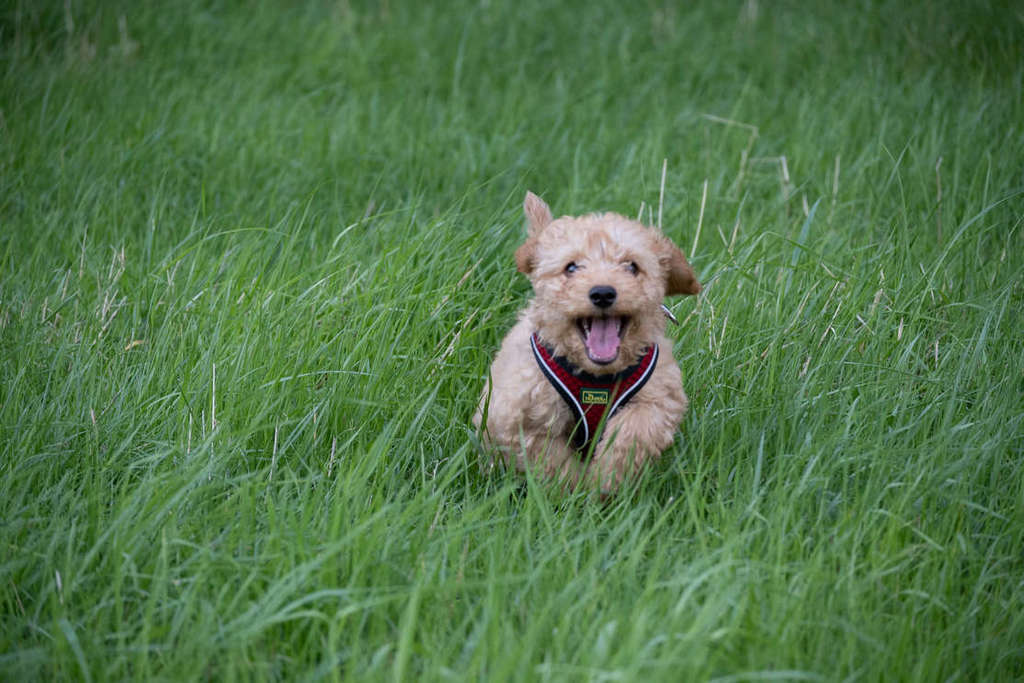
Dogs – or at least their wild ancestors – are creatures who love to live in caves and cave-like places. This environment is simulated in a crate, which is basically a small den for your puppy. Crate training your puppy gives them a place to rest and relax. It’s also a great place for your puppies to sleep in and stay out of your way while you’re busy, and an important tool in training them not to defecate all over your home and wait until you take them outside.
Make sure the crate is the right size for your puppy, or you risk them bumping against it and conjuring themselves. A too-small crate will also make them feel claustrophobic and agitate them more than it will calm them down.
Leash training is one of the most important things to teach a cockapoo so they grow up to be well-behaved dogs. A dog who can’t behave themselves around other animals and humans is a risk to themselves and the people around them, and it can lead to all sorts of problems that are not the best for them, to say the least.
The proper size of leash for a cockapoo is about six feet – any longer or shorter and you might have a hard time controlling them – and the leash needs to be clasped lightly around the neck, with about 2 to 3 inches of space between the neck and the leash so it doesn’t hurt your pet.
You might have expected a list of military-style training exercises for your dog when you read that this article was about increasing their resilience, but really it’s all about staying consistent with the right care for your dogs, and not being lazy in their upbringing.
The healthiest, most resilient dogs are the ones who are properly trained, fed, and groomed.
Grooming your cockapoo can avoid health issues like ticks, infections, eye problems, and ear issues. It’ll also make them get used to it so there aren’t any problems with grooming them later in life.
You need to clean their ears, clip their nails, and trim over their eyes and ears. Luckily, cockapoos rarely ever shed hair, so you won’t be cleaning dog fur from your furniture and won’t need to brush your dog excessively.
The horse is one of the most majestic animals on earth. It has been around for centuries, and not only has it helped us explore our planet and served as a warhorse in times of conflict. The modern world demands less from horses, but they are still very much an integral part of life today.
You may own a horse for riding, companionship, or farming purposes, but in order to make sure it is always in tip-top shape you must take certain precautionary measures. Horses are often used in recreational activities such as riding or racing, and many people keep them at their homes for these purposes. If you are one of the many people who own horses, here are some tips on how to keep them healthy.
Most horses will require routine vet checkups to ensure their continued health, so it is best for horse owners to stay on top of things. Your vet will be able to tell you about the different vaccines and supplements your horse may need as well as what kind of care they should receive. It is very important that horses get checkups every year.
If you cannot bring your horse to the vet, then you can visit them and ask about their best options for getting your horse’s blood drawn or taking a cheek swab. Horses are constantly whining, weighing, playing, kicking at flies, with other horses, chewing on objects, and many other types of behaviors that could cause them to develop a particular type of disease or parasite. By visiting the vet regularly, you can get your horse checked out and treated before anything serious happens. You should also check with your vet for general health advice. If you do not have a regular veterinarian yet, try looking for a specialist in your area.
Horses eat grass and hay on a regular basis, but they can become bored with their diet rather quickly. If you want to make sure they remain healthy, regularly mix up their meals with different kinds of food. Even if you give them haylage, cooked carrots or apples are great treats that taste good and will also clean their teeth to prevent tooth decay. Horses enjoy chewing, so be sure to provide them with horse treats that are safe for them to eat. Some owners buy their horses’ edible gifts for special occasions like birthdays or holidays. Oatmeal is also a good breakfast food, and it can serve as an appetite stimulant if your horse seems lethargic in the morning.
Your vet will be able to recommend the types of vaccines your horse needs. As a general rule, horses should receive a vaccine for the West Nile virus every year. Depending on where you live and what time of year it is, your horse may also require other vaccinations from time to time.
Horses that are used for riding or racing might need additional vaccines as well. Talk to your vet about how often you should vaccinate your horse. Your vet will be able to recommend additional immunizations based on your horse’s circumstances.
It is important for horses to remain active, so they should always have something stimulating to keep them busy. You can spend quality time with your horse and also give them the proper care that they need. Horses are naturally grazing animals, so they can become bored if you don’t provide them with enough of the grass that they eat on a regular basis.
Maintaining your horse’s physical activity is essential, and to achieve this, it’s crucial to establish a consistent routine and exercise your horse daily. You can even consider participating in various events with your horse, but to do so, you’ll need high-quality gear. If you’re looking for customized riding equipment in certain colors, you can get fun gear from vintage bridles to colorful hoof covers and saddle pads, such as blue, yellow, or pink saddle pads by LeMieux Products.
It is important to spend time with your horse too! If you are single, then bring your horse over to your house for some fun activities. Horse riding is also an excellent group activity that you can do with your friends and family. It is a great way to get out of the house once in a while and also spend some time together.
Horses need the proper nutrition in order to grow strong and healthy. If you want your horse to have a long life, then be sure they are eating nutritious food that is designed for them. Horses have different dietary needs than humans do, so their meals should contain the correct balance of nutrients. Talk with your vet about what kind of food you should be feeding your horse. Find out if they need special supplements or some type of custom feed. You can also ask your vet where you should be buying the food that you will be giving to your horse.

While horses are not like cows where they eat everything in their path, they do require grass and hay on a regular basis. Your vet will also know if your horse is currently overweight and what kinds of supplements or other foods you should add to his diet in order to get him back on track.
You should always trim your horse’s hooves on a regular basis. This will ensure that the nails are not too long and it will help prevent injuries, infections, and other problems with their feet. You should also check to see if there are any objects stuck in your horse’s hooves.
If you find rocks, then it may be a good idea to remove them with pliers or other tools that will fit inside their feet. Your vet can recommend the best ways to care for your horse and keep them safe from injuries when they walk on surfaces that are unsteady. Your vet can show you how to properly care for your horse’s hooves so they remain healthy over time.
Some owners forget to deworm their horses, but it’s important to remember that your horse needs these medications in order to stay healthy. You should talk with your vet about when you should deworm your horse and how often. This will depend on the type of worms found in the environment around where you live.
Horses are very sensitive animals, so you should be gentle when giving them deworming medication. You can ask your vet if they have any recommendations about the most effective ways to worm horses. Your vet will also be able to tell you whether or not your horse is currently infested with worms based on their symptoms.
Keeping a horse healthy can be tricky. But, if you take the time to make sure they get plenty of exercises and that their living space is safe from potential hazards like predators or fences that might cause injury, then your horse will thank you with lots of love.
In particular, one trend that everyone has been talking about recently is buying elevated dog feeders. So, the question is, is this another gimmick or are elevated dog feeders really necessary for some canines? Let’s take a closer look at the answer.
When you first think about a dog feeder, you imagine the bowls that you put on the ground for their water and food. But, the recent trend of elevated dog feeders has really taken off. Just as the name suggests, this is a design that elevates dog bowls off the ground. This can be done by a stand and placing bowls into that stand. Alternatively, brands are creating their own unique designs when it comes to elevated dog feeders. Therefore, the design is all about lifting the dog bowls so that they are not on the floor.
A lot of owners question whether raised food bowls are really something that is necessary for their canines. Indeed, they look good and can make a great accessory for your kitchen. But, are there really any advantages to them over ordinary dog bowls? Well, the answer is yes for some dogs.
If you have an older dog, they can suffer from joint pain. Arthritis is a condition that a lot of breeds are prone to and it can cause discomfort and stiffness on a daily basis. Owners want to do their best to help ease symptoms for their furry friend. As Pet Weighter explains, an elevated dog feeder prevents senior dogs from having to bend down and reach their bowl off the ground. This is a movement that can cause pain in the neck and back. Since a raised dog bowl is at their height, this means that they can enjoy a more comfortable eating position. It also helps with drinking water during the day too.
In addition, if your dog suffers from mega oesophagus, you are going to have to make some changes to their eating habits. This is a condition that can mean the oesophagus becomes weak and this means that food and water are not able to move into the stomach normally. This can lead to your furry friend vomiting and feeling ill after eating. This is where a raised dog food bowl is going to be able to help. It can help your canine enjoy a natural eating position whereby gravity is going to help move food and water along. Thus, they are going to eat at a higher level and the food can travel down through the oesophagus to get to the stomach. This might help your dog to avoid the side effects of the condition. Always ensure that you ask your vet about this and other ways you can help your furry friend.
Another reason why owners like a raised dog bowl is because it can keep food and water in one place. Some canines love meal times so much that they rush their food. This can lead to the bowls moving around all over the place and you finding them at the other end of the kitchen. What’s more, it can make a real mess. But, the good thing about elevated dog feeders is that they are often designed from heavier materials. They are constructed to stay in one place. Plus, since they are close to your furry friend’s mouth, they will not have to move around so much to get the food. This means that there is going to be less mess and it will be more difficult for bowls to be knocked over.
Are there any reasons why you should avoid elevated dog feeders? Well, if your dog is at risk from gastric dilatation-volvulus or GDV, you might be better looking for a slow feeder. GDV can happen because your canine is eating too fast or running around too much after mealtimes. While this condition does not affect all breeds, larger ones can be affected by GDV. So, in this case, it may be best to choose a slow feeder as a raised one might not slow them down effectively.
The struggle of coming up with the name of a dog is often followed by lots of discussions and research. Well, what you call your fur baby is just as important as it sounds. Choosing the perfect name for your dog is crucial not only to match their personality but also to make the training easier. Since you’re here, you might’ve already reflected on all the possible names that you could think of, but none of them felt suitable enough.
It’s possible that what first occurred to you doesn’t seem suitable for your canine companion. Therefore, this article will help you shortlist and finally decide on a suitable name for your pet. Additionally, you must keep in mind that it’s better to consider one that can easily be used to call them out. So without further delay, let’s get to it and find out what to name your pet doggo.
Training your dog will require you to command them and therefore, you shouldn’t be mixing its name with the commands. For instance, if you call your dog “Ray”, it might get confused with the command “Stay.” The key here is to think of all the possible commands that you’ll be using for training them and then begin to consider the name.
One of the most important things to consider while naming your dog is its personality. You might think about naming your 1-month old bulldog as Munchkin. However, imagine it being called out by the same moniker when it’s 10 years old. Hence, the dog’s overall personality and development must be taken into consideration.
What you choose can also be dependent on the region or country that the dog lives in. This is with clear consideration of their personality. For instance, if you’re thinking of the various dog names Indian locals provide their furry friends, they might be given something like Sultan or Raja, which means king. Commonly, the names of neighbors’ pets are likely to influence those of a new pet.
It isn’t entirely necessary to name your dog based on their breed or fur texture; even based on their nature. For example, if your dog keeps on running around the entire day, it can be named after a racer like Rossi.
Apart from the above-mentioned do’s and don’ts, there are certain ways in which you can choose the right name. Firstly, since you’ve to call your dog by its name several times a day, it must be easy to pronounce. So, you can go for a name with two syllables and also end with a vowel. If you name your dog Puppuccino, you’ll be required to find a nickname for him, which is most likely to be Puppy, therefore, those appropriate for small dogs like Josie and Buddy are better.
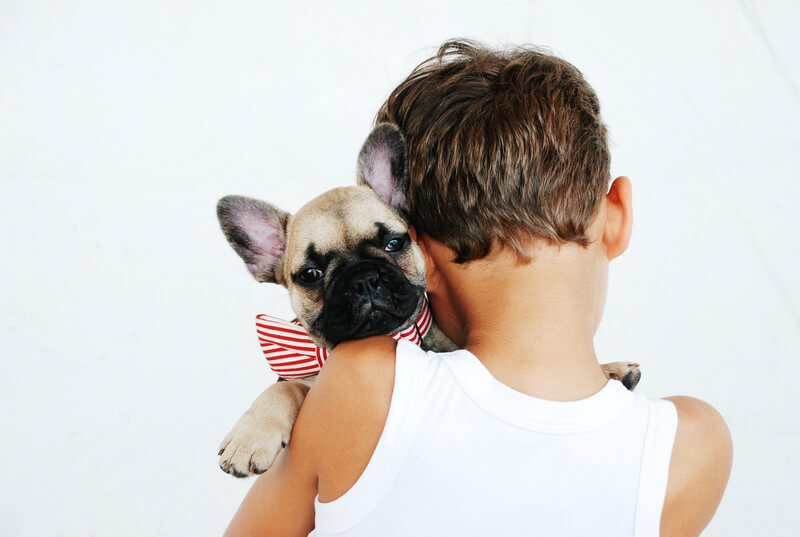
Choosing the right name for your new four-legged companion is difficult but it is worth the effort. To make your dog learn their name, you’ll have to make them used to it from the very beginning. Try not to change the name later too as that may end up confusing your pooch.
Dogs and ferrets have a lot in common. They both need to be walked, they like to chew on things, and they’re both very playful (and sometimes destructive). But what happens when you put the two together? Do dogs and ferrets get along well?
Ferrets and dogs can get along under certain circumstances. Large, docile breeds like Golden Retrievers may do well with ferrets; however, other dogs are more likely to prey on them.
It’s essential for both dogs and ferrets to have an escape route. If they don’t, it will lead to the ferret hiding under the couch or bed, or possibly—if he has no other choice—unleashing his defence mechanism such as a bite.
Apart from having an escape route, your dog should have no problem recognizing the difference between a small animal and one much larger than himself.
What you’ll need to do is let them meet each other on neutral ground first. For at least one week before their meeting, start leaving out toys that are only suitable for during playtime with your ferret.
This will help get the dog accustomed to the ferret’s presence. It is better if you leave out toys with long furry tails because this will help your dog recognize what he’s supposed to do when he sees the actual thing.
When it comes to their first meeting, make sure you are around (preferably on neutral ground) in order to guide them through their introduction process.
For example, if they start getting aggressive towards each other, try picking up one of them and removing him/her from the area for a while before trying again later.
If all goes well during this time (no hissing or growling), feel free to allow your dogs more time together on occasion. Just remember that any fights could mean serious injury or even death for your ferret.
However, if at any time they get too rough with each other, separate them immediately and don’t try to reintroduce them until all of the wounds have healed.

Never leave your dogs alone with your ferrets. Dogs are predators by nature which means that if they see something small enough—and fast enough—they may want to catch it. Ferrets, on the other hand, are very elusive and good at hiding under beds and couches—so it is not always easy for dogs to catch them.
However, if they do get caught, there’s a good chance that the ferret will let out a yelp which will make your dog even more excited about hunting his prey. If your dog actually catches your ferret (which isn’t likely but may happen), he’ll most likely shake him/her violently until he kills his prey or is stopped.
Do not attempt to introduce any cats or rabbits with dogs either; their instincts as predators are solidified in their DNA and no matter how docile they seem outside of their natural environment, there’s really no way of knowing how they’ll behave.
For the most part, you should never leave your dogs alone with your ferrets if they are not familiar with one another. If you need to do something where the animals can’t see each other, then give them enough time to calm down before allowing them to play together again.
If there is ever any sign that something may be wrong—such as hissing or growling—then separate them immediately.
In some circumstances, it might actually be okay for them to have supervised playtime while you watch closely so long as all parties involved remain relaxed and playful throughout. There’s nothing wrong with giving a dog a chance to get used to a new friend—just make sure everyone comes out of it happy.
Ferrets are not naturally aggressive to other pets, but they can be defensive if they’re being attacked for example. Ferrets have a lot of strength in their jaws which makes it difficult for them to let go when biting something—even if that something is part of their owner’s body!
If the ferret feels threatened while playing with another animal he may lash out instinctively, so make sure you supervise playtime to prevent this from happening.
Give your ferrets plenty of toys and safe things to do while supervised (chewsticks work well), and leave out some toys that are only suitable for during playtime. This way, your dog will get used to the idea that the ferret is around even when you can’t see them.
It’s also a good idea to teach your dog what toys are ferret toys when you’re around and which ones are not to be messed with. This will make distance between ferret and dog toys much clearer to your pet.
Although they are not the best choice for pets, dogs are capable of getting along with ferrets if introduced to one another correctly.
However, you need to know what you’re doing in order to determine which interactions between them are okay and which ones aren’t safe for either animal involved. Hope this helped! 🙂
Only allow supervised playtime for dogs and ferrets!