 Emma Thompson
Author Archives: Emma Thompson
Hi, I'm Emma Thompson. Welcome to The Pet Town! I'm a Pet lovers like you and please feel free to get in touch with any questions. Enjoy your stay!
 Emma Thompson
Author Archives: Emma Thompson
Hi, I'm Emma Thompson. Welcome to The Pet Town! I'm a Pet lovers like you and please feel free to get in touch with any questions. Enjoy your stay!
Has your cat's water intake pattern changed? Does it worry you that he hasn't had a drink today? With a cat's body estimated to contain 80% water, constant monitoring should be carried out to ensure your cat is drinking enough.
Contrary to common belief, even though you hardly catch him taking a drink, he is just as vulnerable to effects of dehydration as the rest of us. Ranked second , most essential life sustaining nutrient, water loss in your pet's body needs to be managed.
As finicky as cats are in regards to water intake, it can not be emphasized enough how important water is to a cats diet. On absorption, water serves a number of important functions in your pet's body. Some of these functions include:
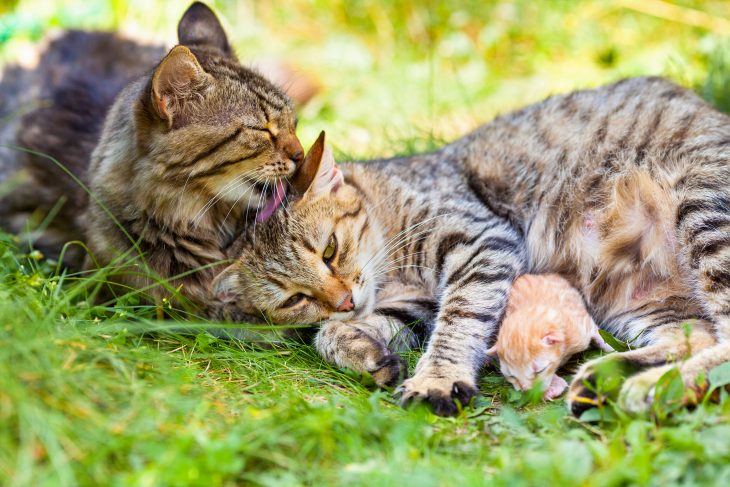
It is important that your has a balanced diet. Meals consumed provide your pet with a constant supply of nutrients and energy. These nutrients are carried throughout your cat's body by blood. Adequate oxygen is also transported to vital body organs via blood cells.
Equally significant is the removal of waste from the body. Nitrogen and other toxic elements are commonly excreted in form of urine. All this requires your pet to have enough blood. The main constituent of blood is water. As such, sufficient water must be added to your cat's diet.
Cats are resilient in managing extreme temperatures. With a normal temperature range of 100.5 to 102.5 degrees, your pet is more tolerant to high temperatures than you. However, when temperatures go too high, it is more likely that dehydration will set in.
Other than finding a cool spot and reducing activity, cats will seek water to drink. Additionally, cats, like us, need water to produce sweat. Unlike us however, they do not sweat through all their skin pores. Instead, they sweat through their paws and noses.
As the sweat evaporates from these surfaces, some of the heat dissipates, making sweat an essential part of temperature regulation.

Starting with addition of saliva in the mouth, to breakdown of food by acids, water plays an essential part in formation of these bodily liquids. A well hydrated cat is further capable of secreting mucous in its stomach in preparation of food breakdown.
The mucous layer formed helps protect the cat's stomach lining from effects of acid as food is digested. Without this protection, a gastroduodenal (stomach) or duodenum (small intestine) ulcer would begin to form.
Also, water ensures that stomach acid is at the correct pH level. If your cat experiences dehydration, its body would not be able to produce enough acid to break down food. This in turn deters passage of food to the small intestine, leading to abdominal discomfort.
In the small intestine, digestive bacteria are also unable to digest food properly as pancreatic enzymes and bile are not released to usable levels. This results to inefficient absorption of nutrients.
Other than roles discussed above, moisturizing of body organs, moisturizing joints, improving metabolism, among others too many to enumerate, are additional functions of water. It is therefore clear that water serves as a cornerstone nutrient for a fully functioning body.

Not all cats have the same requirements for water intake. Each cat is treated differently based on a number of factors. These include:
In comparison, diseased cats can go longer or shorter durations without water than their healthy counterparts. Depending on illness, a cat's drinking habits would have a noticeable change. Cats that acquire diabetes, kidney or urinary tract infections, will require a drink of water more frequently.
On the other hand, those that acquire liver or respiratory diseases would drink less amounts than before. Even when not ailing from diseases, factor such as pregnancy or nursing, may induce stress on your pet. Stressed pets go longer without water.
As cats age, there is a reduction in body mass. This implies that less water is required for an older cat.
However, breeds that retain a greater mass even with advancement of age, would have greater water needs.In relation to age, activity also determines your cat's drinking requirements.
Younger, more active cats require water more often and in greater quantities than older, torpid pets.

Dry air and temperature changes, alter your pet's drinking frquency. Temperatures of between 50-60 degrees hardly alter drinking patterns.
On increasing, more water would be required for efficient functioning of the pet's body. Intrestingly, low temperatures also increase water intake demands, so as to warm up.
Cats that rely on raw or unprocessed meals, require the least amount of water when compared to those that eat canned or dry foods. Pets feeding on dry foods would be the most affected. They may require up to 10 times more water.
Foraging cats may not drink as much. From what they catch, they are able to meet their daily hydration needs. It is still important however to provide water nonetheless.
Consequences of inadequate water in a cat's diet can be lethal. As a pet owner, you should always be on the lookout for symptoms such as, but not limited to:

If however, your pet's water intake is on the increase, that could be a tell tale sign of some other underling condition. Although increased water intake is not the only symptom associated with the diseases below, excessive thirst is a strong indicator for:
Older cats are more prone to getting diabetes. Characterized by frequent urination, a diabetic cat will require more water intake. As sugar increases in a diabetic cat's blood stream, it overflows into its urine, causing it to urinate more.
When kidneys fail, your cat will pass urine more and therefore require water just as frequently.
Accompanied by symptoms such as increased appetite and hair loss, increased water intake may also point to hyperthyroidism. This is a condition where thyroid glands release thyroid at an excessive rate.
Many dogs have a tendency to eat a lot of peculiar things that, for the most of us, have neither rhyme nor reason. However peculiar your dog's eating propensities might be, remember this is moderately ordinary conduct, especially for puppies. Be it an ordinary act or not, chewing rocks (or other non-foodies things) can be risky if ingested, can cause indigestion or bloat in the stomach. This implies that finding the root cause is a necessity to any dog owner.
To begin with, chewing rocks is unsafe to a dog's mouth and teeth. Sharp edges can cut fragile gums and tongues, and crunching down can break teeth.
Moreover, chewing rocks can prompt retching, looseness of the bowels, intestinal blockage, and notwithstanding stifling if the rock is too extensive for the dog's throat.
As basic as rock chewing may be, it can be because of different reasons going from medical to just fun. Here we take a look at some of the reasons generally, read on to get knowledgeable.

Chewing rocks is one route for a scorned pooch to get take note. For this situation, your dog might be carrying on of tension, frustration, or insignificant weariness.
If your dog is desolate and feels ignored and disregarded, he may begin chewing and gulping improper things as a method of getting you to just notice him.
Whether you surge over to him with concern or immovably say "no" to him as you look at him straight without flinching, his pica may simply be a sob for help - and camaraderie

It's additionally conceivable that a dog eats rocks because of a hidden medical condition. These can incorporate intestinal tract disorders, healthful lack, diabetes, or other diseases.
It is indispensable to preclude any medical cause by visiting your vet if preceded with endeavors to stop this conduct is unsuccessful.
Some trust that dogs eat rocks out kind of mineral inadequacy, for example, an absence of iron. So to compensate for it, your dog goes straight to the source to attempt and offset its own framework.
It's stunning what dogs know even without a solitary day of science class. An underhanded little dog may likewise swing to eating rocks out of fatigue. If your dog is exhausted, then it's dependent upon you to change that unpalatable reality for him.
Whether you play bring with him all the more frequently, take him on broadened strolls around the recreation center consistently or get some energizing and intelligent new ball toys for him, keep your pooch's psyche and body moving.

Frustration and stress can likewise urge a dog to carry on in habitual ways. If you keep your pup secured up a little case throughout the day while you're grinding away, he may let his repressed frustration out by eating rocks while he really is wandering aimlessly in your yard.
If your dog has a wellspring of significant stress in his life, he likewise may swing to pica. Maybe another greater household dog is tormenting him, and he's at lost what to do. Tension is a noteworthy wellspring of impulsive and odd practices in creatures.
This is a psychological wellness issue that causes people or creatures to impulsively eat non-nourishment things. Homeopathy, pressure point massage, needle therapy, and herbs have helped a few dogs who experience the ill effects of pica. Your vet should analyze this issue and can give you tips on managing it
This is a genuine ailment and dogs can kick the bucket from it if it's not treated. It may be bloat if your dog's stomach is hard and tight. Go to the vet quickly.

It could have a disorder of the intestinal tract. A vet can look at to discover if this is the situation
One of the reasons why your dog might be chewing rocks is that it might be having diabetes mellitus. This can likewise be tried for at the vet.
They may be smelling or tasting great. Perhaps the chewing sensation is exceptionally pleasant. I've had two puppies that ate both. It seems truly imbecilic and a few trees are harmful.
I stroll over rapidly and "exchange" them the thing for a treat. That appears to work the best. I don't need the cost of an entrails impediment from the vet.
They want to chew wood. Their teeth sink appropriate in. Now and again it's fun; here and there it encourages them to quiet down

Chewing rocks might be simply quite recently your pooch's approach to vent his chewing needs. If you speculate this is the situation, attempt the accompanying strides to check his rock propensity:
1. Limit his entrance to the rocks. Here and there it's quite recently difficult to stay away from rocks altogether, but endeavor to direct your dog when they're around.
2. When you discover your dog eating rocks, divert him from the rocks and divert his attention to something safe or fun, such as playing bring or chewing a protected toy.
3. Check your own particular timetable. Is your dog taken off alone a great part of the time? Maybe, you should simply to invest more energy with him.
4. Keep several chew toys close by, and keep changing them frequently to keep him intrigued.
If rock chewing is because of a medical issue rather than behavioral, your veterinarian will have the capacity to make an analysis and make a treatment design. While basic medical issues are dealt with, the rock chewing should end alone.
To take care of this issue ensure that you're encouraging your pup great dog sustenance that has a lot of supplements and vitamins to keep him or her up and running. If you find that your dog is just exhausted, get her a toy now and again to help keep her occupied.
If your dog keeps on eating rocks or soil, contact your neighborhood vet and have him or her to investigate your dog to set it back on track. Hope this article was helpful to you
Many people reach a time in their lives when they decide to have a pet. Cats belong to a group of animals that we humans have a very love and hate relationship with. It's either because of allergies, a bad experience or simply because cats are so independent.
Kittens are cute, but they require a lot of attention, so your next logical question is how long do cats grow? When can you consider your kitten a fully grown cat and what will change when you reach that point? Here are a couple of things you should know about your fluffy companion.
The easy answer is - cats stop growing when they have fully matured. That means their bones will not grow any further and their sexual maturity begins as well. Usually, it happens when your cat is 8 months to a year old.
Sexual maturity in felines begins at around 8-month mark and continues for a couple of months after that. It is important to take care of their diet during their growing stage so they mature normally.

You should read about your cat's breed since every breed is different. However, all growing cats need more calories in their diet than their grown-up counterparts.
If your kitty seems to be a late bloomer, you might want to increase his calorie intake a little bit more, but be aware that you don't want him to become too fluffy around the edges since obesity created health risks. Same as in humans. So if you think your cat is not growing as he should - see a vet.
If you feed your feline 3/4 cup of dry food it should be enough if you are consistent with 3 feedings a day.

Cats are grazing animals, so even if your cat doesn't eat everything at once, don't worry. He might come back later and finish the meal.
When you hit six-month mark, move on to feeding him twice a day. Free feeding is quite convenient, but unless it's something that's left over from the meal, don't overdo it. It is another thing that can lead to obesity. That will require you to take some serious diet measures and it just creates a hassle.
When your cat turns one year old you can safely move from kitten food to adult cat food without looking back. Watch what kind of habits he has and if they need adjusting - now is the time.
Animals like routine and if you get your cat used to certain feeding times, he will come and ask for food, but you can adjust it and your pet will adjust with you.
However, if you have a larger cat breed, your cat will not be considered a full adult until he turns at least two. Their maturity happens later and sometimes can even only be complete between the ages of two and four so if you are not sure about it - see your vet and get a consultation about the best plan of action.

As cats mature they calm down and even though they still play, their social behavior is calmer. It depends on your cat’s breed and personality so there are no set guarantees what kind of cat you will have. It's possible that spayed cats could have the kitten-like lifestyle for longer. They also will love the attention and affection longer if not into old age.
Many people choose to spay or neuter their cats to prevent pregnancy. Many people are concerned about their male cats spraying to mark their territory. It is also possible that if you spay or neuter your cat early enough, it will prevent spraying. However, it has to be done before your kitty turns six months old.
Cats sleep a lot. Especially when they get older. It is important, however, to play with your cat. It will create positive tendencies and strengthen the bond you have. While your cat is growing, he or she will easily become bored and that can cause them to attack furniture and curtains, so playtime is very important.

It will entertain them (and yourself) and wear them out so they can essentially go to sleep and continue growing. Playtime is also an essential for exercising your cat. Don’t do it straight after meals, but let the food settle down before you get out the string and the ball.
If you adopt a kitten from a shelter, he or she will have all the necessary vaccinations, but you should have the cat checked out anyway. Register with a vet so you know where to turn if something goes wrong.
Also, ask the shelter about the circumstances of the kitten, since many adopted cats will need to be socialized before they are ready to meet other people.
Look into behavior training as well. Most cats are litter box trained, but it depends on their start in life. Most shelters will make sure that your kitten knows what and where their litter box is.
If you adopt a grown up cat and if you have children or other pets, make sure that the cat will be all right sharing the house and the attention. Even though cats are pretty independent animals, some still crave and love attention and affection. If they have to share that with another cat, a baby or a dog, they might not be very keen and develop bad or aggressive habits.
As a long time dog owner, I have over the years closely witnessed and understood how important dietary regime is for the overall health and well being of our beloved pets. I have struggled with both overweight and underweight dogs and strove to find the ideal dietary regimen that would help our dogs attain a healthy musculature and weight.
As a matter of fact, one of our current dogs was worryingly underweight for the first two years despite all our efforts. In the end, it became blindingly obvious to us that feeding indiscriminately was simply not going to get our dogs reach a healthy weight. The diet also has to be balanced.
But over and above the dietary considerations, I understood that there are other extraneous factors that need to be taken into account such as physical activity, the environment, adequate sleep etc to ensure your pet stays in peak health and fitness.
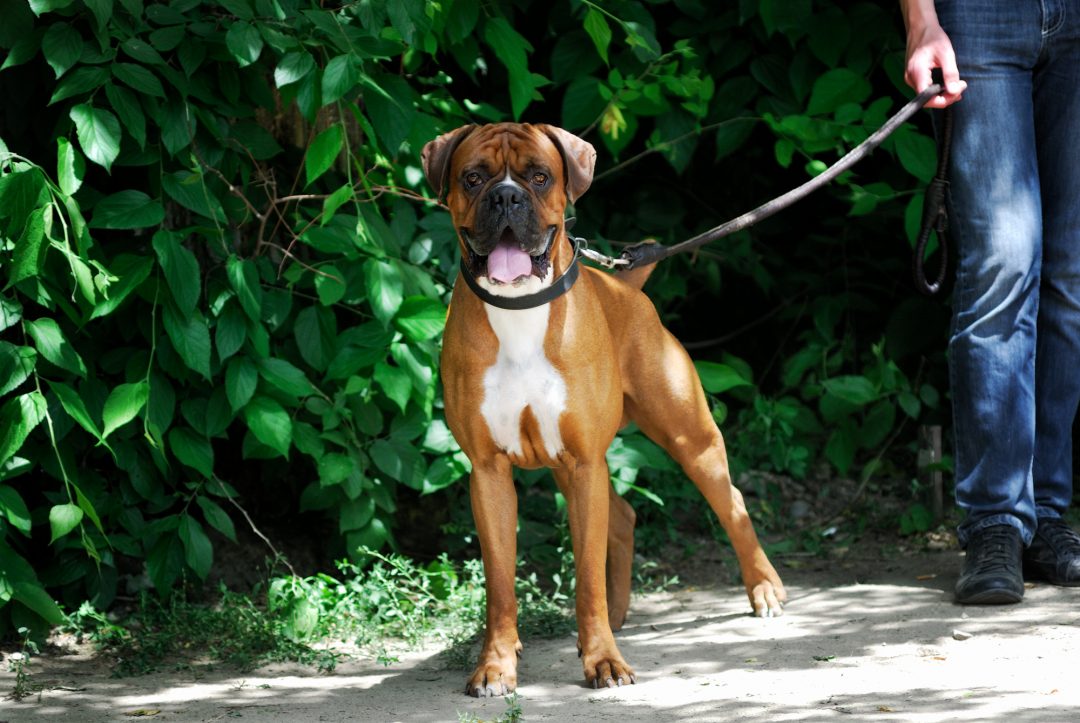
On the other hand, I also see so many first-time dog owners worrying about their underweight dog. In this tutorial, therefore, I have tried to squeeze the lessons I have learned over the years on how to fatten up a dog. Read on!
This tutorial is meant for all dog owners who are struggling with emaciated pets. This tutorial requires no fancy or expensive foods and kibble beyond what is normally available in our households and pet stores. However, in order to accomplish the weight gain goals, the tutorial would expect the following two qualities from you as a dog owner:
1) Adequate time: Your underweight pet needs you to take sufficient time from your schedule and see to it that he gets enough exercise and sleep.
2) Patience: There are a number of reasons for your dog is underweight, not all of it attributable to diet. You need to show patience and understand what precisely is bothering the pet. Over time, you would need to experiment so that you have a good idea of what kind of food is appetizing for your dog. In addition, you may also have to experiment with feeding schedules.
Unlike humans, dogs are not capable of clearly communicating their needs and wants. As pet owners, therefore, it is incumbent upon us to make sure we look out for signs of illness in our pets. A sudden loss of appetite in your dog, and the accompanying loss of weight is probably one of the clearest signal that all is not well with your dog.
You may also like: dog feeders for your dog.
The best course of action is such cases is to make a trip to the vet and have the pet thoroughly looked after. In a large number of cases, bringing your pet back to health by administering medicines can bring back his lost appetite.
Typically, pet owners stick to a routine feeding schedule. However, if you are struggling with an underweight pooch, it is time to tinker with that schedule. Instead of one or two meals a day, try splitting it into multiple smaller meals every few hours.
Splitting the meal into smaller portions helps in two distinct ways. Firstly, your dog would get his nutrients and energy at regular intervals, keeping him energetic through the day. Secondly, the dog would normally clean up with the whole meal with no leftovers.
The basic concept of metabolism is the same as both humans and dogs. In other words, if your dog is expending more calories than he is receiving then it's natural that he would lose weight over time. In such cases, you should check the nutritional profile of the pet food you buy, and calculate if the amount of food offered to the pet provides him with enough calories.
As a rule of thumb, you should check if the store bought pet food offers a balanced diet to your dog with adequate proteins and fats. It is a sad fact that many pet foods in the market use low-grade ingredients making them unsuitable for ideal growth of your dogs. As a dog owner, be diligent and ensure your dog gets sufficient amounts of high-quality protein.
Instead of mindlessly offering random store bought treats to your dog, it's time to get creative and offer him wholesome treats. For example, peanut butter is not only an excellent source of protein but also something that dogs enjoy a lot.
Scooping up a spoonful of peanut butter would ensure plenty of nutrition besides tickling the appetite of your dog in the right way. Even better, smear a spoonful of peanut butter of a piece of vegetable like a carrot to make for a wholesome and healthy treat.
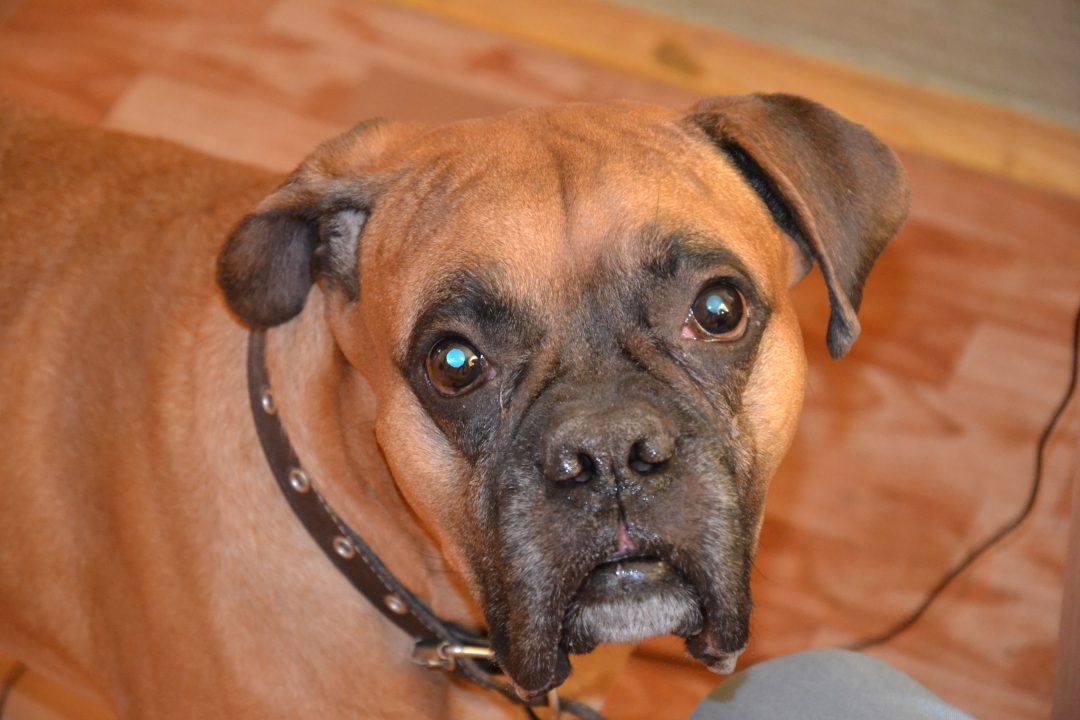
Lack of proper exercise is one of the biggest factors in making a dog slow, unresponsive, unhealthy, and underweight. Without adequate exercise, the metabolism rate and energy levels of your dog experience a sharp decline. Over a period of time, this results in muscle loss, a host of illnesses, lack of appetite, and, of course, loss of weight.
Make sure that your dog gets enough time to play and run and expend the excess energy throughout the day. Daily exercise means that your dog maintains a healthy appetite and enjoys his balanced diet.
Many times, especially during or after a bout of illness, your dog would experience a lack of appetite and wouldn't eat whatever you present before him. In such cases, as an owner, I learned that it's best to show a lot of patience with the dog and never get angry. Losing your temper with your dog stresses your pet causing him to lose appetite even more. In such cases, gently encourage your dog and praise him.
I hope that the above tutorial would be of some help to all those pet owners worried and struggling with their underweight pets. The most important thing I learned over the years was that dogs have their personality, and you really have to spend time with them to understand their likes in terms of treats and feeding preferences etc.
Knowing your dog is also important as you can then read signs of illness and stress, and have them immediately looked after by a vet. The list of steps I have written above helped me not only get my underweight dog to optimal health but also ensure I do not experience it with my other dogs. If you have additional suggestions then do let me know via the comments section below.
Have you ever had a cat that allowed you to love it? Did you love it so much that you (or your loved ones) had to go through great pains to keep it happy and healthy? Did that entail painstakingly cuddle wrestling your feisty feline just to squirt a syringe of fluid down its throat before it sank sharp claws further into your arm? And did you remember to apologize to your cat for putting it in the position to use its claws in the first place?
Yes. I have been there, too.
Without a proper guide on how to syringe feed your cat, it is no easy task. But you’re in luck because my cat has trained me well. Open wide!
Read More: Check this article to learn more about best cat clippers for matted fur, click here to continue.

Thanks for modeling syringe feeding for us, Buddha!
Cats are syringe fed all the time. There’s no need to reinvent the wheel. Having an animal professional like the one in this video explain and demonstrate the process will help you to mentally prepare.
Make sure that your cat’s food is room temperature and is the correct consistency. Kittens will need a more liquid substance than an adult cat will, but growing cats may benefit from a mix of the two. Again, clear your food choice with a vet. Some sick cats may be made sicker by certain foods.
I found it helpful to use a small syringe. Although it was not able to hold as much food, I had better control over it and was better able to maneuver the syringe into my grumpy cat’s mouth.
The food can be loaded into the syringe in two different ways.
The first way is to fully close the syringe, place the tip into the liquidy food, and then suck it up by pulling back the plunger.
The second way is for food that is more solid. Simply remove the back plunger and use a small butter knife to lift up the food and slide it into the back end. It will be quite messy!
Now it’s time for the fun part of syringe feeding!
Here you may need a safety partner.
If your cat is calm or small and manageable, you may be able to do this job yourself.
Get on the same level with your hungry cat. Use the warm, dry towel to wrap around your cat like a bib. With your catbaby almost tucked under the pit of your non-dominant arm, use the hand from that arm to calmly but firmly grasp the cat’s head from behind. With the head tilted slightly back, your cat is ready for feeding.
In my experience, I’ve found it helpful for the person who is calmest and most bonded with the cat to be the one to hold him. For this syringe feeding, you and your cat will both be safer by using the towel to form a kitty burrito. The towel should come around the neck like a bib, but it should also drape over Kitty’s front paws. Here, the holder of the burrito will use both hands to clutch the cat’s front paws. Once kitty is safely restrained, feeding can begin.
Aim the syringe to the side or back corner of the cat’s mouth. The kitty may object to this because it is weird and intrusive, so dispense the food slowly. After you’ve given a small amount, remove the syringe from the cat’s mouth to give him time to realize he must swallow the food.
If your cat doesn’t want to swallow a, you may have to use your hand to keep the mouth shut. It’s important for the health of your kitty to get those calories in there.
You are sure to make a mess, so keep extra paper towels around to clean up as you go.
These steps must be repeated throughout the day so that your cat gets the nutrients she needs, but doesn’t end up with a belly ache from eating too much.
The realest piece of advice I have for you as you embark on this journey of having to syringe feed your cat, just make sure that you are genuinely calm when handling him. He can sense your stress and he will become stressed, too. Give him a head start on successful recovery by keeping a steady and positive attitude.
Did you find the tips in this tutorial helpful for learning to syringe feed your cat? I wish I had taken the steps in this guide before learning it the hard way, but I am happy to share it with you. If you think this guide is helpful for cat owner or cat caretakers, please take a moment to share it with your friends. If you feel I have left something out, please let me know! Also, I would love learning about the quirks of your own cats. Please share a story or other feedback in the comments!