 Lisa Thompson
Author Archives: Lisa Thompson
 Lisa Thompson
Author Archives: Lisa Thompson
Diarrhea and gastrointestinal (GI) problems are quite common but that doesn’t mean these conditions are normal. How long can a cat live with chronic diarrhea is a serious issue that should be dealt with by a proper medical professional. Only a vet can tell you what the right and safe form of treatment is.
But then noticing diarrhea in cats, especially during the initial stages, is not all that obvious or easy. After all, cats are extremely particular about grooming, which is why those evidential signs might get missed. Hence, all the more reason to keep visits to the vet clinic more frequent.
Diarrhea may be a common case but some of its aspects can be very alarming. And the same can be said about the consequences.
Chronic diarrhea in cats can be characterized as continuing for 2-3 weeks or longer.

Diarrhea is a condition that can be either chronic (lasts for 2-3 weeks or longer) or acute (lasts for a short period of time only). So the potential causes of diarrhea in felines differ.
Possible Causes of Acute Diarrhea
Possible Causes of Chronic Diarrhea
Needless to say, talking to a vet is better in terms of figuring out what caused it and also how to treat both the underlying medical problem and diarrhea associated with it.
Please keep in mind that because of chronic diarrhea, your cat’s life can be in danger. And when this particular condition is treatment-resistant, it could mean that multiple treatment strategies need to be adopted for the complete cure or elimination of diarrhea.
Bloody or Red Diarrhea In Cats
Blood in your cat’s stools is never normal. It’s a cause for concern indeed, which ought to be checked by a vet immediately. Be it dark red color or even black discoloration, when the feces look like this, it usually is indicative of blood digestion as a result of the bleeding of the upper gastrointestinal tract.
And if the stools are bright red in color or just coated with a little bit of bright red blood, then the lower GI tract is bleeding.
Mucus-covered feces, on the other hand, are often a symptom of a parasitic infection or plain dehydration.
Green or Yellow Diarrhea In Cats
The discoloration of cat stools is sometimes caused due to the ingestion of something green-colored, such as grass. More often than not, greenish feces are not suggestive of any serious medical concerns. Although there are a few cases where green feces in cats have turned out to be a manifestation of gallbladder disease.
And what about stools that are yellow in color? This could be more serious as yellow feces are associated with liver diseases, immune system problems like hemolytic anemia, zinc poisoning, or excessive growth of some bacterial pathogens.
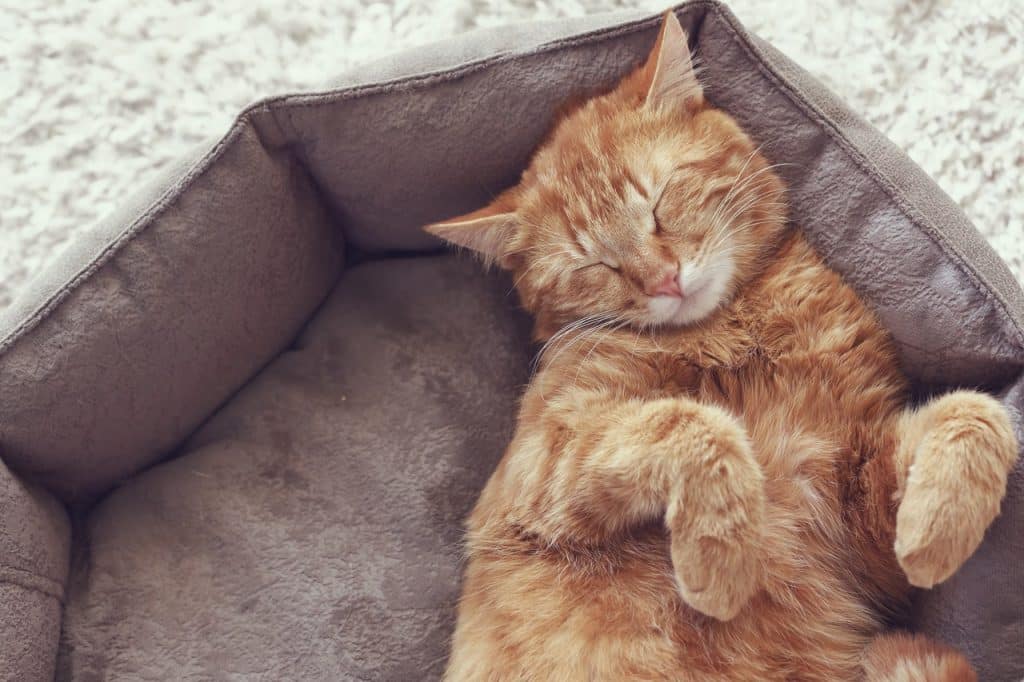
The most obvious sign with a properly trained cat who has diarrhea is he/she dropping stools around the house, stools that are almost fluid-like. But then if your cat uses the litter box to answer nature calls, those feces are likely to get covered up. Or the cat might do his/her toilet business outdoors. In that case, noticing diarrhea becomes a little tricky.
So check your cat for any stains. Soiling the fur under the tail area i.e. around the back end is also common, especially if it’s a longhaired breed. Just also bear in mind that a little bit of difference in stool consistency is normal in cats, but just some variation and not a lot.
Let’s say you happen you change your cat’s diet, which often gives rise to changes in the consistency of the poo. Although these changes are only supposed to be temporary. But if the semi-liquid consistency persists for longer, over 2 days, then speak to the vet regarding what might be causing it and what to do about it.
And if you have more pet cats at home, please check if all of them have diarrhea at the same time.
This means controlling underlying medical conditions like hyperthyroidism, food allergies, IBS (irritable bowel syndrome), or pancreatitis. Only a vet can provide appropriate medications for the same, along with prescription diets and the like. So this could be an effective cat diarrhea remedy or method of prevention.
Avoid making sudden changes in your cat’s diet. And also avoid feeding your feline, an animal, human foods (as this leads to acute diarrhea in some cases).
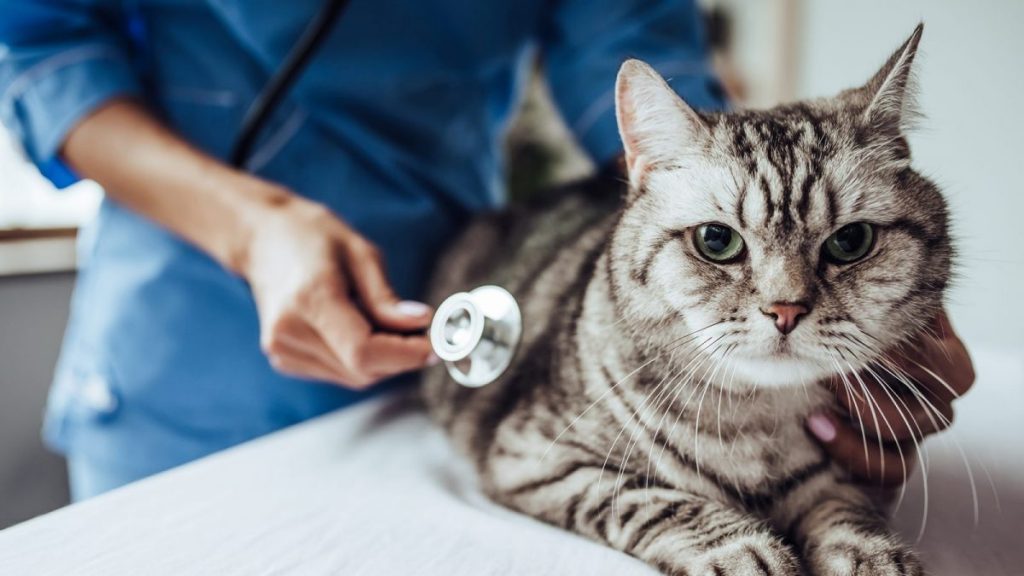
First of all, seek the advice of a medical professional i.e. veterinarian for the proper, safe treatment of diarrhea or any other illness in your cat. Whether the poop is bloody, yellow, green, mucus-coated, or anything unusual like this, don’t wait to contact the vet. The same applies to when the diarrhea is acute or chronic.
Getting in touch with your vet or simply just going to the vet’s clinic with your cat as soon as possible makes way for diagnosing the causes immediately and beginning the appropriate treatment.
The most effective cat diarrhea remedy at home, this includes chronic diarrhea in cats at home remedy, is increasing fiber consumption. Once again, ask the vet if this is okay and how much fiber intake to increase. Or if you should be administering fiber supplements or cat-specific OTC fiber products to boost dietary fiber too.
Another option that works against diarrhea is cat-specific probiotics.
A little loose stool once in a while is not a problem with adult cats provided your little creature is acting normal and feeling fine. In this case, waiting for 2-3 days for acute diarrhea to go away on its own is pretty reasonable.
But if diarrhea doesn’t seem to budge, meaning if it stays on for longer than 2-3 days plus is accompanied by other problems like lethargy, lack of appetite, or vomiting, go to the vet right away. It could also be possible that your pet may have ingested toxic, poisonous, or foreign ingredients/objects. Whatever the case, seek professional medical assistance soon.
If you own a dog, you know ensuring that they’re well-fed can be challenging, especially if you live on a strict budget. Dog food comes in many varieties; choosing one that is right for your pet can be difficult. Additionally, buying bulk dog food is not only time-consuming and costly, but it is also tedious.
You can help your pet by signing up for a pet food subscription service! You can choose from various brands and types of food, and they will deliver it right to your door. There is no doubt that having a pet food subscription service is a dream come true for busy pet parents.
Nothing is better than knowing that your furry family member receives the best care. Choosing a cat or dog food subscription benefits pets and their families. Let’s take a closer look at a few of the reasons a food subscription makes sense for your pet.
Pet parents with busy schedules will appreciate the convenience of a food subscription. Rather than fighting traffic to shop at the pet store during rush hour at the end of your day, you can have your pet’s food delivered right to your door. As a result, you will have more time to spend with your family and pets, making life more enjoyable.
There are many pet food subscription services that offer free delivery of their products to their customers. Your pet food will be delivered straight to your home without having to pay for delivery charges from a retailer. Free delivery also means you won’t have to wrestle heavy food bags out of your vehicle and into the house. A delivery service can be a lifesaver for older pet owners or those with mobility limitations.

Pet food retailers commonly increase the price of their products to cover their overhead costs. A pet owner on a budget may find this expense unmanageable over time. As with buying in bulk, you can save up to 30% off your feed costs with a pet food subscription. This can mean significant monthly savings for pet owners wanting premium or specialty food products.
Depending on your location, you may not be able to find the type of food that your pet prefers at your local market, so it is necessary to shop around. As a pet owner, you can choose from various food options, sizes, flavors, and brands by enrolling in a pet food subscription service. Whether you have a hamster that likes a specific type of food
Customers who sign up for a pet food subscription often can participate in reward programs. Once you sign up with a program, you will be eligible for increased savings on your orders, special offers, and pet-related gifts. They also may offer rewards and special savings if you refer your friends and family to their service.
For pet parents, the health and happiness of their furry family members are always a priority. To help make your life easier and your pet content, consider why a food subscription makes sense for your pet.
Dog grooming is important to keep the pet clean, comfortable, and healthy. When your dog is properly groomed, it feels better, improving its mood. It also prevents ticks and fleas, thus avoiding problems they may cause. Moreover, a clean pet smells good, making it easier to keep your home smelling good. One of the common problems of pet owners is the odor that lingers in their homes from their dogs.
Regular visits to a professional pet groomer are vital to achieving these benefits. However, it’s also nice to learn how to properly groom your dog at home to keep it in good condition between your visits to the groomer. Here are tips on how to do that.
Dogs don’t need frequent bathing as it could dry their skin and make them more sensitive by stripping their coat’s natural oil. You can bathe them every couple of months unless your pet gets too dirty or smelly after rolling into something unpleasant. Use warm water to bathe your dog. Since their skin has a different PH level, use a gentle shampoo for dogs and never one for humans. If your pet is a Schnauzer, check out the list of the best shampoo for Schnauzers to know your options. Once done, dry it with a towel. If the weather is nice, let it air dry outside. If using an air dryer, you need to be extra cautious since high heat could hurt and scare your pet. Choose a cool or neutral setting, and keep the nozzle away from its fur.
Cleaning a dog’s ears is recommended once a month or every couple of weeks if it produces more wax. Use gauze, clean cloth, or cotton balls to clean the ears’ flaps and folds. Never use Q-tips, as they could hurt the eardrums. Also, beware of the signs of ear infections, and if you notice any of them, visit your vet immediately for a proper check-up and diagnosis. These signs include:
Nail clippers for dogs are available in different sizes, so get one that works for your pet’s size. Nail cutting is usually done every four to six weeks, depending on how quickly the nails grow. You’ll know it’s time to cut the nails if they touch the floor when your dog stands. However, if you are not confident about doing this, it’s best to leave it to the professionals, as it could hurt your dog.
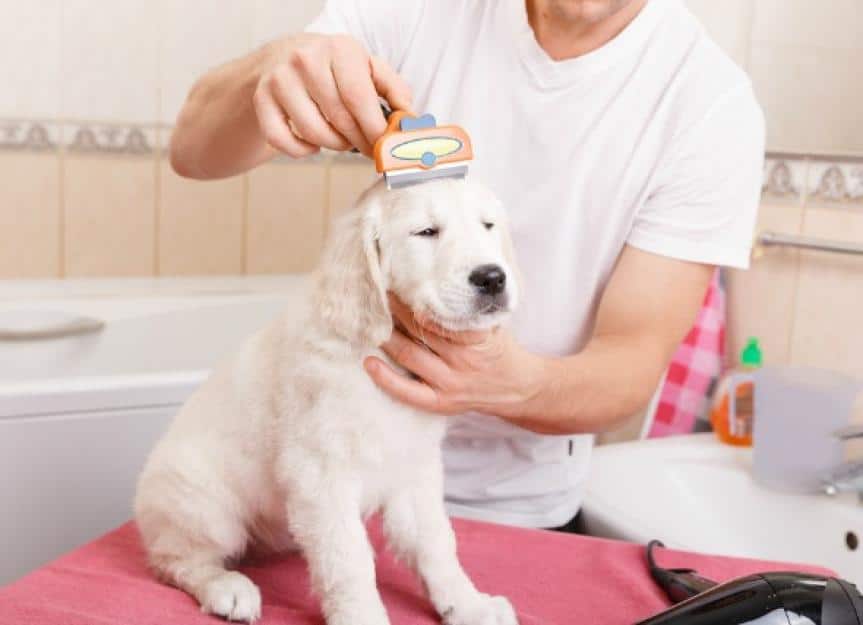
Brushing the dog’s hair is important regardless of breed, although those with more hair require more frequent brushing. Doing this will prevent hair from getting tangled, which could be painful for your pet. It also removes dirt, so you can bathe it less frequently.
Your pet may not feel comfortable with grooming, so you need patience and time to complete these tasks.
Invertebrates are tiny animals without a spine. They are the most extensive and varied group of animals in the world. Their size allows them to occupy significant habitats like deserts, rainforests, small gardens, and backyards in towns and villages, thus making them ideal as pet vertebrates for smaller homes.
A critical characteristic of invertebrates is that they are all around us since the planet is full of them. They come in all shapes and sizes, and even colors. Some of them, like butterflies, land hoppers, and spiders, have beautiful colors which make them attractive and qualify them as pet invertebrates for small homes.
It is a known fact that some people get relief from stress and cheer up when they watch spiders, millipedes, and even centipedes crawling on their bodies or in spaces in their homes. Some enjoy watching bees or butterflies making their rounds in their flower gardens as they feel like they have a comforting companion.
Apart from the aesthetic value of pet invertebrates for small homes, invertebrates are essential for biological diversity and the environment. They provide many services that are fundamental for human survival. Read on to discover some of these benefits.
More than 2000 types of invertebrates are a food resource for humans. Further, soil animals are a source of protein in human nutrition for indigenous populations in many regions of the universe. They have high nutritional value and form an essential food supply for macroinvertebrates that live in water. Additionally, invertebrates are a vital source of food for birds and animals.
Honey Bees, wasps, butterflies, and a multitude of additional pollinate insects change flowers into nourishment in the form of fruits, nuts, and seeds for human beings and other animals. These invertebrates visit the blossoms and transfer pollen grains from one plant to another. By doing so, they not only facilitate fertilization in plants enabling them to reproduce but also play a role in helping plants produce food which is crucial for animal survival.
Scientific researchers have used invertebrates to help solve criminal puzzles and other problems that bedevil humankind. Insects like flies are usually drawn to decaying corpses and may deposit eggs. When examining the insect populace and the evolving pupal phases, forensics can gauge the autopsy indicator, any change in the posture of the dead body, and the root cause of demise. Therefore, the study of insect biology has become a common means of investigating and resolving criminal puzzles in our modern society.
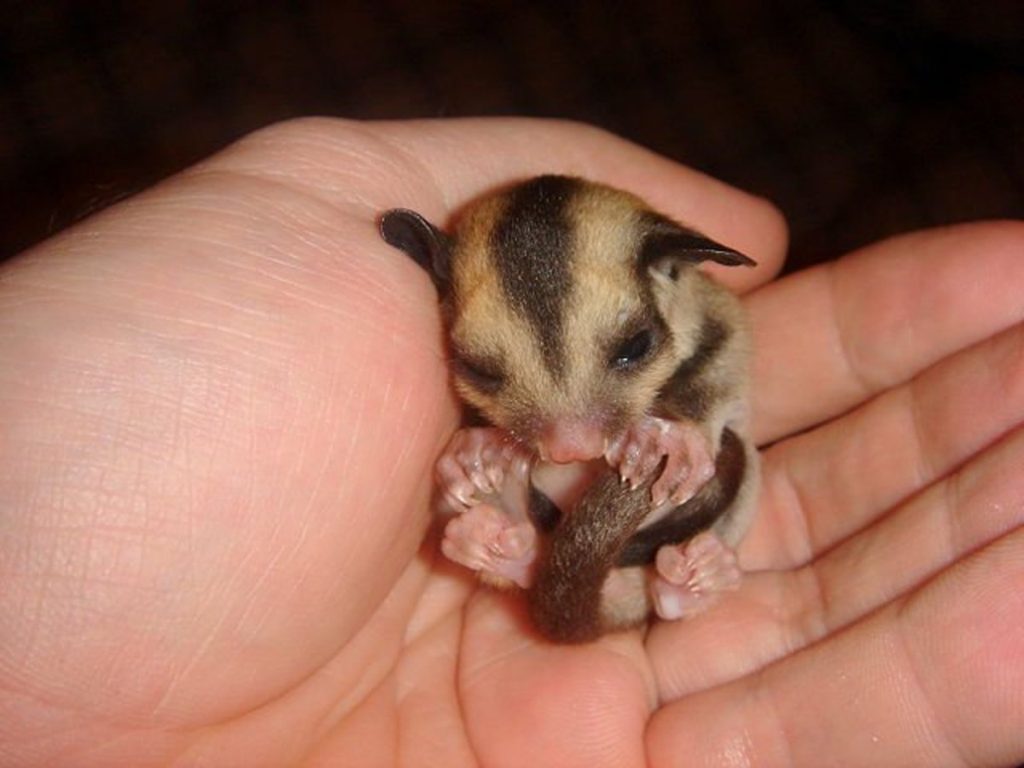
Some invertebrates assist in tidying up the surroundings. They consume mold, decaying animal corpses, and trash from trees and gardens, changing it into manure and enriching the topsoil. Thus, invertebrates help to keep the surroundings tidy. Likewise, some aquatic invertebrates control the outbreak of algal blooms, while others remove debris, improving water clarity. Further, some insects feed on water plants and help keep seas and lakes clean
Soil invertebrates like worms, mollusks, and arthropods have characteristics that improve the health of the soil. They enhance soil organic matter decomposition and increase the soil’s air infiltration and water-holding capacity. The broken-down matter becomes compost and improves the soil. This is essential for boosting garden plants’ health and increasing agricultural productivity.
Invertebrates are helpful as biological pest control agents in large and small farms and gardens. Many types of invertebrates feed on other pests in yards, farms, and even homes, thus helping to control pests. Common wasps, beetles, ladybugs, and other parasitic invertebrates attack and parasitize insect pests, thus helping to prevent the destruction of crops and plants by these pests. Also, some wasp species are good at controlling gnats in homes. Additionally, the role of beneficial insects in pest control is gaining currency today due to the emerging challenge of insecticide resistance in critical pests. Besides, they provide a way of going around the stringent regulations that makes it difficult to produce effective pesticides from chemicals.
Undoubtedly, pet invertebrates for small homes are increasingly becoming popular among pet lovers. They maintain the ecosystem and play a critical role in keeping the house clean and healthy. Apart from their numerous benefits to the ecosystem, they provide companionship and distraction that help relieve stress in human beings. Generally, pet invertebrates aid in pollination, aerate the soil, help in decomposition and control pests. They are easy to keep and manage, even in tiny homes. You can get more information on this from various sources. However, a handy source is KeepingExoticPets.com.
Before you understand how does non-clumping litter work, it’s essential to know what ‘clumping’ means. Clumping litter is a highly absorbent and dusty litter. The dusty little wraps around the cat waste, making the cat waste scoopable and easier to spot. So you don’t have to throw away the whole litter each time your cat poops.
Now, in comparison to that, ‘non-clumping’ litter is an alternative to messy clumping. With non-clumping, there are little to no dust grains involved. It’s also not very absorbent so the litter doesn’t coat the cat waste.
The litter particles in a non-clumping litter are larger yet more condensed. And since they do not coat the cat waste, there’s also less contamination inside the litter box. This is good for cats who are sensitive to chemicals, airborne particles, or have allergies.
Let’s understand the basics and how non-clumping litter works…

What do both look like?
Clumping litter has finer grains of dust that coat the cat waste right after. In appearance and the purpose of the finer grains, clumping litter is superior to non-clumping litter. The former is faster to scoop out because of the higher visibility.
You can quickly detect where the cat waste is and you don’t have to clean out the whole litter box each time your cat poops. Due to its grainy and lumpy appearance, you can keep litter for a longer time and refill it once it starts to look emptier.
Non-clumping litter, on the other hand, has thicker and larger grains. When your cat pees or poops, the litter soaks the waste at the bottom of the litter and traps it there. The top layer of the litter looks relatively cleaner but the bottom needs to be chiseled out once a day or else the litter box may start to stink.
Unlike clumping litter, you would need a slightly sharper tool to clean non-clumping litter. Clumping litter stays drier and since it forms into clumps, it’s easier to scoop out.
Non-clumping litter traps the cat waste at the bottom of the litter box. Be it liquid or solid waste, it hardens over time. With a chisel, you can scoop through the slightly hardened waste.
Non-clumping litter demands more time and effort in keeping the litter box clean than clumping litter.

Clumping litter effectively coats the cat waste so no toxic seeps out of the waste. Cat poop releases harmful bacteria when exposed to air for some time. This harmful bacteria or other such unwanted toxins, including TOXOPLASMOSIS, may cause sensitivity or allergy.
Even if not that, it is generally an unsanitary litter environment for both you and your cat.
Clumping litter, by coating the cat waste, prevents this from floating in the air inside and around the litter box. Non-clumping litter does not. Since the cat waste sinks to the bottom of the box, it’s still exposed to air, so it can easily spread to all corners of the box and contaminate the entire litter box.
As you must have already assumed, non-clumping litter emits more odor than clumping litter. It’s not as effective and fast-acting as clumping litter to contain strong pee or poop odor. And if you have more than one cat, you know how strong the odor of pee can be!
For better odor control, choose clumping litter instead.
Another significant contrast between clumping litter which is made of plant extracts or corn and non-clumping litter made of clay is that the former is more eco-friendly.
Some clumping litter made of plant extracts or corn can be flushed down the toilet. But only when you scoop out the cat waste. Non-clumping litter (clay), on the other hand, will clog up your toilet.
Also, the clay that is used for non-clumping litter is extracted from the earth and may also contain silica dust that is a toxic substance for both your cat and you.
When you clean out a non-clumping litter, you need to throw the waste in a bag and it’s taken to landfill sites. It’s not environmentally friendly at all.

Have you seen your cat burying their pee or poop in the litter box? Cats do that instinctively to mark their territory and/or to play.
This is a common phenomenon in a house with more than one cat.
And some cats get into the habit of excessively digging and throwing the litter out of the litter box if the box is not large enough. This can mean more clean-up!
To solve such an issue, non-clumping litter is the best solution. Your cat will be unable to throw the dirt outside the litter box because non-clumping litter has thicker and stickier granules that are difficult to dig like sand or grains.
Non-clumping cat litter is less expensive to buy in larger quantities than clumping litter. Materials like silica crystal litters are of the clumping sort so they absorb cat waste better and control odor 100%. Hence, they are more expensive. Another expensive alternative that is also more eco-friendly is biodegradable litter.
It all boils down to how efficient and convenient you want the litter box to be. If you find more use for non-clumping litter, you can use it in place of clumping.
Non-clumping litter may cause a pool or unpleasant deposit of cat waste inside the litter box, making it harder to clean. Many people who use non-clumping litter complain that it smells which further discourages cats from entering the litter box.
Clumping litter lasts longer than non-clumping. And even though it’s more expensive, it stays clean longer, features effective odor control, and you’ll be able to scoop only a tiny portion of litter without needing to clean out the whole litter box. This is something that you have to do more often if you buy non-clumping litter.
If your cat is suffering from seizures, it is not a condition to be taken lightly. While it is a given that you cannot treat seizures at home, by yourself, you can make the process of recovery more comfortable and secure at home. Along with the medications that the vet prescribes for your cat.
So, first and foremost, taking your cat to the vet is the #1 priority. Next is making sure that your cat is safe and feels at ease at home each time he or she is in the throes of a seizure.
There is no home remedy to stop a cat from having seizures. Only proper medical treatment can ease the severe symptoms of a seizure. But what is possible is avoiding any serious injury to your cat during a seizure. So you can stop a cat from hurting itself during and after a seizure.

As soon as you take your cat to the vet, they will let you know about the duration of a seizure. The vet will also inform you when to get your cat to the emergency ward after a seizure attack. It’s not necessary to bring your cat to the vet every time they have a seizure.
According to this website, if your cat suffers from a seizure attack non-stop, back-to-back, or if they have one and it takes a really long time to go away, then you should take the cat to the vet immediately.
But if your cat has a seizure for about 60 to 120 seconds (1-2 minutes), you do not have to take your cat in a hurry. You can talk to the vet on the phone and arrange an appointment as soon as possible.
The vet will prepare you for a medical emergency based on your cat’s medical history. This includes the past record of the length and intensity and frequency of the seizures.

The first thing to do when you’re at home with your cat and your cat has a seizure is to make sure that your cat is out of harm’s way. To do this, you must always remember that you’re not supposed to touch or hold your cat during a seizure. There is a risk of your cat seriously biting or scratching you, unknowingly.
Unless your cat is like to hurt himself by falling off a high desk or is close to some sharp object that may hurt him, only then you can gently move your cat out of harm’s way. Use a blanket or a pillow to cushion your hands while doing so.
Your cat may bite you without realizing it because, during the duration of a seizure, an animal does not have any awareness of its spatial surroundings.
You can also take a video of your cat’s seizure to show to your vet for the next appointment. The vet will give you some really helpful tips on how to deal with the situation in a way that’s best for your cat. This website also advises you to keep a written record of your cat’s seizures. Including the duration of each seizure, when it happened, what were the symptoms, and other behavior changes before or after the seizure occurred.
Understanding cat seizures to handle them well is the best thing you can do that comes close to you stop a cat from having seizures. Maintaining a record of all this information will give you and the vet a good approach to reducing the intensity and frequency of the seizures with the right medication.
Your cat may experience a combination of cat seizure signs that may not be the same for any other cat suffering from seizures. But these are the common signs of a cat seizure according to professionals:
Some signs such as losing consciousness, yelping uncontrollably, pacing, and aggressive behavior such as scratching or biting or jumping off and on tall objects. When you see such behavior during a seizure, consult with a vet immediately. Take a video to show the vet how your cat reacts to the seizure.
Medical treatments such as anti-seizure medications, an MRI scan, fluid analysis, and CAT scan are essential when treating cat seizures. They help reduce the extreme symptoms of a cat seizure. Further delay or ignorance, on the part of the cat owner, can also lead to sudden death, trauma injury, and other life-threatening illnesses.
If your cat has seizures, after conducting a thorough examination, the vet will prescribe the best treatment plan. The main focus of any cat parent should be to keep their cat as comfortable and safe as possible before, during, and after a seizure.
When it comes to understanding how cat seizures work, how you can stop them, and how to reduce their intensity – all this is a professional vet’s responsibility.
You have to make sure that your cat is given the proper medications on time, they drink plenty of water, and get the right nutrition to stay healthy and strong.
The bottom line is that making regular appointments with the vet and addressing any other underlying condition that may cause cat seizures is the only thing you can do to prevent cat seizures for your pet.
There are myths about how clean is a cat’s mouth. Many cat parents want to know about the risks of “kissing” their cat on the mouth. Whether there are any risks of infection, itchiness, etc. from kissing their cat.
If you’re one of those people who want to know, keep reading to find out how clean is a cat’s mouth. And how you can keep a cat’s mouth clean using simple home practices that are not as uncommon as you think!

While it is not dangerous or harmful to kiss your cat’s mouth, you are not likely to catch any infectious disease or flu from kissing your cat’s mouth.
But this is what you should be aware of about the common infections that can be passed on to humans:
Your cat may pass on to you certain common bacterial strains such as Salmonella, E-coli, Staphylococcus, and Pasteurella. Salmonella, for example, is because specific cat food contains uncooked pieces of chicken which is okay for cats to consume but not for humans as it causes Salmonella.
But a cat can transfer such bacterial strains only if you were to kiss them on the inside of their mouth! Kissing a cat’s mouth means giving your cat a quick peck on the lips which is not harmful at all.
This is caused by the strain Bartonella and a cat may pass this to humans but in very rare conditions.
Ringworm is a fungal infection that is contagious for both cats and humans. It can spread from cats to cats and from cats to humans through contact.
According to studies, I’ve found that ringworms are very common among kittens. And for humans, it is prevalent among children. But it is a very rare disease and harmless among humans.

It’s true that over 600 different types of bacteria live in a pet’s mouth. But this is true for humans as well. Oral hygiene and diet influence the different types of bacteria present. Though there aren’t any concrete statistics on the number of bacteria present in a cat’s mouth.
The only time your cat’s mouth is almost as clean as a human mouth is if you brush your cat’s teeth and gums every morning. This reduces the bacteria in your cat’s mouth. But even then, considering the type of raw food that cats eat, it will never be cleaner than or as clean as human mouths.

The routine of brushing your cat’s teeth is a good practice to maintain oral hygiene. Cleaning your pet’s mouth to get rid of bacteria and parasites and reduce the risk of infection or inflammation is essential.
Lack of proper oral hygiene can also cause tooth decay, bad breath, and dental diseases in cats. You can consult the vet about the correct cat-friendly toothpaste and brush with softer bristles so you don’t end up hurting your cat’s gum or tongue while brushing.
Here are some tips for you to keep in mind when brushing your cat’s teeth:
Your cat may feel agitated or nervous when you use a toothbrush. In that case, you can also clean your cat’s teeth using a cotton swab. With cat-friendly toothpaste, you can get rid of plaque off the teeth effectively.
It’s important to keep your cat comfortable before, during, and after brushing its teeth. Set up a good area for your cat to sit and relax in. Use your fingers to touch your cat’s mouth, teeth, and lips so that they are used to your fingers and touch.
Easing the process of brushing your cat’s teeth is very important. This also ensures that you can regularly clean your cat’s teeth or lips or gums without making them feel nervous.
Some cats enjoy cuddling inside blankets or towels. Try different techniques to see what works for your cat.
If your cat is resisting a lot, do not force them in a way that may hurt them. You can try gently at first holding your cat’s paws to keep them steady. But if they are still resisting, you can try again after they have calmed down a bit.
You can also try bribing your cat with some of their delicious treats such as tuna treats, chicken bits, etc.
This should motivate your cat to remain calm with the process. Especially since you want to create a routine/habit of keeping their teeth and gums teeth.
Say you’re alone and are unable to keep your cat steady while brushing their teeth. If that is the case, the best thing to do is visit the vet to take care of your cat’s dental health. The vet will perform certain teeth cleanings and prescribe any important medication if necessary to maintain good oral hygiene.
A home and clinic routine is essential to keeping your cat’s dental health in check. Yearly visits to the clinic are a must. The vet will let you know exactly how dirty your cat’s mouth is and what products to use to reduce inflammation and bad breath.
So go right ahead and give your cat a kiss when you feel like it! With proper dental care, your cat’s mouth is not filled with harmful or contagious bacteria or parasites! It’s true that cats lick their own bodies and eat foods that contain raw meat. So bacterial strains such as fecal bacteria, raw meat, etc. are common among cats.
That’s why maintaining a proper oral hygiene routine for your cat is essential. It’s safer, then, for you to kiss your cat’s mouth without wondering how clean it is.
Are you worried that your cat looks weak and weighs below the normal weight for her age? While it’s true that a skinny cat is not necessarily weak or undernourished. You can always take a few steps to figure out yourself how to get your cat to gain some weight.
So if you’ve ever wondered: how can I get my cat to gain some weight? You’ve come to the right place to get the right answers.
Before we get to the answers, first, it’s important to figure out whether and if your cat is actually too skinny or underweight. You can go about this in two ways.
Take your cat to the vet (this is what I strongly recommend you do) and have the vet evaluate the ‘body condition score’ of your cat. The ‘body condition score’ is just like the ‘body mass index’ evaluation for humans.
Second, you can perform a simple test yourself by using your hands to feel your cat’s body. Most specifically, her ribcage and the area behind her front legs. If you can easily feel your cat’s rib without pressing down on her coat, then it suggests that your cat is skinny and needs to put on some weight.
But this is not always an effective way to determine whether your cat is skinny or overweight. Because if your cat is skinny and it’s a result of some medical condition, the vet will let you know asap how to treat it.
Switching a cat’s diet is not as simple. I don’t know about your cats but mine are very squeamish about what food they eat. It takes a few days before my cats start enjoying the new food that I give them.
Once any medical condition is ruled out with regards to why your cat is skinny, you can follow these simple steps to get on top of your cat gaining some healthy weight…
This is the first thing you need “fixing.” Cat food that is supposed to help cats gain weight has more calories. You don’t necessarily have to feed your cat more food in order for her to gain weight. Even a small quantity of food that is calorie-dense is enough for weight gain.
Such specific types of diet cat foods are higher in fat than carbohydrates and proteins. After consulting with a vet, you can adjust the portion size to allow your cat to gain weight in a healthy manner without the risk of becoming overweight.
Studies show that canned cat food, made with meat and extra moisture, is a good alternative to dry food that is usually high in carbs. Canned foods contain more fats. And since they also retain a raw, enticing, and meal odor for your cat – a cat is more likely to gobble up wet food because of the extra water and strong smell than dry food.
If your cat is still not enticed by the smell and sight of canned food, you can heat the food up slightly to make it more palatable.

This is a medical procedure that only vets should perform. If your cat is reluctant to eat high-fatty foods on her own, you can resort to a temporary feeding tube that will make sure your cat gets all the food she needs to gain weight.
This type of feeding is very helpful for difficult and stubborn cats. This also reduces stress on both the cat owner and the cat about finishing the food. And if you also need to provide your cat with some important health medications, a feeding tube is the most effective route. Provided that you take your cat to a vet to perform this minor procedure carefully and gently.

Cat supplements like fish oil increase the calorie intake of your cat on top of their diet. It’s also a good natural supplement for improving your cat’s coat, making it look fuller, shinier, and less prone to shedding.
Fish oil supplements (for cats) are rich in omega fatty acids. Make sure you buy the right product for your cat and consult with a vet for any possible allergens that the supplement may have that will affect your cat.
There are made vet-approved lickable treats and supplements for your cat to get excited about. If your cat is fussy, a lickable treat made from meat is the perfect way to increase your cat’s calorie intake without going through a lot of trouble. Treats are also good for increasing your cat’s appetite if they do not like to eat the prepared cat food.
This brings to another interesting trick to get your cat to gain weight naturally…

Contrary to popular trends, you can offer your cat treats the way one would to a dog! You can feed your cat some shredded chicken and/or boiled egg. Not in large quantities. Just bite-sized treats for your cat to nibble on to increase her calorie intake per day.
You can use treats to reward your cat after she’s done something good. Like finishing her meal, drinking water from a bowl, potty training, etc. Some cat parents also leash train their cats and offer treats. It’s a great way to spend more time with your cat and for them to trust you completely.
These steps should not be carried out long term because it may lead to weight gain. It’s best to consult with a vet before you take anything long-term. Calorie-dense cat food can cause weight gain fairly quickly.
In comparison to the natural diet trends of a feline, kitten foods are higher in fats and calories than adult foods. A kitten needs more fats to grow into an adult cat. Once there, you need a protein-rich diet to maintain your cat’s ideal weight.
It’s important to remember that taking matters into your own hands when fattening up a cat can lead to a lot of misinformation. So talk to a vet to figure out the best possible food, product, supplement, treats, etc. to help your cat to gain weight without putting her health at risk.
Worried that your cat will fall sick or feel too unsettled during the plane ride? You can do a few things to calm your cat down on a plane. This includes taking serious care of your pet’s emotional and physical needs.
According to studies, it’s not always necessary to sedate your cat during a flight. Vets will recommend certain calming practices instead because your cat may do better on a plane than you expect.
Having said that, I would also recommend consulting with a vet first about the best possible option for your cat. And I would recommend you do these things if you want to calm your cat down on a plane.

A carrier is like a home for your cat, be it indoors or outdoors. So make sure you buy a comfortable and spacious carrier for the trip. Always buy a new carrier apart from the one you generally use to take your cat to the vet. You want your cat to feel safe and the pet’s clinic is what your cat already associates her old carrier with.
So a new carrier for plane travel is a good idea. Your cat will feel calmer entering the second carrier having no negative feelings associated with the shiny new toy!
Besides that, contact the airline and ask about the type of carrier they allow on the plane. Some airline standards give out specific size dimensions and materials for cat carriers for safety reasons.
Don’t just put your cat in the carrier before leaving for the airport. This will most likely scare her or make her even more anxious. Make sure you purchase the carrier at least a week before you leave. Or several weeks if your cat is sensitive.
Keep the door of the carrier open at all times. Maybe even remove the door of the carrier so that your cat doesn’t know it’s a carrier. It looks more like a welcoming place to sleep in for your cat.
Do your daily activities with your cat inside and around the carrier so that he or she can associate positive feelings with it. Such as giving your cat treats, petting, grooming, and even placing a small blanket inside for your cat to sleep in.
You can also start by taking your cat in the carrier to the park or for a short walk around the block.
Another important benefit of allowing your cat to play around and sleep inside the carrier weeks before stepping on a plane is that cats release pheromones when they rub themselves against furniture or your legs.
The pheromones indicate that the cat feels safe and positive around you. When they do the same with the new carrier, getting them in and out won’t make them stressed. So it’s highly likely they’ll remain calm and feel safe on a plane as long as they are in that carrier.
If your cat is not willing to rub against the walls of the carrier, you can also purchase synthetic pheromones from a pet’s clinic. Spraying pheromones might help your cat reduce stress and feel more at ease while flying. They are completely safe, according to this report.
At the airport, you can take your cat out after settling down in a relatively emptier space. At such a point, also during security checks, you can keep your cat on a soft blanket your cat is familiar with.
The blanket can also be used to cover the cat to reduce noise and dampen chaos and activity that is expected in an airport.

You can train your cat to walk on a leash. It’s not difficult but it is a long process so you have to be very patient and positive.
Leash training can be very effective when traveling with your pet. But it’s also a great skill that your cat will enjoy as well as you.
With a leash, you can let your cat out at the airport without the risk of your cat running away in confusion.
Lots of airlines offer special cargo for pets so your cat does not have to fly in the cabin with you. This is especially helpful during long flights. Where you will be seated, there won’t be enough room for your cat to sit and stand comfortably.
In the cargo, however, you can also keep a litter box and train your cat to use a litter box at home beforehand. And your cat will be able to relax and move around more freely without feeling cramped. This is a less stressful environment for your cat than the cabin.
Lots of pet-friendly airlines recommend larger carriers with access to litter trays for your pets to feel comfortable inside of.

If you have a lot of walking to do, holding the carrier in your one hand while the carrier sways back and forth may cause nausea for your cat. The best and smoothest ride for your cat, especially when there is a lot of walking involved at the airport, before or after the flight, is to buy a pet stroller.
Then your cat can comfortably sit inside the stroller and you can push your cat around without bumps or swaying. If the pet stroller has a transparent window or zip that allows your pet to look outside without escaping – because all cats are sneaky escape artists, right? – your cat will be more at ease because they can look at you as you push them forward.
One thing to keep in mind before traveling with a cat is to do the bookings beforehand. Do not just book a ticket for yourself and assume that the airline will allow you to travel with your cat. You must do bookings for your cat beforehand as well.
Buy all the important things you need for your cat. Such as blankets, leash, second carrier, treats, water bowl, food bowl, and foldable litter tray. Staying prepared is an important step to keeping your cat calm on a flight because they trust you to take care of them.
It’s only natural to want to know at what age can puppies go outside. Because when it comes to socialization, your pet or pets interacting with their fellow four-legged creatures out in the world is very important for both their physical and mental well-being. But then there’s a certain age at which this can and should be done, right?
This is where you have to give importance to vaccination. The whole series of puppy vaccines take about 16 weeks to complete. And of course, it’s only when your little pup has been vaccinated completely is he/she safe to play with or even be around other dogs. Only then is the outside world a happy and safe place for your furry friend!
So here’s Purina, one of the top dog food brands, explaining dog vaccinations…

If you’re in a rush, here’s the quick answer – after your pup has taken all his doses of vaccinations. This is mostly around the time when the puppy’s age is 16 weeks. Or, needless to say, whenever the vet suggests.
But the entire vaccine series should be completed before you decide to introduce your pet to new adventures outside the home (and of course, this includes your puppy socializing with other pups and adult dogs). Only then is the play-time experience safe!
And now I’m going to talk about this more in detail below.
You might be able to take your little pooch outside sooner as well, BUT with a few restrictions and guidelines in mind.
2 weeks after those first few vaccinations you can think of walking the puppy outside provided the location is safe (free of potential viruses). And these locations should mostly be concrete, paved walkways. Maybe ask the vet for some advice and suggestions with regards to safe spots.
Many even go for bike rides with their puppies. There are those very convenient travel-friendly bike baskets in which your puppy can just sit and watch everything unfold on a pleasantly bright and sunny day. Paws don’t touch the ground at all!
These bike baskets you mount or install at the front of your bicycle. The design also consists of a double leash system for keeping the dog safe. So you don’t have to worry about any accidents or mishaps while you’re biking away and the wind is blowing through your pup’s fur. And in case it gets really windy, how about a travel-friendly basket hood for the bike?
Another safe and fun outing is going to the beach. This one, once again, is an ideal outdoor activity for both your puppy and you. You can get one of those elevated, foldable cots that I’ve seen so many pet owners use for their dogs and cats. So even your adorable little creature, despite not being completely vaccinated, can get some quality beach time!
This means you don’t necessarily have to wait for those 16 weeks before you take your pup out and about. It’s completely okay and even normal for the puppy to meet and interact with other puppy-friendly dogs (of mostly someone close to you, so the dogs are not unknown or complete strangers) and even humans (friends and family).
And who said that you can’t just pick up your puppy and walk with him/her. This is done by many when entering and leaving the vet’s clinic.

If you have your very own backyard or garden, then your newborn puppy or puppies can have the time of their lives. But make sure they’re well-supervised at such times. And of course, also confined to small and safe areas.
Nursing puppies, the entire litter, usually accompany their mother outside. And once these pups of the litter are big enough for wandering by themselves and doing their numbers 1 and 2 without any help from the mother, you can take them outside for potty training. Once more, close supervision is a must and so is keeping the trip outside short and sweet.
But what if you’ve not raised the puppy from the time he/she was born? Then chances are that your adopted pup is already big enough and fully weaned to explore your yard. Just keep a watchful eye out!
Potty breaks once every 1-2 hours are highly recommended in the case of a puppy you’ve only recently adopted. The dog, at this point, is most likely to be big or old enough, hence you can introduce him/her to the leash and collar perfect for walks and outdoor adventures in public spaces.
You can’t and shouldn’t undermine the weather conditions when you have a puppy. Just like babies, puppies and kittens too are extremely vulnerable and delicate. So if the temperature outside happens to be very high or low, the newborn or young creature is most likely to fall sick.
For example, when the temperature is almost freezing, puppies are kept indoors and do their business on puppy training pads. Unless the dog is larger and older and also suited for such cold weather (St. Bernards or Huskies for instance). In that case, a short trip outside even when the weather is cold does no harm.
Much the same way, heat-related problems with hot weather can also prove to be detrimental, health-wise. So even these visits outdoors are to be kept short. Plus, never leave the pup unsupervised when he/she is outside on a really hot, sunny day.
When can puppies go for walks? If you don’t know the answer to this, you should find out. Or simply just speak to your vet and he or she will tell you all about when can puppies be around other dogs. Because it’s important that you pups does! Socializing your puppy has many, many physical and mental health benefits.
Failing to do so leads to behavioral problems that are surely a threat to the dog’s well-being, which is going to be a nuisance in your life too. But it’s the pup’s health, happiness, and safety we’re more concerned with, right?
The whole series of dog vaccinations get done when the puppy turns around 16 weeks old. After that, it’s 100-percent safe for your cute, adorable little pooch to mix and interact with other pups and adult dogs. Exposing him/her to new animals, people, things, and environments is a must, but only after all the doses of vaccinations are completed.