 Lisa Thompson
Author Archives: Lisa Thompson
 Lisa Thompson
Author Archives: Lisa Thompson
Cats are prone to ticks as much as dogs are. Ticks are a type of ‘parasitic arthropods’ that feed only on animals that are warm-blooded, including dogs and cats. So if you’re worried about your cat developing a tick infestation, it’s best to know right away how to keep ticks off cats when you can help it.
If you do, however, notice a severe tick infestation, make sure you consult with a licensed vet about the most effective way, for your pet, to prevent or treat a tick infestation. But the following methods are common ways of protecting your cat’s fur and skin with a tick infestation.

A tick comb is specifically designed to trap and dislodge ticks from the cat’s fur. A cat’s coat can be quite thick and difficult to comb through especially if your cat has ticks. So a tick comb makes that process easier.
The solution is to use the tick comb at least thrice per week to prevent ticks. Some tick combs come with pharmaceutical chemicals to kill ticks as soon as they come into contact with the teeth of the comb. These special types of tick combs you will find in pet clinics or pet stores.
If you’re looking for a home remedy, along with brushing your cat’s fur, you can apply some petroleum jelly on the comb before using it. Especially if your cat has sensitive and dry skin, the jelly will gently get rid of ticks as the ticks will stick to the comb so that they’re easier to remove.

Another foolproof way of preventing and repelling ticks away from your cat is to purchase a tick collar. Make sure the tick collar is not too tight or loose for your cat. It should be of the perfect size.
Also, buy a collar that is easy to remove and put on. Cats can be quite fidgety so it’s best to buy a breakaway tick collar that detaches quickly if the collar gets stuck in something. Or if your cat seems to be agitated and is trying to remove it himself or herself.
If you are taking care of an outdoor cat, a tick collar may not be the best option for you. A tick collar can easily get stuck in fences, trees, branches, etc. Look for other alternatives when treating a tick infestation on an outdoor cat.
Perhaps this next method might help…
Unlike a dog, cats should not be bathed very regularly. But when it’s a tick infestation you’re dealing with, bathing your cat using a vet-recommended medicated shampoo for ticks once in 14 days (2 weeks) is necessary. This works for preventing ticks in an outdoor cat as well.
The chemicals in a medicated shampoo work on your cat’s skin and fur to keep ticks away. Note: Some cats are quite scared of water. So if your cat is difficult to bathe, this might not be the most healthy and positive option for you.
Just like a medicated shampoo, tick powder can treat fleas and ticks effectively. All you have to do is take some powder in the palm of your hands and apply it along the spin of the cat’s fur.
Note: Never apply the powder directly to the cat’s fur from the bottle. You have to make sure you do not let the powder near the eyes, ears, mouth, nose, or the more sensitive areas. It may cause itching as the tick powder contains chemicals.
Lots of pet parents bathe their cats and then apply the powder to boost the effects. However, this is a great option for you if your cat hates water and is unwilling to take a bath. Make sure you reapply the powder once a week to increase its effectiveness in keeping ticks away.
Also, purchase tick powder that is specifically made for cats. If the powder is for dogs, it may cause a rash or allergy as they contain stronger chemicals.
After consulting with a vet, the doctor may prescribe pills to prevent and treat ticks. This is the least favorable method for treating treats or keeping ticks off cats. The reason for that is not many pills exist to prevent or treat tick infestation in cats. For dogs, however, you will find many. But you cannot use the same medication that is prescribed for dogs on cats.

This step has nothing to do with treating your cat as much as it has to do with hygiene and cleanliness. One of the causes of tick infestation in pets is if you have ticks and fleas in your backyard. The lawn is the #1 place where parasites live and multiply profusely.
So if you take care of your lawn by using certain yard sprays that are pet friendly or granular treatment, you can make sure that your pet won’t pick up any parasites from outdoors when entering your house.
Visit any local garden center and ask for a pet-friendly treatment for keeping your house tick and flea-free. You can also hire a professional to inspect and treat your home and lawn with the help of commercial sprays.

If you do spot a tick infestation on your cat, you will have to remove a few that you can manage to do so by hand, but always keep a container of warm and soapy water at your side. Dump the ticks into this water as you’re removing them. The warm soapy water will kill them right away and then you can flush the water down the toilet in the end.
Never throw the ticks in the dustbin even if you’re certain that they’re dead. It’s better to flush the water down the toilet as that is an effective method of making sure they do not linger in your home or lay eggs.
Spine trouble is a very difficult thing to deal with, in the case of both humans and even more so with dogs – our fellow Earth inhabitants. So how to help a dog with back pain? It’s quite a tough situation to manage for vets, even though backache is such a common occurrence even among canines.
But why is that? Simply because the cause of the pain never presents itself in the most obvious form. Nonetheless, it’s indicative of something that might be potentially serious, which further increases the chances of a neurologic calamity.
And when there’s no neurologic catastrophic episode looming, back pain can easily lead to some other serious mobility changes. And also paralysis.
Hence, the need to prioritize spinal pain management through a proper physical as well as neurologic examination. Meaning appropriate and thorough diagnostic testing needs to be done as soon as the first symptom is spotted!

Better to detect the problem early on, so you can treat it quickly without your little pooch having to suffer for too long.
So here are some of the most prevalent symptoms of back pain in dogs…
Once your dog exhibits this kind of behavior, it’s time to get in touch with your vet right away. A proper, thorough prognosis then is a must. And this includes neurological and physical examinations for locating the root cause of the pain. These tests also check the neurological reflexes of the dog.
A spine X-ray, MRI scan, or CT scan provides a more solid and clearer identification of the problem.
First of all, you must consult a qualified medical professional i.e. veterinarian for the most effective, safest, and correct treatment to alleviate back pain. Because this process might include therapy and medication for reducing your dog’s pain while also keeping him/her healthy. So discuss the following remedies with the vet before you do anything…

Controlled physical activity is a must even if your dog is dealing with back pain because you want to make sure that mobility in his/her joints and muscles remains intact. Needless to say, restrictions should be placed and followed, so the problem (the aching back) doesn’t get aggravated.
For example, short bursts of leashed walks will keep your furry friend moving and, at the same time, the spine won’t have to suffer for it.
Too much weight certainly applies more strain or pressure on the back. So keep the weight of your dog in check. And in case he/she happens to be overweight, create a suitable weight loss program with the vet.
Does your home have a recovery-favorable setting? So that would be smaller crates or rooms for minimizing how much the dog moves, carpets or rubber mats for anti-slip surfaces, placing ramps for assisting your pet to move up and down, and no stairs or restricting/blocking the staircase area.

The dog’s back should be adequately supported, even if this means using a dog back brace. This particular product, which consists of compression, is highly recommended (but first, confirm with your vet) for alleviating some of that back pain your furry companion may be experiencing.
This type of customized back support ensures the spine and its surrounding muscles are well-supported. Plus, it places the much-needed limitation of movement while his/her back is healing.

A professional or specialist should create a proper exercise regimen that aims to strengthen his/her affected or weaker areas. And this includes stretching all that excessive tightness/stiffness from the muscles around the spine.
And after every session, apply heat pads or ice packs for soothing the soreness.

This particular type of therapy has proved to be quite effective for dogs. It’s pretty much physical therapy but performed in water. Exercises, when done in water, exert much less pressure on the joints and muscles.
And this means being able to move to strengthen those muscles and joints with much less strain. Movement equals blood flow, which equals more production of oxygen, which equals faster healing.
Once more, I am going to stress the point that you should first and foremost consult with your vet before going ahead with ANY of the treatment methods or remedies discussed in this article.
Back to cold laser therapy, it’s simply another technique that accelerates the natural process of healing. Cold laser therapy consists of light energy that stimulates blood circulation. Thus, the production of stem cells increases, which speeds up recovery.
Sound waves penetrate the body to form heat and this heat boosts blood flow for alleviating back pain as well as reducing inflammation.
The method is the most suitable for relieving pain in those areas of the dog’s body that are not the easiest to reach.

Let’s go through them quickly…
Oh by the way, among the common causes is also included the age factor. Older dogs have weaker bones, thus they’re more susceptible to developing back pain and problems.
Also, medication is a huge part of the healing process. BUT this aspect is something that ought to be taken care of by a vet. The doctor might prescribe anti-inflammatory drugs and/or nutritional and joint supplements based on the causes of the condition and upon a thorough examination.
But one thing is for certain, back pain troubles not just humans but dogs too! And this pain can be anywhere between mild and severe. Plus, its chances of limiting mobility (short-term or long-term) are also quite high.
So don’t overlook those symptoms and get your dog’s back properly checked at the vet as soon as possible, so he/she can move and play as much as they want.
Kittens usually mewl when scared, hungry, or cold. And this meow-ing is for their mother to hear, so she can provide that much-needed comfort, warmth, attention, and food of course. Kittens and cats use other forms of communication as well, such as growling, yowling, hissing, etc.
Then there’s crying too, so how to get a kitten to stop crying? First of all, why is your kitten crying? There’s obviously a valid reason, which is something you must look into, as a loving, caring, and responsible pet owner, for the well-being of your little kitty.
Now let me also tell you that cats sometimes meow just because they wish to hear their own voice. And then some of them like having a conversation when they’re mewling at you. But if your cat seems to be talking or crying more than usual, something IS the problem. Time to figure out what and why!

Young creatures, especially as tiny as kittens, find it confusing when brought into a new, large environment (such as your home of course). Your kitten, as a response to that, is bound to feel scared and also even lost, hence he/she calls out for help.
The surroundings are new, thus alien and unrecognizable to the kitten who probably up until now only feels comfortable and safe in a litter box.
So remember to keep your kitten’s home a small space initially (for 1-2 weeks) until the little confused creature gets acclimatized to the new territory and setting of your house.
Human babies cry when they’re hungry, and so do kittens. When the time between meals is too long, a kitten can cry out, which means you ought to be feeding more frequently. Especially if this crying out for food is happening on a daily basis. Consider altering the feeding schedule in order to keep those gaps between means not too long.
Animals, in general, are both curious and highly energetic creatures, right? Kittens, cats, puppies, dogs, etc. – all of them require both physical and mental stimulation when awake. So if your kitten seems to be crying constantly, it’s more likely that he/she is demanding more attention as a response to feeling lonely or bored.
Newly adopted kittens could be crying for their mother or their fellow litter siblings. So all the more reason to make time for your kitten – play with the little adorable feline and be a good companion. You can also consider adopting another kitten, so both can keep each other company.
That piercing, shrill, shrieking cry of agony – the most common sign of an animal when in pain, sick, or injured. For instance, when you accidentally step on a cat or dog’s tail or when one of the limbs gets stuck in some uncomfortable or painful position.
At such times, it obviously goes without saying, find out immediately what the source of the trouble is. And based on that, seek medical assistance through a vet.
Being sick is another common reason as to why those sorrowful cries are coming from your kitten. The illness might not be always or instantly be visible to you. But when the kitten is crying, that is a clear sign indeed that he/she is distressed in some or the other way.
Being a little squeamish or fussy about pooping is something that kittens do, especially when they’re younger than 8 weeks. Kittens below 8 weeks often meow during or before pooping. And this is completely normal unless your kitten seems to be straining or appears uncomfortable at such times.
GI problems, diarrhea, constipation, etc. – these can lead to the kitten struggling to defecate. Therefore, don’t delay that visit to the vet’s clinic to get the problem solved before it gets worse and affects his/her delicate body and health.

The space or little home you make for your kitty should be warm, cozy, and quiet. He/she should feel secure there, and not overwhelmed. So make sure there’s a litter box, comfortable cat bed, toys, water, food, scratchpad, hiding places (like a carrier), etc.
A newly adopted kitten has indeed been separated from not only her littermates but also her mother, hence it’s bound to feel lost, lonely, and confused.

Attention in the form of plenty of mental and physical stimulation, which means playing with your pet kitten or cat is a must. You can include some interactive toys as well. Or maybe adopt another kitten because kittens are happier, more active, and feel safer in pairs.
Giving attention could also mean gently holding and stroking your kitten to make him/her feel comfortable, secure, and loved. Think of your little kitten as if it’s a baby. So this approach might get the kitten to stop crying constantly. Plus, you’ll also form a healthy, loving, and caring bond this way.
Stroke your kitten’s neck, below-the-chin area, and head. You can brush them also since they absolutely LOVE that.
And lastly, providing attention in the form of talking to your pet is also very important. Keep your voice low and soft. They love hearing praises and even their name, I mean who doesn’t love that, right?
Cats, unlike some humans, are very neat and particular when it comes to cleanliness. And this applies to the litter box too. So ensure that you keep their litter box clean and also easily accessible. The constant crying could also mean that the kitten wants to poop but is unable to get into the box for some reason.
Therefore, make sure the litter box has low sides for your little kitty to climb in and get out the most easily and comfortably.
And lastly, always choose an unscented litter that can be scooped without much difficulty.
Any extra or unusual signs or cries of distress (lethargy, loss of appetite, vomiting, diarrhea, etc.) means you should take your kitten to the vet as soon as possible. Because sometimes all that excessive crying and meowing could also be indicative of an underlying serious health issue.
So it’s very important for you, as a pet owner, to listen to your kitten. Be responsive, loving, and caring above all else!
The best and healthiest kind of yogurt to give dogs is plain or non-fat. Yogurt that has no preservatives, sweeteners, or other flavorings. So to answer your question, dogs can eat yogurt but not in large amounts and not if the yogurt contains artificial sweeteners.
Yogurt is a digestive-friendly food rich in protein and calcium. Plain, unflavored, and non-fat yogurt is good for a dog and it’s even tastier because of its creamy texture. Your dog will love it!
Now that you know dogs can eat yogurt, here’s everything you need to know about how much plain yogurt to give your dog.
It’s okay to give yogurt to your dog daily. It is good for gastrointestinal health, it soothes inflammation, reduces acidity, and does a lot more as a probiotic supplement for your dog.
However, before you include yogurt into your dog’s daily diet, make sure you check the calories count on the back of the yogurt. Measure how much you feed your dog daily (not more than 2 ounces a day for a dog who weighs 10lbs).
Plain yogurt contains roughly 15 calories per ounce. So that is 30 calories for 2 ounces per day.
Dogs love treats! Feeding your dog yogurt can be a good treat. A spoonful of yogurt for a small dog and 1-1/2 to 2 spoonfuls of yogurt for a medium to a large dog are recommended.

Ask the vet about the best foods for your dog to eat on a regular basis. This includes fruits and vegetables but also different variations of meat such as shredded chicken pieces, frozen chicken stock cubes, etc.
You can complement plain yogurt with such treats to make the yogurt taste more delicious for your dog. Fruits like berries mixed with yogurt are a healthy and delicious treat to give a dog around mid-day.
So if your dog is fussy about eating plain yogurt without any toppings, you can serve it along with his favorite food and make it extra special!
The 10% rule is when you include not more than 10% of a dog’s daily recommended calorie intake with treats that include yogurt.
This brings up another important question:
If what you’re looking for is for your dog to reap the probiotic benefits of yogurt to ease indigestion, then you should ask the vet to prescribe you a stronger probiotic supplement to go with yogurt.
Because by following the 10% rule, it’s not guaranteed that your dog will be able to get most of the active cultures from yogurt that are good for digestion.
However, for the dog’s daily protein and calcium boost, 1-2 spoonfuls of yogurt are recommended and beneficial.
You can also mix yogurt with the dog’s regular dog food to make the meal extra-delicious.
It’s true that most dogs are allergic to dairy or are lactose intolerant. You can ask your vet about the proper diet plan for a lactose intolerant dog. And this also includes skipping out on plain yogurt if your dog is lactose intolerant or sensitive to dairy.
Your dog may vomit, pass gas, suffer from a loss of appetite, diarrhea, and/or excessively lick his or her paws and scratch the ears. These are all common symptoms of lactose intolerance and milk allergies in dogs.
If you do happen to feed your dog some yogurt without consulting the vet, look out for these signs of discomfort. It may suggest your dog has a kind of intolerance or allergy to dairy products. If so, take your dog immediately to the vet for a thorough check-up.

While it’s true that feeding yogurt to a dog can promote weight loss, improve digestion and immunity, boost healthy skin and coat health, and contribute to excellent bone health. But you must also keep in mind the damaging effects of yogurt that contains artificial sweeteners or preservatives.
Yogurt contains sweeteners made up of the substance XYLITOL, which is deadly for dogs, even when fed in small amounts. It’s a sugar alternative, xylitol, that acts as an artificial sweetener in different kinds of packaged foods like yogurt.
In dogs, this can cause fatal liver diseases, hypoglycemia, or liver failure. Glucose intolerance, bacterial infection, indigestion, irregular blood sugar levels, obesity, diabetes. These are a few of the common problems a dog may experience when fed xylitol-sweetened yogurt.
So make sure you read the back label of the yogurt before purchasing it. Any food that has the “sugar-free” sticker often comes with sugar substitutes like xylitol. This substance is perhaps more harmful to dogs than sugar. So stay away from yogurts with artificial and carcinogenic substances.
If you’re wondering whether you should share that delicious Greek yogurt that you love so much with your dog, the answer is you can. But probably not the yogurt you are eating. Unless what you love is the sweetener-free, preservative-free, fat-free Greek yogurt. In that case, you can share your yogurt with your drooling dog!
Yogurt contains probiotics, proteins, and calcium. It’s also one of the most delicious treats that your dog will most certainly enjoy. Combine with fresh fruits or vegetables or chicken cubes, your dog won’t get enough out of it. But make sure you know how much plain yogurt to give to avoid upsetting his or her tummy.
Let me know in the comments below how you feed yogurt to your dog. And does your dog love yogurt as much as his other delicious doggy treats?
If you own a rabbit, you must know that they do not cost a lot. Even at the time of bringing a rabbit home and their initial costs. The first thing you must do is take your rabbit to a vet. How much does a vet visit for a rabbit cost?
This depends on the reason of the vet visit. Is your rabbit sick or are you taking your rabbit for a general vet check-up or for vaccinations or a series of blood tests?
Caring for your rabbit demands a proper plan and budget. Starting with vet visits, cost of medication, utilities like water bowl, food bowl, bed, etc.
This article concerns itself with knowing the right budget plan for a vet visit for a rabbit.

Vet visits include medical care costs depending on where you stay and how many times you take a rabbit to the vet.
Make sure you do your research to choose the best vet for your rabbit. You can do a quick google search or ask a friend or relative who is a pet parent.
You can also narrow down your search by figuring out how affordable/expensive some vets are.
A newly-adopted rabbit requires health vaccinations to keep diseases at bay. They usually get them from a very young age. Once you adopt a rabbit, make sure you ask for any relevant medical documents from the place of purchase.
A vaccination costs $10 to $20. This depends on how many vaccinations are required for your rabbit. So make sure to ask the vet what is to be expected.
The first vet visit for a rabbit has to be a few days or even the day after you bring a rabbit home. The vet will do the following routine check-ups to find out the rabbit’s health profile. Including maturation, weight, illnesses, and spaying details.
This can be done upon inspection and maybe with a few blood tests. Such a routine exam must be done once every year unless the rabbit has specific pre-existing health conditions that you need to take care of separately.
But such routine check-up costs around $20 – $50 depending on the location of the vet.

The second most important thing that a vet will recommend you pay for is to get your rabbit spayed.
According to statistics, overpopulation is a problem among rabbits. And the only way to prevent that is by effectively spaying or neutering your rabbit before they mature.
Even when we consider the health of a female rabbit, statistics show that 70% to 80% of female un-spayed rabbits suffer from uterine cancer.
The cost of spaying or neutering a cat is between $75 to $250. Again, the location of the vet significantly impacts the price of spaying or neutering a rabbit.
The vet will examine your rabbit first and then proceed with the surgery.
It’s good to be aware of certain health problems that are common among rabbits. Like issues concerning their teeth, digestion, and weight.
Starting with dental care, rabbits are likely to develop crooked teeth or experience pain in the gums or tongue. Getting your rabbit’s teeth checked by the vet should be a priority.
This is because a rabbit’s overgrown teeth continue to grow which can contribute to gum and tongue irritation or pain.
The cost of trimming a rabbit’s teeth is $20 to $40. Though it varies, it must be done regularly to prevent serious gum problems from occurring.
Moving forward, a poor diet can contribute to gastrointestinal problems including indigestion, diarrhea, and weight gain in rabbits. Make sure you buy high-quality pellets rich in vitamins and minerals extracted from fruits and veggies.

Since rabbits are such low-maintenance pets, you’re probably wondering the total number of times you have to take your rabbit to the vet in his or her lifetime.
A rabbit can live for up to 10 years. And factoring in certain phases of illness, regular check-ups are essential 1-2 times every year.
I have already spelled out the cost of a regular check-up. So overall, the total cost for vet check-ups will be from $200 to $750 for a rabbit’s lifetime.
But this does not include spaying or neutering costs or any other medical costs for treating illnesses and medication.

If your rabbit is showing these symptoms, it’s important to get him or her to a vet immediately:
– They aren’t peeing or pooping normally.
– They are limping while walking.
– You see drool around their lips.
– Lack of appetite or water intake.
– Loose stools or bloody urine.
– They are unwilling to move around.
– They are tilting to the side or upside down.
– They are breathing with the mouth open (panting).
While it’s possible to take care of a rabbit on a budget, you have to think about pet insurance, medications, vaccinations, proper diet, and other such necessary treatments.
Paying for a rabbit might as well cost as much as paying for a dog or a cat. Because, though they are such tiny creatures, they get sick too. So paying for a vet visit may cost as little as $20 at a time or hundreds of dollars depending on what kind of treatment your rabbit requires.
The annual expenses of taking care of a rabbit, including vet visits, can be anywhere from $200 to $800 per year. This includes supplies, food, health care, check-ups, vaccinations, spaying/neutering, dental, trimming, insurance, and ongoing treatments.
So be mindful and evaluate the pros and cons of buying a rabbit based on how much they cost to take care of.
There are many factors that interact with each other when you are planning to bring home a turtle. One of the major considerations is asking.. how much does it cost to keep a turtle?
And the answer to that question depends on these urgent factors. Where do you plan on getting a turtle from?
Adopting a turtle costs less than buying a turtle from a breeder. You can also get a turtle for free from shelters if you’re looking to save a turtle’s life.
As long as you are aware of the initial and continual costs of a turtle, you can make an informed decision about keeping a turtle and your budget for it.

The cost of adopting a turtle from a local pet store or shelter can cost anywhere from $10 to $40.
You may also find pet shops or shelters that do not charge anything for adopting a turtle. But you can pay what you like out of kindness for non-profit organizations that take care of animals.
You can also donate pet food and supplies if you don’t want to pay in cash.
The only drawback to adopting a turtle is that you don’t have a wide selection of turtles to choose from. You bring home a turtle that is in need of a home. Any personal preference goes out the window.
For people who have a specific request of a turtle species in mind, a breeder is another option. The cost is higher depending on the turtle breed and breeder you opt for.
But the average range for buying a turtle from a breeder is anywhere from $10 to $100.
The most expensive breed of turtle is the Common Wood Turtle. Some cost as much as $100 while other breeds, Painted Turtle, Box Turtle, and Red-Eared Slider are not so expensive.
Turtle breeders often charge more than shelters and local pet shops because they offer a variety of turtle species. The cost of maintenance and supplies are often factored into the final cost of the turtle.

This section includes the cost of supplies, medical care, and other essential costs that go into taking care of a turtle at home.
Starting with supplies, which is the first thing you’ll need when you bring a turtle home. Remember with high-quality supplies, these are one-time investments that don’t cost a lot of money.
Except for food, supplies like the cage and bedding often last as long as a turtle does – a turtle, in captivity, can live anywhere from 10 – 60 years (average). Some turtles live for longer than 60 years in captivity if they are healthy and not suffering from any severe, life-threatening diseases.
Supplies include a cage, bedding, tank, food, and toys. The total cost of supplies for keeping a turtle is going to be from $200 to $700. Here’s a quick breakdown of what the cost includes.
A sturdy and spacious cage for a turtle is from $50 to $300. You can custom-make a cage as well which is probably going to cost you more. But since we’ve already established that it can last for a turtle’s lifetime, the high cost should not bother you.
Bedding, toys, carrier, and tank supplies all combined cost $100 to $350. Tank equipment and supplies cost more than bedding and toys put together. But again, just like the cage, it is fated to be a one-time investment.

This includes the cost of monthly to annual vet clinic visits. An annual vet check-up, for example, costs not more than $100.
Unlike other pets, turtles do not require yearly vaccinations or microchips or spaying/neutering. Probably the only time you have to take a turtle to the vet is when you first bring them home.
A vet will tell you to watch out for signs of distress or any other common illness among turtles. Turtles may suffer from worms or parasites such as tapeworms or flukes. The vet will prescribe some medication to treat it effectively.
Note: When a turtle is sick, any minor illness can quickly become life-threatening if not treated well. So make sure you take your turtle to the vet to get a thorough check-up every once a year.
But besides that, there is nothing a vet can do. Vaccinations are not necessary for reptiles as they are not yet available.

How much does feeding a turtle cost? Different turtles have varied diets. But, overall, turtles are omnivores. And they eat insects and leafy greens and fruits.
Turtle feed is available in any pet store or if you don’t find any in your local pet store, you can also order it online. A bag of turtle food mixed with insects (earthworms or snails) along with nutritious fruits and leafy greens costs anywhere from $240 to $480 per year.
You don’t have to prepare the food especially. Just add the feed mix to a food bowl and place it next to your turtle’s bed or water bowl. It’s very rarely that turtles overeat. But you do have to limit the consumption of sweet fruits and give them as treats every once in a while. Turtles love them!
Taking care of a pet can’t get any cheaper than keeping a turtle! Turtles are low-maintenance pets and they do not demand much with regard to medical expenses, food expenses, and other costs.
But if you do want to cut back on some of the expenses I’ve talked about above, you can stick to a budget of $20 to $35 (monthly) for keeping a turtle healthy!
This doesn’t give you the license to cut back on supplies such as a sturdy cage, comfortable bedding, and nutritious food. Those are the things you have to pay for because it significantly impacts the turtle’s well-being and health.
You can choose to opt for a turtle to save breeder costs. Look for a local vet or an animal hospital that takes less than $10 for annual check-ups. Aside from these minor changes, keeping a turtle will cost you at least $400 or more annually.
You can give coconut oil to your cat in a variety of ways. It has many benefits and is not harmful to any cat. In fact, coconut oil is considered a holistic alternative to other harsh treatments especially for reducing dryness, itchiness, and other minor problems.
But can you feed coconut oil to cats? Yes, that you can too. But you have to make sure you buy the right coconut oil for your cat. And you also have to understand that feeding coconut oil to your cat should not be a regular thing.
Here’s what we know so far about how much coconut oil is good for cats and why it helps…

You can apply coconut oil to your cat’s skin and coat. It softens the skin to prevent dandruff, flakiness, itchiness, and dry skin. If your cat has allergies that cause skin rashes, coconut oil will help with that too. It’s also very helpful for coat health, making the hair smooth and soft and reducing dryness and breakage.
Internally, coconut oil helps in digestion, inflammation, and immunity. But you have to first consult with a veterinarian before feeding your cat coconut oil.
Though small amounts of coconut oil can be fed and applied topically for cats. It’s not something that will cause problems, not unless your cat is allergic to it.
Here are some of the known benefits of coconut oil for cats:
Dry skin, psoriasis, and any other skin irritation are some of the common problems in cats. Applying coconut oil to it can alleviate some of the itchiness and dryness. It also has incredible moisturizing properties to reduce inflammation on the skin in a matter of hours.
I strongly recommend buying cat-friendly coconut oil because there is a chance that your cat may try to lick it off. And you don’t want your cat to have any kind of allergic reaction to the coconut oil were that to happen with you.
When cats lick themselves excessively, it is called “overgrooming” and there are ways to stop it if it gets out of hand.
Cat parents know a thing or two about hairballs and how uncomfortable it can be for a cat to vomit out hairballs. Hairballs are a common thing with cats. It is when a cat, due to grooming, swallows his or her own hair which later vomits out.
A good diet of fiber and water can make it easier for your cat to remove the hairball without any discomfort and inflammation. Thankfully, coconut oil helps with that too.
It eases inflammation in the respiratory tract and softens the hairball during regurgitating.

There are two ways to go about feeding your cat coconut oil for the first time…
This is when you apply coconut oil to the cat’s skin and coat. You must only administer a tiny amount of coconut oil at a time. Sometimes a drop of coconut oil does the trick when you’re leading with skin rashes and dryness.
If your cat has a bad habit of licking off the oil immediately after you apply it, you can opt for a shampoo infused with natural coconut oil. Bathing your cat with an OTC shampoo can soothe skin inflammation and improve overall skin and coat health.
Coconut oil is high in saturated fats so make sure you do not give your cat coconut oil excessively or regularly. According to my research, the best way to start giving cats coconut oil is gradually and mindfully.
You have to first figure out whether your cat reacts to coconut oil positively or negatively. Giving too much coconut oil too fast can cause stomach problems, vomiting, diarrhea, etc.
Start with 1/8 or 1/4 tsp of coconut oil once every 3-4 days or daily depending on how your cat is responding to it. Do not feed the coconut oil to your cat directly from the spoon. Dip your index finger in the coconut oil and let your cat lick your index finger for a more gentle feeding experience.
If your cat is reluctant to do that as well, you can mix 1/4 tsp of coconut oil in your cat’s food.
Once your cat adjusts and responds well to this portion, you can increase it to 1/2 tsp once every 2-3 days. This is enough to alleviate inflammation, soften hairballs, and boost immunity.
Note: It’s not recommended to give coconut oil to cats every day, or on a regular basis. It can lead to diarrhea, weight gain, and other such problems. Make sure you talk to a vet first before feeding your cat coconut oil.
While it’s true that coconut oil is a holistic supplement and has many benefits, according to ASPCA, it is not the best natural supplement for daily consumption. It can cause weight gain, indigestion, vomiting, and can cause an allergic reaction.
This is because coconut oil is high in fats which is not good for cats. It causes pancreatic inflammation. So you must irregularly feed your cat coconut oil that is safe and pet-friendly.
Another good reason to not regularly feed coconut oil to cats is weight gain. Since coconut oil is calorie-dense, it can quickly contribute to cat obesity or unwanted weight gain.
For topical use, however, coconut oil is 100% safe for cats. It can be applied to treat skin sensitivities, rashes, dry and brittle hair, dandruff, etc. You can apply coconut oil topically and/or use cat products with organic coconut oil such as shampoo, conditioner, soap, cream, toothpaste, etc.
If you’re still unsure about feeding your cat coconut oil, you can switch to fish oil which contains omega-3 fatty acids. Olive oil is another good alternative to coconut oil as they contain healthy fatty acids as well.
But it’s best to talk with a veterinarian to figure out whether coconut oil is good or not for your cat. All cats react differently to the same food, in this case, that’s coconut oil whether applied on the skin/coat or given orally.
Diabetes affects cats in a similar manner to humans. The most common type of diabetes in cats is Type II diabetes. It is diagnosed as the blood sugar in cats becomes higher due to improper insulin activity.
Untreated, diabetes can become dangerous and cause life-threatening illnesses in cats The most common sign of diabetes, besides blood sugar tests, in cats is weight gain. Cats with untreated diabetes often become obese. But in some cases, weight loss is also a common symptom to watch out for.
Insulin therapy and a sufficient weight loss plan can boost recovery of diabetes in cats. But I’m sure you must be wondering, how long do cats with diabetes live? And how long will a cat live with untreated diabetes?

Most diabetic cats, with proper veterinary care and diet, live as long as non-diabetic cats. The only time the lifespan of a cat is affected, that is a cat is more likely to pass away into cat heaven will be because of untreated diabetes.
This brings me to the highlight of this article – how long will a cat live with untreated diabetes?
Failing to treat diabetes properly or being unaware of the fact that your cat has diabetes, diabetes will shorten a cat’s life.
While there is no standard lifespan for an untreated diabetic cat, let’s take as an example the average lifespan of a non-diabetic cat: 13 to 17 years.
A diabetic cat that is being treated well either medication, insulin therapy, a good diet plan, etc is expected to live as long as a non-diabetic cat that is between 13 to 17 years.
But untreated diabetes can give rise to a host of other illnesses in felines. Such as kidney problems, liver diseases, obesity, and metabolic conditions. This can shorten a cat’s lifespan by 5-7 years, even more, if the conditions get worse and are not treated.
Untreated diabetes in cats will show up in symptoms of unexpected weight loss or weight gain, lethargy, drastically increased/decreased appetite, hair loss, vomiting, weakness, and irregular passing of stools or urine.
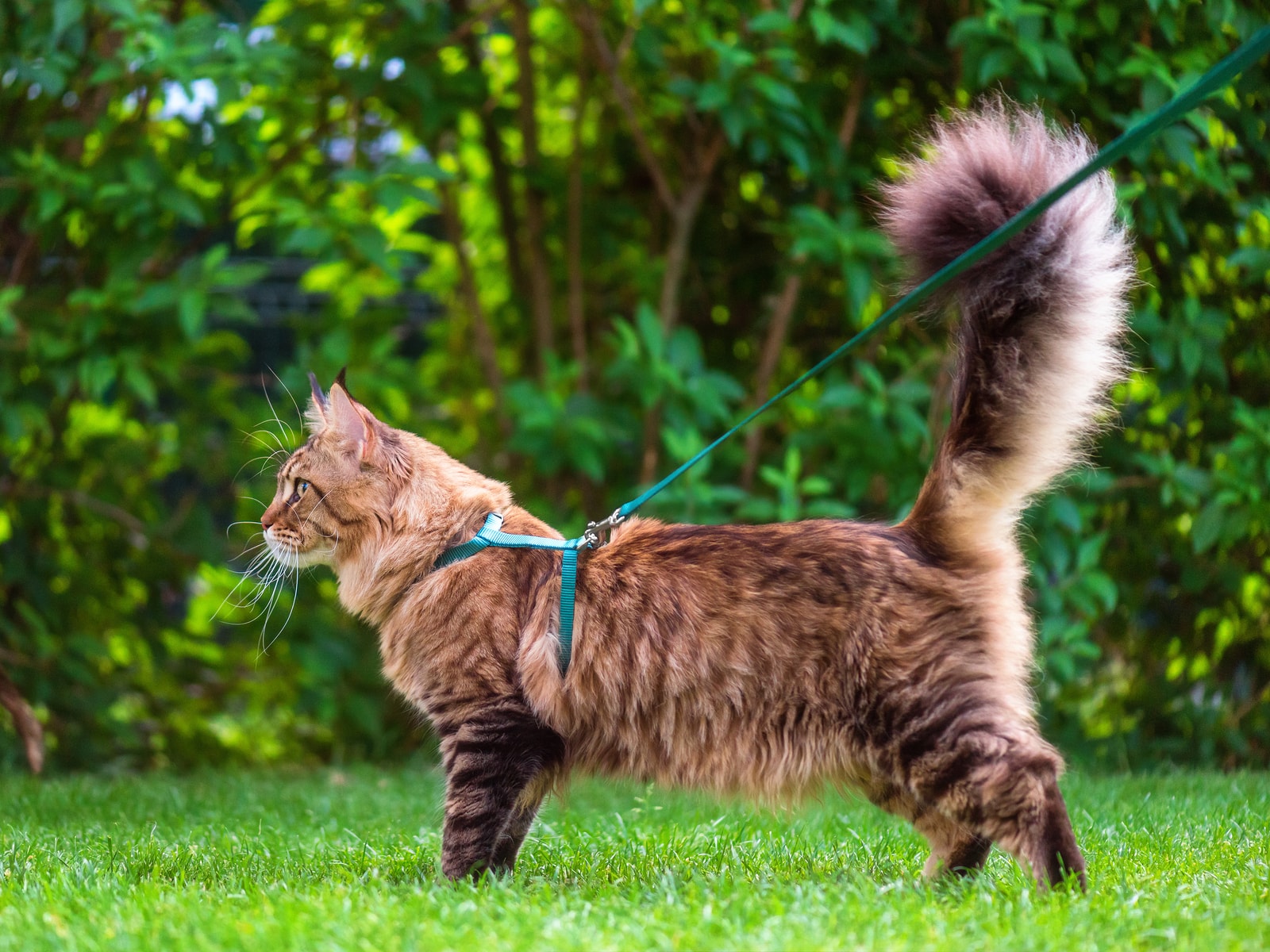
The best way to avoid diabetes in cats is through certain healthy home practices. Including proper diet. You can also consult with a vet to make sure the right diet plan for your cat – with the perfect blend of proteins, healthy fats, vitamins, and minerals.
Second, make sure your cat gets adequate exercise. Encouraging your cat to play with toys at home is a great way of keeping them active and fit. So what if a cat is not supposed to be walked in a park as regularly as a dog? You can still encourage a healthy habit of exercise to avoid long-term illnesses such as obesity, lethargy, and diabetes in felines.
Diet and exercise are 2 fool-proof ways of preventing diabetes and avoiding any unnecessary complications in your cat.
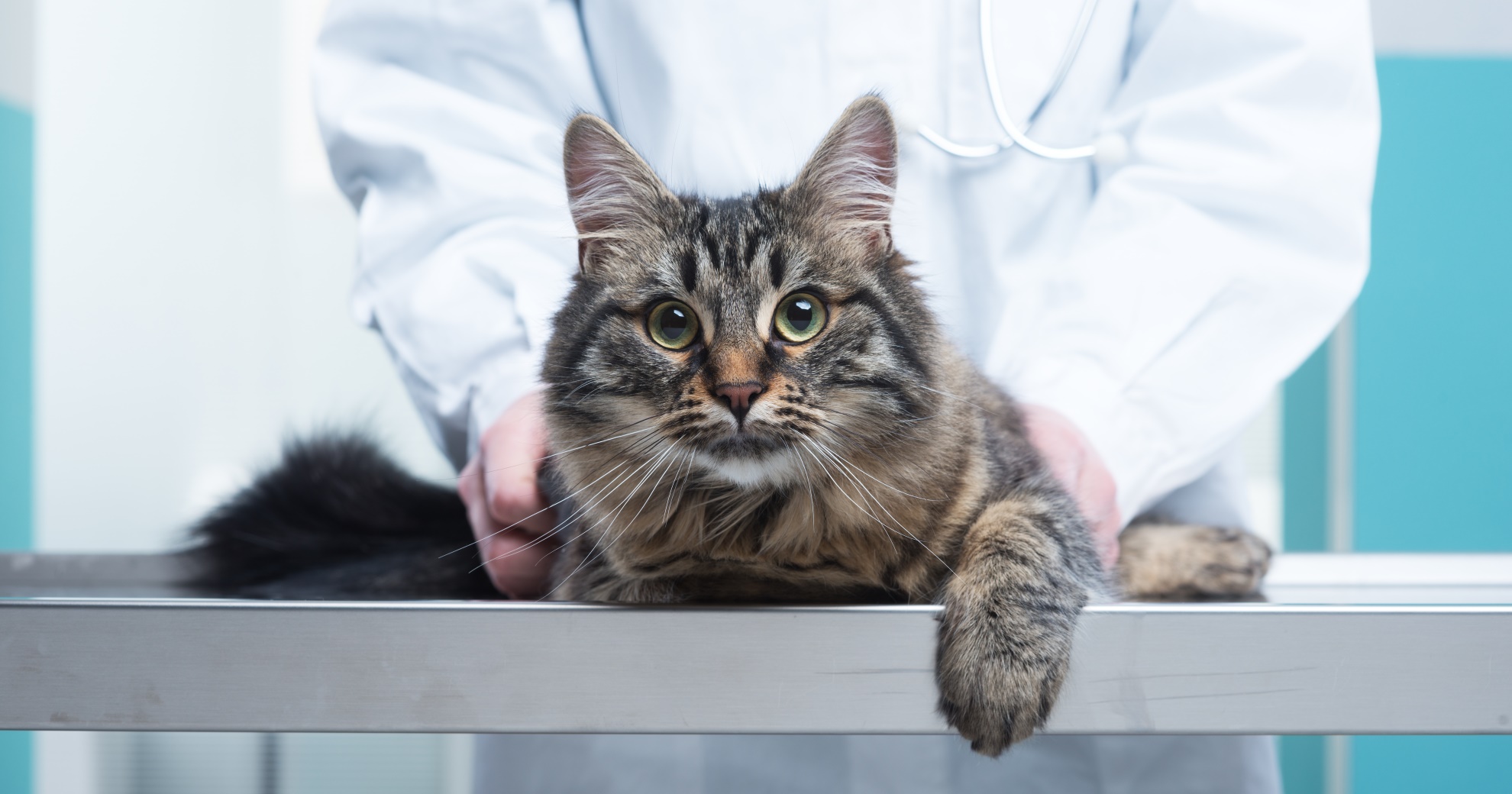
The final cost of treating diabetes in cats depends on the location of the vet but also what your cat needs with regards to medical treatment.
But to give you a general idea about what to expect, the treatment cost for cats with diabetes is anywhere from around $50 to $200, excluding the cost of medication.
The most basic type of treatment for diabetes in cats is insulin injections, diet changes, and regular blood tests to monitor the cat’s blood sugar levels.
Once the vet diagnoses diabetes in your cat, they will put your cat on a special diabetic-friendly diet. Administering insulin injections and any other medication is the responsibility of the vet.
You must not take it upon yourself to look online for the proper diabetes treatment for your cat. It’s very important to treat diabetes at a vet to prevent the condition from progressing and causing other serious health problems such as kidney failure, obesity, and heart problems.
As mentioned above, it can shorten a cat’s lifespan. But it can also lead to other serious health diseases such as hepatic lipidosis, ketoacidosis, organ failure, heart disease, and obesity.
Lipidosis and organ failure can often cause immediate death in a matter of days or weeks. The cat may also stop eating food and drinking water completely as a result of kidney failure which may cause starvation and death.
Premature death in cats with untreated diabetes is also due to the onset of other significant health problems. So make sure you pay attention to your cat’s blood sugar levels, weight management, and other dietary factors to avoid diabetes.
In many cats, the diagnosis of diabetes happens very late which could further complicate the road to recovery. So make sure you take your cat to the vet regularly to keep her blood levels in check and ensure regular exercise and a healthy diet.
While there is no “cure” for diabetes in cats, there is a proper way to manage high sugar levels with insulin therapy, a diabetes-friendly diet, and exercise. To answer a common question, can cats lead healthy lives despite diabetes? Yes, they can.
But untreated diabetes can complicate matters further, sometimes even resulting in sudden organ failure or death.
If you have an older (senior) cat, maintaining normal blood sugar levels is very crucial. Older cats respond comparatively slower to diabetic treatment. So the chances of remission in older cats are higher. Having said that, starting steroids, insulin therapy, and other medications in older cats is trickier because you have to keep in mind that it doesn’t drastically affect their kidneys.
Cats with diabetes require extra care and attention for the rest of their lives. Monitoring their blood sugar levels closely and feeding them a diabetic-friendly cat diet is essential.
Mini poodles are a small dog breed, right? So it’s totally normal and even common to want to find out how long do mini poodles live. Reasonably anticipating how many years small dogs have to live is very important. Firstly, because looking after your pet properly, be it small, medium, or large breed, is a must. And secondly, it is a mini-sized canine indeed.
Here are some vital, quick stats related to the Mini Poodle dog breed – height is between 13 and 15 inches, weight is between 15 and 17 pounds, and lifespan is between 13 and 15 years.
The life expectancy of popular small canine breeds like miniature poodles (Yorkshire terrier, beagle, French bulldog, toy poodle, etc.) is generally not more than 15 to 16 years.

There are a few breeds that consist of dogs of different sizes with specific definitions or terms of each size. In that case, miniature poodles are somewhere in the middle. On one end are the even tinier toy poodles. And at the other, the comparatively bigger standard poodles.
Mini poodles, more often than not, have a height of 13-15 inches (measured from the ground to the highest shoulder bone point when standing).
As for how long do miniature poodles live, the expected lifespan is 13-15 years. Generally, standard poodles live anywhere between 10 years and 18 years. Compared to the latter, the former have a shorter life expectancy indeed. BUT the good news is that you can increase their lifespan through proper care and attention (I’ll certainly talk about this later).

Is it really true that larger dog breeds, in general, because of their naturally bigger physique/stature, live for a shorter span of time? Shorter in comparison to what? In comparison to smaller breeds like mini poodles and toy dog breeds.
Recent studies do prove that THAT is the truth. The larger the dogs gets, the shorter his/her lifespan becomes. And that’s primarily because a larger body tends to age faster, which means that the bodily functions, organs, and systems also deteriorate faster.
Thus, greater likelihood of the development of problems related to the joints (arthritis) and other diseases.
Needless to say, there are a few exceptions. But the main (fact-based) premise is that smaller dogs live longer. That is why toy and miniature poodles have a longer lifespan (15 years) than standard poodles (12 years).

Food will and does make a HUGE difference. Based on statistics, the average miniature poodle life expectancy is between 13 years and 15 years. But how likely is it that your mini poodle beats these odds and actually lives longer?
Well, there have been cases where poodles have entered their 20s as well, which means it’s not impossible for your cute little adorable pet to live a LONG and happy life.
And miniature poodles are more likely to live for more years than expected because of their smaller size. Although you can’t just leave that to chance or destiny or fate or whatever you want to call it. You have to take such matters into your own hands. And by that, I mean controlling your dog’s diet, both daily and overall.
How much and what kind of food your pet consumes – this surely matters a great deal when it comes to not just increasing life expectancy but also his/her weight and overall well-being.
If your dog is putting on extra pounds, then there’s the risk of developing heart diseases, diabetes, and other life-altering or shortening medical problems. Also, did you know that more than 50% of dogs are either obese or overweight?
Dogs, at least most of them, have a natural tendency to eat more than is required. Hence, it’s literally under your control how much your furry companion, no matter his/her breed or size, eats. To give the right amount and even the proper kind of food to your mini poodle, it’s best to speak to a highly-rated professional vet.
And keep in mind that those additional treats you feed your pet should be factored in along with the calories consumed from his/her daily meals.

Is daily exercise a must? YES, absolutely. If it’s a must for humans, then why not for dogs, cats, and other such domesticated pets as well!
Even exercising daily has a lot to do with calories, right? Equally important is that your miniature poodle is active and athletic. The breed, on its own, is supposed to be quite energetic. They enjoy easygoing activities such as swimming and walking. But keep the activities low-impact so their delicate joints are not subjected to excessive stress.
And when your dog exercises, you exercise along with him/her. Imagine playing the game of fetch – surely both you and the little champ get some exercise done, which contributes to yours and his/her health. But what if it’s raining or snowing outside, then fetch can be played indoors too you know.
Playing with your pet dogs, irrespective of the breed, also strengthens the emotional bond between them and you. Especially in the case of miniatures! Plus, it makes the day more enjoyable and fun.
The most common medical issues among mini poodles is luxating patella and hip dysplasia (both are orthopaedic concerns). When your dog’s daily activities include too much jumping and running, his/her knee patella is more susceptible to shifting out of its socket.
A similar disease of Legg-Calve-Perthes is also quite prevalent. This is when the hip socket and ball deteriorate (mostly due to genetic causes), which leads to your dog limping. Eventually, if the condition is left untreated, he/she may not be able to put any weight or pressure on the affected leg at all.
Eye problems are also pretty common among miniature poodles.
So if you wish to be a responsible and caring owner or dog breeder, regular check-ups with the vet are more than just necessary. You want to make sure that the chances of such diseases and their ill-effects are reduced.
So now you know the life expectancy of miniature poodles. How long do mini poodles live? The answer is between 13 and 15 years. However, there are ways to increase their lifespan as well with proper care given to food and exercise.
What’s also important is paying a visit to the vet clinic every once in a while or each time your little pooch is acting strange. It’s best to treat medical issues in those early stages of development where it’s even possible to reverse the condition more easily.
And when it comes to health-related concerns, always rely on the advice of medical, certified professionals, not social media.
Moreover, keep your mini poodle’s diet in check and ensure that he/she is getting the daily dose of proper, low-impact exercise. Only then can you expect your energetic miniature-sized dog, or any other breed for that matter, to live a LONG and HAPPY life.
Just-born ferrets are very tiny creatures – 2 inches only (length-wise) and just 14 grams (half ounce) is how much they weigh. And then ferrets are also born blind, deaf, and with no teeth. The color of their very fine hair is white, which obviously changes as they pass the 3-week infancy stage.
By the time ferrets are 6 weeks old, they become quite independent but learning survival skills and socialization from the mother is still a part of the process at this point. Now, what about how long do ferrets liver for? Let’s get to know that as well.
American ferrets tend to have a shorter lifespan. The reason being the unfortunate popularity of commercial breeders that don’t give the minute attention kiddie ferrets absolutely need during their initial 12-week phase after being born.
Separating kits from their mothers too soon, spaying/neutering ferrets before they reach sexual maturity, and many more such heartbreaking, inhumane practices are accepted as the norm by large profit-making breeders. So it’s best to avoid buying from and supporting these kinds of unethical commercial breeders.

Do ferrets actually live for as long as 10 years? It seems that modern American ferrets now, in comparison to the ones that lived during the ‘80s and ‘90s, have a substantially shorter lifespan. In the past, back when the species started to gain popularity in America (up until then there were just European natives), ferrets lived for a whole decade.
But as they began becoming more and more popular in the US, a greater number of ferrets were imported from Europe, across the Atlantic. But it was in Europe that they lived for as long as 10 years. So, needless to say, the new environment was not the same. On top of that, domestic “money-minded” breeders made matters worse.
So how long do ferrets live for now? The general lifespan range of ferrets at the moment is anywhere between 5 and 9 years. The American Ferret Association states that ferrets from pet stores tend to live for a short span of time in comparison to those you get from breeders (just make sure these are responsible, ethical, professional breeders).
But why the difference between the two? In most cases, ferrets have a comparatively shorter lifespan because they’re neutered/spayed too early. A good sign that a breeder is uncorrupt and actually cares for animals is if he/she tells you to ‘fix’ the ferret only after the little one turns a year old or so. You have to allow the hormones to fully develop before neutering or spaying the animal.
Oh, there are quite a few important ones…
Stressful situations should be avoided at all costs. A healthy environment is a must indeed. And it consists of plenty of space for the ferret to play and run about. Ferrets caged up for life are more susceptible to dying young indeed.
If you’re allowing your pet ferret to move around freely, then please remember to keep the environment safe and hazard-free. Remove things like electric wires, sharp objects, toxic plants, etc. And keep the space they inhabit warm and dry, along with a fresh, good supply of air without any drafts.

A well-rounded diet for a ferret includes low carbs and high proteins. The little creature is carnivorous by nature, which implies that the diet should mainly consist of meat. You can choose high-quality ferret-specific food. No doubt, ferret-formulated food manufactured by a good brand is packed with protein (essential to ferrets’ general health).
Lots of protein and even lipids that come from fresh meat are the best to support the active lifestyle of ferrets and to keep them healthy. So please check the list of ingredients on the ferret food packaging to ensure that it contains a higher amount of meat.
Refrain from feeding your ferret cat food. Along the same lines, keep your ferret from becoming obese as that is most likely to reduce their lifespan while also giving rise to many health problems.
This is where we talk about breeders. If the breeder is a neglectful one i.e. only greedy for money and making profits, it’s most likely that he/she has not cared for the ferret during those first few weeks of the litter.
Around 3 months after being born – this particular time period is of the utmost importance when it comes to shaping the health, behavior, etc. of a ferret. Neglecting such a crucial aspect is indicative of how unreliable and unethical these types of breeders are, no matter how popular or commercial.
So make sure to not support them and instead look for trustworthy, ethical, and professional breeders. Ask about your to-be pet ferret’s relatives, meaning where he/she comes from, who the relatives are, and the like. Because genetics play a major role as far as the lifespan or longevity of ferrets is concerned.

Physical health and mental or emotional health stand on the same ground. So you have to factor in the latter as well, which involves adequate mental stimulation. This includes interaction or socialization with fellow creatures, human engagement, and playing with toys of course.
Just ensure that your ferret’s playtime is well-supervised. And let ferrets out of their cage as much as you can. They’re not meant to be caged, to begin with, please don’t ever forget that. The animal’s instinctual nature is to be intelligent and curious. And no doubt, you can nurture this side of their personality through mental stimulation.
Don’t treat them as low-maintenance pets in comparison to cats and dogs. Interact and bond with them and create a healthy, happy, active, and playful environment for them. To not just keep them alive for longer but also for more stable mental health.
Vaccinations for ferrets, first and foremost, are very, very important. Aside from that, regular vet visits are also a must. Health checkups would include blood tests, urine tests, x-rays, and the like. It’s best to speak to the vet about what kinds of tests need to be performed to ensure that your ferret is healthy.
Speaking of health, ferrets are naturally more susceptible to developing lymphoma and adrenal disease. Even dental issues are quite common, which means frequent dental cleaning and checkups are a priority as your ferret grows older.
In conclusion, how long do male ferrets live and how long do female ferrets live? To be honest, there’s no such difference in the lifespan of male and female ferrets. But ferrets, overall, live anywhere between 5 years and 7-9 years.
Back in the days i.e. before the ‘80s, the average lifespan was as long as 10 years. It’s because of unreliable, irresponsible breeders that their lifespan has now reduced since they focus more on appearances rather than mental and physical well-being.