
- Home
- Dog Behavior
How Do I Make My Dog Smell Nice?
A good-smelling dog guarantees your house won’t stink and that you can hug and cuddle them all you want. It can also help prevent dog and human illnesses, as the main causes of foul smell are dirt, germs, poop, and urine.
How do you make your dog smell nice? Definitely, proper hygiene is the only secret if you want your pup to smell great. You, as the fur-parent, are responsible for making that happen. To help you out, let’s talk about some of the best ways to ensure you have a good-smelling pup all day long, seven times a week.
How Do I Make My Dog Smell Nice?
Understandably, you can’t spend all day tending to your dog, keeping them clean and smelling fresh. Thus, below are some of the easy, safe, and expert-recommended ways to make your dog smell nice.
Bathe Them Regularly
First on our list is the most obvious: giving your dog a regular bath. This doesn’t mean you should bathe them daily, though, as it can cause more harm than good. Bathing your dog more than the recommended frequency can dry out their skin. It can then lead to dryness, allergies, and other skin conditions. It’s mostly due to the products that come in contact with their fur and skin.
Most veterinarians recommend bathing your dog every three months. Still, there are other factors to consider, such as your dog’s lifestyle, coat type, and underlying health issues. This is also where the right bathing products come in. Non-chemical-based and aromatherapy shampoos are the top recommendations.
Give Them a Quick, Dry Bath
Since you can’t bathe your dog daily, a quick, dry bath can suffice. The best thing about it is you won’t need expensive, fancy products, just baking soda or cornstarch. These items can neutralize odors, even the strongest ones.
All you have to do is put a good amount on your palm, pat it on your dog’s fur, and brush. Do note, however, that you would need to consult your veterinarian before doing so to ensure your dog isn’t allergic to baking soda or cornstarch.
Rinse Them After a Walk
Walking your dog and other forms of exercise are essential for his overall well-being and health. Sure, you can play with them indoors to prevent them from getting dirty. However, like humans, they need to go out, experience nature, and socialize.
Definitely, you can’t keep them from sweating and getting dirty. Since bathing your dog more often than recommended can be harmful, you’ll want to rinse them with water afterward instead. Doing this will rinse off dirt, mud, and other elements that can otherwise cause a foul odor. It will also help them feel refreshed after a good walk.
Use Deodorizing Spray
Rinsing your dog with water isn’t 100% foolproof, so pair it with a safe, natural deodorizing spray. You can also use these products after bathing your dog or whenever they start to smell bad. Some of the highly recommended ones that will not only help make your dog smell nice but also prevent fleas and ticks are:
- Apple Cider Vinegar: One part water + one part vinegar
- Citrus and Eucalyptus: One cup distilled water + 10 drops eucalyptus essential oil + six drops bergamot essential oil + two drops lemongrass essential oil
- Geranium and Lemon: 1/8 cup distilled water + 10 drops geranium essential oil + six drops lemon essential oil; if preferred, you can add two drops of lavender oil
- Lavender: One cup distilled water + 10 drops lavender essential oil
Mix the solution well and spray your chosen deodorizer on your dog’s body, completely avoiding their head. Also, consult your veterinarian before using any of the products listed above, even if they’re all-natural.
Brush Their Coat Regularly
Yes, brushing your canine friend’s coat regularly, as simple as it may sound, can prevent them from stinking. It can help get rid of unhealthy, dead, and tangled fur where dirt, fleas, and ticks can cling to. Brushing also limits shedding and distributes the natural oils that will not only make your dog’s coat shine but also protect his fur and skin.
Professionals recommend that you brush your furry friend’s coat two to five times a week. The longer and thicker the coat, the more frequent it should be.
Clean Their Ears
Your dog’s ears will produce a foul odor, especially when left uncleaned. That said, it would help if you regularly wipe the insides of their ears with a wet cloth. You can also purchase and use ear cleaning solutions.
Clean Their Teeth
One of the reasons your dog gets stinky is unclean teeth, so you should allow them to get used to being brushed. Giving them bones, chews, and toys that they can bite and munch on also helps clean their teeth naturally. If you notice that their breath still smells, have them checked by a veterinarian. They may have halitosis, dental issues, or other medical conditions.
Don’t Forget Their Bed and Food!
These are just some of the few things you can do. You must also not forget to provide them with clean beddings at all times. What’s more, what they eat can cause a bad smell that you can’t resolve with bathing, brushing, rinsing, and ear cleaning. Give them high-quality food for better digestion, gas prevention, and oral cavity health.
How to stop food aggression towards other dogs
Food aggression is a problem that many pet owners face. If your dog becomes aggressive when another dog comes near his food bowl, don’t worry – there are ways to help curb this behavior. In this post, we’ll outline some tips on how to stop food aggression towards other dogs. By following these simple steps, you can help ensure that both your dog and other dogs in your neighborhood can coexist peacefully.
What is food aggression?
–Food aggression is when a dog becomes overly aggressive when another dog comes near its food, either growling or actively biting the other dog. This behavior can escalate very quickly if not handled properly. A food-aggressive dog may begin to guard his food bowl from his owner and family members, forcing them to feed him in a back room away from other people.

Causes:
– Dogs that were only fed by their mothers and weren’t weaned properly may become food aggressive.
– Dogs can also learn to be food aggressive when they see other dogs in the household become aggressive over food. They will then mimic this behavior to protect what they believe is theirs.
– If a dog sees another dog take his food, he may react aggressively to defend it.
Signs of Aggression
There are several cues that can help you determine if your pet has an issue with food aggression:
1. Growling or staring at another animal when he eats
2. Snapping at any interference during mealtime
3. Eating faster than usual
4. Hiding his food bowl
5. Becoming very protective of his food bowl and growling, snapping, or even biting when other dogs come near it
How to Stop Your Dog’s Food Aggression
1. Desensitize: Desensitizing your dog is the first step you need to take when trying to fix your dog’s food aggression issue. You can do this by making feeding time less exciting for him and increasing the distance between him and other animals while he eats. Start by walking past his bowl without reacting at all and then slowly increase the time it takes for you to walk by his bowl. If he remains calm, reward him with a treat and praise.
2. Train Your Dog Not to Be Food Aggressive: You can also train your dog not to be food aggressive by teaching him that other animal coming near his bowl is a good thing. This will take some time and patience on your part, though. Start by feeding your dog in the presence of another animal and allow them to get close enough so that they don’t bother each other while eating. When your pet shows no signs of aggression, give him a treat and praise him for staying calm. If your dog begins growling or snapping at the other animal when they come near, stop what you’re doing and try again in a few hours. Repeat this step until your dog remains relaxed when another animal comes near his bowl while he eats.
3. Using a Treat Ball: Another great way to stop food aggression is by feeding your pet using an interactive toy (also known as “food dispensing toy”). This type of toy provides dogs with the mental stimulation they need to stay calm during mealtime, which will help cut down on guarding behaviors like growling at other pets when eating. A treat ball can be purchased from any major pet store or online retailer for less than $15.
4. Distract Your Pet with His Favorite Toy: You can also train your pet not to be food aggressive by distracting them with their favorite toys while they eat. Teach your dog that when other animals come near his food bowl, he should instead focus his attention on another toy. To get started, hold both toys in one hand and show them to your pet. When your pet starts paying more attention to a specific toy, toss it across the room so that he runs after it while you feed him with the other toy. Repeat this step until your pet no longer pays attention to any animals that approach during mealtime.
5. Feeding Your Dog in a Separate Room: Another way to stop food aggression is by feeding your pet inside of his own room or restricted area. This will keep animals away from your dog while he eats and cut down on the chances of him becoming aggressive towards them.
6. Pumping the Breaks: If your pet shows signs of food aggression while you’re feeding them, stop immediately and try again later when he’s in a better mood. Dogs that are overly excited during mealtimes will be more likely to growl and snap at other animals and you should try to avoid this situation until your dog calms down. Food aggression issues can’t always be fixed overnight – it may take time for your pet to realize that it’s okay for other animals to get near his bowl so don’t give up on him just because you have one bad experience with him during mealtime.
7. Food Guarding Toys: These are specially designed toys made for dogs with food aggression issues by providing them with an extra level of protection between them and their meal. These types of toys have a rubber barrier inside of them which makes it impossible other animals to get near your dog while he eats, and dogs that feel more secure in this way will be less likely to growl or snap at other animals when eating.
8. Food Guarding Spray: Another type of product you can use to stop food aggression in dogs is a spray made specifically for food guarding issues. These sprays are designed to make your dog’s bowl unappealing enough that other animals won’t want to go near it due to the strong scent and taste of the liquid they’re made with. Spraying your dog’s bowl before every meal will train him not to guard it and most products need only be applied once per week for them to work effectively.
Conclusions:
So, you should provide a peaceful environment to your dog during mealtimes. To avoid food aggression issue in dogs, you can follow the tips given above. Share this article with your friends and give your suggestions in the comment box regarding this article. You can also subscribe us for more articles like these at our email. We would love to hear from you soon!
How to stop a dog from marking in the house
Dogs are often taught to use designated areas outside to relieve themselves, but what do you do if your dog starts urinating or defecating in the house? In this blog post, we will discuss some tips on how to stop your dog from marking in the house. We will also provide information on why dogs may engage in this behavior and how you can prevent it. Thank you for reading!
What Is Marking?
-Marking is when a dog lifts his leg and urinates on an object to deposit scent. Dogs will often mark around the house or objects to ensure that their territory has been marked. Marking is generally considered normal behavior for dogs, but they may also do it because they are stressed, fearful, anxious, or unwell.

Why Do Dogs Mark in the House?
–Dogs are pack animals, so they have an innate desire to follow a leader. If you do not establish yourself as the head of the pack, your dog may try to take on this role himself. This can lead to behaviors such as marking to mark your territory as theirs.
– Dogs may also mark indoors to claim new territory or if they are anxious about something, such as another pet or person coming into their home.
-Stress: A dog may also mark in the house if they are stressed or anxious. In these cases, it is important to identify the source of the stress and remove it from your pet’s environment. If there is not a clear cause for their anxiety, then you should work with a trainer to figure out what may be causing your dog to feel this way to keep them safe and creating a calm environment.
-A New Family Member: If your dog is marking indoors, it may be because you recently added another pet or person to the family. Before bringing someone new into their home, it is important to slowly introduce them so that your pet can get used to their presence and have positive experiences with this individual.
-Medical Issues: If your dog is marking in the house, it may be due to a medical issue. If you feel that this may be the case, then you should take your pet into see their veterinarian. They will be able to determine if there is an underlying medical condition causing your pet to mark in the house and put together a treatment plan for them.
How to Stop Your Dog from Marking in the House?
-Reassert Your Role as Pack Leader: To stop your dog from marking in the house, it is important that you show them that they have a leader. There are many ways that you can do this, including exercises such as teaching them to sit and stay.
-Addressing Medical Issues: If there is not an obvious reason why your pet is marking inside, then it may be due to a medical issue so taking them into see their veterinarian may help to alleviate this behavior. Depending on what is causing your dog’s marking, they may need to undergo treatment.
-Provide Plenty of Exercise/Attention: When dogs are full of energy, they tend not to engage in other behaviors that are inappropriate. By providing your pet with plenty of exercise and attention, they will be too busy to poop or urinate inside the house.
-Block Off or Remove the Marked Items: If you would like to remove the marked items from your dog’s access, then you will need to block them off or make them inaccessible. You can use baby gates or exercise pens as a way of keeping your pet away from those items and giving them an area where they are free to move around without having to worry about marking indoors. If this is not possible, then keep clean bedding on hand so that you can replace their old bedding with something new at a moment’s notice. This will reduce the possibility of a scent being left behind that could cause your pet to want to re-mark in the same spot.
-Interrupt Your Dog in the Act: One of the best ways to stop your dog from marking in the house is to interrupt them in the act before it has a chance to be completed. When you see that they are about to do their business, give them a command such as “no.” If they respond, then praise them and give them an alternative behavior.
Reassociate the “Offending” Object or Space:
-When your pet marks indoors, it is because they feel that this object or space belongs to them. You can use positive punishment and negative reinforcement to show your dog that the place they marked is no longer an area that they should consider as their own. For example, if it is their bedding, you can make a loud noise such as clapping your hands when they go near the object and/or move them away from it before getting down on one knee and rewarding them with small treats for not going anywhere near this item again.
-If you would like your dog not just to stop urinating inside but also start using an indoor bathroom space, then you will need to train this behavior and show your pet where this area is located. Place your dog’s bed or crate in front of this location so that when they wake up or return home from being out all day, they will instinctively know this is where they should go potty.
Conclusions:
-Dogs will mark in the house when they feel like their territory and pack leader is threatened. By training your pet to understand who the leader is, giving them plenty of exercise and attention, and blocking or removing objects that may be causing them to want to mark in the house, you can help them stop this behavior. However, if your dog happens to have a medical condition that causes this behavior then their veterinarian will need to assist you with addressing it so your pet stops marking indoors for good.
How to stop dog barking at visitors
There’s nothing more frustrating than a dog that won’t stop barking at visitors. Whether it’s a friend or family member, or even a total stranger, this behavior can be extremely annoying and embarrassing. Luckily, there are ways to train your dog to stop barking at visitors, so you can have peace and quiet in your own home. Keep reading for tips on how to correct this problem behavior.
Why Does My Dog Bark at Visitors?
-There are many reasons why dogs bark at visitors. Some dogs, for instance, bark because they’re territorial and protective of their owner. They want to make it clear that your property is off limits to others. In addition, some dogs use barking to alert people about their presence or to get attention from them. If your dog is barking at you when you come home from work, he most likely wants the attention only you can give him. Other dogs tend to be extremely social and enjoy entertaining guests by making noise with them. A lot of times this type of behavior is fun and attention grabbing for both the dog and its human companions. Sometimes people even incite this kind of behavior, because they enjoy the sound of a barking dog.

Using Rewards Based Training to
Prevent and Stop Barking
-The first thing you should do to stop your dog’s barking at visitors is to consult with a professional dog trainer in your area. Once they have assessed your problem, they will be able to recommend the best type of training for your pet. Some dogs may need different types of treatment than others.
-Another approach to this problem is reward-based training. You can extinguish certain behaviors by offering rewards when the behavior isn’t occurring, instead of punishing it. For example, if you keep treats on hand and use them when your dog behaves well around friends or family members who drop by, he’ll soon learn that good things happen when guests come over. When you’re not home, place baby gates or ‘no bark’ collars around your home to prevent your pet from barking at visitors while you’re not there.
-Once your dog learns that he won’t get in trouble for barking, but will be rewarded for not barking, eventually the behavior will stop.
-With both techniques combined, you should see positive results within a few days or weeks. If you remain consistent with training and use good judgment when setting up boundaries around your home, it won’t take long for this problem to disappear completely.
Mastering the “Quiet” Command
-To get even better results, consider adding a ‘quiet’ command to your dog’s vocabulary. Just like it sounds, the purpose of this command is to get your dog to stop barking when you say so. By pairing the word with a reward, such as praise and treats, your furry friend will learn that the word ‘quiet’ means he gets something good for stopping what he was doing.
-If your pet won’t stop barking at visitors around you or other people in the house and you need some help getting him under control, contact an animal trainer in your area today. They can make sure that all members of your household understand how to best correct this behavior, so that no one gets hurt and everyone’s happy!
Don’t Punish Them
-It can be frustrating when your beloved dog won’t stop barking and what you’re doing isn’t working but remember: punishment is not the answer. Your dog won’t understand why he’s being punished, and he may start to think it has something to do with you or another person in his space. He may get defensive and growl or snap at the people he feels are threatening him. If this happens, even more problems can arise because now you have a dog who is afraid of people, but still doesn’t know how to avoid barking at them when they come through your door.
When Real Guests Arrive
-If you have a dog who doesn’t bark at imaginary people but does get excited when he sees someone familiar, you can train him to ‘sit’ instead of barking. When your guests come over, ask them to ignore the dog until he sits. Once your pet is seated, they are free to treat or give affection as normal. He should learn that good things happen when other people come into his space, because sitting politely means you’re not getting in their way and they’re not going to hurt you’. Since this technique works best if your visitors follow through with rewarding good behavior, it’s important for any family members who will be greeting your guests when they come through the door also support this positive reinforcement method of training by rewarding good behavior too.
-If your pet is a little more stubborn and you need some additional help getting him to stop barking when people come over, ask your veterinarian for advice on the best type of training collar to add to his good behavior arsenal. He will be able to recommend an appropriate bark control device or tool that will get your dog’s attention and make him pay attention to what you always want from him. While these techniques may take a bit of time and effort on everyone’s part, they’re worth it in the end! When everyone follows through with consistent training, you’ll have a happy dog who understands what’s expected of him and why he shouldn’t bark when guests come by your home.
Conclusions:
-The key to getting your dog under control is to establish yourself as a positive and dependable leader, so that he knows you’re in charge and he’ll never have to worry about defending his space or territory. It takes time, but it’s very rewarding when you see the results. If you’d like some more tips on how to teach your pet better manners around people and stop barking when they come by, contact an animal trainer in your area today!
How to stop dogs from fighting in the same household?
Dogs are loyal companions, but when you have more than one dog in your household, conflicts can arise. Understanding the reasons behind these fights and implementing effective strategies is crucial for maintaining harmony. In this guide, we’ll explore how to stop dogs from fighting in the same household, focusing on territory issues, dominance, and proper training.
Why Do Dogs Fight Each?
Dogs may fight for several reasons:
- Territory issues – Some dogs just can’t stand to share their space with other animals. It could be that they’re insecure around certain types of dogs or just don’t like other pets in general.

- Male/male and female/female dominance issues – In the dog pack, there is often a dominate male and female (or more than one). Sometimes these roles overlap, and you get two dominant dogs who view themselves as equals while sometimes they are separate, and you’ll have a group dynamic where you only have the leader of the males while the females lead themselves (like how it would be in nature). Dogs will also fight over food toys, beds, bones, etc. If one dog successfully takes possession of a bone, it might not be willing to give it up without a fight.
- Lack of proper training – Sometimes dogs need more than just leadership from their human counterparts to keep them in check. You also must train the dogs properly and make sure that they know their boundaries and who’s who on the totem pole (or ball game).
- Play fighting – Dogs will often play fight with each other (more so with puppies) which is completely normal if they know how to recognize when things are getting out of hand, or someone needs space (more on this later). Dog play can look like fighting because some breeds may be more physical about playing than others, but if you’re seeing any signs of aggression, you should try to break it up.
Food Aggression in Dogs and Other Stress Triggers
- If your dogs are suddenly fighting over the food bowl, it’s likely to be a common cause. Food aggression can be caused by lack of leadership, but I’ll talk more about that later. It could also mean that one of your dogs may need space or time away from their friend or family member. For example, if you just got a new puppy and your old dog is used to having all of the attention for itself (and/or getting fed first), it may not go well when you bring in another dog into the mix. The best way to stop this type of aggression is to provide the dominant dog with other things they can control like extra attention, toys, etc.
How to Stop Dogs from Fighting
- As with any living situation, it’s a good idea to communicate with your pets and let them know that you’re in charge. This goes for dogs just as much as it goes for people. When you have a dominate pack member, this is particularly important because they can literally walk all over the other members of the group if they aren’t following rules. With humans, we use words or expressions to get our point across when there’s a problem but with pets, sometimes having an extra alpha dog around isn’t enough to keep everyone in check. (And it probably makes things worse in most cases).
- Something like food aggression could be completely prevented if your current adult dog/dogs would give up their bowl when a new puppy comes into the picture. There are some breeds that are just naturally more dominant than others, but if you have a dog that has aggressive tendencies, there are steps you can take to help them relax around other dogs and learn how to communicate without being too physical.
- Getting down on your pooch’s level is one of those ways as well as just making sure that they know when they’re doing something right or wrong by giving them extra attention (or not so much). Dogs can sense emotions such as happiness and anger just like we do, so if you’re stressed out about your job or family life and don’t really feel like playing, it’s going to show even if you try hiding it.
- Dog fights aren’t always just random attacks if you’re paying close enough attention. If your dog is growling or showing another sign of aggression, it pays to put them in their place early on before they get comfortable walking all over their friends. Just remember that nobody’s perfect and that there are usually two sides to every story when it comes to canine behavior.
- If you have small children in the house, making sure everyone knows how to act around pets is necessary so that your little ones don’t get hurt by accident (or on purpose). Even if your kids know not to tease the dog or hit him, something like running around in circles could be enough for an upset pet to go after someone unintentionally. Having a safe space designated for pets with their own toys/food/litter box is a good way to keep them comfortable and let the little ones know that there’s a time and place for everything.
Operant Strategies to Combat Dog Fights
- Dog fights are always better when they’re prevented altogether. It’s common knowledge that you should never leave your dog in the presence of another animal while unattended, but what about when there’s more than one dog around? No matter how much you think your dog’s love each other, any type of aggression can happen at any time so it’s always a good idea to keep them separated if you must take out the trash or go to work for a few hours.
- Getting down on their level (if possible) is essential because your pup will get the message right away that you’re not intimidated by his aggressive behavior. You’ll also get flak from other people who don’t understand why you’re talking to your pet like an actual person, but it’s your life and you should do whatever it takes to keep everyone safe so people will just have to deal.
- It sucks that we can’t always be there when our pets need us and because of that, we try finding ways to make sure they’re comfortable around each other even if we’re not physically present. Usually, the best way to go about this is by letting them establish their dominance through a trial period like chasing toys or eating first (in which case you should make sure all food bowls are equal as well as what order they eat in). You can also let your dogs “work things out” themselves as long as you watch them carefully, making sure no one gets too carried away with them.
Conclusions:
Dogs are animals just like any other and there’s no reason for them not to behave like it. Part of being a responsible pet owner is making sure that your pooch is well behaved, but if you take the necessary steps to keep him in line, he’ll always be obedient whenever you need him so don’t be afraid to put his life before yours because at the end of the day, the only thing separating pets from humans is their ability to communicate with body language!
How to become a dog walker
If you love dogs, there’s no better job than being a dog walker. Not only do you get to spend time with man’s best friend, but you also get paid to do it. Dog walking can be a fun and lucrative way to make money, but it’s not as easy as just opening your door and letting the dogs out. There are a few things you need to know before becoming a professional dog walker. In this blog post, we’ll outline what those things are so that you can start walking dogs for profit today!
What is Dog Walking?
–Dog walking is exactly what it sounds like. You take dogs for a walk by yourself or with the help of staff. There are many ways to go about this including leash-walking, off-leash walks, running, and even dog jogging! Some companies have you walk multiple dogs at once, while others have you walk one dog alone. Either way, being a professional dog walker can be an extremely rewarding job if you love animals.

What does a dog walker do?
-When it comes to dog walking, there are a few different jobs you can have. The first is a solo dog walker. In this position, you would take one or two dogs for walks across your town to different locations such as parks and trails. You may also be required to give the dogs some additional exercise by running or jogging with them!
-The other option is as an office dog walker. In this position, you’ll typically bring in one dog at a time into the workplace with you where they will play and entertain both employees and customers alike! This job isn’t as focused on actual ‘walking’ but helps promote company morale which is important if your business brings in large groups of people daily.
A dog walker’s basic duties may include:
-Leash-walking dogs from location to location
-Taking dogs out to the bathroom
-Playtime with multiple dogs at once or just one dog at a time
-Administering medication as needed
-Providing companionship to dogs and their owners
-Giving advice on how to handle certain pet behaviors
-Helping new pet owners navigate through pet care
Average salary for a dog walker:
-Many dog walkers work hourly without benefits from the companies they work for. On average, a professional dog walker can make anywhere between $10-$15 per hour. This may not seem like a lot of money at first, but when you factor in how much time you’ll be spending with dogs, it’s really quiet a lot!
Training:
-While some companies will train you on the job, others may require that you have previous experience before joining their team. If your company asks for prior experience, you should consider taking courses at PetTech Academy. Here, you can learn about pet first aid and CPR, grooming dogs, training pets , and much more!
-You must also be in good physical shape if you want to be a dog walker. You’ll need to carry around heavy leashes that are linked to multiple dogs or large jogging strollers which hold up to two dogs at once. This means that it’s important carry around plenty of water when working with high temperatures outside.
Certifications:
-Depending on the company you choose, you may or may not be required to have a pet first aid certificate. This is because it’s important that all dog walkers know what to do in case of an emergency involving canines. You’ll be walking dogs through busy intersections, forest preserves, and other areas which are more susceptible to emergencies than others. Learning CPR for pets can also help increase your earning potential since most companies will require this type of training before hiring you.
-This job does come with some risks so make sure you’re aware of them before getting started! As our blog post on safety precautions for professional dog walkers explains, there are times when things can go wrong even if there isn’t any animal involved.
Skills:
-You need to enjoy being around animals and be able to handle them with care. Pet owners trust their pets with people like you so you need to show that you know what you’re doing and can be always trusted. You should always walk multiple dogs on a leash or handle them in some other fashion, so they don’t run away from you!
-You’ll also have to have good communication skills since you’ll often have to explain pet behavior, how best to complete tasks, walk multiple dogs at once, etc. This means it’s important for dog walkers to both listen well and speak clearly so that others understand what they are saying without the need for further questions.
-You’ll need to be physically active and enjoy getting outside. Therefore, dog walking is a wonderful side hustle for those who love animals but don’t want the full-time commitment of owning one!
How to become a dog walker:
-Apply for a job at a company that you think would be a good fit. You can expect to start out walking dogs with one or multiple people and then get moved up the ranks if you do well. If your dog walking abilities are above par, it’s possible to land a management position in this field!
-If you prefer self-employment, consider starting your own pet sitting business. There is a definite need for pet sitters all over the world so getting started in this field was never easier! It might take some time before you have enough clients to support yourself but when that day comes, it’ll be worth it!
-You can also go the route of starting your own dog walking business. This means that you would hire people to work with you and split the profits whenever a client hired you for a certain number of hours.
Conclusion:
-A future job as a professional dog walker is something to look forward to if you love animals within this species! You’ll have plenty of time with them every day, be able to earn money while doing something fun, and have an opportunity to take those adorable photos too!
How to stop my dog from biting when excited
We all know that dogs can get excited and sometimes they end up biting us or someone else. In this blog post, we’re going to give you some tips on how to stop your dog from biting when they’re excited. Keep in mind that every dog is different, so what works for one may not work for another – it’s important to be patient and keep trying things until you find something that works for your furry friend! Let’s get started.
Why do dogs bite?
-In general, a dog bites out of fear or out of excitement. If the dog is afraid, they’re probably going to try and get away from whatever is scaring them. In that example, it’s important not to punish the pup because that will only make them more fearful and more likely to bite if you come near them. Instead, gain their trust by being calm and giving treats when you go up to pet them – this way they’ll understand that you can be trusted! However, if your pup loves all the interaction and gets excited, then our tips below might help.

Some useful techniques stop my dog from biting when excited:
1.Distract your dog
-Most dogs get so excited when they see their owner that they don’t realize what’s going on around them. There are several ways to do this, but one option is to engage with them and offer them a treat. This will distract them from whatever situation made them want to bite in the first place! Another way to distract your pup is by using a squeaky toy – the noise might help your pup calm down and focus less on biting you or others. And yet another distraction technique you could try is crinkling (a plastic wrapper works great for this), playing music or even turning on the vacuum cleaner (if that doesn’t work, nothing will!).
2.Give your dog a timeout
-If your dog isn’t paying attention and getting excited, this is a great time to give them a quick timeout. Grab their leash and take them outside – it’s important that you don’t play with or scold your pup because they won’t understand what the problem is. Instead, gently put them in a spot where they can sit for about 10 minutes (preferably outside). When they’re done with their timeout, be sure to change the situation completely by taking them for a walk or playing fetch inside. If you continue to punish your dog each time, they get overexcited, then eventually they’ll connect bad behavior with punishment, so make sure to have fun interactions every few hours!
3.Teach appropriate behavior through positive reinforcement
-This is the best way to stop your dog from biting when they’re excited. The more you do it, the easier it will be for your pup to learn what good behavior looks like. Here are some steps on how to teach appropriate behavior through positive reinforcement:
-When your dog starts getting excited, try saying their name in a happy tone of voice before giving them a treat. If they were looking at another person or thing when you gave their name, try using an object (e.g., ball) instead – this might help them focus more on you and thus be ready to listen!
-Praise your furry friend when they look at you or any other family member/friend when they get excited (no matter if they were looking at you or another person). If your dog is playing with a toy, try using their name and wait until they look up to give them a treat.
4.Teach good behavior through negative reinforcement
Negative reinforcement is the best method if your pup gets excited and bites other people as well – this will teach them that it’s not okay to bite others and will help prevent any bad behavior from reoccurring in future. Here’s how you can do this:
-If your dog has been playing with toys but started getting excited and trying to bite the toy rather than play with it, push it away from them whenever they do this. When dogs bite too hard on toys, try to distract them by giving a different toy instead (this way they’ll associate biting others or objects with pleasure). Try not to yell at your dog if he/she is concentrating on a toy, this will only make them more excited. Keep calm and give them another toy to play with instead!
5.Never reward bad behavior through negative reinforcement
-This is one of the most important parts of how to stop your dog from biting when they’re excited – you must never reward any bad behavior by giving in to their demands (no matter how cute they look when they act like that!). It’s okay if your pup tries to get attention out of excitement, but if you give in then they’ll try it again. For instance, if your dog keeps pestering you for something while standing on his/her hind legs, ignore them until they get down before giving it to them. This teach your pup that acting like that won’t get them anything they want – positive reinforcement is the only thing you should give for good behavior.
6.Keep calm and ignore them
-If your furry friend is acting up, it’s best to stay calm and just ignore them. If you don’t say anything to them, they might not understand why you’re ignoring them, but they will eventually learn that nothing good ever happens when they misbehave!
7. Make sure to reward everything else
-No matter what the situation is, make sure to keep rewarding any other behavior besides bad behavior. For instance, if your dog starts getting excited because a person entered the room and started playing with him/her, try giving treats or a toy every time your pup isn’t starting a fight or trying to bite anyone. It’s important that you do this especially when people are around as this could cause a tragic accident. It’s always better to be safe than sorry!
8. Keep your furry friend away from small children
-It might seem like a fun idea to have a dog around your kids, but it’s best that you keep the two separates until you’ve taught them how to behave properly around other people. Dogs who aren’t trained enough will just run off and start biting your kid if they get too excited – so it’s important to teach them about appropriate behavior before letting your pup around anyone little. This is one of the best things you can do for keeping everyone safe and happy!
Conclusions:
-Dogs are just like humans in the sense that they’re both social creatures. It’s important for your pup to learn how to behave properly around others and it’s best if you teach them everything about appropriate behavior early on, before anything bad happens. Most cases of dogs attacking people happen due to lack of knowledge on how to act – so make sure you do your research if this is the first puppy/dog you’ve ever had!
How stop dog barking at night?
Do you have a dog who barks incessantly at night? If so, you’re not alone. Barking is a common behavior for dogs and can be especially problematic at night. Fortunately, there are some things you can do to help your dog stop barking at night. In this blog post, we’ll discuss three tips that should help reduce or eliminate your dog’s nighttime barking. Stay tuned!
Why Is Your Dog Barking at Night?
-Nighttime barking is a common behavior, in which dogs bark to the point of exhaustion for no apparent reason. In many cases, nighttime barking is believed to be territorial or protective in nature. However, there are other possible causes that you should be aware of: Chronic barking may be caused by separation anxiety. If your dog barks excessively when left alone, this might indicate a more serious issue. Take your dog to the vet to rule out any medical problems. If there’s nothing physically wrong with your dog and he continues to bark at night for no reason when your home, it’s likely that he suffers from some type of psychological problem (most likely separation anxiety). Try using a safe management technique like baby gates or tethering. Keep in mind that it may take a while for this to stop so you’ll need patience and consistency.

Your Dog’s Age:
-It’s not uncommon for dogs to bark more at night as they get older. As dogs age, they often experience several behavioral changes which can lead to increased barking at night. These include changes in hearing, vision, and cognitive function. Older dogs are also more likely to have health problems that can contribute to nighttime barking, such as chronic pain. Nighttime barking might also be triggered by fear or anxiety due to an existing medical condition making your dog feel less secure.
Your Dog’s Breed:
-Certain breeds tend to be more vocal than others. For example, the Rottweiler has been known as an ‘alarm’ dog because it tends to bark excessively in response to environmental stimuli such as unfamiliar sounds and motions. Other noisy breeds include: Akitas, Afghans Hounds, Beagles, Bernese Mountain Dogs, Cairn Terriers, Collies, Great Danes, Irish Wolfhounds, Miniature Schnauzers, Salukis, Samoyeds, West Highland White Terriers. If you have one of these breeds or any other breed that is predisposed to barking, you may need to be extra careful about keeping your dog quiet at night.
Your Dog’s Particular Fears or Phobias
-Dogs can develop fears and phobias for all kinds of things. Dogs can develop a fear of storms, fireworks, gunshots, balloons popping, etc. These stimuli might not always result in barking, but they could cause your dog to feel insecure or want extra security at night. Because every little sound becomes magnified by the darkness, nighttime can become even more frightening for dogs with anxiety problems. They’re likely to bark profusely if the stimulus is present. Before you know it, your dog has developed an uncontrollable habit that seems impossible to break!
Tips for stopping nighttime barking:
1.Use A Crate:
-A crate can be a very effective way of reducing barking, especially at night. If your dog is crated during the day while you are home, he may begin to associate the crate with being left alone. This will make him more likely to stay quiet while he is in the crate. One thing that’s important to note, however, is that if you use a crate for this purpose then your dog should not be left in it all day long or all night long. For example, you could have someone come over after work every day and let your pup out of his kennel so he can play outside for an hour or two before bedtime. That way won’t feel cooped up in his kennel all day long.
2.Use A Dog Muzzle:
-If your dog is barking due to anxiety or fear, you may find that putting a muzzle on him to be helpful. This will keep him from accidentally biting someone (you) while trying to get away from whatever he is afraid of. Just make sure the muzzle is properly fitted and comfortable for your pup before using it. For more info on how to go about this, check out our blog post on muzzles. If putting a muzzle on your dog makes him even more anxious, consider talking over the issue with your vet so you can put together an effective behavior modification plan for your dog’s barking habit.
3.Use A Dog Whistle:
-A dog whistle is a tool you can use to get your dog’s attention at night. You can purchase whistles that are specifically designed for this purpose, or you could simply use the cooking kind – just be careful not to burn your pup’s ears! Some dogs respond well to whistles, and it may help them stop barking whenever they hear it. We generally recommend using either a bark collar or an ultrasonic bark deterrent instead of a whistle because those products tend to work better and more reliably than whistles do.
4.Use A Bark Collar:
-A bark collar is a highly effective tool for keeping your dog quiet at night. The basic premise here is that whenever your pup barks, he gets zapped by the collar and learns over time to associate barking with getting shocked. Some collars come with multiple shock settings so you can gradually train your dog instead of shocking him every single time! We generally recommend citronella bark collars as they work well without being too painful or cruel. To find out more about these products check out our blog post on best bark collars.
5.Use an Ultrasonic Deterrent:
-An ultrasonic deterrent emits a high-pitched sound whenever it detects barking. Humans can’t hear this sound, but dogs certainly can. This sound serves as a reminder to your dog that he shouldn’t be barking, so he might stop soon after making the association between his own bark and the deterrent’s noise. If you’ve tried using a whistle or a bark collar but haven’t had much success, an ultrasonic deterrent may offer the solution you’re looking for!
Conclusions:
-Excessive nighttime barking can be a frustrating problem for dog owners, but there are ways to bring it under control. The trick is picking out an option that will work best for your individual pup! And don’t forget – you should always consult with your vet before putting together any type of behavior modification plan for your pet’s barking problems.
How to stop dog from eating poop home remedies
-Dogs will be dogs, and that means at some point they’re going to eat something gross. For most dog owners, this means coming home to find their furry friend has licked the floor clean after eating a dead animal. But for some unlucky pet parents, it means finding their pooch is happily munching on his own feces. Yuck! So, what can you do to stop your dog from eating poop? There are a few different home remedies you can try.
Why do dogs eat their poop??
-Some dogs develop the habit of eating feces (known as “Coprophagia”) simply because they like the taste. But often, dogs eat their own poop out of stress. Puppies will do this when they are scared or feeling threatened. Older dogs might also eat their stool if they feel anxious for any reason; your dog may even become anxious because you’re anxious! If you think your dog is eating poop due to stress, this article can help you learn ways to deal with his anxiety. Keep in mind that it isn’t just puppies who sometimes engage in this unsavory behavior – older dogs can too!

What home remedies can I try?
There are several home remedies you can try if your dog is eating poop. Some involve adding supplements to his food, while others require giving him a special snack.
-Add pumpkin or olive oil to their diet! You can add 1 tablespoon of canned pureed pumpkin (not the pie mix!) or olive oil to your dog’s daily meal. The added fiber in these ingredients helps bind stool together and firm it up making it much less appetizing to eat again later. You should notice an improvement within 24 hours or so! No time for that? Try another remedy below…
-Feed your pup pineapple chunks! This well-known trick involves feeding your dog fresh (or canned) pineapple chunks at least two hours before the next meal. The idea is that the natural enzymes in pineapple make poop taste bad (and this isn’t just an old wives’ tale – there’s some truth here). Be sure not to feed your dog anything else while he’s eating the pineapple; you don’t want him to eat only the fruit!
-Give them canned pumpkin or a tablespoon of canned pears or applesauce 20-30 minutes before they are fed. These fruits have lots of fiber and go through them quickly, so they aren’t around long enough to cause issues. Just be sure not to give too much!! Too much fiber can lead to lose stools so start with a little at first!
-Add some pumpkin pie spice or cinnamon to their food. Pumpkin pie spice and cinnamon both have a bad taste to dogs, so adding it to their meal will help keep them from wanting to eat their stool. You can just sprinkle some on top or mix it into the food well.
-Try Dr. Harvey’s Remedy™: It’s an all-natural herbal supplement that prevents dogs from eating poop! Just add 1 tablet per 50 lbs of body weight up to twice daily for 2 weeks then see if they’re back to normal!
-Lastly, you could always try feeding your dog something new! If none of these remedies are working, your pooch may be eating his own stool simply because he is bored with his food – especially if you feed him dry kibble which isn’t too tasty. Be sure to switch things up with different flavors, formulas, and brands! Just remember that you need to give any new food time before deciding if it’s the right choice. Many dogs have sensitive stomachs so don’t leave it in there too long or you may find yourself dealing with loose stool issues!
Behavioral Reasons Dog Eat Poopo
-Dogs may also eat their own poop (coprophagia) if they aren’t fed properly. Some dogs will eat anything, including their own stool, if they are hungry enough. If your dog is eating his stool out of hunger, make sure you spend time each day feeding him high-quality food – and watch his waistline! An unhealthy diet can lead to many serious health problems, especially with older dogs.
-Finally, some dogs eat their feces because they aren’t spayed or neutered. This means that there is a small chance that your pup is pregnant, which might be causing her to crave the taste of her own placenta. And if she’s not spayed orered, then she’s at risk of having a litter of puppies. These pups will need to be spayed or neutered as well – but this is not something you should do without talking to your vet first.
-Dogs sometimes eat the feces of other animals (coprophagia) and can develop a taste for it, even if they weren’t hungry enough to eat their own stool. If your dog eats any type of poop, make sure he has plenty of toys and bones to keep him occupied away from his waste.
-It’s also possible that your pooch might have digestive issue such as an upset stomach or food intolerance. This could lead her to eat her own stool out of pain; look out for vomiting, diarrhea, and other signs of a sick doggie. If your dog eats his own stool and has loose stools or other digestive problems, you should make an appointment to see the veterinarian as soon as possible.
Medical Reasons for Canine Coprophagia
It’s important that you take your dog to the veterinarian if he continually eats feces, as there may be a medical reason for this behavior. Some common conditions include:
-Diarrhea and other intestinal upset: Sometimes eating poop can help a dog recover more quickly from an upset stomach by getting more digestive enzymes into their system!
-Inflammatory Bowel Disease (IBD): This condition is where your dog can’t properly digest certain foods or fats, so they eat stool to get the nutrients they need.
-Anal glands impacted/infected: If your pup has had diarrhea in the past few days, his anal glands may become impacted causing him some discomfort which could lead to stool eating.
-Tumors of the small intestine or colon: Sometimes tumors can cause dogs to feel nauseous or sick, leading them to eat stool to make themselves feel better.
-Parasites: Your pet may have roundworms, hookworms, whipworms, tapeworms etc. that are living in their digestive tract which is making them anemic and weak – so they are forced to eat stool for the nutrients they need.
Conclusions:
-In most cases, dogs eat stool because they are bored and looking for a new source of nutrients. If your pooch is eating feces out of hunger, make sure you feed him a high-quality diet with plenty of tasty treats on hand to keep him busy. And if the problem stems from medical issues such as diarrhea or parasites , make an appointment to take him to the vet as soon as possible! In time, once your dog’s system has recovered from its upset stomach, he should stop eating stool altogether since those nutrients will no longer be missing from his diet.
How to train a Pitbull?
-Ready to welcome a new furry friend into your home? A Pitbull can be a great addition to any family, but it’s important to remember that they need proper training from an early age. In this blog post, we will discuss the basics of how to train a Pitbull and provide some useful tips for getting started. So, whether you’re a first-time pet owner or are just looking for some additional advice, read on for everything you need to know about how to train your Pitbull!
Positive Reinforcement:
-Reward your dog with treats and/or praise when he does something you like.
-When the dog makes a mistake in his training, give him a quick “oops” or “no” to let him know he did something wrong. Avoid yelling at the dog though, as it may damage the bond between the two of you.
-If your Pitbull has an accident indoors because of poor house training, show anger by using words such as “No! Bad boy!” then immediately take them outside for some exercise or playtime to help get rid of excess energy that could be causing this behavior in the first place.
– If your Pitbull is doing something you don’t like, such as jumping on people or chewing on shoes, then give them a stern “no” and tell him to leave it. Give the dog some type of positive reinforcement for this behavior like giving them a treat or gentle praise once he has stopped the unwanted behavior.
-It might take some time to perfect these techniques but remember that consistency is key! You will want to make sure you are consistently rewarding good behaviors and punishing bad ones so that your Pitbull knows what is expected of him.
Pitbull Socialization:
-It’s important when training any dog breed that they are taught how to be around other animals, as well as people, starting from a young age. Socialization is the process of exposing your dog to different stimuli such as other dogs and people so they can grow accustomed to them over time.
-When taking your Pitbull for walks make sure you call out to people before he gets excited or jumps on them. Teach them that jumping up on people is not acceptable behavior.
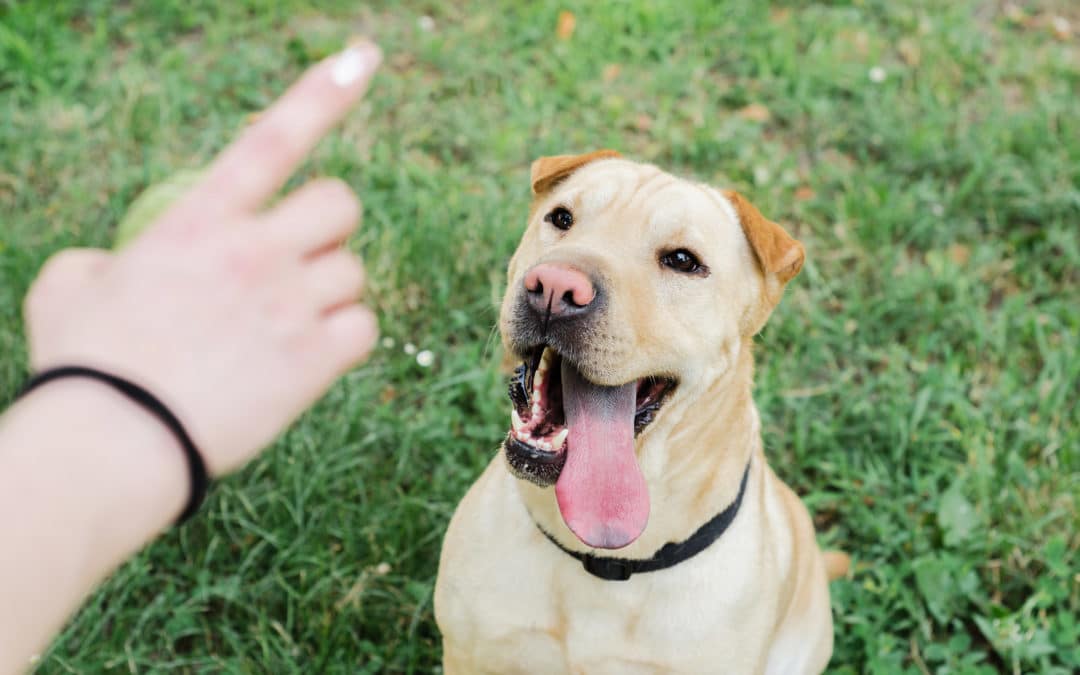
-It’s important to take your Pitbull with you everywhere you go, including family gatherings and friends’ homes where there will be lots of new things going on around him that he does not normally see every day. This will help socialize him and prepare him for any changes in his environment whenever you introduce something new.
-It’s important not to coddle your dog when they are in an unfamiliar situation. If you do this then they will be afraid of things that are abnormal to them, such as thunder or fireworks, because they won’t know how to react. If you show strength and confidence for the first couple weeks of socialization, then it will help keep your Pitbull calm during these types of events once he is older.
Give them a Job:
– If you are looking to keep your Pitbull busy, consider buying him a KONG toy stuffed with treats. Not only will this help them release energy that they might otherwise have spent pestering you for attention, but it will also provide important mental stimulation. By keeping your dog entertained in this way, not only can you avoid problems such as chewing on shoes or barking incessantly at passersby, but you can put off training them until later!
Teach Through Advanced Training and Dog Sports:
– If you’re looking for a way to bond with your Pitbull, enroll them in an advanced training program such as agility or nose work. Not only does this give the dog a sense of purpose and let him use his natural talents, but it also provides both owner and pet with mental stimulation that can pay dividends in day-to-day life.
-Like many people who own dogs, you may be looking for ways on how to train a Pitbull so they can become more obedient. There are tons of different methods out there claiming to offer the best solution because every dog is unique and requires individual efforts when trying to learn something new. For you to achieve complete success in your desired outcome, you must focus on the dog’s age, breed, and past experience with training.
Crate Training:
-One common method of house training a puppy is using a crate. This type of training uses a small, confined area with some sort of bedding inside, where the dog goes at certain times throughout the day while their owner is away.
– This gives the dog a safe place to sleep and relax without having accidents throughout your house. It also helps with other behaviors, such as barking or chewing on things, because they will only do those things in their crate, so it won’t be a problem for you when you return home from being out.
– To set up a crate training session, put your Pitbull into their crate around 30 minutes after eating to give them time to digest their food first. Always keep the door open at first so that your dog feels comfortable going inside on his own accord. After a few days of doing this, close the door but make sure they have something familiar to chew on while they wait for you to come back. Then, leave them there for around 10 minutes to start with and increase the time by 5-minute increments every day until you can return home.
-Another method of house training is called paper training, which is when your Pitbull learns where they can or cannot go on newspaper laid out on the floor of certain areas in your home that you don’t want accidents to occur. This method has been proven effective as well, especially if your dog is being trained while still a puppy.
-Your dog toilet training should start when they are around 6 to 8 weeks old. This type of housebreaking is much easier for them because their muscles are still developing and not yet fully developed until around that age, so they won’t be able to hold it in as well as an older dog would.
Conclusions:
-Pitbull’s are one of the most popular dogs in the world. However, they come with more responsibility than most dogs which is why you need to be committed before getting a pit bull as a pet. If you want to learn how to train your Pitbull, then look no further than this article because we’ve given some great advice on how to housebreak a pit bull. We’ve given steps on how to crate train a Pitbull and we also recommend that you read ‘ How to Potty Train A Dog ‘ if you’re still having issues with your pet. If you keep to these rules, then you should be able to properly housebreak your Pitbull. Remember that all dogs are individuals, and some will become fully potty trained in less time than others. If you or your dog are having difficulty with the training, then consult a professional trainer to get some extra help. Then we’re sure that you’d be able to successfully housebreak them in no time.