 Lisa Thompson
Author Archives: Lisa Thompson
 Lisa Thompson
Author Archives: Lisa Thompson
We all know that dogs can get excited and sometimes they end up biting us or someone else. In this blog post, we’re going to give you some tips on how to stop your dog from biting when they’re excited. Keep in mind that every dog is different, so what works for one may not work for another – it’s important to be patient and keep trying things until you find something that works for your furry friend! Let’s get started.
-In general, a dog bites out of fear or out of excitement. If the dog is afraid, they’re probably going to try and get away from whatever is scaring them. In that example, it’s important not to punish the pup because that will only make them more fearful and more likely to bite if you come near them. Instead, gain their trust by being calm and giving treats when you go up to pet them – this way they’ll understand that you can be trusted! However, if your pup loves all the interaction and gets excited, then our tips below might help.

-Most dogs get so excited when they see their owner that they don’t realize what’s going on around them. There are several ways to do this, but one option is to engage with them and offer them a treat. This will distract them from whatever situation made them want to bite in the first place! Another way to distract your pup is by using a squeaky toy – the noise might help your pup calm down and focus less on biting you or others. And yet another distraction technique you could try is crinkling (a plastic wrapper works great for this), playing music or even turning on the vacuum cleaner (if that doesn’t work, nothing will!).
-If your dog isn’t paying attention and getting excited, this is a great time to give them a quick timeout. Grab their leash and take them outside – it’s important that you don’t play with or scold your pup because they won’t understand what the problem is. Instead, gently put them in a spot where they can sit for about 10 minutes (preferably outside). When they’re done with their timeout, be sure to change the situation completely by taking them for a walk or playing fetch inside. If you continue to punish your dog each time, they get overexcited, then eventually they’ll connect bad behavior with punishment, so make sure to have fun interactions every few hours!
-This is the best way to stop your dog from biting when they’re excited. The more you do it, the easier it will be for your pup to learn what good behavior looks like. Here are some steps on how to teach appropriate behavior through positive reinforcement:
-When your dog starts getting excited, try saying their name in a happy tone of voice before giving them a treat. If they were looking at another person or thing when you gave their name, try using an object (e.g., ball) instead – this might help them focus more on you and thus be ready to listen!
-Praise your furry friend when they look at you or any other family member/friend when they get excited (no matter if they were looking at you or another person). If your dog is playing with a toy, try using their name and wait until they look up to give them a treat.
Negative reinforcement is the best method if your pup gets excited and bites other people as well – this will teach them that it’s not okay to bite others and will help prevent any bad behavior from reoccurring in future. Here’s how you can do this:
-If your dog has been playing with toys but started getting excited and trying to bite the toy rather than play with it, push it away from them whenever they do this. When dogs bite too hard on toys, try to distract them by giving a different toy instead (this way they’ll associate biting others or objects with pleasure). Try not to yell at your dog if he/she is concentrating on a toy, this will only make them more excited. Keep calm and give them another toy to play with instead!
-This is one of the most important parts of how to stop your dog from biting when they’re excited – you must never reward any bad behavior by giving in to their demands (no matter how cute they look when they act like that!). It’s okay if your pup tries to get attention out of excitement, but if you give in then they’ll try it again. For instance, if your dog keeps pestering you for something while standing on his/her hind legs, ignore them until they get down before giving it to them. This teach your pup that acting like that won’t get them anything they want – positive reinforcement is the only thing you should give for good behavior.
-If your furry friend is acting up, it’s best to stay calm and just ignore them. If you don’t say anything to them, they might not understand why you’re ignoring them, but they will eventually learn that nothing good ever happens when they misbehave!
-No matter what the situation is, make sure to keep rewarding any other behavior besides bad behavior. For instance, if your dog starts getting excited because a person entered the room and started playing with him/her, try giving treats or a toy every time your pup isn’t starting a fight or trying to bite anyone. It’s important that you do this especially when people are around as this could cause a tragic accident. It’s always better to be safe than sorry!
-It might seem like a fun idea to have a dog around your kids, but it’s best that you keep the two separates until you’ve taught them how to behave properly around other people. Dogs who aren’t trained enough will just run off and start biting your kid if they get too excited – so it’s important to teach them about appropriate behavior before letting your pup around anyone little. This is one of the best things you can do for keeping everyone safe and happy!
-Dogs are just like humans in the sense that they’re both social creatures. It’s important for your pup to learn how to behave properly around others and it’s best if you teach them everything about appropriate behavior early on, before anything bad happens. Most cases of dogs attacking people happen due to lack of knowledge on how to act – so make sure you do your research if this is the first puppy/dog you’ve ever had!
Do you have a dog who barks incessantly at night? If so, you’re not alone. Barking is a common behavior for dogs and can be especially problematic at night. Fortunately, there are some things you can do to help your dog stop barking at night. In this blog post, we’ll discuss three tips that should help reduce or eliminate your dog’s nighttime barking. Stay tuned!
-Nighttime barking is a common behavior, in which dogs bark to the point of exhaustion for no apparent reason. In many cases, nighttime barking is believed to be territorial or protective in nature. However, there are other possible causes that you should be aware of: Chronic barking may be caused by separation anxiety. If your dog barks excessively when left alone, this might indicate a more serious issue. Take your dog to the vet to rule out any medical problems. If there’s nothing physically wrong with your dog and he continues to bark at night for no reason when your home, it’s likely that he suffers from some type of psychological problem (most likely separation anxiety). Try using a safe management technique like baby gates or tethering. Keep in mind that it may take a while for this to stop so you’ll need patience and consistency.

-It’s not uncommon for dogs to bark more at night as they get older. As dogs age, they often experience several behavioral changes which can lead to increased barking at night. These include changes in hearing, vision, and cognitive function. Older dogs are also more likely to have health problems that can contribute to nighttime barking, such as chronic pain. Nighttime barking might also be triggered by fear or anxiety due to an existing medical condition making your dog feel less secure.
-Certain breeds tend to be more vocal than others. For example, the Rottweiler has been known as an ‘alarm’ dog because it tends to bark excessively in response to environmental stimuli such as unfamiliar sounds and motions. Other noisy breeds include: Akitas, Afghans Hounds, Beagles, Bernese Mountain Dogs, Cairn Terriers, Collies, Great Danes, Irish Wolfhounds, Miniature Schnauzers, Salukis, Samoyeds, West Highland White Terriers. If you have one of these breeds or any other breed that is predisposed to barking, you may need to be extra careful about keeping your dog quiet at night.
-Dogs can develop fears and phobias for all kinds of things. Dogs can develop a fear of storms, fireworks, gunshots, balloons popping, etc. These stimuli might not always result in barking, but they could cause your dog to feel insecure or want extra security at night. Because every little sound becomes magnified by the darkness, nighttime can become even more frightening for dogs with anxiety problems. They’re likely to bark profusely if the stimulus is present. Before you know it, your dog has developed an uncontrollable habit that seems impossible to break!
-A crate can be a very effective way of reducing barking, especially at night. If your dog is crated during the day while you are home, he may begin to associate the crate with being left alone. This will make him more likely to stay quiet while he is in the crate. One thing that’s important to note, however, is that if you use a crate for this purpose then your dog should not be left in it all day long or all night long. For example, you could have someone come over after work every day and let your pup out of his kennel so he can play outside for an hour or two before bedtime. That way won’t feel cooped up in his kennel all day long.
-If your dog is barking due to anxiety or fear, you may find that putting a muzzle on him to be helpful. This will keep him from accidentally biting someone (you) while trying to get away from whatever he is afraid of. Just make sure the muzzle is properly fitted and comfortable for your pup before using it. For more info on how to go about this, check out our blog post on muzzles. If putting a muzzle on your dog makes him even more anxious, consider talking over the issue with your vet so you can put together an effective behavior modification plan for your dog’s barking habit.
-A dog whistle is a tool you can use to get your dog’s attention at night. You can purchase whistles that are specifically designed for this purpose, or you could simply use the cooking kind – just be careful not to burn your pup’s ears! Some dogs respond well to whistles, and it may help them stop barking whenever they hear it. We generally recommend using either a bark collar or an ultrasonic bark deterrent instead of a whistle because those products tend to work better and more reliably than whistles do.
-A bark collar is a highly effective tool for keeping your dog quiet at night. The basic premise here is that whenever your pup barks, he gets zapped by the collar and learns over time to associate barking with getting shocked. Some collars come with multiple shock settings so you can gradually train your dog instead of shocking him every single time! We generally recommend citronella bark collars as they work well without being too painful or cruel. To find out more about these products check out our blog post on best bark collars.
-An ultrasonic deterrent emits a high-pitched sound whenever it detects barking. Humans can’t hear this sound, but dogs certainly can. This sound serves as a reminder to your dog that he shouldn’t be barking, so he might stop soon after making the association between his own bark and the deterrent’s noise. If you’ve tried using a whistle or a bark collar but haven’t had much success, an ultrasonic deterrent may offer the solution you’re looking for!
-Excessive nighttime barking can be a frustrating problem for dog owners, but there are ways to bring it under control. The trick is picking out an option that will work best for your individual pup! And don’t forget – you should always consult with your vet before putting together any type of behavior modification plan for your pet’s barking problems.
-Dogs will be dogs, and that means at some point they’re going to eat something gross. For most dog owners, this means coming home to find their furry friend has licked the floor clean after eating a dead animal. But for some unlucky pet parents, it means finding their pooch is happily munching on his own feces. Yuck! So, what can you do to stop your dog from eating poop? There are a few different home remedies you can try.
-Some dogs develop the habit of eating feces (known as “Coprophagia”) simply because they like the taste. But often, dogs eat their own poop out of stress. Puppies will do this when they are scared or feeling threatened. Older dogs might also eat their stool if they feel anxious for any reason; your dog may even become anxious because you’re anxious! If you think your dog is eating poop due to stress, this article can help you learn ways to deal with his anxiety. Keep in mind that it isn’t just puppies who sometimes engage in this unsavory behavior – older dogs can too!

There are several home remedies you can try if your dog is eating poop. Some involve adding supplements to his food, while others require giving him a special snack.
-Add pumpkin or olive oil to their diet! You can add 1 tablespoon of canned pureed pumpkin (not the pie mix!) or olive oil to your dog’s daily meal. The added fiber in these ingredients helps bind stool together and firm it up making it much less appetizing to eat again later. You should notice an improvement within 24 hours or so! No time for that? Try another remedy below…
-Feed your pup pineapple chunks! This well-known trick involves feeding your dog fresh (or canned) pineapple chunks at least two hours before the next meal. The idea is that the natural enzymes in pineapple make poop taste bad (and this isn’t just an old wives’ tale – there’s some truth here). Be sure not to feed your dog anything else while he’s eating the pineapple; you don’t want him to eat only the fruit!
-Give them canned pumpkin or a tablespoon of canned pears or applesauce 20-30 minutes before they are fed. These fruits have lots of fiber and go through them quickly, so they aren’t around long enough to cause issues. Just be sure not to give too much!! Too much fiber can lead to lose stools so start with a little at first!
-Add some pumpkin pie spice or cinnamon to their food. Pumpkin pie spice and cinnamon both have a bad taste to dogs, so adding it to their meal will help keep them from wanting to eat their stool. You can just sprinkle some on top or mix it into the food well.
-Try Dr. Harvey’s Remedy™: It’s an all-natural herbal supplement that prevents dogs from eating poop! Just add 1 tablet per 50 lbs of body weight up to twice daily for 2 weeks then see if they’re back to normal!
-Lastly, you could always try feeding your dog something new! If none of these remedies are working, your pooch may be eating his own stool simply because he is bored with his food – especially if you feed him dry kibble which isn’t too tasty. Be sure to switch things up with different flavors, formulas, and brands! Just remember that you need to give any new food time before deciding if it’s the right choice. Many dogs have sensitive stomachs so don’t leave it in there too long or you may find yourself dealing with loose stool issues!
-Dogs may also eat their own poop (coprophagia) if they aren’t fed properly. Some dogs will eat anything, including their own stool, if they are hungry enough. If your dog is eating his stool out of hunger, make sure you spend time each day feeding him high-quality food – and watch his waistline! An unhealthy diet can lead to many serious health problems, especially with older dogs.
-Finally, some dogs eat their feces because they aren’t spayed or neutered. This means that there is a small chance that your pup is pregnant, which might be causing her to crave the taste of her own placenta. And if she’s not spayed orered, then she’s at risk of having a litter of puppies. These pups will need to be spayed or neutered as well – but this is not something you should do without talking to your vet first.
-Dogs sometimes eat the feces of other animals (coprophagia) and can develop a taste for it, even if they weren’t hungry enough to eat their own stool. If your dog eats any type of poop, make sure he has plenty of toys and bones to keep him occupied away from his waste.
-It’s also possible that your pooch might have digestive issue such as an upset stomach or food intolerance. This could lead her to eat her own stool out of pain; look out for vomiting, diarrhea, and other signs of a sick doggie. If your dog eats his own stool and has loose stools or other digestive problems, you should make an appointment to see the veterinarian as soon as possible.
It’s important that you take your dog to the veterinarian if he continually eats feces, as there may be a medical reason for this behavior. Some common conditions include:
-Diarrhea and other intestinal upset: Sometimes eating poop can help a dog recover more quickly from an upset stomach by getting more digestive enzymes into their system!
-Inflammatory Bowel Disease (IBD): This condition is where your dog can’t properly digest certain foods or fats, so they eat stool to get the nutrients they need.
-Anal glands impacted/infected: If your pup has had diarrhea in the past few days, his anal glands may become impacted causing him some discomfort which could lead to stool eating.
-Tumors of the small intestine or colon: Sometimes tumors can cause dogs to feel nauseous or sick, leading them to eat stool to make themselves feel better.
-Parasites: Your pet may have roundworms, hookworms, whipworms, tapeworms etc. that are living in their digestive tract which is making them anemic and weak – so they are forced to eat stool for the nutrients they need.
-In most cases, dogs eat stool because they are bored and looking for a new source of nutrients. If your pooch is eating feces out of hunger, make sure you feed him a high-quality diet with plenty of tasty treats on hand to keep him busy. And if the problem stems from medical issues such as diarrhea or parasites , make an appointment to take him to the vet as soon as possible! In time, once your dog’s system has recovered from its upset stomach, he should stop eating stool altogether since those nutrients will no longer be missing from his diet.
-Ready to welcome a new furry friend into your home? A Pitbull can be a great addition to any family, but it’s important to remember that they need proper training from an early age. In this blog post, we will discuss the basics of how to train a Pitbull and provide some useful tips for getting started. So, whether you’re a first-time pet owner or are just looking for some additional advice, read on for everything you need to know about how to train your Pitbull!
-Reward your dog with treats and/or praise when he does something you like.
-When the dog makes a mistake in his training, give him a quick “oops” or “no” to let him know he did something wrong. Avoid yelling at the dog though, as it may damage the bond between the two of you.
-If your Pitbull has an accident indoors because of poor house training, show anger by using words such as “No! Bad boy!” then immediately take them outside for some exercise or playtime to help get rid of excess energy that could be causing this behavior in the first place.
– If your Pitbull is doing something you don’t like, such as jumping on people or chewing on shoes, then give them a stern “no” and tell him to leave it. Give the dog some type of positive reinforcement for this behavior like giving them a treat or gentle praise once he has stopped the unwanted behavior.
-It might take some time to perfect these techniques but remember that consistency is key! You will want to make sure you are consistently rewarding good behaviors and punishing bad ones so that your Pitbull knows what is expected of him.
-It’s important when training any dog breed that they are taught how to be around other animals, as well as people, starting from a young age. Socialization is the process of exposing your dog to different stimuli such as other dogs and people so they can grow accustomed to them over time.
-When taking your Pitbull for walks make sure you call out to people before he gets excited or jumps on them. Teach them that jumping up on people is not acceptable behavior.
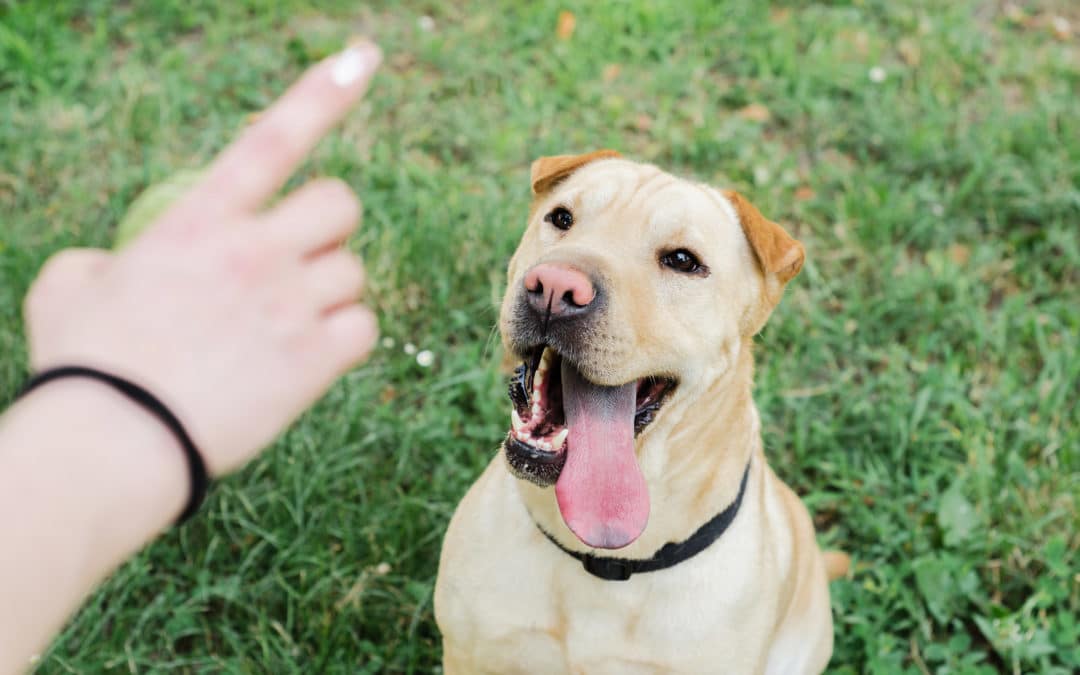
-It’s important to take your Pitbull with you everywhere you go, including family gatherings and friends’ homes where there will be lots of new things going on around him that he does not normally see every day. This will help socialize him and prepare him for any changes in his environment whenever you introduce something new.
-It’s important not to coddle your dog when they are in an unfamiliar situation. If you do this then they will be afraid of things that are abnormal to them, such as thunder or fireworks, because they won’t know how to react. If you show strength and confidence for the first couple weeks of socialization, then it will help keep your Pitbull calm during these types of events once he is older.
– If you are looking to keep your Pitbull busy, consider buying him a KONG toy stuffed with treats. Not only will this help them release energy that they might otherwise have spent pestering you for attention, but it will also provide important mental stimulation. By keeping your dog entertained in this way, not only can you avoid problems such as chewing on shoes or barking incessantly at passersby, but you can put off training them until later!
– If you’re looking for a way to bond with your Pitbull, enroll them in an advanced training program such as agility or nose work. Not only does this give the dog a sense of purpose and let him use his natural talents, but it also provides both owner and pet with mental stimulation that can pay dividends in day-to-day life.
-Like many people who own dogs, you may be looking for ways on how to train a Pitbull so they can become more obedient. There are tons of different methods out there claiming to offer the best solution because every dog is unique and requires individual efforts when trying to learn something new. For you to achieve complete success in your desired outcome, you must focus on the dog’s age, breed, and past experience with training.
-One common method of house training a puppy is using a crate. This type of training uses a small, confined area with some sort of bedding inside, where the dog goes at certain times throughout the day while their owner is away.
– This gives the dog a safe place to sleep and relax without having accidents throughout your house. It also helps with other behaviors, such as barking or chewing on things, because they will only do those things in their crate, so it won’t be a problem for you when you return home from being out.
– To set up a crate training session, put your Pitbull into their crate around 30 minutes after eating to give them time to digest their food first. Always keep the door open at first so that your dog feels comfortable going inside on his own accord. After a few days of doing this, close the door but make sure they have something familiar to chew on while they wait for you to come back. Then, leave them there for around 10 minutes to start with and increase the time by 5-minute increments every day until you can return home.
-Another method of house training is called paper training, which is when your Pitbull learns where they can or cannot go on newspaper laid out on the floor of certain areas in your home that you don’t want accidents to occur. This method has been proven effective as well, especially if your dog is being trained while still a puppy.
-Your dog toilet training should start when they are around 6 to 8 weeks old. This type of housebreaking is much easier for them because their muscles are still developing and not yet fully developed until around that age, so they won’t be able to hold it in as well as an older dog would.
-Pitbull’s are one of the most popular dogs in the world. However, they come with more responsibility than most dogs which is why you need to be committed before getting a pit bull as a pet. If you want to learn how to train your Pitbull, then look no further than this article because we’ve given some great advice on how to housebreak a pit bull. We’ve given steps on how to crate train a Pitbull and we also recommend that you read ‘ How to Potty Train A Dog ‘ if you’re still having issues with your pet. If you keep to these rules, then you should be able to properly housebreak your Pitbull. Remember that all dogs are individuals, and some will become fully potty trained in less time than others. If you or your dog are having difficulty with the training, then consult a professional trainer to get some extra help. Then we’re sure that you’d be able to successfully housebreak them in no time.
-This may sound counter-intuitive or even impossible, but it is in fact one of the most effective ways to treat excessive barking in dogs. Dog barking problems are common and can be very frustrating when they occur in “inappropriate” situations (such as when guests come over). However, before you begin correcting your dog for barking excessively, there are some important things you should know about this habit.

-First of all, let’s make sure we understand what happens when your dog barks excessively (and why he does it). What you see is only the tip of the iceberg; many different factors contribute to a dog’s overall motivation to bark excessively. These include attention seeking, anxiety, phobias, arousal and even confusion.
-The key to understanding this is to recognize that your dog barks for very different reasons in different circumstances. Therefore, the ways you deal with the barking will vary depending on what triggers it in each unique case. While some methods may indeed stop the behavior immediately in one situation, they might make the problem worse when used under other circumstances (or even instigate a problem where none existed before).
-The main reason why puppies bark is because they are extremely dependent on you for everything. They rely on your leadership to show them what is safe and what is not, what they can chew on and what they cannot, whom to play with and when to rest. If you give in an inch during the time where this dependency is so strong, it will only get worse as the dog grows up.
-You may think that your puppy gets plenty of exercise by running around in the yard or through long walks every day; but the fact remains that he probably still has a lot of excess energy that needs an outlet. It’s important to realize that some breeds (such as terriers) are simply more driven by instinct than others (such as retrievers) and will therefore require more physical and mental stimulation.
It’s all about attention: Your puppy barks because he wants to engage your attention and he knows that you can’t ignore him if he’s barking excessively. If this is the case, there are several things you should know:
Correcting your puppy for barking at any time other than when you give him permission will simply teach him that it pays off to bark if his efforts go unnoticed. You cannot punish a dog for excessive barking; instead, you must reward calm behavior (by giving treats or petting) and then instruct them to be quiet immediately after the calm behavior has occurred (e.g., “Quiet” or “Be quiet”). This way, your pup learns that good things come when he’s quiet and only barking excessively is ignored.
-Don’t correct your puppy for barking, but reward quiet behavior. Often, people make the mistake of trying to correct the dog’s barking without taking into consideration what is causing it! This can lead to serious problems down the road. For example, you may try scolding your pup every time he barks inappropriately (e.g., when there are guests over), even if the cause of his barking is excessive arousal or anxiety.
-Some people also seem to think that punishment will stop their pup from barking excessively at any time; but again, inappropriate responses will only teach your dog that it is worth it to bark as long as his efforts go unnoticed (and it might even instigate aggression). Instead of correcting him, teach your dog how to calm down and then reward him for being calm.
-The best way to stop this bad habit is to identify the triggers and treat them accordingly. You will need some time and patience, especially when it comes to severe problems such as phobias or anxiety; but in most cases, you can reduce barking quickly when you know exactly what needs to be done.
-One of the simplest ways to train your pup that barking is not an option is to create a safe space for him, where he can bark all, he wants without getting scolded. This way, you make it clear that only quiet behavior will be acknowledged while excessive barking will always be ignored. If you cannot do this yourself (e.g., when you are at work), make sure someone else is around who can keep an eye on things and let your puppy know when he’s being good or bad by giving treats or petting him when necessary.
-To create a safe place for your dog, simply put up a baby gate in one room that has access to the outdoors or an open area. Make sure the gate is high enough so that your puppy can’t jump over it, but low enough so he can still see you. Once this is done, simply tell your pup to “Quiet” or “Be quiet” whenever he barks excessively and ignore him completely afterwards.
-You may also want to purchase a bark collar with remote training capabilities so you don’t have to physically be present to correct your pup (although this should always be your last resort). Some of these even come with audio recordings of various types of sounds (e.g., thunderstorm) that might encourage excessive barking; thus, giving you the opportunity to play these before things get out of hand.
-One of the problems with excessive barking is that it may go on for hours if your pup does not have an alternative outlet. Dogs bark to express themselves, so simply telling them “No” will only work temporarily. Therefore, you should try to redirect their energies by providing activities that are just as rewarding but which cannot get them into trouble. This could be anything from chewing on a bone or stuffed Kong toy, tossing a ball back and forth to playing tug of war (if done correctly).
-Don’t scold your pup for barking or correct them yourself. This can lead to aggression and other issues down the road! Create a safe place where your dog can bark all they want without getting in trouble. If you have a bark collar with remote training capabilities, use the audio recordings that come with it to discourage barking beforehand. Give your puppy something else they can do instead of bark excessively by providing an appropriate chewing outlet, tossing a ball around etc….
-I’m sure that if you’re a puppy owner, then you’ve been through the same thing I have. You lay down for bed and your little bundle of fur gets all riled up with excitement! They run around the house, jump on furniture, and keep everyone awake until they get tired from playing. Then they come to sleep at your feet or cuddle next to you in bed – but not for long because it’s time to play again! It can be exhausting trying to get a new pup adjusted to their surroundings and create good sleeping habits. Luckily there are some ways we can help them out, so everyone has a better night of sleep!
-Just like a toddler, a puppy will need a bedtime and a regular daily schedule. For some pups this might be as early as 7 pm while others may still be raring to go at midnight! Try to figure out when your pup is most tired and lay them down for the night at that time. Once they’ve passed out it’s safe to shut the door behind them so they can’t get up again once they wake up. If you have trouble figuring out what time is best for your pup, then feel free to check out our blog on how to tell if your dog needs more exercise!

-Developing healthy evening routines and habits will help your little fur baby wind down before bed. This is the perfect time for you to help out by doing some training with your pup, playing a game or two, and having feed them their last meal of the day before bedtime. If your pups are older, they can even have some non-stimulating playtime before bed too, like taking them on a walk or giving them some alone time in another room to calm down.
-It’s important to make sure your puppy gets a good amount of sleep. When they’re tired, they’re going to be far less likely to want to play and do things that keep you up all night! A new pup will probably not be able to go more than 4 hours without needing a potty break, so it helps if someone is always at home with them. If it’s possible, try fitting in naps after their walks – this is when they are most likely to fall asleep! The quicker the learn where and how to sleep through the night, the better.
-Everyone has a rough night occasionally and it’s totally understandable, but if this is a recurring thing, then it could be an issue that needs to be addressed. Sometimes we have busy days or nights where we don’t get to spend as much time with our puppies as we usually do so they don’t realize the difference! Keep the same routine for your pup throughout his life so he can anticipate what is going to happen next and how long it will take from start to finish each day. It may seem like common sense but sometimes we forget this simple fact about sleep schedules.
-Dogs have a natural ability to sense when something is going on so if they can feel your dog bedtime routine becoming more established, then they’ll know what to expect. Ask them if they need to go potty one last time before you take them in the room and give them a treat or two for being good pets. Then lay down with them and pet their heads while telling them that it’s time to sleep. If your pup is anxious about something, ask someone else in the house to pet their head while you’re not around – this will help reassure them that everything is okay!
-Puppies are easily by things like shadows, sounds, and reflections. This can be a difficult habit for a dog to break even though you don’t want them sleeping with you until their fully potty trained or until they’re at least one year old. The best thing you can do is keep your pup in the room with you until they get tired of being awake, so they’ll come find a spot next to your bed, instead of on it!
-Everyone likes routine, even dogs! If you think about it, when does your dog get the most excited? When they know what’s coming next. Whether it’s dinner time, playtime, or bedtime – they know what to expect and they’re usually pretty stoked about it! Getting in a routine of feeding them at the same time every day will help them understand that eating is done by this time of the night.
-Turning on the right music or using a soothing sound machine will help your puppy sleep more easily. For some dogs, this includes classical music with low frequencies but for others it may mean white noise. You can find different types of white noise sounds here. The reason these calming things are effective is because they mask any noises that might be scary to your pup – like other dogs barking outside or even traffic! By helping them sleep through all those random noises, you’ll help raise their confidence by creating an environment where everything is predictable and safe for them.
-If your pup is having a hard time sleeping in an unfamiliar place, you can always help them out by getting their dreams ready. A fun way to do this is by placing a soft blanket or towel of their favorite smell of scent near where they’ll be sleeping so they feel more at ease.
-There’s nothing cuter than a sleeping puppy snuggled up in their little bed – happy and relaxed! Getting your puppy into good habits will take some time but it’s worth it because then you can all rest easy knowing you’ve done the right thing. Getting them to sleep through the night is also one of those tasks that make owners feel like they’re doing everything right for their new pup! Good luck with your furry babies and if you have any questions about this article or would like to share your experience, please leave us a comment below.
-Training your dog to ignore other dogs is an important skill for every canine citizen. It’s the foundation of good leash manners. It helps keep your dog safe and makes him a more enjoyable companion on walks, at the park, or even in “doggie daycare.” You can teach it using positive reinforcement, which is not only kind but also incredibly effective. Here are some tips to help you get started with this valuable training skill.
-While keeping distractions to a minimum during training is important, don’t avoid realistic distractions altogether. It’s also unwise to train only when there are no other dogs around because that means you’re not really testing whether your dog will ignore another dog when the situation is real. When it comes time to test his behavior, make sure you choose situations with plenty of real-world distractions (other dogs doing normal dog stuff) so that you can be sure your training has prepared him to act appropriately in the real world. Just don’t expect miracles—even when your dog is an expert at ignoring other dogs during training, he’s not likely to ignore another dog if it’s coming right at him (unless you’ve also done plenty of counter-conditioning work).

-Since you’re not looking for anything beyond a simple “sit” or “look,” it’s usually not difficult to get this behavior before practice with other dogs. However, conditioning your dog (with yummy treats) to associate other dogs with something good will increase his interest in performing the behavior even more quickly. This training step is important because it means you’ll be able to get the behavior even when he’s distracted by another dog.
-Most dogs who aren’t too pushy or food-aggressive will work well for treats, even if they tend to guard resources. With, it’s important not to use high value treats in training around other dogs because it can increase tension and arousal which can decrease the likelihood that a dog will perform under distractions. Some dogs may be distracted by other dogs but still willing to work for high value treats even when faced with another dog’s presence (it depends on everyone’s level of interest/excitement about the treat). However, this “high value = increased distraction” dynamic does not hold true for all puppies and adult dogs. To be safe, it’s best to opt for low value treats when training around other dogs if you’re not sure that your dog will remain interested
-Go for a walk with your dog while wearing a bathrobe, towel, etc.
-When you encounter another person walking a dog (and they’re not too close), allow your dog to briefly see and smell the other dog before walking away. Repeat this process several times until he’s completely unfazed by the sight or smell of another dog. You can also do this with cat scented scarves and towels if you want to test his reaction during low-distraction practice sessions (just make sure you don’t plan on getting any work done in your home for at least 24 hours!)
-Don’t make a big deal out of the presence of other dogs when practicing this exercise. In fact, try to remain completely calm and still while he’s focusing on you because otherwise you might make him nervous, and his response may be compromised. If you’re anxious or stressed out about the behavior, your dog will sense that, and it can negatively influence his performance.
-If you’re using a leash during practice sessions, ensure that it’s not attached to anything since you don’t want him to get used to dragging his owner over toward another dog.
Practice until the behavior is 100% reliable:
-The reliability of this exercise depends on how well your dog can remain calm and focused in the presence of other dogs. Therefore, we recommend practicing until he has demonstrated an ability to remain calm and focused for at least 20 minutes before proceeding with the next phase (where treats will be used).
-If your dog looks away from the other dog before you give him permission to look, or if he moves toward (or starts barking at) another dog without permission, simply use a leash correction (no more than one quick pop on the collar should be necessary) and immediately get his attention back with eye contact.
-It’s important to get your dog’s attention back when he looks away from you. However, don’t use a tug on its leash unless it necessary (i.e., not giving you enough focus) because constant leash tugs can habituate it to jerky movements and decrease his sensitivity to your body cues.
-As soon as he looks at (or focuses on) you for an extended period without other dogs in sight, give lots of praise/treats! And make sure that he knows how great the behavior is by smiling, stroking his fur gently, or getting excited about another activity like playing fetch or going for a walk. This creates a positive association with other
-Keep trying! Even if your dog is quite “into” you when there’s another dog in sight, this doesn’t mean that he’ll automatically be able to focus on you instead. With time and patience, however, the outcome will likely be worth it because most dogs love learning tricks, especially ones that can also help them with their social skills
-This exercise is best used for adult dogs who are already familiar with each other. It should only be used if they get along well together without showing aggressive or overly possessive behavior. If you have a puppy, use positive association instead of training to introduce new dogs.
-The outcome of this exercise will be a dog who can remain calm and focused on you instead of reacting to other dogs. This is a very reliable behavior because the sight, sound, and/or smell of another dog should no longer cause an unfavorable reaction.
-According to the “industry standard” before 1965, 1 horsepower is defined as 550 foot-pounds per second. Horsepower for electric motors is usually stated in units of watts or kilowatts. Since there are 746 watts in a horsepower, 1 horsepower equals about .746 kilowatts (kW).
-Today, many energy sources use the term “horsepower” when they actually mean something other than what a horse can do. For instance, steam engines are rated using boiler pressure and cylinder dimensions instead of how much work it takes to get a horse up to full speed in seconds. To confuse things further, some vehicles have been known to use electric power instead of gas/diesel power! The mechanical horsepower became the boiler horsepower, which is used for steam boilers.

-Horsepower is a measurement of work overtime, or the amount of energy that something produces. The term “horsepower” was coined by James Watt to help market his improved steam engine. He realized that people could relate to the idea of using horses as a unit for measuring strength. A healthy horse can pull with a force of about 175 pounds-force. Watt defined one horsepower as the ability to raise 33,000 pounds one foot in one minute – an average horse could do about 15 times better than this! One horsepower is also equal to 550 foot-pounds per second. While the term may not have applied directly to electric motors, it continues to be used today because no other has become universally accepted.
-One horsepower is equal to the amount of energy required to lift 550 pounds by one foot in one second (550 ft-lbs/1 s). If you want to find out how much horsepower an engine has, multiply its torque (in pound-feet) by its RPM.
-The term “horsepower” is a non-standard way of identifying the rate at which work is done. The standard for electric motors and other devices that produce a torque, such as internal combustion engines, would be watts or kilowatts. Horsepower, abbreviated hp, should not be used when referring to watts or kilowatts.
-A horse is an animal with certain physical characteristics that make it suitable for use in horsepower comparisons. As originally defined by James Watt in the 1700s, one horse can pull with a force of around 270 pounds (125 kg).
-So, 1 HP = 746 Watts/550 ft-lbs/1sec = .7368 Kilowatt
-The term “horsepower” is a non-standard way of identifying the rate at which work is done. The standard for electric motors and other devices that produce a torque, such as internal combustion engines, would be watts or kilowatts. Horsepower, abbreviated hp, should not be used when referring to watts or kilowatts.
-One horsepower for an average-sized man is about 0.75, so it would take two men working together to do the same amount of work as one horse. A human can produce about 1 horsepower for short periods, but this is very strenuous and burns a lot of calories!
-No matter how much training you have had, you cannot match the strength of a horse. While professional weightlifters may be able to lift more than 2,000 pounds over their heads (4000 newtons), horses can pull weights that are 10 times heavier with no strain at all.
-550-foot pounds per second. Multiply the amount of horsepower by .00134 to get cubic centimeters.
-One horsepower is equivalent to 33,000 pound-feet/minute or 550 foot-pounds per second. Multiply the amount of horsepower by 0.27 to get the speed in miles per hour.
-Horsepower is a measure of power over time. One horsepower is equal to the amount of work required to lift 550 pounds one foot in one second and can also be calculated as 33,000 pound-feet per minute. The metric equivalent would be approximately 735.49875 watts or 75-kilogram meters per second.
-One horsepower for an average-sized man is about 0.75, so it would take two men working together to do the same amount of work as one horse. A human can produce about 1 horsepower for short periods, but this is very strenuous and burns a lot of calories!
-No matter how much training you have had, you cannot match the strength of a horse. While professional weightlifters may be able to lift more than 2,000 pounds over their heads (4000 newtons), horses can pull weights that are 10 times heavier with no strain at all.
– Horsepower and torque. The term horsepower is often used when referring to automobiles and other vehicles. So, it’s important to be able to differentiate between “horsepower” and “torque.”
-One way of looking at this difference is by using a simple analogy: A horse needs to be hitched up to a cart before it can do any work, while an engine does not require any such assistance to produce useful amounts of power.
-Horsepower is the amount of power that an engine produces. Torque is the twisting force that you feel when you step on your accelerator pedal in your car or truck, and it’s what gets your vehicle up to speed. When people refer to “horsepower” they are often really referring to torque, because both units stand for the same thing—the amount of work something can do. Cars typically have between 100 and 200 horsepower, while motorcycles can produce anywhere from 25 to 300 horsepower.
– A horse requires 2 horsepower to sustain it
– 1 horsepower = 0.7368 kilowatts (kW)
– 1 hp = 33,000 lbft/min or 550 ftlbs/sec
-One horsepower for an average-sized man is about 0.75, so it would take two men working together to do the same amount of work as one horse. A human can produce about 1 horsepower for short periods, but this is very strenuous and burns a lot of calories!
-No matter how much training you have had, you cannot match the strength of a horse. While professional weightlifters may be able to lift more than 2,000 pounds over their heads (4000 newtons), horses can pull weights that are 10 times heavier with no strain at all.
-There are about 340 breeds of horses in the world today, each with its own distinct physical characteristics, history, and purpose for being. Some have existed for centuries while many have been developed within the past few decades. The development of new breeds is happening all the time as horse-riding becomes ever more popular and we learn better ways to breed horses suited to certain tasks or types of work. Horse breeds can be divided into five major groups: draft horses, ponies and small horses, saddle horses, show horses and miscellaneous categories such as working donkeys and zebras. Read about some interesting mainstays of human civilization by checking out these articles on draft horses, ponies, warmbloods, saddle horses and donkeys. And if you are interested in more about horse breeds, have a look at our articles on gaited horses, hot bloods, cold bloods.
-The exact count of different breeds of all types is somewhat difficult to establish since many countries have their own inventories of the best horses they have. A breed that may be unknown in one country may be considered an important heritage animal in another part of the world. For example, the Caspian horse has been extinct for over 50 years but is being revived by dedicated breeders who value this agile breed’s skills as a potential show jumper. In Iceland, there is a similar almost lost breed called the Fell Pony which has been brought back to life as well. So, breed inventories are constantly changing as horses are re-discovered or horses that were lost to history are resurrected.
-Draft horses, ponies and small horses can be further categorized by their place of origin or purpose for being. Draft breeds come from a variety of different families but were developed first as working animals that could plow fields, haul equipment, and manure out stalls among other tasks.

-These large horses are still bred to do the same jobs today although they have been popularized as parade and show animals as well.
-Some draft breeds such as Clydesdale, Shire and Percheron are some of the biggest horses in the world with mature weights ranging from 2,000 lbs. to almost 3,000 lbs.
-Ponies meanwhile were bred to work on farms but also became children’s mounts because of their smaller size and gentle natures compared to larger horses. Today, ponies come in all shapes and sizes with the Shetland Pony being the world’s smallest breed.
-Saddle horses are developed mainly to be great riding animals although some breeds were also developed for show purposes. Today, the best saddle horses are bred to be agile, have a natural balance that allows them to position themselves correctly along the track during races as well as good manners that make them pleasant rides. Saddle horse breeds include Thoroughbreds, Warmbloods, Quarter Horses, Arabians and Morgan’s just to name a few of the most popular ones. The amount of knowledge required for developing these types of horses is extensive since breeders need to know which traits make certain horses excel at certain jobs or what type of breeding program will produce the best offspring.
-Show horses tend to fall into several different groups depending on what part of the world they are bred in. Horses used for western style riding shows all fall under one major breed registry called The American Quarter Horse Association which also registers performance events like cutting, reining and calf roping competitions. Other breeds like Morgan’s, Arabians, Saddlebreds, and thoroughbreds are popular for eastern style horse shows that require a more delicate frame, high action and a good deal of training in order to perform in these classes, known as hunters or jumpers in the U.S.
-An interesting group of horses being developed today are miniature donkeys that have been crossbred with Shetland Ponies. Donkey breeds are known for their long-ears and taller stature while pony breeds are smaller with shorter ears. The cross between the breeds has produced an animal that is significantly smaller than either parent but has the same willing natures as well as intelligence that makes both donkey and pony breeds so easy to train.
-There are also several crosses of horses with other animals which produce some unusual looking creatures including horses, zonkeys, leopard appaloosa, burros .
-The answer to this question is going to depend upon your experience level, the amount of money you want to spend and what type of discipline or sport you are most interested in. If you have a lot of horse knowledge and a budget that will allow you to purchase a top-of-the-line animal, then there is no limit as to what kind of breed is best for you. However, if this information has been limited primarily to books and movies then it would be wise to start with an American Quarter Horse due to its versatility in most Western activities from trail riding, roping, cutting, and reining competitions while also being able to perform on some English style hunt seat tracks.
-The only drawback with this type of horse is that it does require more attention than some other breeds so if you feel you don’t have enough time to spend on the care and training of one then it would be best to purchase a breed that requires less upkeep. Ponies are a great choice because they can be very small and require less food, produce fewer hoof-wear problems thanks to their smaller stature and have a natural resistance to disease due to their hardiness.
-There are also some amazing breeds of horses that excel in only one discipline like the Arabian for endurance rides or racing, American Saddlebreds for show classes, Standardbreds for harness races or llamas which make great pack animals although they lack speed over ground. And if you would rather purchase an animal with no riding experience at all there are several donkey breeds on the market today that make wonderful children’s first mounts since they don’t tend to spook as easily as full grown horses do.
As you can see, there are several breeds of horses being bred for several different purposes all over the world which has allowed people to enjoy these animals in many ways. If one no longer wants to be limited by what he or she can do with a particular breed due to its size, temperament or ability then crossbreeding is an option that might provide another type of horse that would broaden your horizons while also meeting your needs and interests.
-Horses have forty-eight teeth. These include twelve incisors, adapted for cropping grass, unlike many other herbivores whose incisors are adapted for grazing on tougher vegetation. There are sixteen premolars and thirty-two molars, giving a total of forty-eight teeth.
-A horse is a large, odd-toed ungulate mammal. The horse has evolved over the past 45 to 55 million years from a small multi-toed creature into the large, single-toed animal of today. Humans began to domesticate horses around 4000 BC, and their domestication is believed to have been widespread by 3000 BC.

-There are about 300 breeds of horse in the world today. All purebred horses belong to one of three major types: draft, saddle, or harness. Other intermediate types also exist, for example between heavy draft and light riding horse types such as some warmbloods. Modern horses have developed primarily as a means of transport prehistoric times and were originally not bred for any other specific purpose.
There are 6 types of horse teeth that help with different functions.
-Incisors: These are used for grabbing grass and biting it off.
-Canines: These teeth are found between the incisors and premolars. They do not show in the horse’s mouth unless its lip is rolled, showing only the top front surface of these teeth. Horses use their canines to grasp things with their mouths, such as a bit or a person’s arm. The lower canine teeth bite against the upper cuspid tooth when a horse eats hay or other coarse feed without chewing it first into a fine pulp.
-Premolars: There are six premolar teeth on each side of both jaws behind the canines, three above and three below. These premolars grind against opposing molars to with chewing food so it can be swallowed. The premolars are very important in the horse’s diet as they ensure that food is ground up for easy digestion
-Molars: There are twelve molars on each side of both jaws, six above and six below. These grind against opposing molars to with chewing food so it can be swallowed.
-Cheek teeth: Horses have a total of thirty-four cheek teeth made up of premolars and molars.
-Chewy Horse Treats: The treats you find at your local tack store should not be hard like a rock but should be able to bend/flex before breaking if you attempt to break them using your bare hands or those meant for human consumption might not be safe for horses to ingest as they sometimes contain sodium nitrate.
-The incisors of a horse are its front teeth. The incisor teeth of the upper jaw fit into the notches of the incisor teeth of the lower jaw at the front end, and rest against a hard pad in the roof of its mouth behind its molars toward the back end. They do not continue all the way to the back of a horse’s mouth.
-The premolar teeth, sometimes called “pinchers,” are located between each set of incisors and molars on either side, above and below. These assist in cutting food before it is swallowed and in chewing tough feeds such as hay or silage.
-Horse teeth are used for eating tough foods like hay and grass, but to get the food smaller pieces are needed before you can swallow it. The bit in the horse’s mouth is used to make the horse chew their food more effectively.
-As a young horse age its teeth will change as follows: 3-5 years – 20 permanent incisors with no premolars or molars 5-7 years – 24 permanent incisors with premolars erupting 7-9 years – 28 permanent incisors with premolars and some molars erupting 9+ years – All 32 permanent incisors fully erupted, most molars present and functioning, and all premolar teeth present and functioning
-Horses’ teeth grow continually throughout their lifetime and, therefore, need to be checked regularly by a veterinarian or equine dentist. Every twelve months horses produce a new layer of tooth, and the old layer is pushed out of the mouth. If this does not happen due to uneven wear on the teeth, malocclusion can result.
-A horse’s digestive system is adapted for digesting tough food such as grasses. A muscular organ called the cecum is found between the large and small intestines where special enzymes break down tough fiber into sugars which are then absorbed into the body through the intestinal wall.
-The average sized horse eats around four to eight percent of its body weight in dry matter per day and drinks around 10 to 30 gallons of water.
-Horses that eat and drink quickly and/or a lot are at greater risk than other horses because they produce greater volumes of saliva which can pool in the mouth or run down the windpipe causing infections or choking. Some causes of an ill-fitting tooth are hereditary but other reasons are due to injuries caused through accidents, poor nutrition, lack of roughage, boredom, cribbing etc.
-Horses should be fed slowly to encourage chewing while using hay nets or slow feeder hay nets will also prevent choking while eating. Horses should never eat when excited as this encourages swallowing food too quickly therefore encouraging choke. Harsh chemicals should not be used on the teeth if it is found that they need to be filed down. This can damage the tooth and even cause the horse pain if overdone. Just like with human’s teeth, horses should see their dental hygienist at least once every 6 months for proper checking of their health!
-Horses’ teeth should not be left unattended to because if untreated they can lead to infection which could kill your horse! If you feel your horses’ teeth need attention, please do not hesitate to contact your local vet who will take care any problems! The average cost of filing a horses’ teeth is around £80-£120 depending on the severity of the problem.
-Horses’ teeth are very important to their survival because they use them for eating food and drinking water, therefore if the horse is unable to eat or drink properly it cannot survive! It’s extremely vital that you take your horses’ teeth seriously as tooth problems can cause infections which may lead to death!