 Lisa Thompson
Author Archives: Lisa Thompson
 Lisa Thompson
Author Archives: Lisa Thompson
Shock collars are not the only way to train a dog, but they can be an effective tool if used correctly. While training your pup with this method may take longer than using other methods like clicker training, it is still very possible and well worth the time and effort put in!
Shock collars can be a controversial topic among pet owners. Many people feel that these devices are cruel and unnecessary, while others swear by them as their go-to for training dogs of all sizes. Whether or not you agree with shock collar use, there’s no denying that they can be effective tools when properly trained by their handlers. When used correctly – which is to say, only used when necessary and no other punishment or reward system has been successful – shock collars can be beneficial for dogs who respond better to negative reinforcement.

Dog shock collar systems are designed with an automatic shut-off feature so your pup can’t get hurt by his trainer’s mistake. When the electric training collar senses that the dog has reached their tolerance level for discomfort, it stops delivering any corrections until you activate it again. No matter how loud your dog is barking at dinner time, he won’t receive a single zap of electricity if he’s already come too close to his pain threshold. Make sure that your pup’s behavior won’t increase their sensitivity, because they’re most likely not going to want anything to do with what got them in trouble in the first place.
This is one of those cases where using negative reinforcement can help your dog out. As long as he never feels that he’s being punished for doing nothing wrong, and only ends up wearing the shock collar when they’re acting up, there shouldn’t be any problem at all! Make sure you’re not just scaring your pooch into behaving – by giving them a reason to stop whatever behavior they’ve been engaging in, this training method can be very effective!
Be consistent with your dog’s positive reinforcement during everyday situations so they know what to expect from both lesson times and normal life. This way they don’t feel confused or anxious about anything happening around them… It won’t be long before they know exactly what’s expected of them!
Make sure you’re never using the dog training collar as an outlet for your anger. This is supposed to be a helpful tool for your pup, not something that just scares him into doing whatever you want! He’ll resent you if he thinks you’re punishing them when they’ve done nothing wrong, so it’s important to remember to only use this training method when necessary.
Every owner wants their dog to be well-behaved and obedient around the house. But with certain breeds, it can sometimes seem like no matter how hard you try or how much time you spend teaching your canine companion, there’s always some kind of problem behavior popping up here and. With shock collars designed for dog training, however, you can help your pup learn to stop doing whatever it is that’s been annoying you so much.
Dog shock collars are extremely effective when used correctly – as long as you’re using them the right way! It might take a little longer than usual for your pooch to get the hang of things and stop doing whatever behavior they’ve been misbehaving about, but only because the intensity isn’t turned up too high on their first couple tries. Keep working with them at their own pace and soon enough you’ll see a massive difference in their overall behavior!
It’s important to understand how and why this type of training works before deciding whether it’s right for your pet. The first step is finding a training collar that fits your dog well, so make sure you consider this step before trying to train them yourself. You want to make sure the shock collar for dogs is only used when you need it – like if they’re barking inappropriately or begging for food at dinner time – and isn’t activated by mistake! Once you’ve got the training collar on your pup, make sure that their behavior doesn’t increase the intensity of their trainer’s corrections. If anything, every correction should be less intense than your pooch’s reaction to it! This way they know which behaviors are appropriate and expected of them during each lesson time.
This is the most important method when it comes to dog training with a shock collar. The corrections should always be less intense than your pup’s reaction to it, so they know which behaviors are appropriate and expected of them during training sessions. You want to make sure that their behavior doesn’t increase the intensity whenever they hear a warning tone, otherwise, they’ll feel like everything they do wrong results in an electric shock!
As well as using negative reinforcement during dog crate training, you need to make sure you’re giving your pet positive incentives elsewhere. This will help him or her understand what’s going on at all times – so no matter where they are or what they’re doing, he knows exactly how he’s supposed to behave. If anything seems confusing or frightening, try using a less intense trainer on their first few lessons!
Whenever you’re training your pup with a dog shock collar, make sure they can tell exactly what’s always going on. So, no matter where they are or what they’re doing, he knows exactly how he’s supposed to behave and that nothing will hurt them – even if it looks like the collar is charging up! If anything seems confusing or frightening, be sure to use a less intense trainer during his first few lessons before trying again.
– Your dog should only wear the training collar when necessary! It shouldn’t be used as an outlet for punishment.
– Consistency is key when it comes to positive reinforcement outside of training sessions!
– When using the trainer, make sure their behavior doesn’t increase the intensity of their warnings, or your pooch will feel like every mistake can result in an electric shock!
– Make sure they can tell exactly what’s always going on – both during training sessions and outside of them!
When it comes to any kind of training, consistency is key. Keep your dog’s positive reinforcement consistent during normal times so they know what’s expected of them in addition to being familiar with the lesson time routine. It won’t take long for them to learn all lessons well! Even when using a training collar, it’s important to remember that you’re not just scaring them into doing whatever it is that you want. You need to show your pet that there are certain things they should never do and that these behaviors will only be corrected by the trainer if performed – this way, they know exactly how you expect them to behave without having to resort to any type of physical force or intimidation!
Make sure you’re never using dog shock collars out of anger or frustration. This isn’t a punishment – it’s supposed to be a helpful tool for training your pup, so they know exactly what you expect from them! It won’t take long before they learn how to be well-behaved and obedient around the house, as long as you are patient with them during the training process.
It is not uncommon for dogs to get injured or suffer from a medical condition that makes it difficult for them to walk. If your dog has developed a limp, you may be tempted to panic and take him/her straight into the veterinarian’s office. However, there are some simple things that you can do at home that could help reduce pain and discomfort in your pet until you’re able to schedule an appointment with your vet.
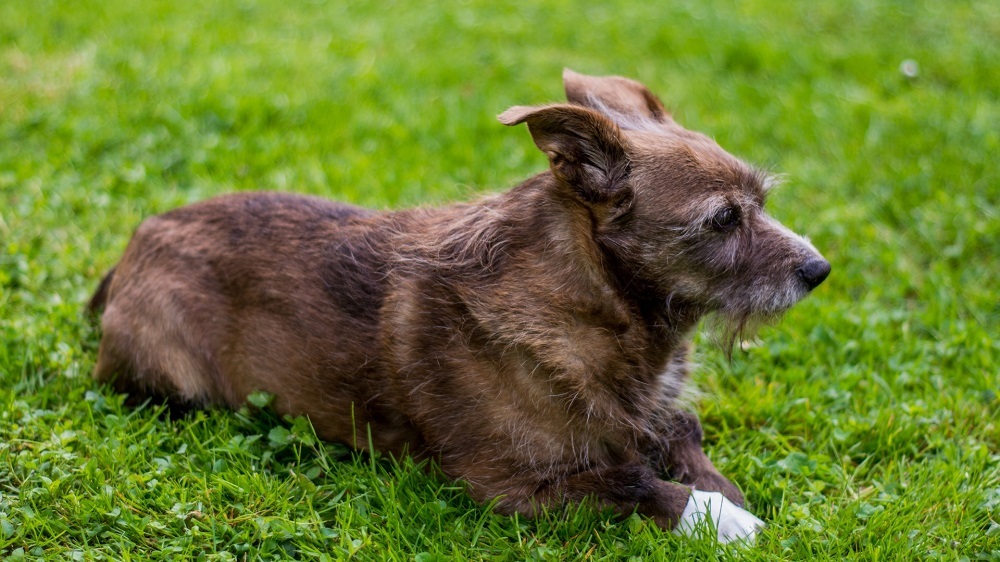
A limp can be caused by different reasons such as arthritis, hip dysplasia, sprains and strains in the leg muscles or ligaments, and even problems in the spine like disc disease or osteoarthritis (like humans). It is important to understand what type of injury is causing the limping so proper treatment can be rendered.
The most common symptom of a limp is reduced or no exercise tolerance and reduced speed in walking or running. The injured leg may be held constantly off the ground, but this isn’t always the case. If your dog can put weight on the leg, assume that there is something wrong with it and seek veterinary advice for further diagnosis. Most injuries are not life-threatening, but if left untreated they could potentially become worse over time resulting in severe arthritis or even paralysis.
Once you notice that your pet has developed a limp you should schedule an appointment with your vet as soon as possible to determine what type of injury is causing it. However, here are some home remedies that will help reduce pain and minimize discomfort until you’re able to take your pet to the vet.
Below is the best way that you can learn how to treat a limping dog at home…
– Rest: If your dog is experiencing pain when walking, it’s best to put him/her on rest until you’re able to schedule an appointment with your veterinarian. This means no walks, running, jumping, or any other activities that could potentially make the injury worse. Keep in mind that even though dogs are naturally active creatures, they still need time to recover from injuries and wounds. It’s important not only for their safety but also for speedy healing.
– Ice pack/compress: Applying ice packs several times a day can help decrease swelling around the injured area as well as minimize pain and discomfort. Some people recommend placing crushed ice inside of a plastic bag and then wrapping it with a towel before applying it to your pet’s leg, but you can also use frozen vegetables, cold water bottles, or ice cubes instead.
– Anti-Inflammatory & Pain Medication: Over-the-counter medications such as human ibuprofen (Motrin or Advil) and naproxen (Aleve), as well as other anti-inflammatory drugs may help reduce pain and itching if your dog has developed an infection around the injury site. These types of medication must be given under veterinary supervision.
– Glucosamine and chondroitin: This is a dietary supplement that has been proven to help dogs suffering from osteoarthritis. It usually comes in capsules containing glucosamine/chondroitin sulfate together. One capsule twice a day is usually enough for most dogs to notice an improvement in their mobility and overall wellbeing.
– Comfrey cream: This is another topical remedy that can help soothe skin irritations, infections and promote faster healing. It can also be used on abrasions, cuts, and other areas where the skin has become inflamed or raw due to excessive scratching or biting.
– Ibuprofen gel: Vetericyn makes a pain-relieving gel that contains ibuprofen as the active ingredient (0.5%). It works like ice packs by reducing inflammation and soothing redness but it’s more portable and easier to apply without having to worry about anything beforehand. To learn more about vet-approved medications and treatments please keep on reading.
– Cosequin: This is a dietary supplement that contains glucosamine/chondroitin sulfate together, just like the ones mentioned above. However, most vets recommend using Cosequin over others because it helps support joint health in dogs with hip dysplasia by decreasing inflammation in their joints. It also tends to work better for breeds that are susceptible to degenerative joint diseases such as German shepherds, Labrador retrievers, or Rottweilers. You can buy this product at any veterinary clinic without having to worry about anything but make sure to read instructions carefully before applying it to your dog’s skin.
– Xeflex (phalexin): This is a fast-acting anti-inflammatory and non-steroidal medication that can be administered orally. It works by reducing pain, swelling, and inflammation in dogs with osteoarthritis or other joint diseases such as elbow dysplasia, hip dysplasia, and panosteitis. Keep in mind that this medication may cause vomiting or diarrhea so you should avoid giving your dog ibuprofen while he/she is taking it.
– Amitriptyline (Elavil): This is a tricyclic antidepressant used to treat chronic pain in pets. This drug works by blocking pain signals from being sent to the brain while also increasing levels of serotonin and norepinephrine. Amitriptyline comes with numerous side effects including sedation, loss of appetite, vomiting, weight gain, and behavior changes.
– Gabapentin (Neurontin): This is a drug that’s primarily used to treat seizures in pets but it can also be prescribed for neuropathic pain. It works by blocking calcium channels on neurons to reduce the intensity of pain signals being sent to the brain. This medication often causes drowsiness or may affect your dog’s coordination at first so you should get in touch with your local veterinarian if you notice any unusual symptoms while taking it.
– Baclofen: This is another GABA agonist that has been proven to work well for dogs with anxiety-related disorders, but it can also be prescribed for canine arthritis. Unlike Amitriptyline or Gabapentin, Baclofen is less likely to cause sedation or affect coordination.
– Ketamine: This is an anesthetic that works by blocking signals being sent from the brain to different parts of the body resulting in loss of sensation. This drug can be used for postoperative pain relief, as well as during surgical procedures involving anesthesia. It’s also proven to work well for chronic pain caused by arthritis or nerve damage but it carries numerous side effects including nausea, vomiting, and confusion which means you should only use this drug under veterinary supervision.
– Tramadol (Ultram): This is a centrally acting opioid analgesic that has been approved by FDA to treat moderate to severe pain in dogs with osteoarthritis or hip dysplasia. It works by inhibiting the reuptake of serotonin and norepinephrine which results in an overall reduction of pain. This medication does carry numerous side effects including vomiting, sedation, loss of appetite, weight gain, or changes in behavior so make sure to consult your veterinarian first before starting it on your dog.
– Methadone: This is a synthetic opioid that has been approved for treating moderate to severe pain caused by canine arthritis. It works by binding to opioid receptors located throughout the body reducing pain signals being sent from the brain. Methadone should only be used for short periods since it’s known to cause serious withdrawal symptoms if used long-term.
– Dogs with overactive thyroid glands are more likely to develop problems associated with joint inflammation so you should consider checking your dog’s thyroid levels if he/she is experiencing frequent pain.
– Dogs that have been neutered or spayed are more likely to develop arthritis so avoid the urge of getting your dog fixed as it may lower his/her immune system and worsen joint problems in the future.
– A proper diet can help reduce various symptoms associated with canine arthritis including pain, swelling, and seizures. Make sure that you’re feeding your four-legged friend a healthy diet rich in Omega 3 fatty acids which will promote a healthy coat and skin while also reducing inflammation throughout the body.
Try adding an extra amount of glucosamine and chondroitin to your dog’s food since they’ve been proven to work well for canines suffering from arthritis. You can also give your dog a half teaspoon of turmeric mixed with his/her daily food since it’s been shown to reduce the severity and frequency of seizures in dogs.
On top of improving your dog’s diet, you should also provide him/her with additional supplements including fish oil, vitamin D3, and C vitamins which will promote a healthy immune system while also stimulating blood circulation throughout the body.
– Before starting any type of medication consult your local veterinarian about possible side effects associated with each drug as well as ways to avoid them such as switching dosage or adding extra medications. Your pet may experience certain side effects for the first few weeks but if they continue contacting your vet ASAP so he/she can find the safest way to minimize or avoid them.
– When starting any type of medication make sure to start with the lowest dosage possible and increase it every 4-5 days until you get your dog’s pain under control. Avoid increasing dosage more than once per week since it can cause your dog to suffer from severe side effects including seizures, confusion or vomiting so don’t forget to closely monitor him/her during the entire treatment process.
– Make sure that you’re never giving your four-legged friend any of these medications without first consulting your local veterinarian because even though they may work well for dogs suffering from arthritis they also carry numerous side effects that can be harmful in some cases. You should also keep in mind that most drugs used for treating canine arthritis aren’t FDA approved so they should always be used under strict veterinary care and supervision.
A limping dog is one of the most concerning symptoms a pet owner can see. However, it’s important to keep in mind that there are many conditions which could lead to this symptom and not all require veterinary intervention. If your pup has been struggling with an ongoing limp for more than 2-3 days, be sure to consult your veterinarian immediately – especially if other signs such as fever or lethargy have appeared alongside the limping.
Every dog owner wants to live with their pet as long as possible. As such, they strive to keep their dog safe, well exercised, and well-fed. Dogs get all the nutrients they want from the food that their owners supply. As a dog owner, your highest responsibility is to ensure that your dog has everything they need to lead a healthy life. Pets need a balanced diet to maintain their weight and energy. Animal diet includes proteins, fats, vitamins, carbohydrates, and water. However, it is challenging for dog owners to ensure that the food they feed their pets is nutritionally complete and balanced. This is why the pet industry has pet food referred to as premium or super-premium. These foods cost more, but they contain everything your dog needs. Here is why you should buy premium dog food in Pennsylvania.

Premium dog food may seem expensive, but the cost compares favorably if you consider the quality and benefits of these foods. If you are not getting your dog pet premium food, start now.
Now that travel restrictions are lifting, many of us are taking the chance to visit friends and family and planning trips for a much-needed change of scene. If you’re planning to travel with your 4-legged friend, you’ll need to make sure you’ve got everything they need to be safe and comfortable. We’ve put together a checklist to make the planning process a stress-free one.
If you’re taking your pet abroad, you’ll need to check what the requirements are for bringing them into the country you’re travelling to. Make sure you give yourself plenty of time to organise the necessary paperwork, insurance, and vaccines they might need.
Make sure you’ve got a carrier or crate that’s safe, sturdy and allows your pet enough room to move around. With dogs in the car, you’ll need to make sure they are restrained; a crate works well but there are also clip in seat belts to attach to a harness.
It’s no fun sitting down for lengthy periods of time, so imagine how your pet feels about it. You’ll need to plan stops to give them the chance to relieve themselves and stretch their legs and remember to bring poo bags to clean up after them.
Collapsible bowls are useful for providing water on the move. Pack bottles of water to make sure you can give them a drink when needed and measure out how much food you’ll need to bring. Feed them while you’re stationary to reduce the chance of travel sickness.
Heaven forbid that anything happens to your pet whilst you are away, however in order to take away the stress that comes with traveling with pets, it is recommended that you get pet insurance. Why not check out pet insurance by Petsure to provide cover for your pet in the event of an accident or emergency.
Contact your vet to make sure you’re stocked up on any medication your pet takes for the duration of your trip. Bring their flea and worm treatment if they’re going to be due for it while you’re away.
Bringing their bed or their favourite blanket will give them something that’s both comfortable and familiar, helping them to settle and rest. If you’re travelling during the summer, a cooling mat can help them to cope with the heat.
Long journeys can get boring, so make sure your pet has something low key to occupy them if needed. A long-lasting chew is a useful way for them to relieve frustration and can also help to settle pets that might struggle with travelling.
Ideally, you want your 4-legged friend to sleep or settle nicely during the journey. Set aside enough time before you leave to give them a decent walk, run in the park or playtime to burn off any pent-up energy before travel.
Shih Tzus have been around for more than a millennium now. Loving, loyal, and downright adorable – this particular breed just knows how to get your attention. But then do you know the most accurate Shih Tzu price range? There are a lot of inaccurate, wrong numbers thrown around when it comes to finding out the cost of the breed. So let’s find out the correct info!
Shih Tzus are widely popular for their amazing fur, buttoned nose, and soulful eyes. Aside from appearance, these dogs make excellent companions you know. You just can’t be around them and not laugh because of their naughty, mischievous personality. Plus, they cuddle up when you place them in your lap and there’s nothing more dog-like than that.

Needless to say, prices differ based on region as much as on other factors like age, gender, size, coat color, etc. All these determinants put things into perspective with regards to why one Shih Tzu puppy costs more or less than another.
Keeping all of that in mind, what is the average Shih Tzu price range? In America, it’s between $750 and $3,000.
The most important factor, no doubt, is the location within America. After all, even this particular market is subject to the whole supply and demand concept. If the demand is high and the supply is low, then the cost is higher. But if both the demand and supply are high, the price range becomes much more inexpensive.
In Southern American states, there are plenty of large kennels and home breeders that sell the Shih Tzu dog breed pups at a more affordable price. As low as $500-$700. But then please make sure you identify the backyard breeder types as these are only concerned about how much profit money they’re bringing in while neglecting the well-being of the dogs.
On the other hand, there are some locations where you won’t find too many breeders. This explains why the cost here starts at $1,000 or even higher.
When the breeding is not done carefully, it’s common for the litter to be in poor health (literally). Some health issues take form right after birth while others start to develop years later. Either way, you end up paying more money for veterinarian visits and bills.
Another thing – poorly bred canines are often not in compliance with the standards of the breed.
To be honest, I don’t understand and agree with these “standards” being the genuine animal lover that I am. But the point I’m trying to make here is that when irresponsible, money-minded individuals and organizations don’t conduct breeding the right way, it can affect the whole traditional, innate personality, health, and appearance of the dog. Along with causing long-term problems such as hip dysplasia.
So if the breeder you contact is demanding below $500 for a Shih Tzu pup, check it out and try to shut down that person’s business if it’s encouraging unethical, inhumane practices of breeding. Obviously, there are a few exceptions, so first check the facility and see for yourself.
There’s no denying that price matters when buying a dog. And here’s how and why…
For instance, there’s a healthy Shih Tzu that maybe an acquaintance or friend of a friend has and they can’t look after the pup. So, at such times, you jump in and adopt the little adorable creature. In that case, you may not have to pay all that much. Or you might even get the dog for free. So yeah, in this case, not paying anything does make a huge difference.
Another way to look at it – a reputable breeder is selling a purebred, AKC-certified Shih Tzu for just $100. Would you be more than willing to buy that puppy? It’s not as simple as a YES or NO, right? Because a surprisingly low price always raises red flags. So yes, once again, price has proved that it does matter.
It can be the other way around as well. Meaning untrustworthy breeders can also sell you a poorly bred dog for as high as $2,000.

Shih Tzus are a small breed. And just like all other small dogs, they’re non-destructible and friendly. Nevertheless, they need a proper diet, along with sufficient physical and mental stimulation. So all this includes food, chew toys, training, etc.
But let’s just talking about feeding for now. Once again, small breeds don’t consume food like the larger ones (German Shepherd, Labrador Retriever, etc.). The average weight of Shih Tzus is between 9 pounds and 16 pounds. Even their appetite is quite small. Around half to 3/4 cup of kibbles a day for a pup and 1 to 1.5 cups for an adult dog.
As for the cost of food, per pound costs around $2-$3. That makes a 30-pound bag worth $55. And how long does one 30-pound bag last? With 30 pounds, you get about 120 cups of kibbles. So if you adult Shih Tzu is eating 1.5 cups a day, a 30-pound bag works for 80 days i.e. nearly 3 months. Only $55 for 3 months!!!
Aside from food, you also have to think about grooming the dog. The coat of Shih Tzus, after all, is indeed not easy to manage. You have to shampoo and brush it regularly. Like many others, you can get this done by a professional, who will also give your little pooch that cute, adorable haircut. So factor in that particular cost as well.
The breed, there’s no denying, is often perceived as a status symbol. The wealthy in countries like China show off their royalty with a dog like Shih Tzu. So if you too think along those lines, then that’s not a good enough reason to bring a dog into your home. Pets, be it a dog or cat, require love, care, and affection to live a healthy, happy, and full life.
This also means making sure the dog gets a sufficient amount of exercise daily. Only then will a cuddly Shih Tzu grow up to be a friendly and joyful companion. Don’t let their diminutive size lead you to believe they’re no-maintenance dogs.
Deciding to bring home a Rottweiler dog is an important decision. A Rottweiler is thought of as a fierce yet good-natured and friendly breed. It is something that will rouse any neighbor’s guard because a Rottweiler can look intimidating and tough.
Are they as remarkable in price as they are in appearance? Read more to find out.
The availability and price of a Rottweiler pup vary by location. It is possible to find a Rottweiler in an animal shelter or adoption center in your local area. Or else you may have to travel a long distance to find a Rottweiler puppy with registration, health history, and other generation-relation information.
And naturally, all this, whether you adopt or shop, costs some money. So what is the final cost and price of a Rottweiler dog?

The answer to this simple question is a shocking ‘YES’. If you had asked me, name the top 5 most expensive dog breeds in the world, I wouldn’t have thought that a Rottweiler would make that list. A Tibetan Mastiff, obviously, also a Saint Bernard and Huskies. But a Rottweiler, no way!
But it’s true. Rotties are intelligent and energetic dogs. And the cost of purchasing a Rottweiler puppy comes from $1,500 to $3,000. The price varies depending on the location, generation-related health documents, registration, and other such factors.
But there’s a way to breakdown this price range and find your ideal fit:
Many people spend more money on acquiring the proper documents from a breeder before purchasing a Rottweiler. To do this yourself, you will have to contact a breeder and inquire about the cost of breeding, importing fees, and purchase price.
Of course, this is a long process of purchasing a dog but you can think of it like any other “shopping” spree! You see something you like so you need to take certain steps to make a transaction.
However, this is no product we’re talking about! It’s a dog’s life at stake.
So before you come to any conclusion, take a look at any number of animal shelters and local rescue centers. You can still invest in said health insurance and certificates and save a rescue Rotweiler’s life!
All these documents do is improve quality of life and guarantee that you can take care of your dog in the best, most relevant way possible. So paying a significant sum for medical check-ups shouldn’t be a hassle.
The cost of getting a dog certified and insured is $300 to $600.
Did you know that there are people who literally pay thousands of dollars to import purebred Rottweilers from Germany? This not only digs a huge hole in your pocket but also denies you the opportunity to take care of a Rottweiler that could be in an animal shelter in your own city.
So, hypothetically, how much would you have to pay for a purchase like that? Nothing less than $2,500 up to $8,000. This depends on the lineage and physique of the dog. Seems too extravagant and unnecessary, right?

The price range for adopting a Rottweiler is between $150 to $500. This covers the purchasing cost. Although some adoption centers do not charge money for adoption. You only have to cover the medical expenses (vaccinations, deworming, and extra care).
Adoption centers also offer registration services which should not cost more than $80. When you compare this price to the cost of breeding a Rottweiler even with ethical breeders, adoption is way more affordable and rewarding.
Rotties are a common dog breed, even though they are expensive. This opens you up to the malignant world of puppy mills. These two places you must, at any cost, stay away from.
And this has nothing to do with the cost. What is at stake is the quality of life of a dog. If you don’t believe me, you can ask any vet or animal shelter volunteer about puppy mills and backyard breeders.
Such places use unethical measures to breed more and more puppies. The cheaper measures they take to breed more puppies, the higher profit they make per sale.
Compare this with an ethical, certified, and registered breeder and the puppies are puppy mills are not loved, cared for, and nourished. Based on my research, it also came out that more and more people are adopting rescued puppy mill dogs as they require immediate medical attention and a loving home to live in.
Backyard breeders sell Rottweiler puppies for a shockingly less price like $50 to $80. You feel tempted to cut back costs and this not only encourages backyard breeders to sell more.
Puppies that grow up in puppy mills or by backyard breeders also fail to socialize positively with other dogs. Proper and positive training and socialization are necessary to improve the quality of life and keep your dog happy.
So what do you think the cost comes up to for owning a Rottweiler? The average cost of a Rottweiler puppy is $1,000. You can go higher up if you take into consideration the champion bloodlines, registration, and transportation fees.
Adopting a puppy or an adult Rottweiler is obviously cheaper. In some places, this also includes registration papers, disease testing, and vaccines.
Lots of factors can influence the price of a Rottweiler. Where you plan on buying a Rottweiler is a significant investment. And factoring in the initial costs like food, bed, toys, leash, harness, and vet visits are also important.
Based on my research, the origin of the pup, size, and gender are other factors that a lot of breeders ask you about when you want to buy a Rottweiler. And on that note, I’d like to say just one thing, a Rottweiler’s standard size is not more than 40 to 60 kilos. And you will not notice any significant difference between a male and a female dog.
What does matter, however, is its origin. You can expect to pay a lot more for a champion breed than a mixed breed. Purebred costs $400 more than mixed breed Rottweilers. So do your research well and before falling for a set price.
You’ll find all kinds of articles and how-to guides about raising a Pomeranian puppy for beginners. But what you won’t find, at least not in the way I’m about to lay it down for you, is the Pomeranian puppy price range.
So bluntly put, how much does a Pomeranian puppy cost?
You might want to consider more than the initial cost of buying a Pomeranian puppy. There’s food, training, grooming, medical bills, supplies, and bedding that you need to think about as a part of that initial cost.
Other factors like breeding, registration, and location also determine the cost of the puppy. Where do you plan to purchase the puppy from? A dog breeder or a shelter? Is it a pure or mixed breed Pomeranian puppy? Do they have the proper registration certificate?
All these factors weigh in, that much you know, but how much? That’s what this article is all about.

Even though a Pomeranian is a small breed, the buying price of a puppy is somewhere between $70 to $200. A more expensive Pomeranian puppy will be registered with proper information about the previous litter, health conditions, and such history of the dog or breed.
If the Pomeranian puppy you seek comes from a Champion breed, expect the costs to go way higher than the average price range. Champion breeds cost somewhere between $1000 to $3000.
Now, between this price spectrum of $70 and $200 or more, there are a few factors that influence the cost of a Pomeranian puppy. Such as…
When you buy a dog, any breed, from a breeder, considering the breeder’s status is very important. Are they registered breeders? So you know someone who has bought a dog from the breeder before you? How do they take care of the animals in their organization? The breeding standards, health facilities, etc.
There are also two kinds of breeders you’ll come across. First is the kind who breeds dogs for dog shows. They often charge more – $100 to $200 – for a puppy. This is because they feed the dog high-quality, premium-grade nutrition and take extra measures to maintain their coat and overall health.
The second kind is someone who breeds purebred and mixed dogs domestically. They might not charge as much – $80 to $150 – but they, too, adhere to proper standards. Such as ensuring that the dog comes from a family, little to no genetic health conditions, proper medical papers, and registration.
Do not give in to breeders who claim they are excellent breeders even though they have nothing to show for it. Sketchy breeders are littered everywhere in the country.
You need someone reputable so make sure you do a background check before approving a breeder to buy a Pomeranian puppy for the first time.

The initial cost of a Pomeranian puppy also depends on how young the puppy is. When you buy an adult purebred Pomeranian, the cost will be slightly higher if you want to enroll the dog in a dog show. Breeders groom and maintain the Pomeranian according to dog show standards. And then they sell the dog at a higher price to make a profit.
With Pomeranian puppies, that is not always the case. It is less expensive to buy a Pomeranian puppy as a pet, not a dog show contestant. Taking care of a younger pup will also cost you more in terms of food, bedding, and medicines.

Pomeranian puppies that are lighter than 2kg are referred to as ‘Teacup’ Pomeranians. They are literally the size of a teacup. Because of their tiny size, origin, and other health conditions, they cost way higher than your average Pomeranian puppy.
The original Pomeranian breed comes from Germany. But they’re also famous and widely bred in Britain. Also, Pomeranians frequent most American dog shows which makes them a popular dog breed for a comfortable lifestyle all over the world.
According to AKC, the average size of a Pomeranian is within the range of 2 to 5 kg in weight. And they reach up to 25 to 30 cm in height. Teacup Pomeranians are lower than 2kg and 25cm.
Since this is the average weight and height of a Pomeranian, they don’t cost as much. But Pomeranians that are smaller or bigger than this average range are more expensive because they are not as widely available for adoption or purchasing.
Before you purchase a Pomeranian puppy, you have to make sure that they are vaccinated or checked by a professional. You can either take the new puppy to your trusted vet or have the breeder provide you with the proper documentation for it.
A Pomeranian puppy should be vaccinated after 6 weeks of age. A vet’s clinic provides an approved vaccination certificate to validate this treatment. Next, is the vaccination certificate of the puppy’s parents, if you want more information about it.
The follow-up vaccination is at 12 to 16 weeks of age. During this time, the puppy is not supposed to roam in public parks or around other dogs. This is because they may get infected very easily which would lead to a compromised immune system.
Talk to the vet about other vaccinations for distemper, parvovirus, and hepatitis. Loss of appetite, bleeding, excessive drooling, pain, pus discharge from the eyes, ears, nose, etc., fever, and depression are symptoms that the Pomeranian hasn’t been vaccinated.
If you’re buying an unregistered puppy, take them to the vet immediately for a complete check-up. The cost of this depends on the location of the vet. But the average price range is between $100 to $300.
From this, it can be said that the Pomeranian puppy price range is a little over or below $500. But it depends on the puppy’s vaccination schedule, registration, breed, and age.
Bringing a new puppy home is never easy. So having the cost range in mind before taking such a huge step is the right thing to do. Being financially prepared to take care of a dog shouldn’t have to be a burden. So plan wisely and act considerably!
The mix between Bulldog and Terrier is American Pitbull Terrier (also known as just Pitbulls). But is it solely for the appearance that you want to know what is the Pitbull dog price range? Or it is also because of their unique characteristics, behavioral too aside from just physical?
Whatever the case, the cost of buying and adopting brave, strong American Pitbull Terriers is a part of this post. But then you also need to understand that there are multiple factors that determine the cost. Such as gender, documentation, physical attributes, and the like.
So let’s find out as much as possible from all possible sources…

What is the Pitbull dog price range actually depends on the source from where you choose to buy. And those sources are as follows…
By professional, I mean certified breeders. They sell Pitbull dogs for around $2,000. But a lot goes into this than just that. Meaning you have to select a professional, trusted breeder that knows how breeding is done. And more importantly, how to go about it humanely without putting the health and well-being of the animal at risk.
If the breeder is one of the many infamous backyard types, they’re guilty of selective breeding. And that, no doubt, gives rise to unhealthy, unstable temperament problems in a dog like Pitbull. Along with several other serious health concerns too.
On the other hand, responsible breeders take all the necessary steps required for producing puppies that have a friendly, playful nature. So these dogs grow up to be nothing but gentle, obedient, affectionate, loving, protective, and lots more. Unlike the most common myth that Pitbulls cannot be pets because of their aggressive nature. It’s all about the upbringing and surrounding environment.
A good breeder takes care of early training and socialization practices. More often than not, they also provide information with regards to the puppy’s genetic history and overall health.
Personal connections can get you places for sure. In this case, it can actually get you a Pitbull pup for a much lower cost. So that’s a huge advantage. Just make sure you know that person well enough. Meaning it’s better if he/she is a part of your family or a friend, work buddy, or something like that.
If you have and can interact with this person directly, then getting access to information like the parents of the dog is much easier. This way, you can also find out more about the little creature’s social skills, personality, temperament, etc.
Now here’s the very fortunate truth. Kennel Clubs sell puppies only to those individuals and families that are genuine animal lovers. So if you’re someone who actually values the lives of dogs, you can get a pup from a Kennel. But then if the organization isn’t even slightly convinced with regards to your attitude toward the Pitbull, they’re certainly not going to go ahead with the deal.
The $2,200 price tag is indeed the highest in comparison to the other sources mentioned above. Plus, the process involved is more time-consuming as well. But then you can’t beat the exceptional initial plus after-care services Kennel Clubs provide. They also tell you all about the dog’s diet, local vets, dog training coaches, etc.
And you can throw just about any question at Kennels before, during, or after the whole procedure, or transaction if you may. So there’s no doubt it’s an excellent choice to buy your Pitbull pup from a well-recognized Kennel club.
By far, the most practical and let me also say the most righteous way of getting a Pitbull or any other breed is adoption. There’s no shortage of adoption/rescue centers that give you the puppy for only $100-$300. Simply head on to the Pet Finder website and you can look for a pup within your area.
But then these communities usually don’t provide official papers or anything of the sort. So if that’s okay with you, which it should be because you’re adopting a dog that really needs a home, then this is just the way to go.

Gender is a huge determinant here. Simply because both genders are not similarly priced. Sometimes female dogs have a higher cost since they can spawn a greater number of puppies. And more puppies mean more value.
But then sometimes male dogs are more expensive because of their bulkier and stronger body structure. More often than not, when it’s a stud breed, their male puppies are costlier. No doubt, they carry all the good-quality DNA from his male parent for better looks, personality traits, social skills, and the like.
Meaning? Canines that come with papers (AKC certification, pedigree, etc.) are generally more expensive. There also official papers that show that the dog’s lineage has “championship” blood in them. So it’s only natural for the pup to inherit the same qualities from the predecessors.
But then, thankfully, it’s not always so driven in terms of physical abilities. You can also wish to see the dog’s papers for checking his/her temperament. Nevertheless, it doesn’t matter where the dog comes from, as long as you train and love the little creature, there are bound to be no behavioral issues.

Pitbulls with certain physical characteristics are obviously higher priced. For example, Pitbull pups with a red or blue nose are more expensive because these are very rare colors to see on the breed.
BUT then please don’t buy into this kind of supply because, more often than not, it’s just plain scam that encourages nefarious breeders. Instead, focus more on the dog’s health, vaccinations, behavioral traits, temperaments, and factors like that.
Pitbulls are labeled as aggressive and not fit for families. But the truth of the matter is that NO dog breed is any more dangerous than the other. Pitbulls, when trained and cared for properly, are extremely loving, protective, and family-oriented. Much like every other canine breed!
But when it comes to buying, the price certainly varies. Depending on what type of breeder, gender, age, physical attributes, and things like that. On average though, Pitbull puppies cost $1,500. But, needless to say, adopting one is only $100-$300.
You can find out the price range of a Doberman by yourself after evaluating all the factors that determine it. Such as the cost of buying a Doberman from a reputable breeder or a rescue, and the yearly cost of care and medical bills.
Doberman is a fierce and large breed. They require strenuous training from an early age. They may not be super large, but they do weigh 40 to 45 kilos (male) and 32 to 35 kilos (female). So you can categorize them as a medium-large breed dog.
So what do you need to factor in when determining the Doberman price range cost? Here’s the information you need to know right away…
Based on previous purchases, Doberman puppies sell for around $500 to $3,500 per puppy. The price varies based on quality and health, which is quite unfortunate because all dogs should be treated equally. Nevertheless, that is the average price range for a Doberman puppy.
In case you’re buying a Doberman puppy whose price is exceptionally low, there is a possibility that the pup may have certain pre-existing health conditions. However, don’t let that dissuade you from buying or adopting the animal. That just means you need to be more loving and caring toward him/her.
On average though, purebred Doberman puppies cost more than $1,000. So anything under $1,000 means it may be a rescue Doberman, which can also be taken home to become a part of your family.

There are two different variations of a purebred Doberman breed. American and European Doberman. American Dobermans are more affordable and widely available in animal shelters and pet shops. They cost somewhere around $500 to $1,500 for a single puppy.
European Dobermans, on the other hand, have different traits in terms of temperament and physique. Since they are more “premium” you can purchase a European Doberman at the cost of $3,000 per puppy.

There’s a lot more that goes into buying a Doberman puppy than you think. While having a full registration is important, it’s also necessary to contemplate how the various complications that may arise when you decide to pay for a Doberman puppy to bring home.
When you buy a Doberman who comes from a family with a rich and competitive bloodline, it costs more. This is because many breeders breed dogs who are often enrolled in dog shows and competitions. Buying a purebred Doberman from such a breeder is the right thing to do because it shows that they really care for their beloved pets.
Raising pups in the right manner, be it a rescue or a purebred dog, is necessary. And with the proper AKC registration, expect to pay a little more, especially if the dog comes from a rich, champion bloodline.
How much you pay for a Doberman also depends on the breeder’s reputation. Doberman puppies that have been taken care of well look and are healthier than neglectful breeders. These are breeders that take more than they can manage so their attention and care are unfairly distributed with fewer resources per puppy.
A high-quality breeder will produce healthy, strong, and happy puppies with medical background checks. And if there are any health complications, it is their responsibility to let you know and take the proper steps to ensure the safety of the pup.
As mentioned above, certified purebred Doberman puppies cost more. No certification, the Doberman puppy will cost $500 (or more) less. If you ask me, what’s necessary is to provide the best possible care for a Doberman puppy. Not to discard ones that you think may not be as “superior” as an AKC-registered dog. Having said that, you can contact a reputable breeder or an animal shelter to get the right information on how to proceed.
This includes providing the proper vaccinations, deworming, and other essential health services. Puppies are prone to infections, diseases, and other immune conditions. That is why it’s important to check for any possible health problems as soon as you buy a puppy.
Professional health care providers for dogs do disease testing for common Doberman health problems. Such as hypothyroidism, hip dysplasia, and Progressive Retinal Atrophy. These are the most common disorders that a vet may be able to detect in a puppy. That way you can avoid your dog falling seriously ill during adulthood and old age.
On average, a vet visit costs not more than $200 depending on where the clinic is located. Grooming, vaccinating, and ear and nail cleaning are also a part of that cost.
It’s good to have multiple options at your disposal that cover different costs. If you find that a specific vet in a fancy location costs too much for ear cleaning and nail clipping, you can go to a more local vet to get that done.
But for more serious health check-ups, you can set some money aside to get the best possible treatment for your dog. At least that’s how I manage my expenses with an expensive dog breed.
The price of a Doberman puppy increases after anesthetized ear cropping and tail docking. But if you want, you can specifically request your breeder to not do this which will reduce the cost of a Doberman puppy. And also guarantee the safety of the pup.
The thing is that there is no surgical need for ear cropping and tail docking anymore. It was performed before to avoid injuries in hunting dogs. For a domesticated dog, ear cropping and tail docking are a waste of resources and may lead to further complications.
Breeders crop the ears and tail of a Doberman puppy at the age of 7 to 12 weeks. The reason why there’s a window of 7 to 12 weeks is that puppies are supposed to be with their mother till the age of 8.
Dobermans are energetic dogs. They are loyal, affectionate, and have a disciplined temperament. Making it easier for you to obedience train them in different ways from a young age.
The better you rear and nurture a Doberman puppy into an adult dog, the stronger the bond between you and him/her.
Overall though, Dobermans are not high-maintenance dogs.
They have a short-cut coat. They are working-class guardian dogs which means they need high activity and a premium diet. Lastly, they do not drool excessively the way Bloodhounds or Mastiffs do. This is because Dobermans have firm and tight upper lips, causing them to drool less than others.
So there are plenty of reasons to buy a Doberman puppy right now. And this article provides you with all the right information with regards to their price range and other costs.
Contrary to what you might think, Corgis are not inexpensive to own and take care of. The right Corgi price range and cost also depend on other factors such as location, availability, registration, and background.
But according to the AKC website’s listing and elsewhere, the average cost of a Corgi falls between $800 to $2,200 per puppy.
This, of course, depends on any number of factors as mentioned above. And you can also have to add the cost of taking care of a Corgi. This includes medical bills, diet, toys, treats, leash, harness, bedding, grooming items, food bowl, etc.
This will cost you anywhere from $1,000 to $2,500 per year. And it’s impossible to buy a Corgi without considering all these things. If you don’t, the costs will add up and you won’t know where all your money went.
So if you’re interested, I’d like to share with you everything I know about owning a Corgi and its price range cost.

This includes the dog’s initial cost, which includes the proper registration.
Having said that, if you purchase an expensive dog, the long-term expenses are bound to be similar too. Maybe not always and not for everything but for medical expenses and food.
The initial cost of buying a Corgi puppy differs from breeder to breeder. But the running cost for buying a Corgi puppy from a breeder is $1,500.
Also, does the breeder sell dogs and puppies registered with AKC?
This contributes to the buying cost of the dog. But it’s also indicative that the breeder is running an ethical business, not a false and profit-driven one.
Breeders often provide you with the correct documents for registration. AKC doesn’t register a dog without following up on certain medical tests. Such as first and second doses of vaccinations and deworming.
If the Corgi puppy is too small to be subject to such medical tests. You must ask the breeder for the puppy’s parents’ proper documents. Ensuring that the parents’ basic needs and healthcare are met.
Speaking of, let’s look at the different types of registrations required and their costs…
There are two main types of registrations you’ll come across when deciding to buy a Corgi for the first time. You can buy a Corgi with either a limited registration or a breeding permit and family records.
Go for the limited registration if you care about Corgi’s current health and condition. There are no family records, breeding information, and blood/genetic evaluation of the dog.
Dogs with limited registration cost between $700 to $1,200. The breeder will provide you with information regarding their current health, vaccination, and other necessary medical health check-ups.
Dogs with full registration have documents that provide all the information regarding their family record and history. If you want a purebred Corgi to enroll in dog shows and other important events, you need documents to show.
Breeders that sell Corgi puppies will then proceed to sign a contract with you. Through which you can purchase a Corgi puppy for $1,200 to up to $4,000. Based on their blood purity, location, and other important health-related factors.
Registration also includes certain clauses like the vaccination clause and the breeding clause. The vaccination clause states that the breeder is responsible for vaccinating the dog. The breeding clause, which you might have to pay extra, guarantees the safety of the breeder and its ethical breeding practices.

The process of purchasing a Corgi from a shelter is quite different. However, unlike other dog breeds, it’s not free. The average cost of a rescue Corgi is between $250 to $700 depending on the health and age of the dog.
Corgis are quickly available in rescue shelters.
You might even have to pay for the initial medical examinations including vaccination and deworming once you adopt the puppy.
If you still think the cost of purchasing a Corgi puppy is too high, you can adopt an adult Corgi (above 2 years of age) to pay a relatively cheaper price. Such Corgis are also neutered and spayed in shelters so you cut the cost on medical bills as well.
Adopting an adult dog is just as rewarding as adopting a puppy. Learn more about Corgis and their behavioral traits to better understand your dog’s needs and find ways to keep him or her happy and healthy!

Feeding your Corgi is the first thing you do when you bring the dog home. This means you need to visit a pet shop to buy the correct dog food. You can either consult with a vet to get the exact dog food brand recommendation.
Always remember, the amount you feed your Corgi depends on the age, gender, and health of the dog. Corgis are also prone to obesity and gaining weight very fast. That is why it’s so important to ask a vet about exercise and dietary needs.
However, the average 20-30 pound of dog food suitable for Corgi costs between $30 to $50. There are more expensive dog foods that are premium brands that cost up to $80 per 25-pound bag.
You might be confused about buying a Corgi from a reputable breeder. But there’s no need to worry about it anymore. From a good breeder, the cost of owning a Corgi puppy is around $800 to $2,500. And if you want to pay a little less, you can think about adopting a rescue Corgi from a shelter.
There is nothing simple about buying a Corgi. I mean, have you seen the video of the Queen’s Royal Corgis? In the Royal family, Corgis are family pets. So that’s how you know that buying and taking care of a Corgi is a big deal.
I hope this article lays down all the necessary information for you. How to choose a good breeder? What registration documents to look for? And is it okay to buy a Corgi puppy or adult from a rescue shelter at a cheaper cost?