 Emma Thompson
Author Archives: Emma Thompson
Hi, I'm Emma Thompson. Welcome to The Pet Town! I'm a Pet lovers like you and please feel free to get in touch with any questions. Enjoy your stay!
 Emma Thompson
Author Archives: Emma Thompson
Hi, I'm Emma Thompson. Welcome to The Pet Town! I'm a Pet lovers like you and please feel free to get in touch with any questions. Enjoy your stay!
The amount and frequency that you should feed your dog depends on a variety of factors, according to PetMD, including weight, frequency of exercise, and dog breed, to name a few. You also need to ensure that your dog’s diet contains the right balance of protein, fat, fibre, carbohydrates, vitamins, and minerals.
In order to get this right, it is important to invest in a high quality dog food that contains everything your dog needs. You can then assess whether the serving sizes are correct by keeping an eye on your dog’s weight, and adjust accordingly.
In addition to their nutritional needs, you also need to ensure that your dog has enough water to keep them hydrated. However, like food, it is also important to ascertain the ideal amount of water your dog needs every day.
If you put a large dish of water down, for example, your dog may drink even when they aren’t thirsty. Thus, it can be a good idea to put just enough water in the bowl, and top it up with fresh water whenever required.
According to PDSA, most dog breeds require at least 1 or 2 walks per day, though this can vary depending on their breed, health, age, fitness level, and how excitable they are.
In addition to physical stimulation, dogs need to get mental stimulation. You might do this by teaching them some new tricks, playing games, introducing them to new environments, or turning to behavioural enrichment toys.
For us, our beds are our safe haven – our place to relax and unwind. The same goes for dogs – they need a place where they feel safe, and where they can retreat from the outside world for some respite. Fill it full of cushions, cuddly toys, and blankets so your dog can cuddle up for a well-earned nap.
If you allow your dog to explore outside, it can also be useful to have a cool, sheltered area for your dog to get away from the sun. This area should also be secure, both for privacy and security reasons.
There are several vaccinations that are essential for all dogs to have, so ensure that you do not miss any appointments. You should also take your dog for regular check-ups so that you can ensure your dog is as healthy as possible.

Dogs are, after all, man’s best friend – so show them how much they mean to you. Showing them how loved they are can relieve stress, reduce anxiety and loneliness, boost mental health, and ultimately make them happier and healthier.
Fortunately, these people are always easy to shop for when it comes to birthdays and holidays.
Check out these fun pet-inspired gift ideas that will make their hearts burst.
If you don’t have a load of money to spend, you can give them a simple and free gift of a fun and creative edit of a picture of their four-legged friends.
You can create these edits yourself with tools like a transparent PNG maker, editing software, fun backgrounds and effects, and more. Liven up the pics and then your friend can use them however they please!
If you have a little more to spend, you could also commission an artist to do a professional drawing or painting of your friend’s pet. This could be a digital drawing, line art, or a physical painting that they might hang on their wall. There are plenty of artists who specialise in pet artwork, so a simple search online will give you loads of options.
These are thoughtful and special gifts that will be cherished by any pet lover for years and years.
Once you have an edited photograph or a professional artwork, you could have it printed out on any number of fun items for your friend, especially if they’re sentimental and love tangible items to represent those they love.
You could have a T-shirt or sweater made, print the art on a mug or coasters, put it in a frame for the wall, create a keyring, have cushions made, design a cute Christmas decoration for their tree, or any other fun print that you can come up with.

If your friend is a child at heart, they’ll love a stuffed dog or cat that looks just like their own four-legged family. You can shop online or even in a toy store for different animal plushies.
Finding a stuffed animal of the exact breed they own or hope to own one day, will be a great representation of the animal they love so dearly, and this gift will show how thoughtful you are too.
A jewellery gift for pet lovers is another great idea, especially for your more low-key friends. Look for something simple and understated, such as a pendant with their pet’s initials on it.
You could get them a simple necklace, bracelet or even a ring with a tiny paw print, or the name of their pet, so they will always carry a piece of them wherever they go.
If all else fails, you can buy your pet-loving friend some supplies to help them take care of their furry companions. Items like shampoos, treats, pretty new collars and leads, a cosy bed, or clothing for their pets will always be appreciated.
Plus, the animal themselves will love you for it too!
Do you have an emotional support animal, or are you planning to have one? Is traveling with an ESA allowed during this pandemic? Everything you need to know about taking your pet with you on a flight is covered in this article.
If you are trying to cope with an emotional problem, having an emotional support animal will never make you feel alone anymore. You can bring an ESA pet anywhere and bring an ESA Letter as proof.
An ESA letter is your proof that you must be allowed to have your pet by your side, except on flights, to support your mental health. There are added benefits like you’ll be exempt from paying pet fees, pet application fees, and deposits, except for flights. Some places will check your proof to allow you to have your ESA.

An ESA letter or Emotional Support Animal letter is proof issued by a psychologist, psychiatrist, physician, or a qualified mental health professional that qualifies someone to bring a support animal. This letter will best serve the carrier of the animal in situations in which pets might not be permitted.
Now that you know you’ll need an ESA letter so your emotional support animal can accompany you anywhere, here are 3 ESA letter providers online. You’ll be out and moving soon with your pet tugged along!
Esa Pet is for those looking for the fastest and easiest online procedure for getting your pet certified. This is for you.
It is one of the newest providers of ESA letters, but it has already garnered likes for offering the most friendly approach. They will help you be connected directly with a mental health professional so that the ESA letter released to you is certified.
CertaPet has been in the business for a long time; they know how to help you in this situation. PSA letters differ from ESA letters; you need to consult a health professional before reaching out to CertaPet, but worry no more because they help with these things too.
ESA Doctors’ edge is they can certify any kind of mental health disorder as they are composed of a complete set of doctors.
As of January 11, 2021, the discretion on ESA regulations will vary from airline to airline. Some airlines will allow you to travel with your comfort animal, but you must pay a pet fee.
Before these new guidelines, ESA pets are classified under service animals, but now, they are no longer part of this category. This implies that ESA is not allowed to have a spot in the cabin with their owner, even with an ESA letter from a mental health professional.
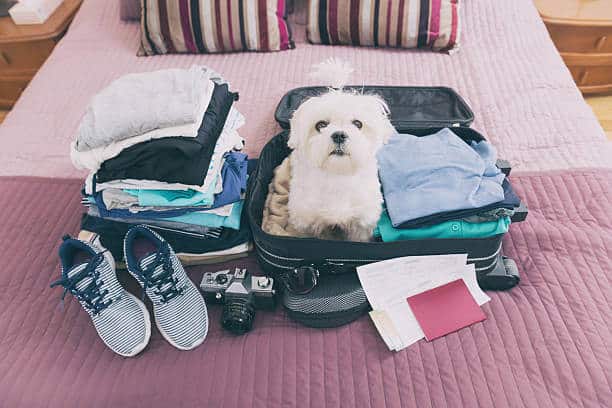
Traveling, which is supposed to be fun, can be stressful for people with disabilities. However, they may take it anywhere by plane or to almost any destination if they have an ESA pet, but not within the cabin with the ESA owner.
Here are tips to make traveling with an emotional support animal stress-free.
With the revised rules released in 2020 by the Department of Transportation regarding flying with emotional support animals, it was finalized that ESAs are no longer considered service animals. Hence, they cannot stay in the cabin with their owners for a fee; instead, they will be classified as regular pets. Many airlines ban ESAs entirely.
These are some of the airlines that have declared that they will no longer recognize emotional support animals as assistance animals in 2021. They will now require a pet fee.
If you are unsure about your airline’s regulations on ESA, you may contact them directly.
The Department of Transportation in December 2020 released a new set of guidelines about ESA and Service Animals, which took effect in January 2021.
In summary, the guidelines cover the following:
A service animal is a DOG of any breed or type, specially trained to perform physical, sensory, psychiatric, intellectual, or other mental disability tasks for an individual declared to be disabled on the mentioned aspects.
An emotional support animal or an ESA does not perform tasks. Hence, airlines are no longer required to recognize these animals as service animals. They are treated as pets and must comply with each airline’s pet policy guidelines.
A psychiatric service animal performs a particular task, like searching a room before the person enters (person with PTSD). This animal is to be treated the same as other service animals that are individually trained to perform a task for the benefit of a qualified individual with a disability.
Airlines are allowed to accept only dogs as service animals.
To be allowed to transport an individual with a service animal, they are required to have the passenger fill up a form acknowledging that it has been trained for specific tasks and compliant with the Department of Transportation’s service animal requirements.
To be allowed to transport an individual with a service animal in flights of eight hours or longer, there is a condition to fill up a form acknowledging that the service animal:
Airlines can limit the number of service animals per passenger with a disability on a flight to two service animals.
Only those can fit in on their handler’s lap or within the handler’s foot space on the aircraft.
A service animal must be harnessed, leased, or tethered within the airport and on the aircraft.
Airlines are not allowed to refuse to transport a service animal with the breed as the sole reason. It must be on the ground of an individualized assessment of the animal’s behavior and health.
Airlines must not require a passenger with a disability to physically check in at the airport just because they are traveling with a service animal. They must be allowed to use the online check-in process like ordinary passengers.
However, airlines may require them to provide the service animal forms at the passenger’s departure gate on the flight date.
Airlines may require all forms about an individual and the service animal to be submitted 48 hours in advance of the flight date as possible.
The truth is, however, that your furbaby will no doubt have an impact on the way your home smells. After all, they’ll be tracking in all sorts of things from the outdoors and they’ll likely have accidents from time to time. If you’re not careful, your home can start to smell like your pet.
Fortunately, there are a few things you can do to keep your home smelling pet-free. By following these tips, you can help to ensure that your home always smells fresh and clean, no matter how many pets you have.
One of the best ways to keep your home smelling pet-free is to groom your pets regularly. This will help to remove any dirt, mud, and other debris that they may have brought in from outside. It will also help to prevent their fur from shedding all over your home.

If you have a dog, you should aim to brush them at least once a week. If you have a cat, you should try to brush them at least once a week as well. In addition to brushing, you should also bathe your pets on a regular basis. Depending on the type of pet you have, you may need to bathe them every week or every other week.
Another great way to keep your home smelling pet-free is to vacuum regularly. This will help to remove any pet hair that has been shed around your home. It will also help to remove any dirt or dust that has been tracked in.

If you have a pet, you should aim to vacuum at least once a week. If you have multiple pets, you may need to vacuum more often. In addition to vacuuming, you should also consider using a carpet cleaner on a regular basis. This will help to remove any pet stains or odors that may be present in your carpet.
If your pet has their own bed, it’s important to keep it clean. This will help to remove any dirt, hair, or other debris that has been left behind. It will also help to prevent your pet’s bed from becoming a breeding ground for bacteria.

Depending on the type of pet bed you have, you may need to wash it every week or every other week. If you have a removable cover, you should wash it according to the manufacturer’s instructions.
If you want to keep your home smelling pet-free, you may also want to use air fresheners. This will help to mask any pet odors that may be present. It will also help to keep your home smelling fresh and clean.

There are a variety of air fresheners on the market, so you should be able to find one that suits your needs. You can find air fresheners in aerosol form, as well as in plugins and diffusers.
Opening the windows around your house is also a great way of getting rid of any smells your pet may have caused. This will allow fresh air to circulate throughout your home. It will also help to remove any pet odors that may be present.
If you have a pet, you should aim to open your windows at least once a day. If you have multiple pets, you may need to open your windows more often.
By hiring a professional cleaning crew, you can keep your home smelling pet-free. They will have the necessary equipment and cleaning supplies to remove any pet hair, dirt, or other debris that may be present in your home. They will also be able to clean your carpets and upholstery, which will help pet odor removal as well as stains.
If you want to keep your home smelling pet-free, you should consider hiring a professional cleaning crew. They will be able to clean your home from top to bottom and remove any pet hair, dirt, or other debris that may be present.
One of the best solutions to keep your home smelling pet-free is to buy a pet that won’t smell. This may seem like an impossible task, but there are a few breeds of animals that are known for being rather odorless.
If you’re looking for a pet that won’t smell, you should consider buying a fish. Fish are a great option for those who want to keep their home smelling pet-free, as are reptiles. They don’t shed hair, they don’t track in dirt or mud, and they don’t have accidents.

But if neither of those options takes your fancy, you can also look into jumping spiders. These little creatures are not only low maintenance pets, which can be kept in bioactive enclosures, but they also don’t smell.
Pets can be great companions, but they can also make your home smell. If you’re not careful, your home can start to smell like your pet. Fortunately, there are a few things you can do to keep your home smelling pet-free.
If you are sitting on the fence trying to decide whether getting a canine best friend is the right choice, these five questions will help you make the best decision. When you do choose to get a four-legged friend, consider getting pet health insurance to ensure your pup gets the health care it needs.
Even though you love your new pooch, you may be unsure about what is best for it. These five suggestions should help.
Cleaning your puppy’s teeth is one of the best habits you can create with your new pup. Although it sounds unpleasant when you establish a routine, your puppy will grow to expect and tolerate (maybe even enjoy) tooth brushing.
Canine toothpaste and a toothbrush are readily obtainable from your vet. Think about what flavors your puppy will enjoy (meat over mint). Human toothpaste is not recommended as it foams too much and contains fluoride and other dangerous ingredients for your furbaby.
Once a week, use separate pieces of cotton wool to clean the insides of your puppy’s ears. Avoid using cotton buds, which can cause ear damage. You should not see excessive ear wax or discharge in your puppy’s ears; they should not smell.
If you think your puppy has an ear infection, canker, or ear mites, take him to your veterinarian immediately.
Eating healthy is essential not only for you but for your furry friend as well. We suggest a nutrient-dense dog kibble suitable for young, developing puppies. While this is important when your puppy is young, nutritious food is essential for dogs of all ages.
Ensure your pooch gets all the nutrition it requires while enjoying its meal. Numerous options are available, including premium, natural, and raw dog feeds.
You should start puppy training early to get the best results. Your pup is adorable, but that doesn’t mean you should allow bad behavior.
Puppy training allows you to communicate with your dog by providing the tools to ask your puppy to achieve the desired action and teach your puppy how to react correctly. Additionally, obedience training will help you and your puppy form a better bond.
Teaching your canine commands like sit, stay, down, and come will also help keep it safe and under control in potentially harmful situations.
Moving to a new home and leaving its mum and litter mates is a difficult transition for a puppy. It is best to make the transition as simple as possible for your pup. Allow your puppy time with your family, and offer it a sense of safety and security in its new home.
Exposing your puppy to various sights, noises, people, and experiences in the early weeks and months is also a good idea. This will prevent your canine from growing up as shy and scared.
Regular vet visits and walks in the park can only benefit you and your four-legged friend. If you follow these tips, keeping your puppy healthy will not be something to stress over.
Dogs, easily, are one of the most lovable pets to have at home, whether you live on your own or in a household. They are easy to care for, quick to learn from their owners, and best of all, they respond in kind to love and attention. The only challenge you may face is when you are training your dog to avoid or gain certain behaviors.
Have you tried unsuccessfully to train your dog? Sometimes we blame it on the dog’s inability to follow commands. Researchers’ state that it might not necessarily be your dog at fault in this case. Therefore, before trying to exchange it for another one, consider your training technique. There is an array of dog training techniques that all claim to be the best. However, all these techniques fall into two general categories:
It is up to you to select between either of these techniques to train your dog. However, if you are looking to make strict training fun for your dog and you, then begin with the reward-based strategy. That way, your dog will associate happy feelings with doing whatever you tell them to do instead of acting out of fear.
Using this method, when your dog does something that you do not want it to do, all you have to do is to withhold your reward and ignore it. If your dog does not seem to get the hint, then the NO command will suffice. With this technique, you can train your dog to respond to a wireless GPS dog collar.
Most well trained dogs started by learning to do simple tricks and commands before graduating to perform orders that are more complex. Therefore, start your training with simple orders, such as Stay or Sit. Moreover, even after your dog has learned to do simple commands and train them to obey tasks that are more complex, you may still need to break down these complicated commands to teach your dog systematically. This training will ensure that your sessions are less complex for your dog to learn and fun for both you and your dog.
Keep your training sessions limited to teaching just one command at a time. A training session that lasts longer than 15 minutes will achieve little and frustrate both you and your dog.

Keep the words for different commands or behaviors the same; otherwise, it will confuse your dog. For instance, if you are trying to train your dog to lie down, command it to lie down. However, if later on, you change it into “Rascal, lie down or no treat,” then your dog may not understand what it is you want it to do. Therefore, your family should know which words to say for a particular command. In addition, the rewards that you give should be consistent.
Finally, be patient with your dog. Dogs, as with all other animals, have different capabilities. Thus, different dogs will learn at different speeds. Therefore, there should be no cause for concern if your dog is slow in learning and following various orders.
People often state that a dog’s intelligence equals that of a two-year-old human child. Therefore, immediate consequences and the tone of our voice are what they understand best.
People who own pets treat them like members of the family. They ensure they get plenty to eat, get extra attention when they’re sick, get plenty of exercises, and celebrate all the holidays and special occasions with the family. If you consider yourself a pet parent, you’re always looking for ways to improve your pet’s life.
If you look around, you’ll see that everyone in your household is insured except for the family pet. Though it’s been since its introduction, the best pet insurance is still relatively unknown in some areas. Here we have compiled all about pet insurance to help determine its importance.
The availability of a more extensive range of care for conditions including fractures, pregnancy difficulties, dental concerns, cataracts, and so on is made possible by pet insurance. In addition, as your pet ages, they may require specialized care beyond your means to offer.
It’s common knowledge that keeping a pet can get pricey. The costs associated with caring for a pet, such as feeding, vaccinating, accessorizing, grooming, medication, etc., can quickly add up. You may be forced to use your funds to cover the costs when an unexpected illness, accident, or medical care for any reason. If you have pet insurance, however, the insurance company will pay for these costs, so you won’t have to drain your finances or apply for a loan to provide your cat the care it deserves.
Animals, like people, can get seriously ill and need expensive medical care like human beings. Insurance should cover the cost of such procedures.
Some people may struggle to afford the one-time Pet Insurance Premium payment. The good news is that most insurance providers let you pay your premium whenever is most convenient for you. As with our standard insurance, you can pay your premium monthly, quarterly, semiannually, or annually.
Both yes and no you’ll pay a premium every month (the amount of which will vary according to your pet’s species, breed, and age), and, similar to human health insurance, the insurance company will pay for the cost of covered services.
In contrast to human health care coverage, most pet insurance plans pay out benefits when a deductible has been met. This model requires you to fully pay for services or goods before receiving reimbursement from your insurance company.
In some circumstances, insurance companies will coordinate directly with veterinary facilities, making you liable for only your copayment after meeting your deductible. However, this will vary widely depending on your specific plan and provider. For more information on how we collaborate with pet insurance providers, please get in touch with us.
Preventive treatment, like checkups, vaccines, laboratory testing, and dental cleanings, is not typically covered by pet insurance plans, despite many policies covering a wide range of illnesses and injuries. Although some providers may not pay for alternative treatments or behavioral modification as standard, many do so for an extra fee.

Yes. Complete coverage plans and limited coverage plans are available from most insurance companies. Emergencies, including bites, foreign body ingestion, bloat, and poisoning, are covered under limited-coverage policies. In contrast, comprehensive insurance covers various illnesses and injuries, including genetic and congenital problems. Some insurers will even pay for preventative and complementary medicine, breeding, and modifying lousy behavior, but only if you pay an extra premium.
Your pet’s insurance premiums may increase or decrease depending on several circumstances, including the presence of a pre-existing ailment. Many pet insurance companies consider a condition to be pre-existing when symptoms first appear rather than when a diagnosis is made. They wouldn’t cover your pet’s pre-existing ailment if it developed after you insured your pet. Remember that most pet insurance plans include waiting periods of a few days to a month before full coverage is activated. If you want maximum protection for your pet, getting insured as soon as possible is your best bet.
There is no standard cost for pet insurance. Your pet, your location, your deductible, and the type of provider you choose all contribute to the total cost of monthly pet insurance premiums. To insure him, you’ll need to pay a premium considering his breed, age, current health status, and risk factors. This cost is subject to variation from year to year, just as the cost of health insurance for humans.
The deductibles on pet insurance policies are also flexible, like the premiums. While some insurance companies only provide predetermined deductible amounts, others give you the freedom to choose, giving you more say over your regular price (higher deductibles typically equal lower premiums and vice versa).
Schedules of deductions are also subject to modification. Some providers demand that deductibles be paid per condition, as opposed to the more common yearly deductibles, which apply to all ailments and are reset yearly. You’ll have to pay the policy’s deductible each time your pet gets sick. Your pet’s insurance policy may have a per-condition deductible that resets yearly, or you’ll only have to pay it once throughout their lifespan.
Insurance for your pet may not be necessary for you, but it’s still something to consider. It is crucial to consider your financial status and your pet’s lifestyle while shopping for pet insurance. If your dog’s breed is prone to health concerns like heart disease or arthritis, you may want to prepare for the future and purchase insurance now. Veterinarians are in a prime position to advise pet owners on the necessity of pet health insurance by providing insight into the threats to their pets’ health.
Some pet parents are skeptical about putting a collar on a kitten. Some issues like the risks of choking or getting stuck may even raise anxiety. However, a collar is necessary for identification in case they get lost.
The first concern when putting a collar on a kitten is their safety. Some fur parents may be skeptical of putting a collar on their little one since it may not be necessary. While microchips are helpful, concerned neighbors can’t tell if your pet has a home until they bring it to a rescue shelter. This whole process can be more stressful for your tiny furball.Collars are okay for kittens, but you need to buy one specifically made for them. Supakit kitten collars have a weight-rated buckle for kittens, as well as a custom size for them and a breakaway feature, making them one of the safest collars you can buy. They also come in different designs to match your munchkin’s adorable personality.

Kitten Collar from Supakit.co
One thing to remember when deciding to put a collar on your kitten is the number of advantages. The safety benefits of having a collar far outweigh the avoidable risks like choking and leg injury. Once your kitten gets the correct type of collar and gets used to it, you have nothing to worry about.
You can easily prevent the risks of getting stuck and injured by getting a collar especially made for kittens. Breakaway and quick-release collars are recommended for easy unlocking in case of emergency. It’s best to avoid elastic collars since they only increase the risk of choking.
Putting a collar is one way to keep your kitten safe in case it decides to wander outside. Even if you maintain a close eye on it, one can never be a hundred percent sure it will stay indoors. Therefore, it’s essential to put an identification for concerned neighbors and passersby to know who to contact in case they see your little munchkin walking around the streets.
Choosing a suitable collar for kittens is a bit more challenging than purchasing one for adult cats. Since kittens have extra energy for running and jumping around, they need special features to keep them safe and comfy. These are the keys to consider when choosing the proper collar.
Kitten collars have an adjustable length of between 14 to 21 cm. This size is fit enough to stay on their neck and comfy for playing. The recommended with is 1 cm. Anything thicker could hurt the kitten’s neck, while thinner can increase the risk of neck injury and wound. To get an accurate size, measure your kitten’s neck with a tape measure. Make sure you can insert two fingers between the tape and the kitten’s neck to ensure comfort.

Since the purpose of the collar is quick identification, choosing the best tag type is necessary. Hanging tags are okay for adult cats. For kittens, slide-on tags are the best. They’re lightweight and don’t interfere with your kitten’s playtime. Skipping the tags with chains is also necessary to prevent your kitten from getting stuck on curtains and other fabrics around the house.

The collar’s weight tag is crucial to your kitten’s comfort. If it’s a little too heavy, it can strain the kitten’s neck, causing stress and discomfort. Kitten collars with breakaway buckles are suitable for kittens weighing 1kg to 2.5kg. This ensures their body weight is enough to break the lock when needed.

The durability of the collar is as crucial as its comfort. It must be strong enough to last until your kitten grows up but soft on its skin and fur. The best materials for kitten collars are leather, polyester, and nylon.

Putting a collar on a kitten as early as two months old is safe. As long as you’re getting the right type and size, you can ensure your kitten’s comfort. By this age, kittens start to explore their environment, which may lure them outdoors.
If your kitten seems too small and light at two months old, you can wait a few more weeks. Waiting until your kitten weighs around 1kg is the safest. It will also be easier to find a collar that perfectly fits its neck.
Kittens and adult cats may react and panic when wearing a collar for the first time. They may start to take it off using their legs or try to run backward. There are easy steps to get your kitten used to the collar to prevent unnecessary stress.
Anything unfamiliar can freak a kitten out. It’s their nature to observe a foreign object carefully before deciding to touch it. Slowly introducing the collar gives your kitten time to get familiar with it.
One of the best techniques is wiping a soft cloth on your kitten and rubbing it on the collar to give it a familiar smell. Allow your kitten to sniff and touch the collar. When your kitten is comfortable enough, they may start playing with it.
After letting your kitten play with the collar for a while, you may now try putting it on. To do this safely, wait until your kitten shows no sign of struggle. You may also try wrapping your kitten with a soft towel to calm it down before trying the collar on. Then, let your kitten go and observe if there are signs of discomfort.
Your kitten’s comfort and safety should always be your priority. Putting a collar on it is one of the safety measures pet parents must follow to get your kitty home quickly when it tries to roam outdoors.
The vast majority of cases of diarrhea in cats are harmless and do not require treatment, but there are also some which require close attention. Therefore, you should pay attention to your pet, its behavior, appearance and stool. If it eats less than usual or has severe stomach pain, then call a veterinarian.
If your cat exhibits has these and other symptoms but they don’t seem critical yet, it would be wise to contact an online vet chat. This service gets you 24/7 access to a certified veterinarian who can check your cat’s behavior and general symptoms using an online video call. Using this service, you can forget about the long rides to the nearest vet and check in with a specialist on your cat’s health, behavior, nutrition, and more.
The most common cause of diarrhea in cats is an intestinal infection. This is usually caused by bacteria or viruses that enter the digestive system. pathologies are more common at an early age, when kittens are absent immunity and when living in an environment with poor sanitary conditions. Often, other animals contribute to infection: rodents, other cats that are kept together, etc. It is possible to become infected with diarrhea from people – the bacteria can enter the body from the owner’s hands.
In adult animals, intestinal infections most often occur when corresponding pathogen enters the body through contaminated food or water. Therefore, it is very important to provide your pet with quality and clean water. In case of infection with salmonella or other diet-related disorders can be targeted treatment with antibiotics.
Intestinal parasites – another common cause of diarrhea in cats. So that they do not bother your pet, you need to do a preventive deworming every few months. Do not worry if certain types of worm are found in the feces: these are development stages and not worms that live in the intestine itself.
Diarrhea in cats can also be caused by food intolerance. The fact is that each animal reacts differently to certain foods: some tolerate them well, others do not tolerate them at all and manifest allergic reactions: rash and itching on the skin, diarrhea, vomiting, urticaria and swelling may occur. If you have noticed that after eating a particular type of food there is a negative reaction from your pet – eliminate it from your diet for a while; every time you need to try something new in very small quantities so as not to escalate the situation.
Diarrhea can occur when changing food or during pregnancy in cats. Excessivalent is also the reason for soft intestinal discharge: if a cat eats more than normal, then it will have more than normal stools faster than his digestive system will digest it. When switching to another type of food, diarrhea occurs as a reaction to an unknown substance; this phenomenon is temporary and will disappear when you become familiar with the new diet and change it permanently.

There is no one-size-fits-all answer to this question, as the best way to treat diarrhea in cats will vary depending on the underlying cause. In general, however, some tips on how to treat diarrhea in cats include:
If your cat has diarrhea, the best thing you can do is take them to the vet. If the diarrhea is caused by a viral or bacterial infection, your vet will be able to prescribe antibiotics or other medications to clear it up. If the diarrhea is caused by a dietary intolerance or sensitivity, your vet can help you find a food that agrees with your cat’s digestive system.In such cases, you could also really benefit from being subscribed to an emergency vet funds, a pet insurance alternative. With its help, you get up to $3,000 of insurance for critical conditions, such as viral or bacterial infections, which cause a cat diarrhea.
Are you wondering if your furry friend can eat some of your favorite summer treats?
Dogs and human food don’t always mix, so you certainly shouldn’t feed your dog everything that you eat. You may be surprised to learn, however, that some of the healthier things in your diet are just as good for your pooch.
Today, we’re going to answer the age-old question: “Can dogs eat watermelon?”. We’ll also look at some of the health benefits of feeding your dog fruit and how to give it to them so they can enjoy it.
There are many types of fruit dogs can eat, so keep reading and expand your dog’s diet for the better.
For humans, there are countless health benefits to eating watermelon. Not only does it keep you hydrated, but it’s packed with tons of nutrients, it may improve skin health, and it’s great for heart health, to name just a few benefits.
Watermelon is certainly a good option for dogs if you’re keen on feeding your pup human food. In fact, it makes the perfect snack for your dog on a hot summer day. Pack it into a cooler, pop your Joyride Harness on your dog, and take them for a lovely picnic, complete with a watermelon snack.
When you feed your dog watermelon, it’s going to get important nutrients, like vitamins A, B6, C, and potassium. Vitamin A promotes eye and skin health, while B6 helps to metabolize amino acids. Vitamin C is a crucial antioxidant that helps with aging and potassium is great for heart and nerve health.
There are loads of other types of fruit dogs can eat as well. Apples, cantaloupe, bananas, oranges, pineapple, mango, and all sorts of berries are just a few of the many fruits and veg that are safe for a dog to eat. Like watermelon, they each possess important nutrients that your dog may need more of.
There are a few important caveats when feeding your dog watermelon. Firstly, a lot of people wonder, “can dogs eat watermelon rind?”. The answer to this one is a resounding, “no”.
If they eat the rind, there’s a good chance they’ll have some gastrointestinal distress. Likewise, the seeds of the watermelon should be removed, as it may cause intestinal blockage.
Now that we’ve answered the question, “can dogs eat watermelon?”, you can take a big step when it comes to dogs and people food. It’s important to do the research to make sure there’s nothing that can hurt your dog, but there’s a surprising amount of food that we eat that dogs can eat as well. Change up your dog’s diet and see if they enjoy the food you eat.
If you found this helpful, come back for more on pets and animals.