 Lisa Thompson
Author Archives: Lisa Thompson
 Lisa Thompson
Author Archives: Lisa Thompson
Just the initial English Bulldog price range is enough to make you believe that the breed is rather expensive. Much like every other dog out there, English Bulldogs have a specific set of physical and personality traits, along with needs that demand special attention. But here, in this case, this particular special attention may cost you extra.
So how about you get to know all about the costs of purchasing as well as those that come later on…
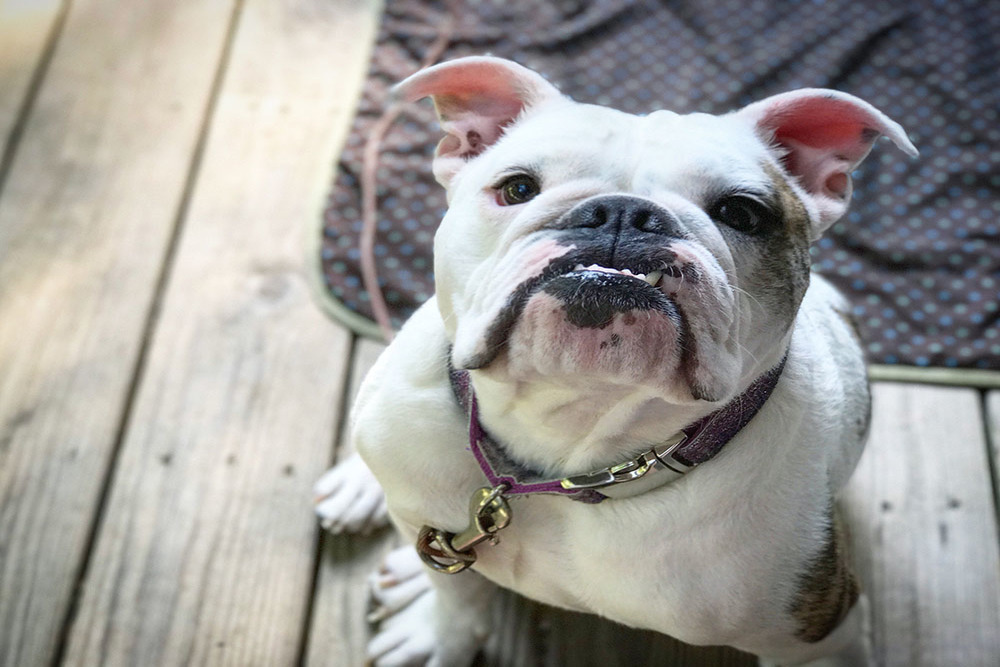
Back in the days, the breed was a huge part of bloodsport competitions like bullbaiting. And that’s an unfortunate part of history. Nevertheless, it’s very hard to believe that because English Bulldog puppies are nothing but docile and friendly creatures. So how can anyone subject this kind of adorable, playful, and calm nature to anything violent!
The breed is also known as Old English Bulldogs. And they’re the most widely known for their quirky behavior and cartoonish appearance even. Getting along with friendly fellow humans is not a problem for them AT ALL.
In terms of training and exercise, even in this department, extra effort has to be put in. But, to be completely honest, that is the case with most dog breeds. Because good behavioral and socialization skills in a canine are nothing but sources of happiness, joy, and discipline. And in the process, even you have a reason to get your heiny off the couch and be a little more active.
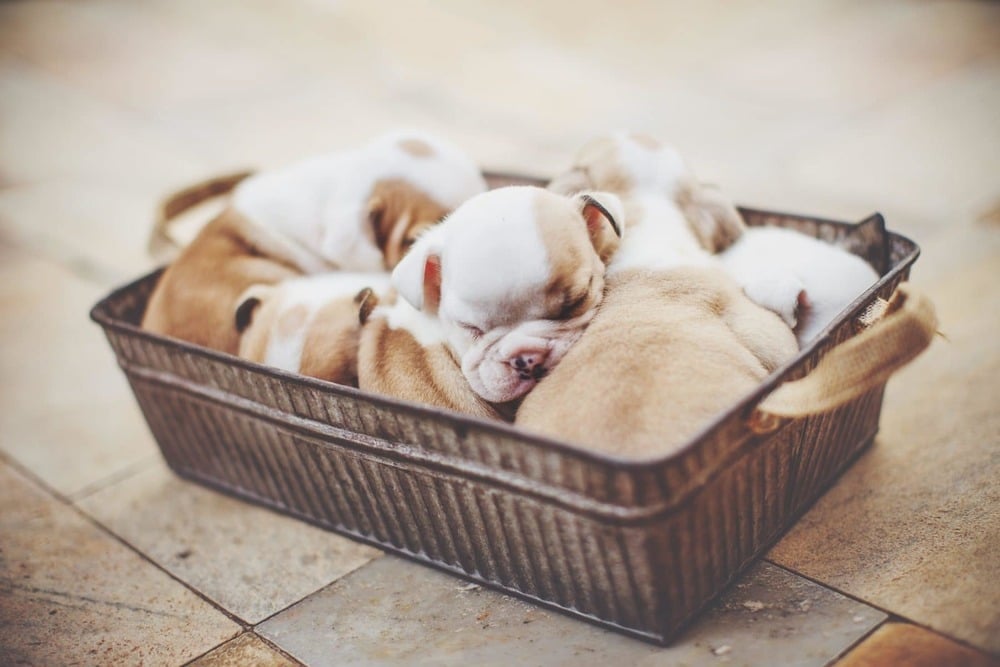
The cost of this particularly expensive breed starts from $1,500 and goes all the way to $4,000. So the average price is about $2,500 in America.
Now let’s talk about breeders. If the breeder is selling the puppy for a price below 1,500, consider that as a red flag. But then what does the red flag mean? It implies that the breeder got the puppy through either a puppy mill or unethical breeding. Both forms, no doubt, are highly irresponsible and inhumane.
Then there are those English Bulldogs that have an even higher than the normal selling price. It all depends on the bloodline of the pup. Purebreds i.e. those that are AKC-registered, cost as much as $10,000. And when the parents of the litter have a championship bloodline, then the cost can rise much, much higher too.
So it’s up to your conscience whether you want to support this kind of “show” breeding or not. But whatever the case, now you understand why Bulldogs are such an expensive breed? Keep in mind that high demand also inflates the prices.
Not many find the whole idea of paying as much as $2,000 just so that they can further encourage unethical breeding practices. So if you’re one of them, then it’s only natural for you to choose to adopt a pet. Plus, there are just too many rescue organizations and animal shelter homes.
As for how much does it cost to adopt a Bulldog from one of these rescue shelters? You won’t believe it – as little as only $300. In comparison to paying breeders, this cost is absolutely nothing. But then you should be okay with not knowing where your dog comes from, what his lineage is like, potential health conditions, and all that.
However, expect the cost of vaccinations and spaying/neutering to be covered.
After the initial purchase comes the cost of feeding, vet visits, health check-ups, toys, and some more. No denying these are certainly going to drain your wallet. However, one thing is for certain though that such ongoing expenses are not only limited to this breed. Dogs, in general, require these basic things to live a healthy, happy life.
So here’s the list of products and the average cost of each…
Choose high-quality i.e. slightly more expensive stuff if you want it to last for a longer time. Otherwise, you just end up spending less at the moment but increasing the expenses in the long run because of more frequent purchases.
On a monthly basis, expect to spend around $70 per month for everything. This includes treats, food, toys, etc. Obviously, things like food/water bowls, puppy shots, leash/collar/harness, crate, grooming tools, and the like are a one-time purchase. Or at least you don’t buy them as regularly as food and treats.
You have to think about, if not factor in, potential health concerns and also how much they would normally cost to correct. In that light, let’s first find out what medical conditions English Bulldogs are highly likely to develop in the first place.
Some Bulldog puppies have to deal with this genetic disorder of the eye. The cost of addressing the problem varies though. It can be anywhere between $500 and $1,500. That depends on the procedure decided by your vet and what his/her fees generally are.
More than half of the Bulldog population shows some or the other sign of Hip Dysplasia. So it’s safe to say that the problem is quite common among the breed. And when the condition gets worse, surgery is necessary. And that normally costs around $5,000. It could be more or less indeed depending on the vet.
Common cysts in Bulldogs develop in the paws. Vets, usually, recommend surgery to remove the cyst entirely from the system. However, the good news is that the surgery is cheaper. Not more than $500.
Dog allergy testing is not all that expensive. You can pay as little as even $100, based on the vet. The price is largely determined by the type of allergy. Is it a food allergy, which is something that simple medicines can just resolve. Needless to say, your vet is the best person to talk to for a more accurate, helpful estimate and treatment.
The financial aspect of owning a dog like the English Bulldog must be taken into consideration. It’s a part of being a responsible pet owner or parent. And to be honest, this is true of any dog breed, not just Bulldogs.
What’s also equally important is caring for your dog. This means buying high-quality, highly nutritious food, purchasing different kinds of toys to keep your pet mentally and physically stimulated, etc. So there’s a lot that’s involved in this process. And it’s best for both you and the dog if you think the whole thing through.
The breed is heavy-boned and burly with a massive, broad head that is well-balanced by a full-sized, curled tail. A standing Akita is 24-28 inches tall. The coat is dense, and it comes in many colors. And let’s not also forget about the dark, shiny eyes with the adorable, erect ears. No doubt, Akita are unique creatures but then what is the Akita dog price range?
Not every Akita costs the same amount. But why is that? What are the factors determining the cost of Akita puppies?
They’re quiet yet fast. They’re loving and affectionate yet intolerant or wary of other creatures (including human strangers). These are all very well-known facts. Now let’s find out what is not so commonly known.

Here’s the breakdown of the price range of the Akita dog breed…
For $700 to $1,200, you can get an untrained, normal Akita puppy from a family or an amateur breeder. But beware of unethical backyard breeders as they’re just bothered about making money, which means they don’t care for animals that very much.
Within this particular price range are Akita puppies bred by professional and maybe even trustworthy breeders. These types of breeders are more experienced (though not necessarily more caring toward the animal). But you should always do a thorough background check before buying from and supporting such communities.
But if the breeder can be trusted, then expect a purebred, AKC certification, pet insurance, vaccination check, basic training, and more. Hence, the extra cost.
The highest price range is between $2,000 and $3,000.
Now, these dogs have a “champion” bloodline. This simply means the dog’s predecessors were a part of championships and competitions that, unfortunately, used to be organized for entertainment purposes. In fact, some of them still exist today; in that case, keep away from such “professional” breeders.
Here are all the factors you might want to know when choosing Akita puppies…

You have 3 main varieties here – Russian, American, and Japanese Akitas. The American type, since it’s the most common, has the most reasonable price range. Then comes the Russian Akita variety, which is slightly higher.
But the highest i.e. most expensive is the Japanese strain. These Akitas cost no less than $3,000. Japan doesn’t allow their purebred, original Akita dogs to be exported to other nations anymore in order to protect the precious genes of the breed. That’s why Japanese-bred Akitas are now rarely seen. And whenever they are, the cost is just ridiculously high.
If the Akita puppies come from grandparents or parents that used to be a part of international and national championships and competitions, then expect an unusually high price. That is between $1,800 and $3,000. All the more reason to avoid supporting such professional breeders to put an end to these inhumane competitions that serve only entertainment purposes.
Is the breed a member of the American Kennel Club (AKC)? If yes, then you should know that the responsible breeder, in this case, has paid the required fees to acquire registration papers. And that, no doubt, adds to the cost. But first, make sure you ask for the documents and get them verified in some way or the other.

If the breeder is not just money-driven and actually cares for his/her dogs as well, then chances are that they have carried out the necessary health check-ups to evaluate medical conditions. This includes vaccinations, deworming, basic blood tests, and the like. And getting all this done is certainly going to cost a certain sum of money to the breeder.
It’s only common for professional breeders to sell their dogs after training, fostering, and caring for them properly. Although not all breeders are like that. So please make sure you choose someone you can trust. And these kinds of socialization and training practices naturally increase the cost of the pup.
The benefit here is that you get a friendly, well-behaved dog that you would otherwise have to train on your own if you genuinely care about his/her physical and mental well-being.
There are as many as 15 different variations in terms of Akita fur color. But then this, more often than not, is divided into 2 main categories…
I. American Akitas
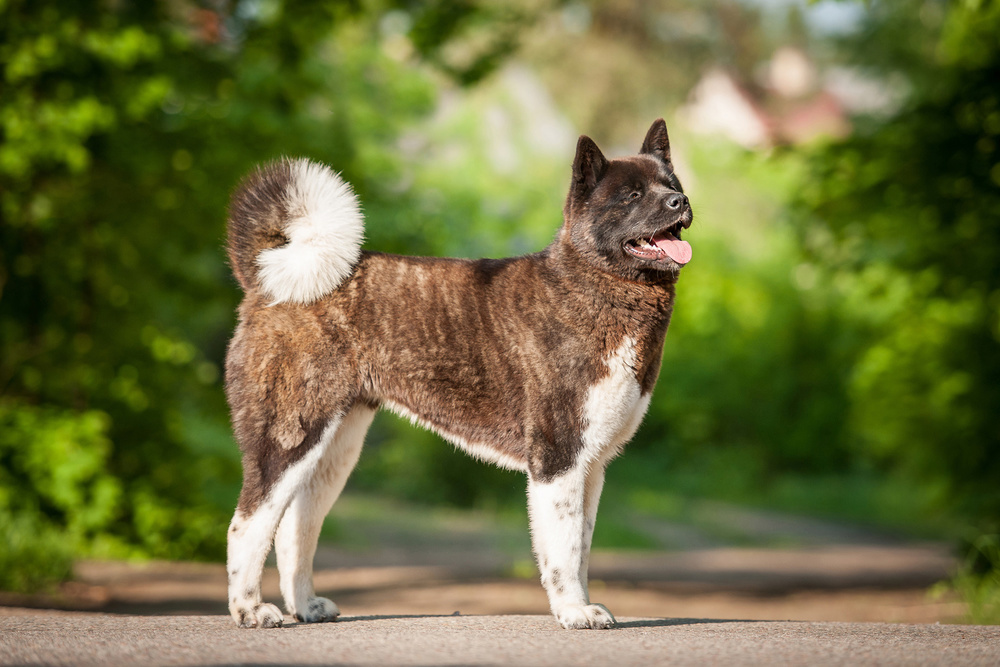
Gray, white, and brown American Akitas are more expensive than the rest of the American breed.
II. Japanese Akitas

The most favorite color here is orange and white, thus it’s also usually higher-priced than the others.
The male gender is $100-$200 more expensive than the female counterpart. Because male Akitas, or any other dog breed in general, are bigger as well as stronger. And most people prefer getting burly, chubby, stronger-muscled, and wider-boned dogs i.e. the male species.
Along the same lines, the majority of pet “lovers” want to get puppies and not adult dogs. In a way, that makes partial sense because it’s much easier to train a puppy. Plus, puppies, especially when 6 months old, are the least expensive in comparison to even 8-month old puppies.
To be completely honest with you, getting an Akita pup means spending a somewhat higher amount of money. But then that’s only the initial cost. Also, most dog breeds are pricey at first. Simply because of the costs of vaccinations, AKC certification, medical check-ups, and other such necessary expenses. And all this SHOULD be done no matter what!
It’s entirely in your hands – the heath and well-being of your dog. So you have to fully understand that these expenses are not optional. Be it for an Akita, German Shepherd, or Labrador!
But yeah the buying cost does depend on a few factors, which I’ve discussed in this article. So you can better understand why you’re paying whatever it is you’re paying.
And one last time – please stay away from backyard breeders. They don’t adopt ethical means by any chance. Speaking of which, consider adopting a pet instead. It’s much cheaper too!
Applying Frontline on your dog is an effective way to kill fleas, ticks, and flea eggs. It’s a reliable and doctor-recommended flea and tick protection shield for dogs. But there are plenty of factors that must be kept in mind when using Frontline for the first time.
Several questions pop up when using Frontline for dogs. What is the best type of Frontline solution to buy? What’s the correct way to apply Frontline? And how to take care of your dog after applying?
So here’s a common question that many users have about using Frontline…

Before we talk about the possible effects of applying Frontline too soon. Let’s establish the correct time to apply Frontline. So then you’ll know exactly what’s early and what’s not.
The frequency of applying Frontline for dogs is monthly. And the minimum age for eligibility is 8 weeks.
Frontline remains active on the body for 30 days. In some cases, if you use Frontline Plus, the medication stays active even if your dog is bathed. But mostly, it’s important to keep your dog dry for 30 days after applying Frontline.
The best time to apply Frontline is after bathing and drying your dog. Make sure you dry your dog completely before application. It is the best treatment against fleas and ticks when applied to dry skin and hair.
From this, it’s easier to pinpoint what “too soon” means when applying Frontline on the dog. It could mean that your dog’s hair was slightly wet when you applied Frontline.
This begs the next question…
If you’re wondering whether you applied Frontline too soon on your pet, is it safe to reapply Frontline?
The best thing to do is to consult with a vet before doing anything on your own. The doctor may recommend a slightly less active flea treatment for re-application. There are many different variations of topical flea treatments for dogs.
And each flea treatment features its own care and instructions on how to apply it. So make sure you follow them point-by-point to avoid making a mistake.
If you notice any skin inflammation, agitation, weakness, vomiting, or drooling, take your pet to the vet right away to check for an overdose of flea treatments.
If you’ve been applying the flea treatment and it’s not working, an incorrect application may be the cause. But it could also mean that you need to try out a different brand of flea treatment or that your dog needs strong medications to get rid of fleas.
It’s best to consult the doctor before jumping to any conclusions.
Frontline treatment is an expensive flea medication. So when you apply it once, you want to make sure it’s right. This is what you should keep in mind when applying Frontline properly:
If you want to make your flea treatment effective and long-lasting, do these things as well…
Getting rid of fleas that may have fallen off your dog before and during application is necessary.
Frontline flea treatment will skill fleas, ticks, and eggs. It may not necessarily repel fleas by odor. Only when the fleas come in contact with the medication, they will die and fall off.
That is why treating your home for fleas with pest control is necessary. You can also invest in sprays or soak your clothes in hot water to kill the fleas. Daily vacuuming, washing the bedding regularly and keeping your clothes clean. All these things will starve and kill off any residue fleas and flea eggs effectively.

Even if just one of your pets has fleas, it’s important to get all your pets’ treatment with Frontline. All your pets need proper treatment and medication to prevent fleas re-infestation.
This applies to dogs and cats. Give your pets a nice hot water bath even if you don’t see any fleas on them. Flea medication is a good solution to treat multiple pets at once. It’s an effective way to prevent re-infestation even if your dog or cat is not itchy.
Never use the same applicators for all your pets. Each applicator contains a single dose of Frontline flea medicine. And each dog or cat should get a single dose – not more, not less.
So sharing a single applicator between two pets – no matter their size – is a bad idea.
Look at the instruction manual to find the right dose based on your pet’s weight and age.
Sharing the applicator may also lead to infections, rashes, or itchiness.
With medications like Frontline, you have to make sure that it is properly absorbed into your dog’s skin. There is a correct time and method of applying Frontline to make sure it does.
And this article tells you everything you need to know about applying Frontline. And what could go wrong if you apply Frontline too soon.
Flea treatment medicines have highly active ingredients that kill fleas and ticks quickly. And these ingredients stay active on the body for 30 days after application. So it’s important that you learn how to apply Frontline correctly.
And one of the reasons why the flea treatment may not be working as expected is that you’ve applied it too soon or too little. I hope that after reading this article, you’ll know how to avoid that common mistake!
When your cat is looking at you, nay, staring at you, I’m sure you’ve wondered what he or she is thinking. Direct eye contact in the world of cats can mean one thing only.
When two cats stare at each other, it’s because they consider each other a threat. Are you a threat to your cat when she gives you the “death” stare? When your cat stares at you, it’s probably nothing.
But if you’re still curious as to what it could mean, here’s how you can tell why your cat is staring at you. And in order to do this, you have to take into consideration your cat’s body language. This will tell you exactly what your cat feels when she stares at you.
In the human world, staring is thought of as rude between strangers in a bus, train, or restaurant. It can make one feel uncomfortable. But between a human and a cat, it can mean different things.
Cats communicate through body language and behavior. So your cat staring at you, coupled with a few body cues, can mean something. Such as…

When was the last time you gave your cat something to eat?
When your cat gets hungry, they will show you that they need food. If you stick to a feeding schedule, your cat will stare at you when it’s getting close to feeding time. And if you’re a few minutes late to the party, they will stare at you as if to remind you in case you’ve forgotten.
A cat will stare at you for many reasons. But mostly to get your attention.

Check to see if your cat’s eyes have dilated pupils or if her tail is stuck between her legs. If so, then your cat is scared. Not necessarily of you, but of something around the cat.
This posture is also indicative of distress. And that could mean many things. That your cat needs to be left alone wherever she wants to sleep in the corner or under the bed. That your cat is feeling pain or discomfort of some kind so that you might need to take her to the vet.
If this happens very often, you can do a few things to evaluate the situation. Recognize any new sound or change in your home that could be scaring your cat. Is it a new toy you bought for her? Or new furniture that may look intimidating to your cat?
Try distracting your cat with one of her favorite toys. Encourage your cat to chase something around the room to lighten up the mood. This should get your cat to calm down.
Oftentimes, cats get jumpy and scared when something heavy drops on the floor. The sound of a pot falling or a kitchen pan or a book. This emits a loud noise which your cat might get scared of immediately.
When that happens, do not chase your cat to get her attention. Allow her to come to you once she’s calm and gently pat her head to comfort her.

If your cat is staring at you while she purrs, it means she’s relaxed, happy, and showing you affection. This is a cat’s way of letting you know they love you. The loose and relaxed body language is indicative of a happy and loving cat.
Another great way a cat shows affection is by blinking at you. That’s right. If your cat blinks and stares at you in a cute, loving manner, it’s safe to assume your cat’s happy. Couple that with the purring noise they make and you’re golden!
Some cats walk up to you if you stare back at them long enough. A cat that comes really close to your face and purrs, that’s a loving and friendly cat.

When your cat is upset, not anything else but at you, they will exhibit obvious signs. Pupil dilation, a stiff and upright posture, tail swinging from side to side. And when your cat is staring at you while doing all these things, it’s you she’s angry at.
The best thing to do in such a sticky situation is slowly to walk away from your cat. Leave her alone because that’s her way of being territorial and wary. Just give your cat some space and come back to pet her after a few minutes once she is calm.
If that is not possible, throw a crumpled paper ball on the floor to distract her. Once your cat breaks eye contact, it’s easier to keep her distracted and engage her tension elsewhere.
Playing with a new toy or running around to chase something is a great way to release all that pent-up energy.
Cats are incredibly clever and sharp. When it comes to communication, they are best in the way they share their feelings. Only that you, as a responsible and caring cat parent, need to be aware of your cat’s body language and behavior.
Some cats learn new tricks to communicate with their owners. While you can teach your cat to do the same, there are a few tricks that cats learn on their own.
Such as sitting in front of you when they want something from you. They will lick your hands or feet when they want to play or when they’re hungry. Some cats even wake their owners up early in the morning the way dogs do. Although a cat’s reason is more selfish because they’re probably hungry and want to be fed!
So you see, learning to bond with your cat is essential. Now you know what does it mean when a cat stares at you. It’s not a threat but it’s simply your cat’s way of letting you know her feelings.
So here’s the deal with a dog being overweight and underweight. Too much fat, needless to say, affects the long-term health and lifespan of the dog. Obesity increases the chances of heart diseases, osteoarthritis, diabetes, hypertension, certain kinds of cancer, and faster or premature degeneration of weak, affected joints.
On the other hand, if your dog is underweight, this too opens the door to many serious medical conditions. Aside from health issues like gastrointestinal discomfort, tooth pain, etc.
In that case, you should know how to weigh your dog if you truly care for his/her well-being. Vet visits include checking your pet’s weight, no doubt. But then you can’t always take your little pooch to the clinic every time you want to find out how much he/she weighs.
Also, what if the doctor has told you to keep a check on your dog’s weight at home, for whatever reasons? So wouldn’t it be better if you just knew how to do such a simple, basic thing? So let’s find out what can be done, and how.

How to Weigh Small Dogs or Puppies
Obviously, you’ll need a weighing scale for the task at hand. So once you’ve got that, you can carry out the following…
Moving on to how to weigh your dog when he/she is heavy…
How to Weigh Large Dogs
For this, a proper weighing scale is a must. Along with a proper platform that covers the whole scale. So here’s the procedure…
These may not be the most convenient, but at least they get the job done…
Take Your Dog to the Vet’s Clinic
After all, veterinarians do indeed have large weighing scales suitable for all dog breeds. And it’s completely okay to take your dog to the vet randomly just to get his/her weight checked.
This alternative gives you an added benefit you know. You don’t just get an accurate weight measurement. You also get to know, through the vet, if that weight is the most ideal or not.
Go to Any Long-Distance Bus Station
Even long-distance bus stations have large scales, for luggage of course. This alternative method might be a little troublesome because you have to check with the authorities first. Maybe even bribe the counter person with some coffee or any other such hard-to-turn-down treat for letting you use the luggage weighing scale to check your dog’s weight.
Just make sure the dog is leashed properly.

The concept of weighing scales is easily understood by grown-up humans. But that’s not something we can expect from a dog, right? It’s a scary, unknown object for a lot of dogs. Even those that are large! After all, these weighing scales are often a part of regular visits to the vet’s clinic, which is something not all dogs are so fond of.
But then if you make it a habit of weighing your pup from a very young age, the chances of that fear not being formed AT ALL are quite high. In fact, he/she will learn how to get on the weighing scale obediently each time you use a certain voice and then offer some treat afterward.
Many dog owners opt for clicker training to make the entire process stress-free for their nervous or scared pets. It involves clicking and rewarding your dog to sniff the scale first, place just one foot over it after, and then finally hold a stand or sit command when on the scale.

It’s necessary to weigh your pet, dog or cat, at least once every year. Some are more satisfied weighing their canines and felines once every 6 months.
But then when a medical condition or health problem is a part of the picture, then the frequency increases. For instance, puppies are weighed once every 3-4 weeks until they turn 6 months old.
More often than not, chronic illnesses (such as diabetes, cancer, etc.) demand more attention. In that case, the weight of your dog should be recorded more frequently. So you can tell if there are any sudden weight fluctuations and consult with your vet regarding the matter.
How to weigh your dog doesn’t require you to have a medical degree or anything of the sort. All you need is a proper weighing scale to get the job done at home. Otherwise, you can just take your dog to the vet and use the large, more appropriate scale.
Checking the weight of your pet seems like such a basic thing to do. Yet many dog and cat owners neglect it. And that explains why so many domestic pets are suffering from the long-term negative impact of obesity. As a matter of fact, even being underweight is no good.
Just make sure to keep the whole process stress-free for your little adorable furry companion.
Has your dog suffered from a head injury recently? A concussion is the symptom of a traumatic head injury. And humans aren’t the only ones that have it. Even dogs can get a concussion after suffering from a head injury. And as a pet parent, it’s your responsibility to know how to tell if a dog has a concussion.
It’s not easier to tell when and how your dog has a concussion than humans. In fact, it’s much more difficult since dogs cannot talk. So with these few tips, you figure out whether your dog has a concussion, depending on the injury.
You also need to know what caused the concussion and how to treat it immediately to prevent brain damage.
The most common cause for canine concussion is a car accident. Most concussive stray dogs are victims of a hit-and-run case. For domestic dogs, this is also a possibility if you do not take good care.
Walking your dog without a leash near a road, leaving them unsupervised around roadways. No matter how well trained your dog is, always keep a leash on when walking your dog near a major roadway with traffic.
Another cause of dog concussion is falling off the steps like a staircase of a porch or deck. Make sure you have proper steps that are not too steep for your dog to comfortably climb up and down.
Most dogs are active and playful when they are in an energetic and happy mood. This means that running into furniture is inevitable. However, try to calm your dog if he or she gets too hyper.
Stumbling into wood or metal furniture too hard may cause an unexpected injury. You can add cushioning pads on the edges of such furniture to avoid accidents. So even if your dog crashes into it, it will “soften the blow” tremendously.
If you see a stray with a head injury, chances are that that stray dog has been attacked or beat by another animal in the area. Between wild dogs, throwing each other on the ground is a common threat. This can cause serious head injury and “blunt” injuries which is quite common among stray dogs.
If you have a large and a small dog breed at home, make sure they learn how to play by each other’s strengths. So that the large dog does not overpower the small one.
Getting hit by a baseball bat in the head or colliding with a tree or fence or glass door. These are different ways a dog can get a concussion.
You must also take into account the dog’s breed. Smaller dogs like a toy breed are prone to head injuries because they have open fontanelles. Their skulls are positioned in such a way that certain bones in the skull are not completely fused together which is not the case with other breeds.

The best way to check for a concussion in dogs is vomiting, dilated pupils, and instability. Your dog will not be able to walk straight. It will look like your dog is doped on heavy medication.
Other obvious signs are a dull, sedated appearance, and unresponsive to the usual normal stimuli.
If you notice any of these signs, they could indicate that your dog is suffering from a concussion. For your dog to experience the symptoms of a concussion, figure out how your dog injured his or her head.
Generally, a concussion occurs a few minutes after a head injury. And it can stay until your dog has not received the proper medications for it.
This begs the next most important question…

You cannot treat a concussion on your own. Once you notice the symptoms of concussion, take your dog to the vet immediately. Do not make loud noises around the dog or panic. Make sure you maintain a cool, calm, and quiet atmosphere around your dog.
If you still don’t know, figure out the cause of the concussion. This will help the vet figure out whether extra tests need to be done to do further investigation.
If you do not take your dog to the professional after a head injury, it may lead to fainting, excessive vomiting, and other mental problems. Proper water, a cozy bed, and nutritious food – that’s all you can do at home to help your dog recover from a head injury and concussion. The rest you must leave to the vet to decide the best course of treatment.
What’s the best way to take your injured dog to the vet? Remove the neck collar so that your dog feels comfortable. If you have a small cushioned pillow, keep your dog’s head on it while you’re driving to the clinic. Do not put pressure on the skull, neck, or anywhere where your dog might be hurting.
In case you are too far away from the doctor or have no means of transport, you can contact the clinic to request an emergency home visit. Some clinics also offer dog ambulance services for emergency purposes. Letting your vet know that you’re arriving beforehand is also a good idea. It makes things easier and helps your dog get the medicines faster.
A vet will give you the right medications to treat your dog’s head injury. A concussion may cause loss of consciousness, vomiting, and other symptoms in a dog. So knowing the causes and signs of a dog concussion is very important.
Once you know what you’re looking at, it’s easier to treat your dog the right way. This can also prevent future injuries and trauma. A concussion in a dog can be brief or long-lasting, depending on the severity of the injury.
This article shows you the best possible way to know whether your dog has a concussion. And some effective ways to deal with dog concussion responsibly and without delay.
Soft dry cat food is easier for your cat to swallow and digest. Especially when your cat is used to eating moist foods since kitten-hood. You can make the most of how to soften dry cat food when your cat is slowly getting to eat other foods than plain milk.
So without taking up too much of your time, let’s learn how to soften dry cat food the right way. Also, in this article, you’ll discover some tips you can use to improve your cat’s eating habits. When it comes to mixing water with dry cat food to make it softer, rely on the following information.
This is the most basic method of softening dry cat food. Soaking dry cat food in warm water for 10 minutes. It’s quick and effective.
For every 1 cup of dry food kibble, add 1/3 cup of warm water.
There are different ways in which you can make dry cat food soft. You can also make it slightly chewable, creamy, soupy, or mashed.
This depends on how long you soak the kibbles. You can soak the dry food kibbles for anywhere between 5 to 15 minutes.
How you soften dry cat food for your cat depends on your cat’s needs and health. If it’s for a weaning cat, making the food creamy and soupy is necessary. This is the only way you can make the dry cat food palatable for a kitten just getting off weaning.
Once your kitten is used to the flavor and texture of the softened dry cat food, you can reduce the soaking time.
Adult cats and kittens love kitten formula. It’s delicious, aromatic, and nutritious. The nutritional quality of kitten formula is the best boost a cat can eat with their dry kibble food.
But before you set up a routine of adding kitten formula to your cat’s diet, consult with a vet first. Ask the doctor about your cat’s nutritional needs based on age, weight, and health conditions.
Once you know it’s safe to feed your cat kitten formula, switch warm water with it.
The dry cat food will soak up all the moisture of the kitten formula easily. The kibbles will develop a creamier texture because of the formula. Making it even more palatable and tempting for your cat to eat.
If your cat is suffering from chewing difficulties, this is a great way to solve that. You can even blend or mash the kitten formula together. It’ll make the texture of the kibbles smoother and creamier.
Weaning kittens, fussy cats, and cats who have a lack of appetite. Kitten formula adds a boost of flavor and smell that will make it hard to resist for cats.
Here are some dos and don’ts of feeding your cat softened dry cat food…

If the softened dry cat food has been sitting out for over an hour, do not feed it to your cat. While it’s okay to store un-softened dry cat food in an airtight container for days, you shouldn’t do the same with softened food.
The change in temperature when you add warm water or kitten formula will cause bad bacterial growth. This is dangerous when your cat eats it.
Dry cat food is processed in high temperatures to kill away germs for proper packaging and long-term storage. However, when you add warm water to it, it activates the bacteria that grow on the surface of the kibbles. So don’t be surprised if the untouched bowl of softened dry food starts to stink and attract flies.

There’s no room for guesswork here. If you add too much water, your cat will end up consuming more water than nutrients.
Use a spoon or a cup to get the accurate serving size of water, kitten formula, and dry cat food. It should be easier for you to feed your cat daily. And this way, you can also keep track of how much water your cat is consuming. And how much to maintain a proper body weight.
Your cat may have allergies or stomach sensitivities that you are not aware of. That is why consulting with a professional first will help you figure out the best diet for your pet. Whether that includes feeding softened dry cat food or wet food that contains more nutrients and fewer carbs than dry kibbles.
Before making any changes to your cat’s diet, you should know about your cat’s health conditions. Any kind of experimentation with food may harm your cat and you won’t even know it!

Is your cat not eating softened dry kibbles? Maybe it’s time to switch to wet food. Wet cat food smells because it doesn’t contain any rice or wheat. It’s packed with vitamins and minerals that are good for your cat’s health.
Because of any specific health condition, your cat refuses to eat dry food, wet food is the safest option. You can buy different flavors of canned wet food such as chicken, salmon, tuna, etc. And feed your cat something different for each meal.
It’s safer to do all this if you want a quick and healthy fix.
For some cats, the transition from milk to dry food is smooth and effortless. But for a few others, it can be a challenging transition. And the best way to make the cat food more delicious is by adding some water to soften the hard texture of the dry food.
Dry food is cheaper than wet, canned food. That is why adding warm water or kitten formula to dry kibbles to make it chewy is a good idea. And if your cat is eating it heartily without any negative impact, then you can continue with it.
But always be on the lookout for any allergic reaction, irregular stools, vomiting, etc. These tips are simple and effective but they’re incomplete without a doctor’s consultation!
You can potty train your cat in the same way you can potty train a ferret. In fact, a ferret is considered to be quite a low maintenance pet. The perfect choice for new pet parents who would like to take on a responsibility of a small furry animal.
Having said that, a ferret can turn out to be quite a nuisance if you do not train him well. And one of the most important training exercises for a ferret is potty training.
You can potty train a ferret in different ways. But the most popular and convenient method of all is potty training a ferret with a litter box. That’s what I’m going to talk about today.
Potty training has plenty of benefits. It is more hygienic in terms of odor. And you do not have to keep cleaning ferret poop from all around the house.
How to potty train a ferret is easy only if you do it in the correct manner. So if you’re looking to try it out, here’s how to potty train a ferret for the first (and hopefully) last time to see effective results!
There are four ways to potty train your ferret using a litter box…

A ferret will get up in the morning whenever you do. So just like you go to the toilet first thing in the morning, even before brushing your teeth, do the same with your ferret.
Although you may not brush his teeth, that’s for sure! But gently place your ferret in or around the litter box immediately after he wakes up. This might take a few days but make a habit of doing so. And whenever the ferret gets inside the box, reward him with a small treat.
Do this every morning because ferrets usually have a full bladder by the time they wake up in the morning. So your ferret will associate the scent of the litter box to relieve himself. And the habit of walking into the litter box before getting out of his cage is the way to do that.

If the first method is not as helpful, especially if you have a very active and energetic ferret around the house, do this instead. Buy multiple litter boxes that are smaller in size. Place them all over the house, most especially in corners.
Make sure you place the litter boxes in areas where your ferret roams the most. And whenever you see your ferret jumping into the litter box, during playing or on purpose, give him a treat immediately.
This is a very effective method to try out when the first two methods don’t work. It’s most likely that your ferret has already found a spot to pee and poop in. It is usually in dark areas of your house – behind the doors, under the bed, or in a quiet corner where nobody ever goes.
Once you find his spot, clean it up well so that it doesn’t smell of ferret poop or pee. And convert it into a cozy, bedroom for your ferret. Ferrets love to sleep on soft, cushiony beds. You can lay down a thick and soft blanket or a hammock he loves to sleep in, etc.
Your ferret won’t poop or pee where he sleeps. So he will eventually stop doing those things in his “bedroom” altogether. With that, you can direct your ferret to a litter box whenever you find him going to his bedroom to do his business.
With proper rewards and good housekeeping, you can potty train your ferret in no time.

Did you know that ferrets love the smell of vanilla extract? So the best way to direct your ferret to a litter box is to spray a few drops (maybe less if the scent is strong) around the litter box. You can also smear a drop or two of vanilla on the wall where the litter box is kept.
Do this a few times in a day. And your ferret should eventually learn to go into the litter box. The smell of the litter will instinctually compel him to pee and poop easily.
There are a few things you can avoid since they tend to stress out your ferret during potty training. Any sudden and unusual behavior will be a good indicator that you’re pushing your ferret too hard. When that happens, step back for a while and approach these potty training tips in a calm, positive manner.
Another thing you can do is make sure that you DO NOT do this…
Do not force your ferret into the litter box. If the ferret is hesitating to get into the litter box and you’re forcing him anyway, that’s wrong. Your ferret will then associate only negative feelings with the box. When your ferret looks scared, give your ferret some space.
You can try out any one of the potty training methods mentioned above after a few days. Punishing your ferret when he does not follow the training method is also an unwise thing to do.
Training should be a positive and exciting process for your ferret. So keeping it light, active, and calm is essential. Offer rewards and praise whenever your ferret takes a step forward, no matter how tiny a step that is. This can have the greatest effect on your ferret.
There is a responsible and proper way to potty train a ferret with a litter box. The secret to success is to be very consistent and patient with your training. Ferrets don’t usually learn new tricks all at once. These things take time.
By offering rewards, lots of playtime, and good food, you can keep your ferret happy and satisfied. TChis makes him more energetic to learn new tricks faster. And your ferret will be potty trained in no time!
A dog who has lost more than 10-percent of body weight is a malnourished dog. You can see the ribs and the legs and hip joints are very prominent. Malnourished dogs also have thin skin which makes the dog look like a skeleton.
These are just symptoms of malnourishment that you can see. A malnourished dog can suffer from dehydration, organ dysfunction, and neurological ailments. At its core, a malnourished dog needs proper nutrition to recover. With time and proper care, the organs will start to function normally, metabolism will boost, and the skin and coat will look shiny and healthy.
So if you’re taking care of a malnourished dog, these are the things you can do to increase your dog’s body weight and prevent diseases.

The first thing you do need to do as soon as you find a malnourished dog to feed is to take him or her to the vet. A few blood tests and a body health check-up will let you know exactly what’s wrong with your dog.
The vet will then prescribe a few medications as a part of the dog’s recovery diet.
Heart disease, respiratory failure, deficiencies, muscle loss, etc. The vet will check for all these health conditions to provide an adequate and accurate diagnosis.
Following that, you can add a variety of safe and healthy foods to fatten up a malnourished dog. Such as…
Your dog needs minerals and vitamins in every meal. There are many ways of obtaining that in natural and dog food. However, with a malnourished dog, you need to act fast and get better health results quickly.
That is why buying vitamin and mineral supplements is necessary.
You should also consider amino acid glutamine and omega 3 and 6 fatty acid supplements. Omegas are essential nutrients for a malnourished dog. It boosts recovery and contributes to proper muscle growth and blood formation.
For healthy cells to multiply, amino acid glutamine is also very essential. Your dog will feel more active and less weak and fatigued day by day.

Digestible foods for dogs help them eat chew and digest food easily – especially when they are not used to eating. Digestible foods also have many health benefits because they are directly absorbed into the body.
In each serving of normal dog food, a small percentage of it is converted to waste. While the majority of the food is absorbed by the body as nutrients, proteins, and carbs.
For a malnourished dog, you need fully digestible food to do its magic. This means your dog will recover faster and gain weight in a short span of time. You can buy digestible foods for puppy, growth, and recovery.
Once your dog looks and feels fit and active, you can switch to normal dog foods as their staple diet.
Probiotics improve a dog’s digestion and metabolic activity. There are several different types of probiotics. It depends on the number of bacteria added to each probiotic. They are also available in various forms such as powder, capsule, and chewable.
Behind each probiotic label, you will find the right dosage according to your dog’s weight. It includes information about how often to feed and how much.
Simply said, probiotics are not dangerous for dogs. If you want a natural probiotic, you can buy dog-friendly yogurt as live cultures live in them. Yogurt is beneficial for your dog because it has certain similar bacterial strains found in probiotic supplements.
1-3 teaspoons per day for a small to giant, large-breed dog. You can adjust the dosage according to your dog’s height, weight, and nutritional needs. Or consult with a vet to get the correct dosage and frequency.
Make sure you provide your dog with a high-protein meal once or twice each day. This means looking for natural protein sources such as chicken. If you want to skip feeding meat, you can also include eggs.
Foods that are not processed in preservatives, artificial fillers, etc. are good for your dog. It’s best to stick to natural, uncooked sources of proteins such as raw eggs.
The right time to increase your dog’s protein intake is during breakfast and lunch. You can mix boiled shredded chicken with rice or a raw egg mixed with rice during lunch. This should keep your dog’s stomach full and appetite satiated.

Dehydration in dogs can lead to malnourishment. And it also contributes to many other diseases concerning skin, metabolism, digestion, immune, and organ failure.
Water makes it possible for the body to absorb the nutrients that a dog consumes in food. If your dog is dehydrated, it might cause indigestion, vomiting, and nutrient deficiencies.
The minerals in water are responsible for facilitating proper muscle function, balancing the body’s pH, and lots more. And due to dehydration, it can cause a severe loss of appetite, lethargy, and constant panting.
Monitor your dog’s water intake accurately. If your dog refuses to drink water, add electrolytes to his diet.
You may also consider taking your dog to the vet for an IV drip. By administering IV fluids, the dog’s body is flushed with fluids that are healthy. And it also replaces fluid that is causing damage to the dog’s liver and immune system.
If your dog looks malnourished and is showing symptoms of it, it’s important to follow the tips in this article to get your dog to good health. Caring for a malnourished dog is not easy. To know how to fatten up a malnourished dog is a significant step in that process.
A healthy weight contributes to proper digestion, a strong immune system, and good skin and coat health. Determine how many calories your dog needs to maintain a proper weight and smooth digestive system.
It might a take while before your dog has completely recovered from his phase of starvation and dehydration.
Being malnourished means being deprived of the optimal nutrients the body needs. So making sure you provide your dog with the proper calories, proteins, vitamins, and minerals daily is important. And this article will show you how you can do that in different, healthy ways.
If you’re looking for effective ways to calm down a hyper cat, you’ve come to the right place. There’s much you can do at home to make sure your cat feels safe and calm. And there are even a few things you’re not supposed to.
For a cat parent, sometimes your cat’s behavior can be unpredictable. He or she may be purring calmly by your side. But suddenly, you see that your cat’s running around everywhere, jumping on top of furniture dropping things down, perhaps even fighting with other pets in the house.
A hyper cat may turn into a “crazy” and uncontrollable feline. And at the time, what you can do to calm your hyper cat are the following things.

Cat experts note that if your cat suddenly starts to jump on tall furniture and run around the house like crazy, do not attempt to stop them. The best thing to do would be to allow the behavior. Because, and chances are that, your cat will eventually stop after a few minutes.
It is not necessary to stop your cat or put her in a crate to calm her down.
What you can do, however, is distract the cat with one of her favorite toys. You can try to lure the cat into an empty cardboard box with a ball and a string. Or let your cat chase a toy around the house.
These are all helpful tips to calm a hyper cat without force. According to one expert, cats tend to run around until they get tired and slow down. It is very natural for cats to release all that pent-up energy by running and playing.
Look around you; does your cat live in a chaotic and noisy home? If that is so, that is most likely why you have a hyper cat. Pets reflect the energy of the home. When there are any sudden changes in your home, especially new pets, new family members, or construction work.
Prolonged noise and chaos can also affect the mental health of a feline. Causing your cat to suddenly experience a burst of energy.
The best thing to do would be to keep your home calm and quiet. If you live with a lot of family members, this can get difficult to do. So instead what you can do is keep your cat in the quietest room in the house.
If it’s something specific that your cat is bothered by, like a new piece of furniture or toy, take it out of your cat’s sight immediately.

It’s not always the dog that needs regular walks outdoors. Keeping your cat indoors all day and night might have negative consequences. Especially when you have a hyperactive cat.
Even though it’s a slow process, getting your cat used to a cat leash is not a big thing. You can look up fun and effective cat training videos on YouTube to walk your cat with a proper leash.
If you have a backyard, allow your cat to go in and out at their comfort during daylight. Chances are your cat is suffering from boredom. Going out to play and run around is the only way to cure that. This will also put a stop to the hyper-activity around the house.
Make sure your backyard is properly fenced for your cat’s safety. Creating a safe outdoor experience for your cat should be your priority. A harness or a leash is the best way to talk your cat out for a walk outdoors if you don’t have a backyard.
Treating any underlying health condition in your cat with a few blood tests. Hyperactivity in cats is also a sign of some physical or mental illness. Aged cats suffer from hyperthyroidism which is their primary cause of unusual, hyperactivity.
An overactive thyroid can increase energy levels in cats. If your cat doesn’t sleep much and experiences sudden bursts of energy and over-eating, consult with a vet immediately.
Proper medication and a change in diet can make a huge difference.

If there’s not enough mental stimulation for your cat, they may “lash out” with off-the-wall behavior. A good way to keep your cat mentally stimulated is by pursuing fun and exciting games.
You can teach your cat new tricks using treats. Adopt a new pet for your cat to play and bond with. Make sure you play with your cat daily. You can buy a tall cat tree for your cat to climb on. Empty cardboard boxes, tunnels, paper bags, etc. Your cat will love these as hiding spots for a chasing game.
Once a cat understands certain games and tricks, make them slightly more difficult. Never underestimate how clever a feline is. They have hunting instincts that can get them through the stickiest of situations.
All these tips are enough to keep your cat happy, satisfied, and calm. Proper mental stimulation with the help of games, toys, and outdoor walks can even extend your cat’s lifespan. Keeping the bad effects of old age at bay.
Buying a scratchpad, cat tree, and other exciting toys is a great way to learn how to calm a hyper cat. And if you feel that things are getting out of control, take your cat to a vet for professional consultation.
Cats are interactive and playful pets. They need a proper outlet for all the pent-up energy for at least 10-15 minutes each day. This also applies to kittens who are perhaps jumpier and more playful than adult cats.
Helping your cat stay active, mentally calm, and healthy is essential. Cats need proper mental stimulation and exercise daily. And if you start to notice any sudden, unusual behavior in your cat, make sure you recognize any changes around the house as well. Household conflicts, construction work, or a new pet can cause your cat to feel uncomfortable which causes hyperactivity.