
- Home
- Dog Breeds
Teacup & Toy Poodle Price Range – What Is the Cost of Buying and Adoption?
The original version is the Poodle. This one’s a purebred dog for sure, which you can recognize instantly without any confusion. But then we also have Toy and Miniature Poodles. So then what is the Teacup & Toy Poodle price range? Are they the same as the original version? And what about adoption?
Whatever the case, these dogs are loyal, intelligent, loving, alert, and almost every other thing that most canines are. Dogs, in general, are very affectionate furry companions when brought up in a caring, healthy environment.
As for the cost, the short, quick answer is between $1,000 and $3,000. But the price can go higher depending on the type of breeder. So let’s get into this a little deeper…
Teacup & Toy Poodle Price Range – Buying vs. Adopting
How Much Do Teacup/Toy Poodles Cost?

Whatever it is, you can’t deny that adoption is not as expensive as buying a dog from a breeder. Plus, there’s the philanthropic sentiment involved with adoption too, which you obviously don’t get when paying a huge sum to a breeder you don’t even know is breeding in a morally responsible manner or not.
Nevertheless, here’s the average Teacup & Toy Poodle price range – between $1,000 and $3,000. So it’s safe to say that poodles are pretty expensive. Sometimes the cost can reach as high as $5,000. It actually depends on the breeder to be completely honest with you, which means the price can go ridiculously higher too.
What About Adopting Teacup/Toy Poodles?
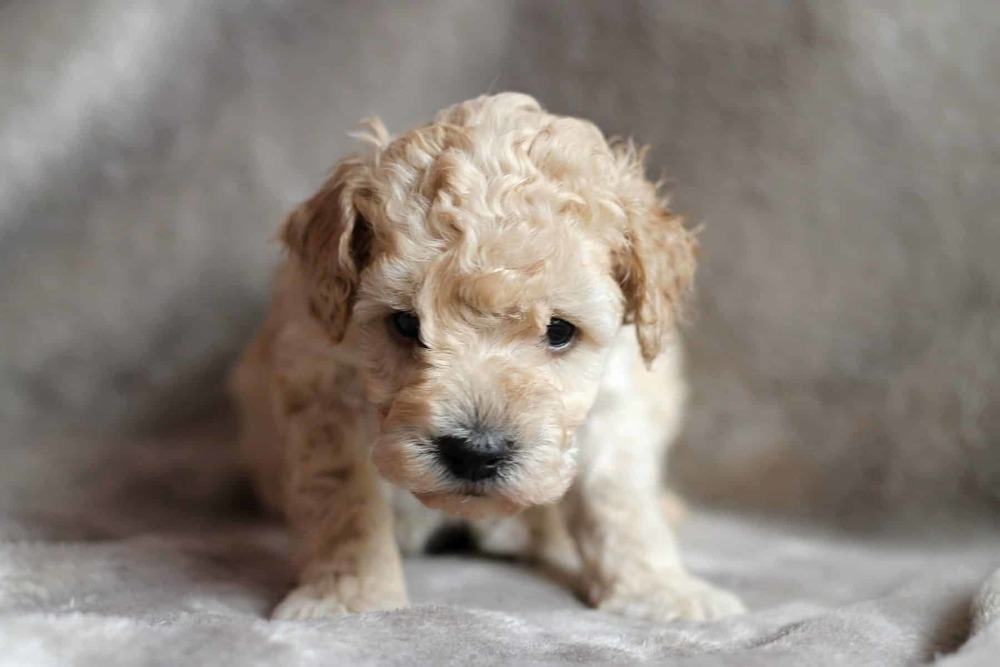
When adopting a poodle or any other dog breed, the price is a lot lower than paying a breeder. How low then? Well, it comes down to $300. And then there’s the ethical advantage too when it comes to adopting a pet.
Now I don’t need to tell you that there are plenty of rescue shelters for Poodles as well. And if you don’t know where to start from, then check out Adopt A Pet. It’s one of the most reliable ways of finding a dog of your choice within your area.
You can adopt a pup or an adult dog through this particular platform. The goal is to find them a nice, loving home where they will feel cherished and happy. Dogs, no matter the breed and no matter where they come from (even in terms of lineage), make absolutely loving pets when cared for the right way. So you do your bit, which includes adoption.
Teacup/Toy Poodles – The Basics
Where Are They From?
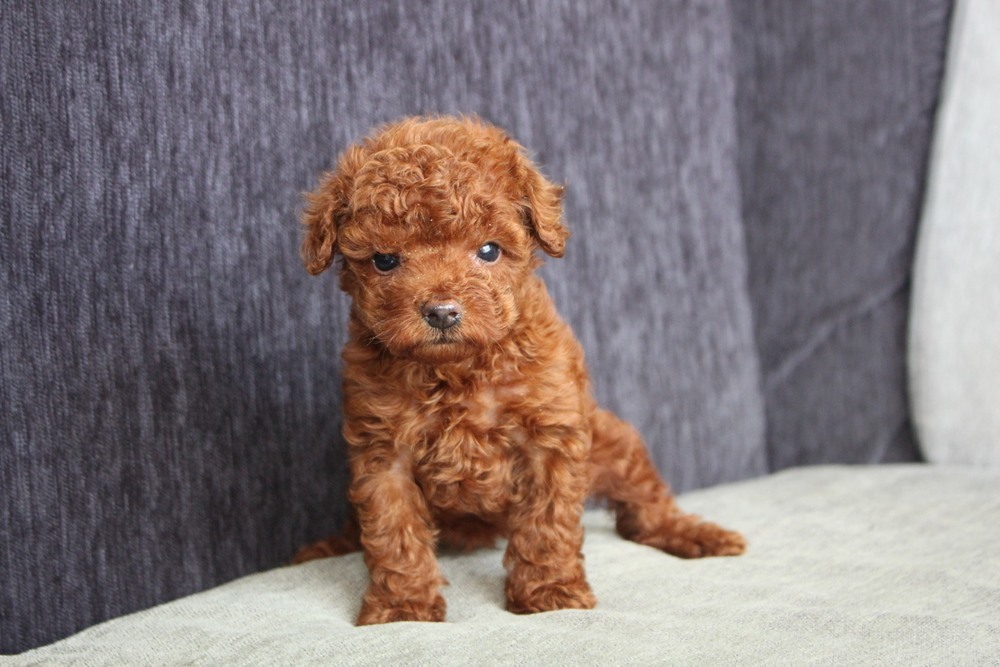
Little known is the fact about the origin of the Poodle breed. But then most of the information and conjecture point in the direction of either Germany or France during the 18th century. In German, the word Pudel means puddle (for instance, Pudelhund).
Then the American Kennel Club (AKC) recognized the breed in the year 1887. The Toy Poodle also came about during the 18th century, but this happened in England.
What Are the Different Types of Poodles?

There’s Toy Poodle, Miniature Poodle, and Standard Poodle. Needless to say, the Standard version is the original one. This means the other sizes are bred from this Standard variety of Poodles. On that note, let me tell you that Teacup Poodles aren’t AKC-recognized yet they’re popular (unfortunately).
What Is the Size of Teacup/Toy Poodles?

As is obvious, they are small four-legged canines. Teacup Poodles are 7 to 9 inches tall and weigh between 2 and 6 pounds.
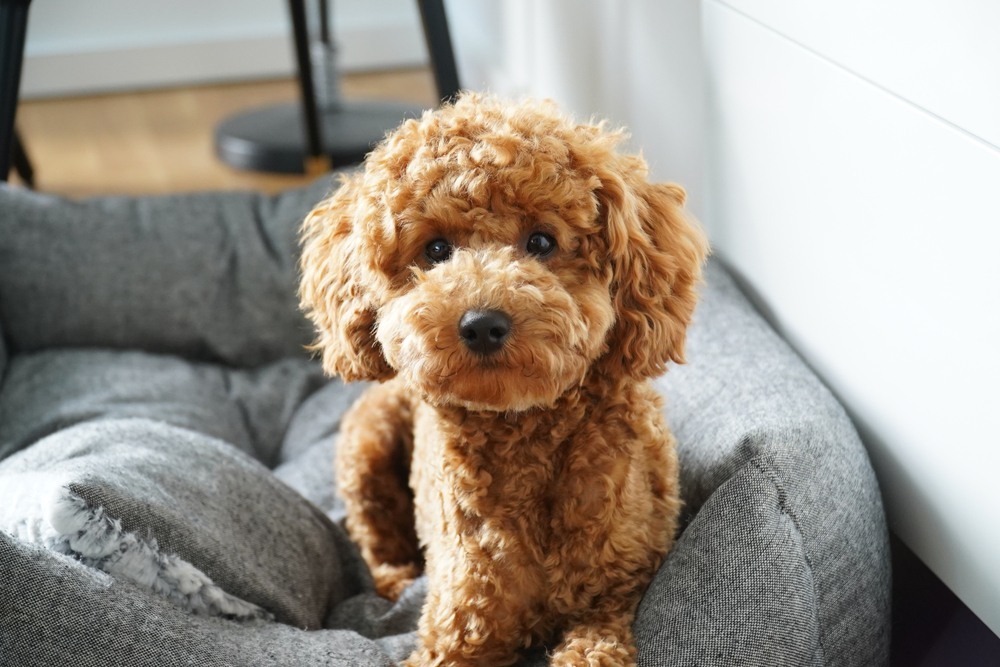
As for Toy Poodles, they’re slightly taller and heavier. Height is 9 to 10 inches and weight is 6 to 9 pounds.
What Is the Lifespan of Teacup/Toy Poodles?
Surprisingly, poodles are one of those dog breeds that live the longest. Life expectancy here is around 14 years. In fact, some even live for as long as 18 years.
What Is the Fur/Coat Color of Teacup and Toy Poodles?

Poodles come in various colors indeed. The most common ones are red, white, cream, gray, black, brown, silver, sable, and apricot. The best of the lot is an apricot-colored Poodle – that’s between red and cream.
And according to AKC’s standards, the breed has a very dark set of eyes, dark toenails, and a black nose.
How to Avoid Getting Scammed When Buying A Poodle?
It’s no surprise that scammers exist in the world of breeding dogs and making HUGE profits. But then you should know that high supply is only a result of high demand. So of course backyard breeders and other such unethical, irresponsible sources are taking full advantage of that.
But then you can be smart and cautious about it. Meaning there are ways to identify these scammers. More often than not, they exhibit the following behavioral characteristics…
- Do not send videos to you or even video chat with you.
- Say that you can get just about ANY breed from them, no matter the age of the dog.
- Can be very easily convinced to reduce the price.
- Do not provide vet references, official documents, customer reviews, etc.
- Refuse outright for letting you visit the litter.
- Request you to send the money through non-secure websites or other such means.
- Constantly hound you in case you tell them you’re not interested anymore.
Conclusion – Why Adopting Is the Best Thing After All!
Now that there are so many well-recognized rescue shelters spread across the world for adopting pets, there’s no chance your choice of breed isn’t going to be available. You can start by checking your local animal shelter. Simply get in touch with them and maybe even fill out the application.
Keep in mind that not all such rescue communities carelessly hand out Teacup/Toy Poodles or any other dog breed. Meaning they’re usually very conscientious about where their rescue dogs end up. Only genuinely responsible, caring, and loving individuals and families get selected.
But then there’s no denying that the price range here is much, much more affordable. Only between $100 and $300. As opposed to the $1,000-$3,000 price range often put forth by professional breeders.
Siberian Husky Price Range – How Much Does A Puppy Cost On An Average?
Raising a Siberian Husky – the whole idea sounds very exciting and fun. But then do you even know what is the Siberian Husky price range?
Also, are you well-equipped in terms of finances to bring a dog, let alone a Husky, into your life? Apart from the initial purchase price, other important costs include food, training, grooming, medical expenses, supplies, and more essentials.
The short answer is right here for you – the cost of a Husky puppy is no less than $900 and goes all the way to $1,500. And then comes the first-year total sum of money you spend on the pup, which isn’t any less than $3,500.
Now it’s time to get to know everything related to price in detail below…
Initial Cost – Siberian Husky Price Range
Puppy Price

Puppies of this easy-to-train and very affectionate breed are priced between $900 and $1,500. Needless to say, they can be more expensive too depending on many factors (discussed later in this post).
The costliest ones are show-quality Husky puppies. Then you have pet-quality. And the least expensive are the purebreds with no pedigree certification.
Adult Siberian Husky Price

Not every to-be pet owner’s looking for a pup, right? Some just don’t care so much about the age of the dog. Plus, there’s the added benefit of not having to train the dog provided that the breeder or community is a reliable one who has already put in the much-needed training effort. So it’s only natural to assume that adult Huskies are more expensive to buy.
You can even adopt one if you think that the adult Siberian Husky price range is too high. Because adoption fees are never above $300. You simply have to head to your local animal shelters and rescue homes to get to know more.
Siberian Husky Price Range – What Factors Decide the Cost?
1. Gender
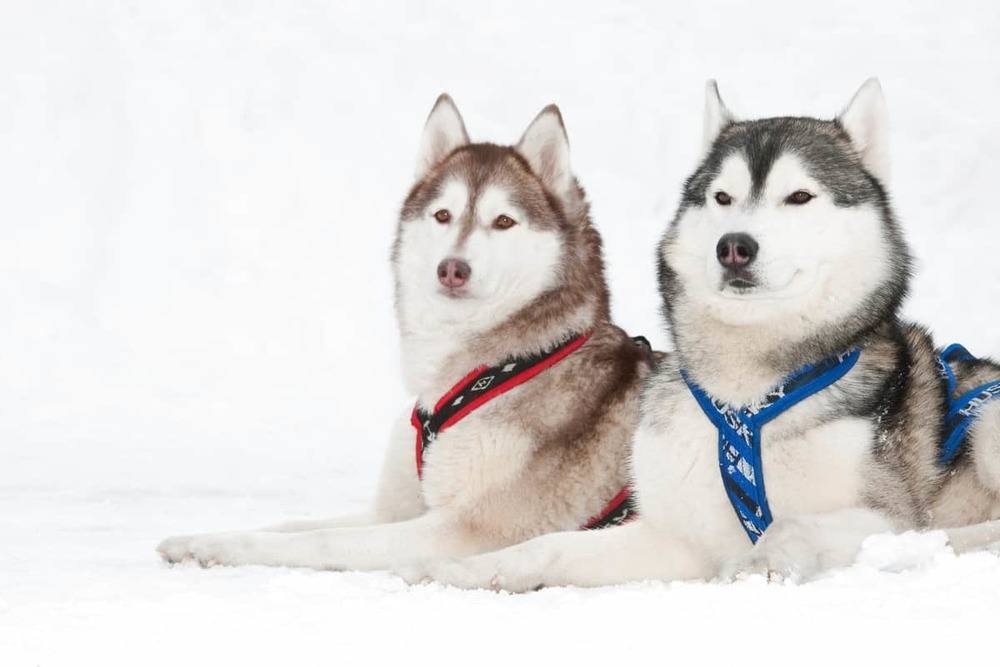
Surprisingly, male and female Huskies are priced the same. But it’s just that the former weighs more than the latter. This means you pay slightly more for the slightly extra food that male canines consume.
2. Age
Age does indeed decide the price of the pups. When they’re between 8 and 12 weeks old, that’s when they’re the most expensive. An older Husky, on the other hand, i.e. 1-year old for example, is relatively more affordable. In that case, you only pay for the adoption.
But then animal shelters charge a higher adoption fee if the dog is younger. Simply because the demand for younger canines is higher. And it only makes sense to reduce the charges as the dog grows older; the not-so-expensive cost here just encourages you to adopt senior dogs.
The added benefits of a senior Husky or any other breed – he/she is already trained and a lot calmer than little pups running around everywhere all the time.
3, Coat Color
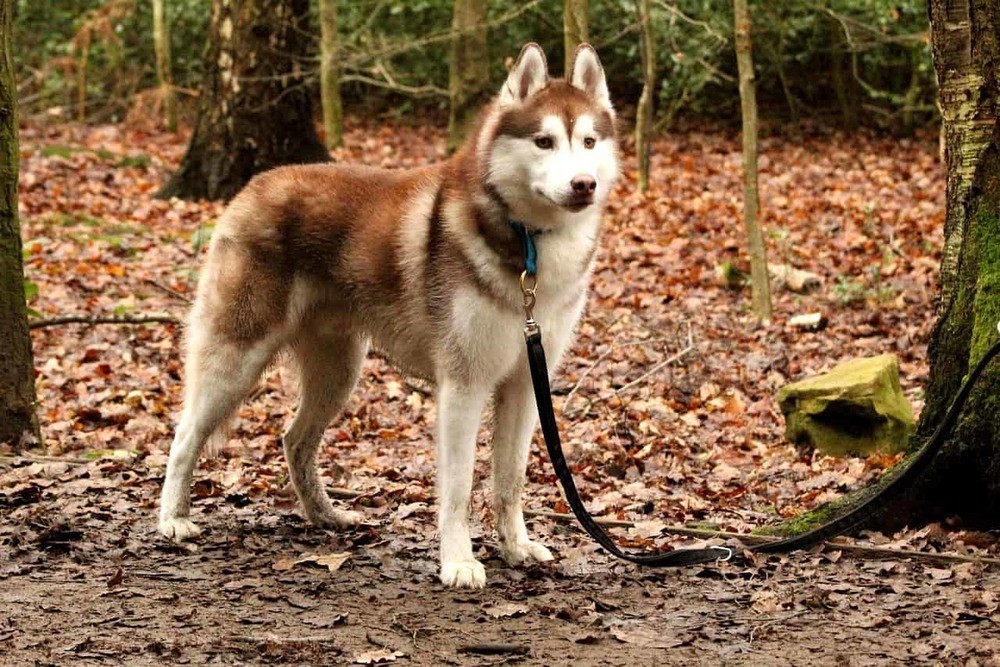
This one’s kind of an obvious price determinant in the case of Huskies. The breed comes in a wide range of fur/coat colors as well as patterns. The list includes white, tan, black, and sable. And some even have a woolly coat, which is rare and also not a “favorable” quality because snow takes much longer to dry up when the coat is too woolly.
This explains why pups from the very same litter are priced differently.
Moving on, pure white Siberian Huskies are deemed the most desirable. Hence, the price is so high ($2,500).
You just have to make sure that the breeder isn’t practicing any form of unethical, inhumane breeding that prioritizes physical traits. The health and well-being of dogs should be every reliable, professional breeder’s top priority, no matter what.
4. Certifications
If the breeder is AKC-certified, then the purchase price is certainly going to be higher. And that’s because acquiring AKC certifications isn’t cheap. However, please note that not every professional or reputable breeder is AKC-certified. But some, even though not certified, produce healthy, happy puppies.
5. Bloodline and Lineage
This is another factor that affects the price range. But more and more pet owners are now not giving importance to such biases. But, unfortunately, there are some who still go looking for an award-winning, “championship” bloodline. As a result, they pay a much higher price for the dog.
Such “show” or backyard breeders are to be avoided at all costs. Instead, you should choose pet-quality and not show-quality Husky puppies. The latter is almost always at least $500 more expensive than the former.
So Should You Get A Husky?
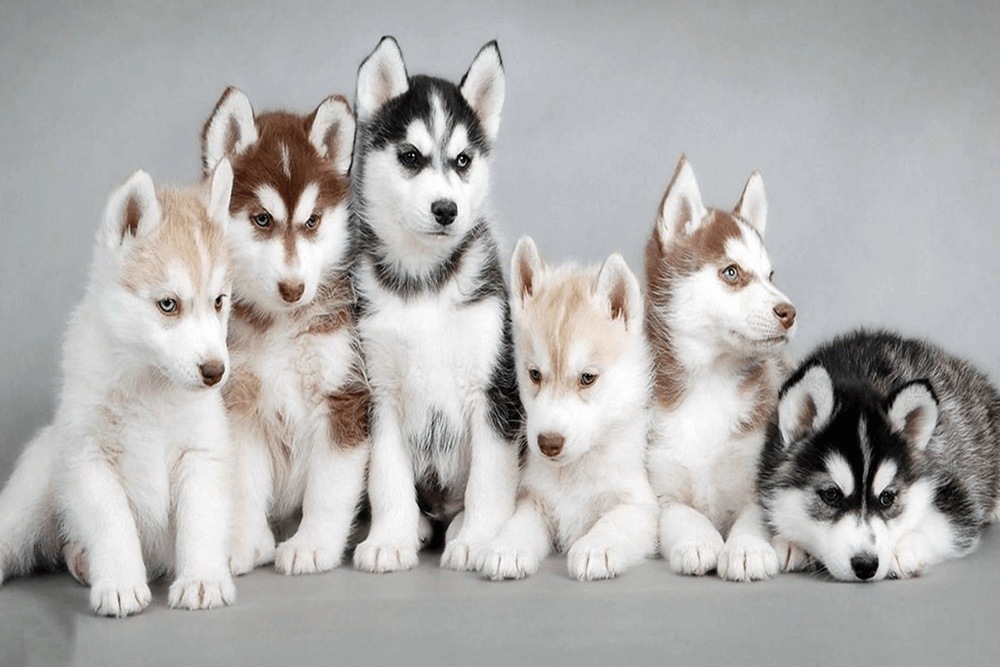
The breed, no doubt, is perfectly sized. Huskies are neither too small nor too big. And let’s not forget that they’re beautiful and fierce-looking canines. With a gray, copper, red, white, black, sable, and agouti coat and brown or blue eyes (sometimes there’s one of each).
In terms of personality, a Siberian Husky is extremely loving and loyal, much like all other dog breeds. But Huskies are also diligent creatures while also being playful and mischievous. Meaning they have lots of energy to expend, which implies that you have to make sure they get their daily dose of exercise.
So if you don’t live an active lifestyle or are a very busy person, then maybe a Husky might not be the best option for you.
Conclusion
There’s just no denying that Husky pups don’t come cheap. In fact, this is one of the expensive breeds. Precisely because a Siberian Husky has some very unique qualities in terms of appearance and behavior.
But then they require special attention. You have to make sure you have the time and patience to provide them with all that they need. And this includes regular exercise, high-quality food, and things like that. Just so you know, food for Huskies is generally more expensive than the lot.
Even the climate matters a great deal in the case of a Siberian Husky. So you have a lot of thinking and considering to do before you actually buy or adopt a pup. Be it of this particular breed or any other one. Dogs are a huge responsibility, which is something you must take on only if you CAN. Otherwise, his/her health, well-being, and happiness are placed in jeopardy.
Endnote – Huskies cost anywhere between $900 and $1,500. And sometimes even higher for reasons that are rare to come across.
Are American Staffordshire Terriers And Pit bull Terriers The Same?
Once upon a time, someone would just refer to their canine companion as a pet dog. Today, however, it’s no longer enough to simply call them that anymore. You’d hear someone say, “This is my poodle, Lux” or “I have a golden retriever named Tucker.”
As you can see, people tend to put more emphasis on the dog breed nowadays. The tricky part is that it takes some extra effort to become familiar with the many canine breeds, with some breeds looking so alike that you might not be able to tell the difference.
One example is the American Staffordshire terrier versus the pit bull terrier. One quick look, and you’ll conclude that they’re the same breed. But are they really the same breed? Read on to learn how different the two breeds are.
Are Staffies And Pit Bulls Related?
One of the reasons why Staffies and pit bulls share so many similarities is because of their same bloodline.
During the late 1700s, the Brits crossbred black and tan terriers and bulldogs, which resulted in the Staffordshire bull terriers. Now, in the 19th century, the Brits once again bred Old English terriers with Old English bulldogs to create a breed with the gameness of terriers and the athletic build and power of bulldogs. This birthed the breed called “bull and terrier.”
Now, immigrants brought the bull and terrier to America and once again tried selective breeding to increase their height and making them leaner. These were later on called the American pit bull terriers.
The bull and terrier breeds also became the ancestors of Staffies and bull terriers. In conclusion, yes, Staffies and pit bulls are related to the bulldog as their grandfather. But their similarities don’t stop there.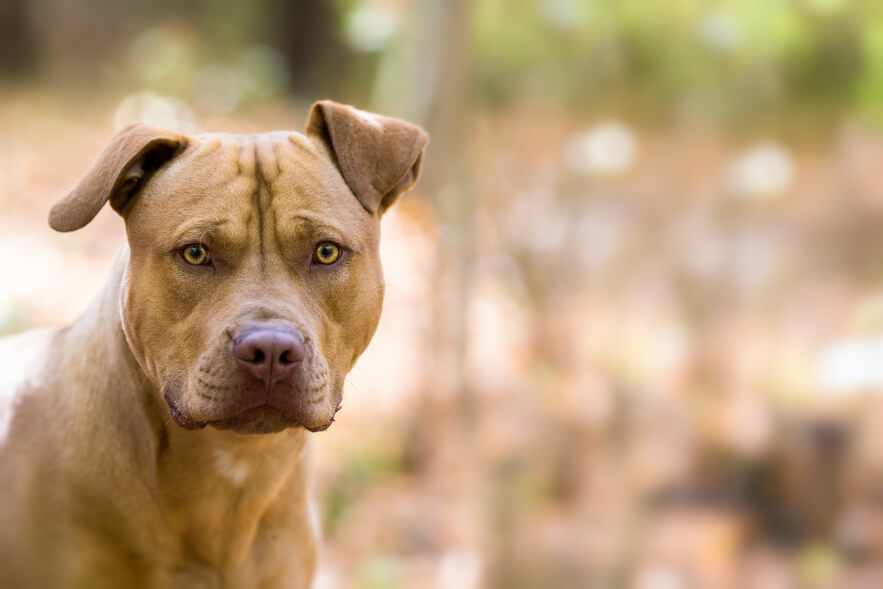
The Confusion Between The Two Breeds
Staffies and pit bulls were once bred for dogfighting. Fortunately, people started becoming more aware of the brutality of the so-called sport, which was essentially condemned by the United Kennel Club (UKC). The sad thing is that the reputation of the pit bulls never recovered and is still associated with dogfighting to this day.
As a result, the American Kennel Club (AKC) chose not to recognize the American pit bull terrier as a dog breed. The Staffordshire bull terrier, however, was accepted. In addition, since the original name of Staffies was too similar to its cousin, its name was changed to American Staffordshire terrier.
As you can see, the name changes and politics and registration rules among kennel clubs are responsible for most of the confusion between these two breeds.
Staffies Versus Pit Bulls: The Similarities And Differences
- Weight And Height
Staffies and pit bulls are both muscular canines and considered to be medium-sized dogs. Staffies are shorter, measuring 17–19 inches in height, measured from shoulder to paw. Meanwhile, the pit bull stands at 17–21 inches in height. In addition, Staffies are a lot heavier, weighing on average of 40–70 pounds, whereas pit bulls only weigh around 30 – 65 pounds. Staffies are stockier and shorter, whereas pit bulls are more slender and taller.
- Head And Body
Both Staffies and pit bulls are well-balanced dogs, with large, square heads and muzzles. However, Staffies tend to have more defined muscles that give them a powerful appearance.
In terms of head size, however, the difference becomes more evident. The UKC standards state that both Staffies and pit bulls have straight, broad, tapering muzzles. Pit bulls feature a flat, medium-length head that’s widest at its ears with a long muzzle that has a 2:3 ratio in relation to the length of their head.
Staffies, on the other hand, are known to have a short head with a broad skull, pronounced cheek muscles, and a short muzzle. There are no regulations for the length of the muzzle; however, it should be shorter or longer than the 2:3 ratio given to the pit bulls.
- Color And Coat
In terms of their coat, both Staffies and pit bulls have smooth and short coats. Both breeds are born in various colors. In general, though, kennel clubs won’t accept tan and black, red, fawn, or brindle in Staffies as well as white that covers 80% or more of its body. Pit bulls are accepted in any color, except merle. Also, the blue nose variant is the rarest color, followed by the red nose.
- Temperament
On to the most commonly asked question, “Are they vicious and scary?” That’s a hard no! Both Staffies and pit bulls are not inherently aggressive breeds, as you imagine them in brutal dogfights with all the blood and sharp canines.
In reality, pit bulls and Staffies are no more vicious than Chihuahuas. It’s entirely dependent on their owners and their upbringing. So if the owner trains these breeds to be dangerous and vicious, that’s how they’ll grow to be. But raised in a playful and loving home, they can make some of the most affectionate and friendliest pets. With that said, the AKC and UKC do provide a guide on the temperament traits for Staffies and pit bulls.
Staffies are intelligent, tenacious, courageous, trustworthy, loving, and affectionate to their family. They’re much more good-tempered than pit bulls. Pit bulls are considered confident, strong, zesty, and always eager to please their owners. So without proper training and attention, pit bulls can live up to their bad reputations. Most workers in animal shelters often said that pit bulls are much volatile than the Staffies.
Still, both breeds are considered very loving toward their family and people but require effective socialization and training in their early lives.
Conclusion
So back to the main question, are Staffies and pit bulls the same? It’s a yes and no. Some people consider them to be the same breed, who were given their different names because of their not-so-good history.
The mainstream answer for that question is no. Although they have the same bloodline and are quite similar, there’s actually a range of inconspicuous dissimilarities between them—Staffies are chunkier while pit bulls are more athletic— proving that they’re indeed different from each other. Think of them as cousins instead of siblings. Even kennel clubs recognize the Staffie and pit bull as two separate dog breeds.
Regardless of their differences, both breeds are affectionate family dogs that’ll give you lots of cuddles and licks and definitely don’t deserve the unfair stigma that came from their bloody history.
Saint Bernard Price Range – What Is the Cost and Types of Breeders?
Termed as gentle giants, Saint Bernards are often misjudged as dangerous dogs. Agreed that their physical appearance makes them seem intimidating but then haven’t you heard of the phrase appearances can be deceptive?
In that case, these dogs are sweet, friendly, and just plain, simple gentle. So what is the Saint Bernard price range? Let’s find out right away!
Saint Bernard Price Range – Cost of Puppies

So what is the average price of a pup belonging to the Saint Bernard dog breed? The majority of the time, the cost is anywhere between $550 and $2,000. With the average being around $1,000. In the case of a purebred, the price can be as high as even $3,500.
Now it’s pretty obvious that these numbers are quite high. And more often than not, you don’t even know where your pup is coming from. Meaning are you buying from a trusted source or is it one of those backyard breeders who don’t seem to care about anything else other than the huge profits they make. At the cost of the health and well-being of the animal of course.
So the best, or should I say ethical or moral, thing to do here would be to Adopt A Pet. After all, adoption has no such unscrupulous nature attached to it. Plus, adopting is WAY cheaper than you can imagine. For example, the re-homing charges at rescue shelters and adoption centers are between $50 and $500.
Whatever it is, shelter or breeder, do proper research, ask around, find something or someone trustworthy, and then decide. All the while keeping nothing but the well-being and health of dogs in mind.
Saint Bernard Price Range – Factors That Determine Cost
The Size of Saint Bernard

Not every puppy or adult dog looks the same in terms of size, which means the cost may vary depending on how small or big the creature is.
Generally speaking though, the average height of Saint Bernards is 25 inches to 28 inches. And the average weight is 60 kg. But it can reach 136 kg as well if it’s a large canine, thus a much, much higher cost.
The body of a Saint Bernard is marked by a visibly large head. Along with large upper lips, large feet, short and deep muzzle, wrinkled forehead, muscular legs, flat back, and a low, broad tail.
The Coat Color of Saint Bernard
In terms of how the coat feels, it can be smooth or rough. As for the color of the coat, this list includes tan, brindle, red, black, or a blend of all colors. Typically, the ears are black.
It’s only natural to assume that different colored Saint Bernards are priced differently. For example, show dogs have a white blaze, collar, chest, legs, and tail tip. So they’re more expensive.
The Age of Saint Bernard

Even age is a very strong determinant of price. That’s because most want to make sure the pup is well-trained by them and then grows up to be a well-behaved pet in the house. Not that you can’t train a full-grown, adult dog. Nevertheless, they desire puppies. But puppies are higher priced in comparison to their adult version.
But then this also means that an older Saint Bernard is comparatively more inexpensive, which sweetens the deal for you even more. Older dogs are often price-tagged cheap and affordable so more people can adopt these homeless creatures and provide them with a safe living environment.
The Registration Papers of Saint Bernard
Many breeders are associated with famous kennel clubs like the AKC. Dogs from reputable breeders are registered with AKC. And this registration and the AKC certification are granted after paying a certain amount as fees. So the breeders add that particular cost to the selling price.
The Basic Medical Expenses of Saint Bernard

Health screenings of breeding dogs are a must. Along with basic medical evaluation or tests of newborn, growing puppies. Then comes the cost of vaccinations, deworming, and other such non-optional procedures. Needless to say, this increases the price range but then it minimizes the possibility of a potential disease or problem passing unchecked.
Different Types of Breeders – Beware of the Cruel Ones!
- Puppy Mills
Dogs are the cheapest at puppy mills – between $400 and $600 only. And you know why that is? Because they have no ethical standards when it comes to breeding or caring for animals.
Puppy mills are often masquerading as “reputable” sellers BUT THAT IS NOT THE CASE. So you should never support such organizations, no matter how tempting the affordability factor may be.
- Backyard Breeders
When unplanned pregnancies happen or when proper care cannot be taken in the case of extra dogs – that’s the scenario of backyard breeders. They simply cannot be compared with reputable, trustworthy breeders. Because the former doesn’t follow any specific or safety standards. Hence, are pretty much like puppy mills.
Maybe he/she is a first-time dog breeder and hasn’t figured out all that needs to be taken care of. So it’s best to steer clear from backyard breeders, especially if your choice of breed is the gentle, giant Saint Bernard.
As for the average price, since it’s supposed to “tempt” you, it’s anywhere between $700 and $1,000.
- Reputable Breeders
These, by far, are the ones who know and care about what they’re doing. In most cases at least. The majority of reputable breeders dedicate time and effort to preserving ethical breeding standards and also for raising their pups in the right manner.
In that case, there is a waiting list. Also, another drawback is the higher price. And the cost of buying is even higher if the dog comes from a champion bloodline.
But the advantages, in a way, make up for the setbacks. You get an entire medical history of your pup’s lineage and where he/she comes from. Along with other things taken care of – such as deworming, vaccinations, etc. So that pretty much explains the higher price range.
The average Saint Bernard puppy cost from a trusted, ethical breeder is between $1,000 and $2,000. But champion dogs can cost as much as $3,000 to $4,000. Now you may not want to purchase a show or championship dog but then, at the same time, that doesn’t mean buying your to-be pet from a puppy mill where they treat animals poorly.
Conclusion
Saint Bernards are loyal, endearing, lighthearted, and HUGE dogs. They’re pretty popular for their large size itself. This breed is plenty amusing to be around, which makes them even more desirable as family pets.
So how much do you have to spend to get one? On average, around $1,000. You can even adopt if you’re against “buying” dogs or if you just don’t have that kind of money.
Newfoundland Dog Price Range – Cost of Buying, Adopting, & Caring for the Dog
Even though a Newfoundland dog is seldom bought, it is because they aren’t as readily available in the market today. There are many reasons why this is true. But mostly it is because it requires a lot of money (long-term costs) to take care of a Newfoundland dog.
But this should dissuade you from bringing a Newfoundland pup home. What I can help you with is to let you know the estimate of owning a Newfoundland dog. The initial costs for adoption, medical check-ups, food, bedding, and toys. And a brief but helpful guide on how to make the most of your time and money taking care of a Newfoundland pup.
What’s the Cost of Buying A Newfoundland Puppy?

A Newfoundland puppy below the age of 1 costs somewhere around $600 to $2,000 from a reputable breeder. You might also find a Newfoundland rescue in an animal shelter if you’re looking to adopt. The average price of a rescue pet is between $100 to $500.
I’m sure you’re thinking – why is the cost of adopting a Newfoundland dog so cheap?
The last thing you want is a breeder breathing down your neck regarding the “charm” of buying a purebred and champion-blood dog. You don’t want to get swayed or tempted by somebody whose job is to convince you to shop for a dog rather than adopt one that needs a loving home you can provide.
Re-homing fees in animal shelters are often $50 to $100, no matter which breed of dog you adopt. While, on practical terms, adopting is an affordable alternative. Finding a Newfoundland dog, I’ve noticed, is not that easy. That is why a lot of people choose to pay a higher amount to a breeder when they want a Newfoundland pup.
This begs the next question that every new pet parent should ask themselves before shopping (not adopting) for a new dog.
Criteria for Breeding Newfoundland Dogs

A licensed veterinarian wrote that it’s important to medically evaluate and consider the effects of breeding new pups. Lots of breeders tend to exceed their limits and neglect ethical breeding practices to make a profit.
And as a pet parent, it is your responsibility to pick a wise, loving, and professional breeder with registered dogs and puppies.
Newfoundland dogs are prone to various health conditions. Such as hip dysplasia, eye problems, elbow immobility, heart disease, and kidney defects. Most of which might be genetic and can be detected, if not cured, to prevent further breeding.
This brings me back to the point I made earlier that it’s essential (and life-saving) to adopt and not shop for a Newfoundland pup. When you adopt, you can not only care for a new dog but potentially save and better a dog’s quality of life.
The best thing about Newfoundland dogs is that they loyal, affectionate, and friendly with children and other dogs. They’re also easy to train, very playful, and energetic.
At What Ages Can You Adopt A Newfoundland Dog?

According to my research, the price of buying a Newfoundland dog slightly differs with age. Puppies cost more than adults. And adults cost more than senior dogs. And when you visit an adoption center or an animal shelter, chances are they won’t ask for money. But you can still donate in any way you can as a charity/donation.
For breeding, Newfoundland puppies are 2-3 times more expensive than adult dogs. And senior Newfoundland dogs are 3-4 times cheaper.
So if you pay $1,200 for a puppy, for example, from a breeder or pet shop, you pay $300 to $400 if you want to buy a senior age Newfoundland dog. And mind you, if you look for long enough, you may find an adorable senior dog to care for.
This opens doors to a whole new territory. That is first-year costs…
First-Year Costs of Owning A Newfoundland Dog

Puppy Care
While it shouldn’t come as a surprise to you that puppies chew on things that they’re not supposed to chew on. This includes chewing on the mattress, edges of the sofa, books, pillows, slippers, clothes, or anything that they get their paws on.
Newfoundland puppies are definitely not excused from this habit. Using edge protectors to prevent this and toys for your puppies to chew instead is very important. The cost for this is not more than $100.
Health Check-Up
A complete physical examination by a vet is necessary once you bring a Newfoundland home. Puppy vaccinations, deworming medicines, x-rays, health insurance, and other health-testing measures that a vet would ideally recommend.
According to the National Breed Club, the necessary tests that every Newfoundland pet parent should consider are:
– Hip and elbow evaluation
– Cardiac exam
– DNA test
– Eye and ear check-up
The total medical cost for raising a Newfoundland dog is $440 to $900 during the first year. For spaying and neutering which ideally takes place after the first year, the cost is $50 to $500 depending on the location of the vet.
A vet visit costs $60 to $200 each time during the first year. This includes the cost of vaccinations, deworming, and heartworm and flea prevention treatment.
Diet
You would be surprised to know that Newfoundland dogs are not picky eaters. What you do need to keep in mind though is that they are prone to weight gain. So you need to feed premium quality food with more protein and fewer fats.
The cost of a standard 30-pound bag of high-quality and nutritious dog food is about $100. For more holistic brands, it may be $15 to $30 less.
You should probably check this with a professional vet, but on average a Newfoundland dog eats 4 to 5 cups of dry food in total. This includes 2-3 meals per day.
Grooming
Shaggy and thick hair means more shedding. Investing in a strong pet brush for shaggy hair which costs $20 to $30 is all you need. Do not bathe your dog too much even if he loves to play outdoors. Too much exposure to shampoo can cause hair loss, dryness, and dandruff. But brushing regularly is necessary to get rid of knots and dust.
Final Verdict
It’s important to evaluate your reasons for bringing a new pup home. A reason as good as taking care of a cute, adorable little dog, you have to evaluate your costs before becoming a pet parent. And I will say again that adopting a new dog is just as rewarding a decision as buying.
So with this in mind, you can consider the actual Newfoundland dog price range and cost without feeling overwhelmed or confusing about anything.
English Mastiff Price Range Cost – What Are Buying and Ongoing Charges?
Wanting to buy an English Mastiff is no easy decision. It is a large dog popular for its enormous build and head. English Mastiffs are intimidating dogs, no doubt, so it’s expected that they come at a higher price, right?
In this article, you’ll find out the actual English Mastiff price range cost. And all the factors that go into determining their expenses besides the initial cost of purchase.
English Mastiff is a purebred dog. They are loving, affectionate, and very courageous and protective. The price range of each differs according to their type, gender, age, and sometimes health.
So let’s look at the following information to get the proper breakdown of costs.
English Mastiff – Puppy or Adult?
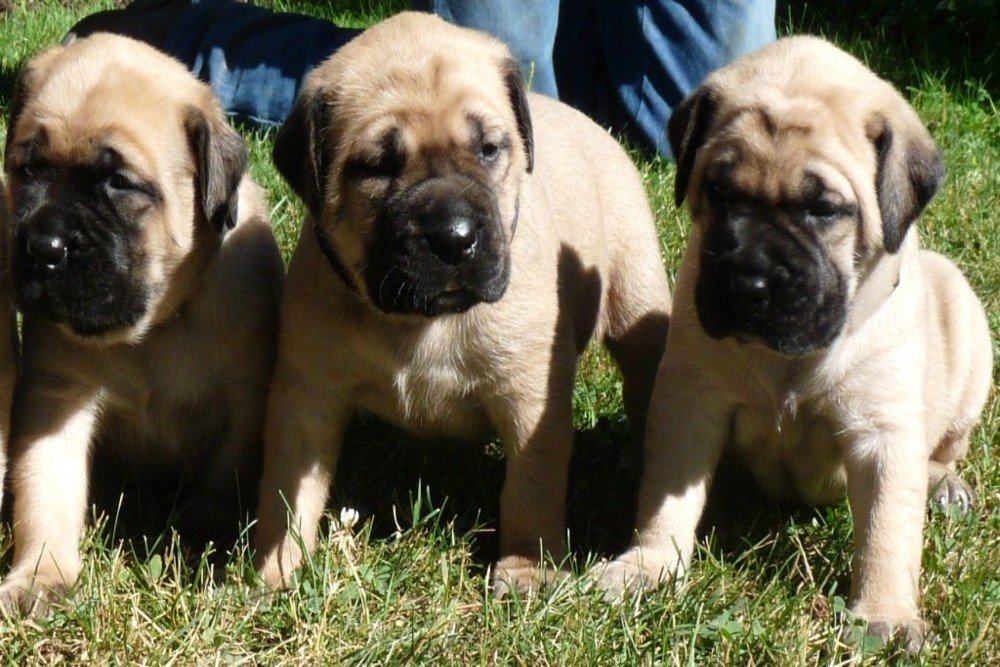
Can you adopt/buy an adult English Mastiff or should you go for a puppy?
A dog up to the age of 1 year is a puppy. It’s easier to bring home a puppy than it is an adult or senior dog. You get to parent a puppy from a younger age. This means they are more likely to develop positive and lifelong habits under your care and training.
Having said that, puppies also require more care and attention. You have to be around them more often and also give them proper medical attention for neutering, spaying, vaccinating, etc.
A puppy English Mastiff costs $1,000 to $1,5000 per puppy. If you want a premium purebred English Mastiff, you may have to pay extra for it. English Mastiffs that are bred for dog shows and other premium dog events cost extra than standard domesticated puppies.
An adult English Mastiff, on the other hand, costs more than a puppy. Somewhere between $2,000 up to $8,000 or more. English Mastiffs are a bulky breed, very strong, and often bred in excellent conditions. So the high price reflects their health, coat, and temperament as well.
Senior English Mastiffs cost $1,000 to $1,500. Most likely, people adopt senior English Mastiffs that are sick and do not have a proper home to feel safe and loved in. So the cost of a senior English Mastiff does depend on how old or sick the dog is.
English Mastiff – Cost of Breeding
There are many ways to acquire an English Mastiff. You can also contact a reputable breeder to pay in advance for an English Mastiff that suits your preferences. Depending on the origin and size of the dog, you will be given an estimate as to their price range.
Generally, breeders will charge you $10,000 to $20,000 for breeding English Mastiffs. Seems like a stiff price range, right?
You should probably know that English Mastiffs are one of the top breeds for premium dog shows and dog events. That there are hundreds and hundreds of people who are willing to pay extra for an English Mastiff because of their superiority.
English Mastiff – Gender
A male English Mastiff is slightly taller than a female. Where your average male Mastiff grows up to 30 inches in height, a female is around 27 inches.
Even in weight, there is a slight difference. Males are heavier than females by 10-15 kilos.
Does this mean there’s a difference in cost between a male and female English Mastiff as well? You may think “yes” but the right answer is no. There is no significant price range for a male and female gender English Mastiff. They both cost the same.
There is a difference in their price range based on other factors like origin, size, and health.
English Mastiff – Registration
A registered English Mastiff with the proper documents and vaccinations is more expensive than an unregistered but healthy English Mastiff.
You can purchase an unregistered English Mastiff and take him or her to the vet to get the proper vaccinations and medical tests done. People want a registered dog only when they want to enroll their dog in dog shows and events. That’s why the cost of buying an English Mastiff, male or female, increases at least 2-3 times.
There are different breed types of the Mastiff. Old English Mastiffs, as they are called, are famous as guard dogs. But they are also loving, affectionate, and loyal family dogs.
The average price range for an Old English Mastiff is $1,000 to $1,200 – regardless of their gender, pedigree, and origin.
English Mastiff – Other Costs
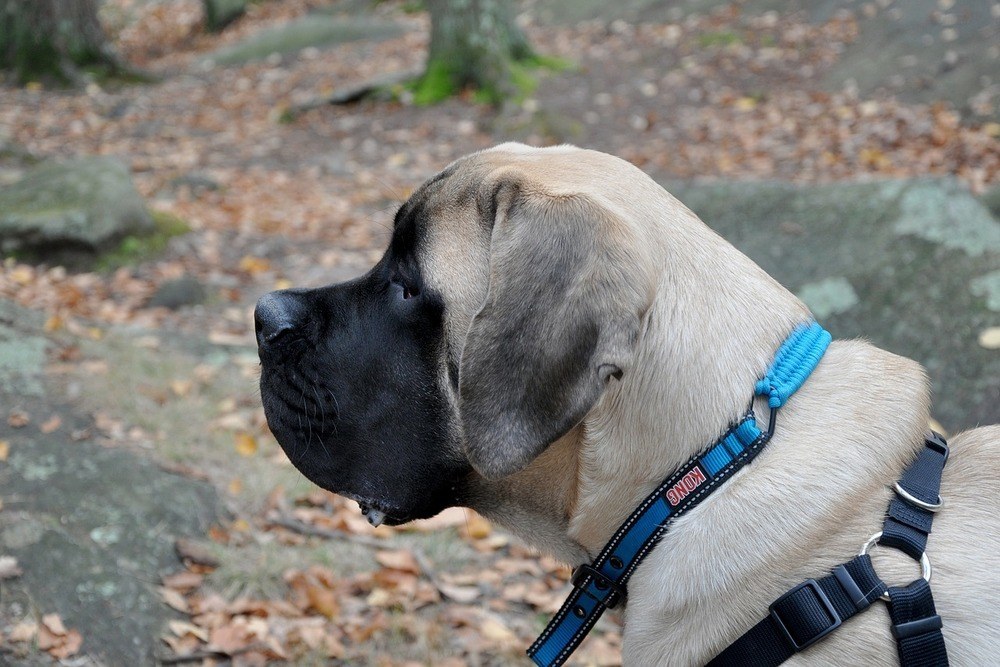
Caring for an English Mastiff includes the basics like food, bedding, water, and toys. Speaking of food, English Mastiffs require premium-grade food. The average cost of which for a puppy is up to $700 yearly. And for an adult, it is around $600 yearly. The occasional dog treats cost $120 to $200 yearly.
Since they have a short coat, grooming is not a significant factor. You can take the dog to a professional vet for clipping nails, cleaning ears, and teeth brushing. This shouldn’t cost you more than $300 per year. Bathing your dog at home is necessary whenever you find that your dog’s coat is damp, stinky, or looks dirty. If you have outdoor space, like a backyard, then giving your dog a bath more often is necessary to prevent ticks, fleas, and skin infections.
Other costs considering the ideal lifestyle of a happy English Mastiff include some toys and a walking leash and harness. This may be the least expensive purchase for an English Mastiff – nothing more than $10 to $15 per item.
Final Verdict
If you ask me, paying up to $1,000 to $1,500 for an English Mastiff is the ideal amount. If you’re looking for a premium, registered puppy, only then should you be ready to pay $500 to $1,500 more.
Another reason why English Mastiffs are so expensive is a rarity. Breeding a purebred Mastiff costs a lot of money and medical screenings. Since they are prone to various medical conditions such as cancer, digestive diseases, and genetic conditions. It’s getting more and more difficult to find a certified and registered English Mastiff.
And in case you do find one, make sure you buy an English Mastiff from a reputable and trusted breeder. Not anyone with a local ad in the newspaper or an advertisement online.
English Bulldog Price Range – What Is the Cost of Purchase, Adoption, and Care?
Just the initial English Bulldog price range is enough to make you believe that the breed is rather expensive. Much like every other dog out there, English Bulldogs have a specific set of physical and personality traits, along with needs that demand special attention. But here, in this case, this particular special attention may cost you extra.
So how about you get to know all about the costs of purchasing as well as those that come later on…
Introducing You to the English Bulldog
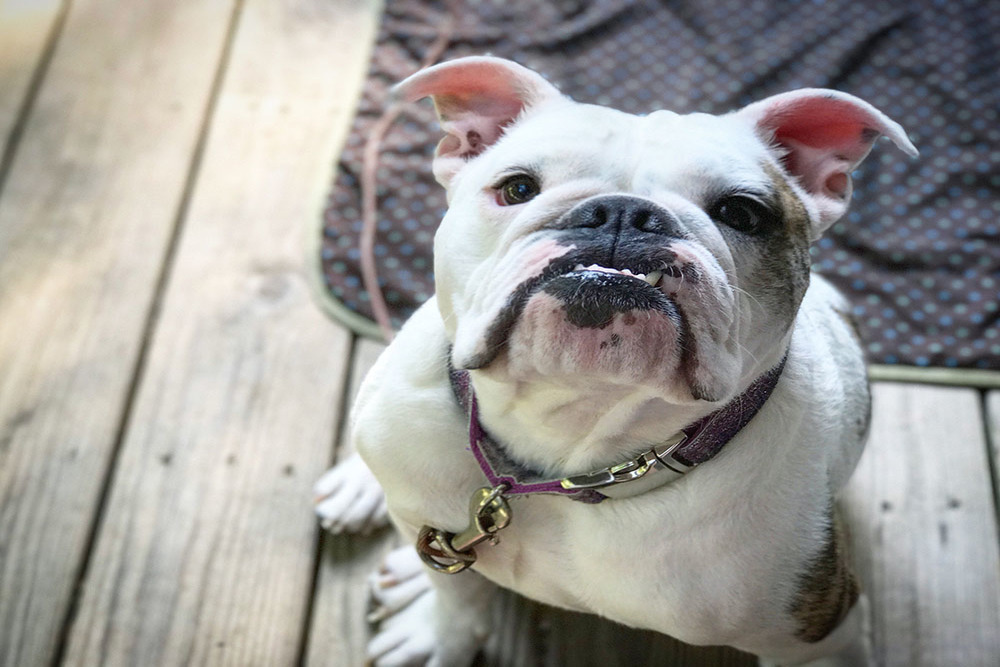
Back in the days, the breed was a huge part of bloodsport competitions like bullbaiting. And that’s an unfortunate part of history. Nevertheless, it’s very hard to believe that because English Bulldog puppies are nothing but docile and friendly creatures. So how can anyone subject this kind of adorable, playful, and calm nature to anything violent!
The breed is also known as Old English Bulldogs. And they’re the most widely known for their quirky behavior and cartoonish appearance even. Getting along with friendly fellow humans is not a problem for them AT ALL.
In terms of training and exercise, even in this department, extra effort has to be put in. But, to be completely honest, that is the case with most dog breeds. Because good behavioral and socialization skills in a canine are nothing but sources of happiness, joy, and discipline. And in the process, even you have a reason to get your heiny off the couch and be a little more active.
English Bulldog Price Range – How Much Do Puppies Cost?
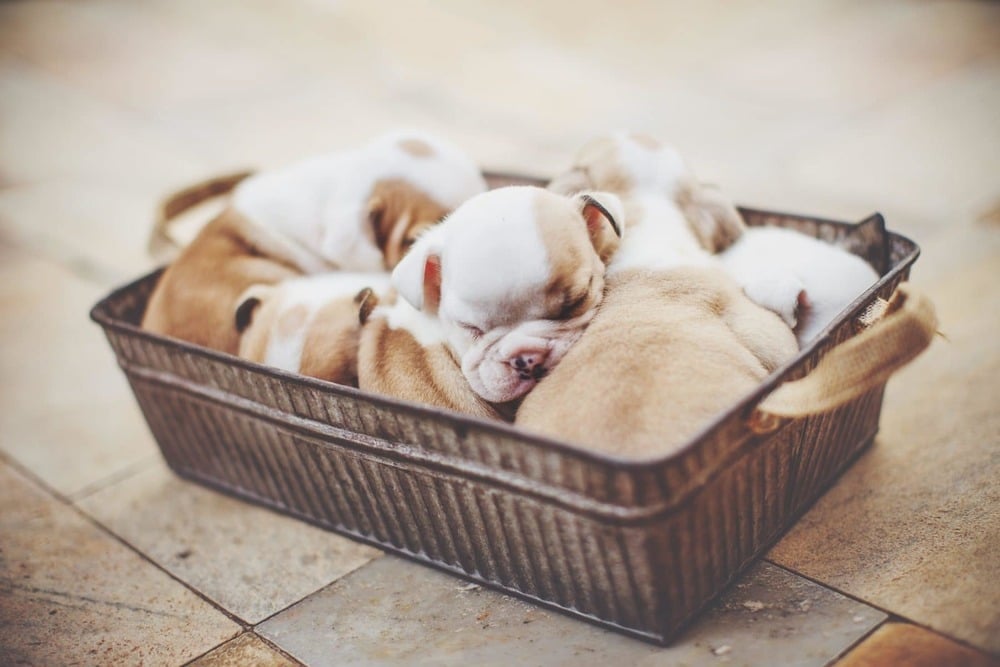
The cost of this particularly expensive breed starts from $1,500 and goes all the way to $4,000. So the average price is about $2,500 in America.
Now let’s talk about breeders. If the breeder is selling the puppy for a price below 1,500, consider that as a red flag. But then what does the red flag mean? It implies that the breeder got the puppy through either a puppy mill or unethical breeding. Both forms, no doubt, are highly irresponsible and inhumane.
Then there are those English Bulldogs that have an even higher than the normal selling price. It all depends on the bloodline of the pup. Purebreds i.e. those that are AKC-registered, cost as much as $10,000. And when the parents of the litter have a championship bloodline, then the cost can rise much, much higher too.
So it’s up to your conscience whether you want to support this kind of “show” breeding or not. But whatever the case, now you understand why Bulldogs are such an expensive breed? Keep in mind that high demand also inflates the prices.
English Bulldog Price Range – What About Rescue and Adoption?
Not many find the whole idea of paying as much as $2,000 just so that they can further encourage unethical breeding practices. So if you’re one of them, then it’s only natural for you to choose to adopt a pet. Plus, there are just too many rescue organizations and animal shelter homes.
As for how much does it cost to adopt a Bulldog from one of these rescue shelters? You won’t believe it – as little as only $300. In comparison to paying breeders, this cost is absolutely nothing. But then you should be okay with not knowing where your dog comes from, what his lineage is like, potential health conditions, and all that.
However, expect the cost of vaccinations and spaying/neutering to be covered.
English Bulldog Price Range – Now Let’s Talk About the Ongoing Costs
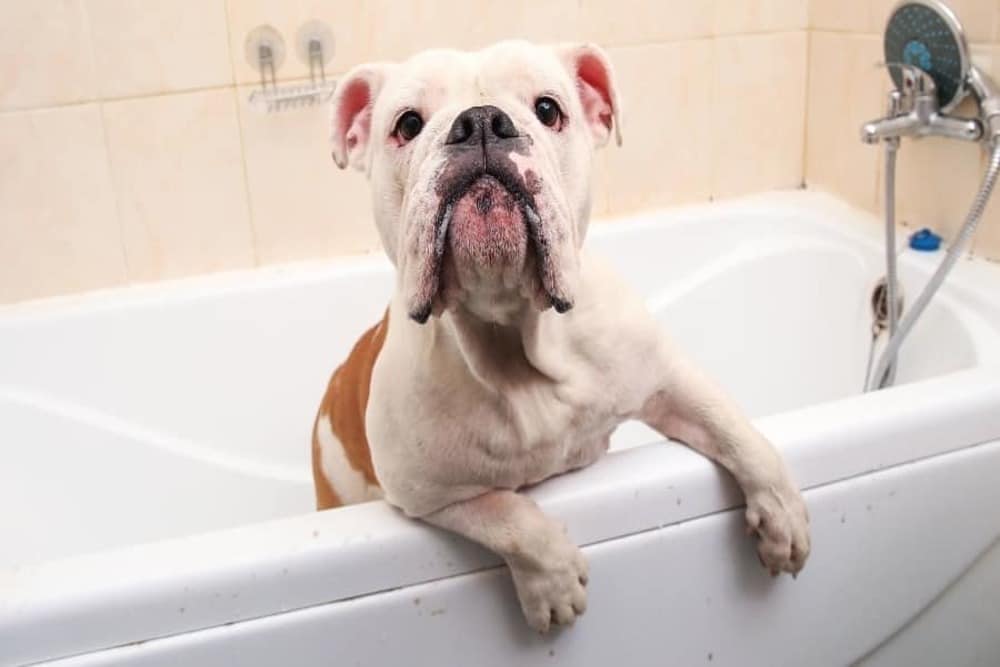
After the initial purchase comes the cost of feeding, vet visits, health check-ups, toys, and some more. No denying these are certainly going to drain your wallet. However, one thing is for certain though that such ongoing expenses are not only limited to this breed. Dogs, in general, require these basic things to live a healthy, happy life.
So here’s the list of products and the average cost of each…
- Grooming tools – around $40
- Harness, leash, and collar – around $40-$50 for each
- Food – between $20 and $50 per month
- Dental products – around $10 per month
- Treats – between $10 and $30 per month
- Crate – around $120
- Puppy shots/vaccinations – around $100
- Toys – between $5 and $30 per month
- Water and food bowls – around $10-$30
Choose high-quality i.e. slightly more expensive stuff if you want it to last for a longer time. Otherwise, you just end up spending less at the moment but increasing the expenses in the long run because of more frequent purchases.
On a monthly basis, expect to spend around $70 per month for everything. This includes treats, food, toys, etc. Obviously, things like food/water bowls, puppy shots, leash/collar/harness, crate, grooming tools, and the like are a one-time purchase. Or at least you don’t buy them as regularly as food and treats.
English Bulldog Price Range – Cost of Fixing Potential Health Issues
You have to think about, if not factor in, potential health concerns and also how much they would normally cost to correct. In that light, let’s first find out what medical conditions English Bulldogs are highly likely to develop in the first place.
1. Cherry Eye – Average Cost Between $500 and $1,500
Some Bulldog puppies have to deal with this genetic disorder of the eye. The cost of addressing the problem varies though. It can be anywhere between $500 and $1,500. That depends on the procedure decided by your vet and what his/her fees generally are.
2. Hip Dysplasia – Average Cost $5,000
More than half of the Bulldog population shows some or the other sign of Hip Dysplasia. So it’s safe to say that the problem is quite common among the breed. And when the condition gets worse, surgery is necessary. And that normally costs around $5,000. It could be more or less indeed depending on the vet.
3. Interdigital Cysts – Average Cost Between $250 and $500
Common cysts in Bulldogs develop in the paws. Vets, usually, recommend surgery to remove the cyst entirely from the system. However, the good news is that the surgery is cheaper. Not more than $500.
4. Allergies – Average Cost Between $100 and $500
Dog allergy testing is not all that expensive. You can pay as little as even $100, based on the vet. The price is largely determined by the type of allergy. Is it a food allergy, which is something that simple medicines can just resolve. Needless to say, your vet is the best person to talk to for a more accurate, helpful estimate and treatment.
Final Note – So Should You Get An English Bulldog?
The financial aspect of owning a dog like the English Bulldog must be taken into consideration. It’s a part of being a responsible pet owner or parent. And to be honest, this is true of any dog breed, not just Bulldogs.
What’s also equally important is caring for your dog. This means buying high-quality, highly nutritious food, purchasing different kinds of toys to keep your pet mentally and physically stimulated, etc. So there’s a lot that’s involved in this process. And it’s best for both you and the dog if you think the whole thing through.
Akita Dog Price Range – The Breakdown of the Cost of Akita Puppies
The breed is heavy-boned and burly with a massive, broad head that is well-balanced by a full-sized, curled tail. A standing Akita is 24-28 inches tall. The coat is dense, and it comes in many colors. And let’s not also forget about the dark, shiny eyes with the adorable, erect ears. No doubt, Akita are unique creatures but then what is the Akita dog price range?
Not every Akita costs the same amount. But why is that? What are the factors determining the cost of Akita puppies?
They’re quiet yet fast. They’re loving and affectionate yet intolerant or wary of other creatures (including human strangers). These are all very well-known facts. Now let’s find out what is not so commonly known.
Akita Dog Price Range – How Much Do Akita Puppies Cost?

Here’s the breakdown of the price range of the Akita dog breed…
1. $700 to $1,200
For $700 to $1,200, you can get an untrained, normal Akita puppy from a family or an amateur breeder. But beware of unethical backyard breeders as they’re just bothered about making money, which means they don’t care for animals that very much.
2. $1,200 to $2,000
Within this particular price range are Akita puppies bred by professional and maybe even trustworthy breeders. These types of breeders are more experienced (though not necessarily more caring toward the animal). But you should always do a thorough background check before buying from and supporting such communities.
But if the breeder can be trusted, then expect a purebred, AKC certification, pet insurance, vaccination check, basic training, and more. Hence, the extra cost.
3. Over $2,000
The highest price range is between $2,000 and $3,000.
Now, these dogs have a “champion” bloodline. This simply means the dog’s predecessors were a part of championships and competitions that, unfortunately, used to be organized for entertainment purposes. In fact, some of them still exist today; in that case, keep away from such “professional” breeders.
Akita Dog Price Range – What Determines the Cost?
Here are all the factors you might want to know when choosing Akita puppies…
#1 Strain

You have 3 main varieties here – Russian, American, and Japanese Akitas. The American type, since it’s the most common, has the most reasonable price range. Then comes the Russian Akita variety, which is slightly higher.
But the highest i.e. most expensive is the Japanese strain. These Akitas cost no less than $3,000. Japan doesn’t allow their purebred, original Akita dogs to be exported to other nations anymore in order to protect the precious genes of the breed. That’s why Japanese-bred Akitas are now rarely seen. And whenever they are, the cost is just ridiculously high.
#2 Lineage
If the Akita puppies come from grandparents or parents that used to be a part of international and national championships and competitions, then expect an unusually high price. That is between $1,800 and $3,000. All the more reason to avoid supporting such professional breeders to put an end to these inhumane competitions that serve only entertainment purposes.
#3 Registration Documents
Is the breed a member of the American Kennel Club (AKC)? If yes, then you should know that the responsible breeder, in this case, has paid the required fees to acquire registration papers. And that, no doubt, adds to the cost. But first, make sure you ask for the documents and get them verified in some way or the other.
#4 Medical Expenses and Health Check-Ups

If the breeder is not just money-driven and actually cares for his/her dogs as well, then chances are that they have carried out the necessary health check-ups to evaluate medical conditions. This includes vaccinations, deworming, basic blood tests, and the like. And getting all this done is certainly going to cost a certain sum of money to the breeder.
#5 Socialization and Training
It’s only common for professional breeders to sell their dogs after training, fostering, and caring for them properly. Although not all breeders are like that. So please make sure you choose someone you can trust. And these kinds of socialization and training practices naturally increase the cost of the pup.
The benefit here is that you get a friendly, well-behaved dog that you would otherwise have to train on your own if you genuinely care about his/her physical and mental well-being.
#6 Coat/Fur Color
There are as many as 15 different variations in terms of Akita fur color. But then this, more often than not, is divided into 2 main categories…
I. American Akitas
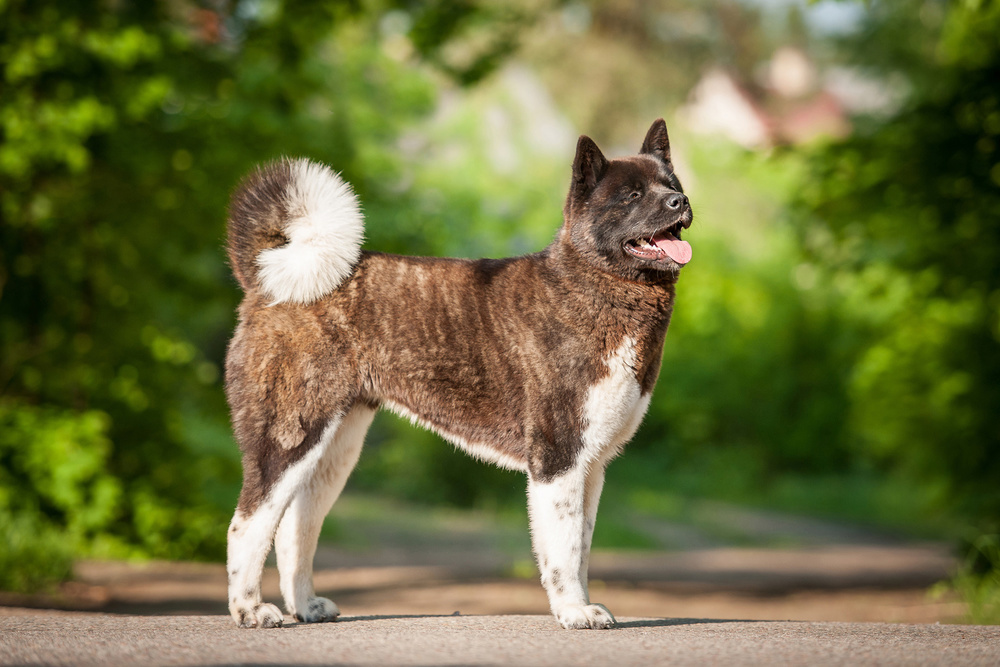
Gray, white, and brown American Akitas are more expensive than the rest of the American breed.
II. Japanese Akitas

The most favorite color here is orange and white, thus it’s also usually higher-priced than the others.
#7 Age, Size, and Gender
The male gender is $100-$200 more expensive than the female counterpart. Because male Akitas, or any other dog breed in general, are bigger as well as stronger. And most people prefer getting burly, chubby, stronger-muscled, and wider-boned dogs i.e. the male species.
Along the same lines, the majority of pet “lovers” want to get puppies and not adult dogs. In a way, that makes partial sense because it’s much easier to train a puppy. Plus, puppies, especially when 6 months old, are the least expensive in comparison to even 8-month old puppies.
That Should Be About It!
To be completely honest with you, getting an Akita pup means spending a somewhat higher amount of money. But then that’s only the initial cost. Also, most dog breeds are pricey at first. Simply because of the costs of vaccinations, AKC certification, medical check-ups, and other such necessary expenses. And all this SHOULD be done no matter what!
It’s entirely in your hands – the heath and well-being of your dog. So you have to fully understand that these expenses are not optional. Be it for an Akita, German Shepherd, or Labrador!
But yeah the buying cost does depend on a few factors, which I’ve discussed in this article. So you can better understand why you’re paying whatever it is you’re paying.
And one last time – please stay away from backyard breeders. They don’t adopt ethical means by any chance. Speaking of which, consider adopting a pet instead. It’s much cheaper too!
How Long Do Miniature Poodles Live – How to Care for Them the Right Way?
Miniature poodles are the second smallest of the poodles. The smallest being toy poodles and the largest are the standard variety of poodles. No matter their size, poodles are active, friendly, and intelligent dogs.
Even though miniature poodles are smaller, they live longer than standard poodles. A standard poodle’s average lifespan is between 12 to 15 years. And in general, a miniature poodle lives for anywhere between 14 to 17 years.
Now you know how long do miniature poodles live. But did you know that there are certain factors that influence your poodle’s life expectancy?
Factors That Influence Poodle’s Lifespan

Poodles are a purebred breed. This means they are prone to certain hereditary diseases and infections.
Experts say that miniature poodles suffer from a list of inherited health conditions. Such as idiopathic epilepsy and seizures. They are also susceptible to diseases originating in the adrenal gland like Addison’s and Cushing’s disease.
Hormonal abnormalities, loss of appetite, sudden weight shifts, lethargy, bloating, etc. All these are the symptoms that miniature poodles can experience as a result of inherent diseases.
Other hereditary skin conditions include skin problems and neurological disorders.
Due to their small size, miniature poodles do develop a bone disease known as luxating patella which is a dislocation of the knee cap caused by bone abnormalities.
Now, I’m sure you’re wondering, how soon and how badly would the miniature poodle get sick? This depends on the individual poodle’s heritage.
The only way to ensure that your miniature poodle stays healthy and active is by taking him to the vet for regular health check-ups.
A proper diet, regular exercise, and proper medication. All these factors can improve the quality of life of your dog. And ensure a long and healthy life.
How to Take Care of A Poodle
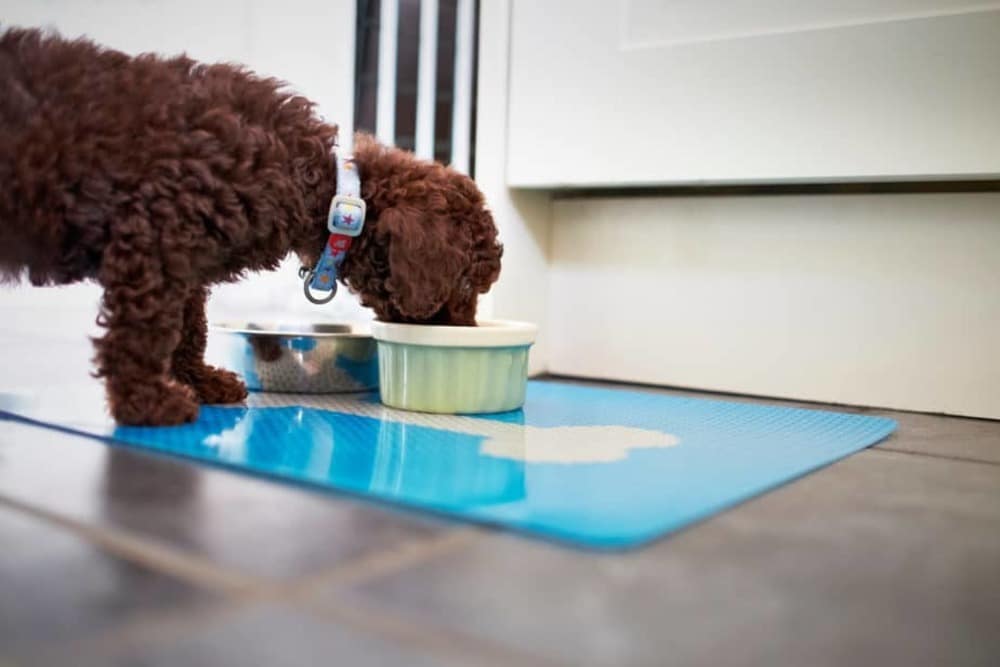
1. Regular Health Check-Ups
Taking your poodle for regular health check-ups is one way to make sure they are healthy and active. Because miniature poodles are prone to various inherited diseases, regular testing is necessary.
The first thing you can do when you bring a miniature poodle home is do a DNA test. This will help you examine any underlying genetic conditions that you can prepare for.
When you buy a poodle from a retail pet store, you will be provided with the proper documentation. This includes health certificates and a proper document that shows your dog’s parents’ line and health check-ups.
When you buy a poodle from a rescue group or a shelter, it is the organization that provides certain health check-ups for any ongoing treatment.
2. Weight Management
Miniature poodles weigh between 10 and 15 pounds. Make sure that your poodle does not exceed this weight. A proper diet and regular exercise is the best way to do that.
Miniature poodles are prone to knee disorders and bloating. So ask your vet for the best possible diet plan for your dog to keep him healthy and active. Poodles love swimming and playing fetch. These are great outdoor activities for your dog.
You can also take your dog out for a long walk or a jog as a part of his daily routine.
3. Grooming
Take your poodle to the vet for clipping his nails, dental check-ups, and hair trimming. You must also keep a poodle’s gums and ears clean.
Certain pet shops offer ear wipes that allow you to clean your dog’s ears at home. You can also buy a doggy toothbrush and toothpaste. Poodles are susceptible to getting their ears dirty, to ear cleaning once a week is essential.
When your dog spends a sufficient amount of time outdoors, grooming is essential. Let’s not forget that poodles are prone to skin diseases. So keeping the coat and skin clean, dry, and soft should be your priority.
4. Diet
What’s the best dog food for a miniature poodle? You have to feed a miniature poodle to maintain a balanced lifestyle. Poodles are prone to feeling lethargic or can become quickly overweight due to a careless feeding schedule.
Primarily, standard dog food contains more carbohydrates and protein. They also contain a high amount of grains which may or may not be of high quality.
Poodles have a sensitive digestive system. So too much soy or wheat may cause allergies for some poodles. So stay away from dog food that is mostly low-quality grains and less protein.
What you should be looking for are good sources of protein. This includes meat with natural sources of carbs like sweet potatoes. Feeding your miniature poodle this kind of diet is best because it promotes a natural, balanced meal.
Always keep a fresh bowl of water out for your dog. After eating dry dog food, your dog may get thirsty. Adequate water intake can prevent constipation, vomiting, and nausea. And it also helps maintain a healthy weight and great stamina.
Final Thoughts
Poodles are very sensitive dogs. And that is why they are loyal and committed to their owners. To take care of a miniature poodle, you have to be the alpha. And being the alpha, you have certain responsibilities to uphold.
Such as making sure that your miniature poodle stays active, healthy, and happy. Teaching your dog clever tricks, spend time outdoors, and proper grooming. All these factors weigh in when you think about how long do miniature poodles live.
Poodles need lots of socialization, care, and stimulation with humans and other dogs. But since they are prone to various hereditary diseases, it’s also necessary to take your dog for check-ups once every 4 to 6 weeks or so.
Health is the number one factor of influence. And as with any other dog, bad health does influence the lifespan of a poodle. And it also decreases the quality of life. But knowing what you know now, taking care of a miniature poodle should be easy and straightforward!
12 Wonderful Facts You Must Know About Goldendoodle
Feeling very charmed by Goldendoodles lately? You will be pleasantly surprised by the wonderful characteristics of your favorite puppy.
No other pets will love and cherish you like dogs. There is nothing like their wagging tails and cheerful barks greeting us when we come home to them. These four-legged angels come into our world to give us so much love that we can’t help but wonder if we even deserve it?
Adopting a dog is always exciting, and it is even better when your beloved new canine is a mixed-breed. You never know how your hybrid dog will turn out, but, double the trouble means twice the fun.
Goldendoodles are the outcome of breeding Golden Retrievers and Poodles. These intelligent sweethearts suit almost any dog lover, especially when they are trained. Here are twelve fun facts you must know about Goldendoodles!
Goldendoodle: The Fancy Hybrid
Ever heard of designer breeds? Designer breeds are a hybrid of two different breeds of purebred dogs. With Goldendoodles, you breed Golden Retrievers and Poodles in one, keeping your fingers crossed and hoping they get the best attributes of both the breeds.
Although people probably have raised these two breeds together, this breed didn’t get the limelight until the 90s. They are friendly, intelligent, and fun, which makes them perfect pets for anyone.
They are Hypoallergenic!
“Do Goldendoodles shed?” This is a question many people ask. One of the best traits of this designer breed is that they barely ever shed.
Hence, their fur is unlikely to cause an allergic reaction, making them a great pet for people with allergies.
However, there is no guarantee that Goldendoodle won’t cause any as it depends on how a person’s body reacts to allergens. Always check whether you are allergic to a dog before you decide to adopt one.
Their Fur Might Surprise You
You can never know what kind of fur a newborn pup will come out with. Their hair may be straight, wavy, or curly, depending on the dominant genes. Before grooming them, consider talking to your vet. Be careful with your pet’s hair care, depending on the hair type.
They Are Super Family-friendly
When you welcome a new puppy into your home, you hope that it will get along with your family. Goldendoodles love people, the more, the merrier!
Goldendoodles are often recommended for families. They are perfect for a family with children as they love to play. Your children will have a playmate who barely gets tired of playing!
This social hybrid will love playing with anyone, be it humans, dogs, or other pets. They crave social interaction and get sad if you don’t play with them, so make sure to give them plenty of time and attention!
Goldendoodles Are Fun
Goldendoodles love to play. Playtime is their favorite time of the day. Despite being energetic and super playful, they are not hyper or aggressive. Being a very intelligent and socially empathetic breed, Goldendoodles can read the mood well and will not cause trouble if you can’t give them time.
This is why it is so important to ensure that they do not feel neglected. If they are neglected, they either become very low or behave hyperactively. So, shower them with loads of affection and play with them as often as possible.
Their Sizes Can Vary
If you breed a Golden Retriever with a regular Poodle, the babies can grow over 2 feet tall. But, if you breed it with a toy poodle, the baby might be as small as 14 inches as a full-grown adult. Their height can vary, so don’t be surprised by the variation of their sizes.
Goldendoodles Get Trained & Grasp Tricks Incredibly Fast
It is not surprising that bred by parents who are some of the most intelligent purebred dogs, Goldendoodles will turn out to be very clever. They have a strong bond with their owners, which makes it easier for them to get trained. They are incredibly smart dogs, and they will get trained fast.
If you want your dogs to take part in dog shows and competitions, Goldendoodles are perfect for you. This energetic breed will learn and retain tricks, executing them flawlessly in front of people. They also happen to love attention, so you can be certain that they will love the limelight.
They Are Energized Athletes!
You might want to snuggle with your puppy and laze around, but that would be a waste of their natural talents!
We have already mentioned that Goldendoodles love playing. They are super energized and incredibly agile. They are fast runners and swimmers. You must make them move. Take them out for a run or even for a swim. Let them showcase their physical capabilities, and you would be awestruck.
They Are Great Hunters
Are you into hunting? Your Goldendoodle has the makings of a great hunting companion. Their intelligence, agility, love for the outdoors, resilient nature, strong limbs, etc; all these attributes make them excellent hunting dogs.
They love activities that require them to run around and move, hence chasing games is something they love doing. If your Goldendoodle learns fast, even with a little training can give you great performance.
They Love The Water
Have a difficult time bathing your dog? With a Goldendoodle, you don’t have to worry about that. The problem might be, getting them out of the tub. They love playing in the water and often make amazing swimmers.
If you have a swimming pool at home, you will have a hard time keeping them out of it. So, make sure they are well-trained and listen to you!
Goldendoodles Are Obedient
Most dogs that love playing and can become hyperactive, often tend to be disobedient(Huskies!). Unlike many other playful dogs, Goldendoodles are extremely loyal and are very obedient. They want their owner’s love, attention, and approval, so they tend to listen to them.
Great Candidates For Becoming Service Dogs
Goldendoodles are intelligent, obedient, and affectionate. Their natural capacity to empathize makes them perfect therapy, guide, and service dogs. They love working with people and their loyal nature helps them to become great service dogs. Their therapeutic presence can help combat depression!
Final Thoughts
Goldendoodles make wonderful pets. They will get along well with your family and their intelligence makes them very adaptable to situations. They are a perfect example of an all-rounder dog. Furthermore, they are loyal yet fun, very active, and obedient. You will never get tired of your Goldendoodle!