
- Home
- Dog Breeds
The Good and Not-So-Good Traits of Chihuahua Terrier Mix Breeds
The Chihuahua Terrier Mix breed is a mixture of a Chihuahua and a Terrier. Although it’s the cross-breeding of a Chihuahua with each Terrier breed. Including Rat, Jack Russell, Fox, and Yorkshire Terrier.
So each Chihuahua Terrier Mix breed is the characteristics of different Terriers. This depends upon their physical traits, temperament, and other qualities. The book of crossbreeds when it comes to the Chihuahua Terrier Mix breed is varied.
Today, I will be walking you through the different Chihuahua Terrier Mix breeds. What’s so fascinating about them? And what are the pros and cons of owning and bringing home a Chihuahua Terrier Mix breed?
If you’re at all interested in knowing more about this dog breed. You’ll want to read every bit of what I’m about to tell you.
Chihuahua Terrier Mix Breed

Breeders pair a Chihuahua with different Terrier breeds. I’ve already mentioned the names of each Terrier breed above. But there is something more that you should know.
Even though Chihuahua Terrier Mix breeds are a mixture of AKC-recognized Terriers. They are not officially recognized by the American Kennel Club as a dog breed. The primary reason for that is because Chihuahua Terrier Mix Breeds are crossbreeds.
There are other certifications like the International Designer Canine Registry that recognize Chihuahua Terrier Mix breeds. But that you won’t find for all the crossbreeds.
To understand the good and not-so-good traits of this mixed breed. Let’s look at where each dog breed comes from.
Chihuahua

Chihuahuas are named after a Mexican state called Chihuahua. They are feisty and tiny creatures. With a graceful, light, and quick gait. Physically, a Chihuahua is the smallest dog breed in the world – recognized by the AKC. Temperamentally, they are friendly and energetic.
Training a Chihuahua, if you have one, should be your number-one priority. They can be quite dominating and demanding if they are ill-trained. If you treat them with respect and compassion, they can make excellent companions.
Terrier

Terrier is a group of dogs belonging to the Terrier breed. They are primarily hunter dog breeds of rats, foxes, moles, and other such creatures. The name ‘terrier’ actually means ‘earth’ so this dog breed is grounded and primitive.
Physically, you will find many Terrier sizes. But what really sets them apart is their temperament. They are intelligent, quick, attentive, and energetic creatures. If you train and raise them well, they stay loyal and caring for you and your family.
The most common Terrier breeds in the world are Jack Russell Terrier, Yorkshire Terrier, Australian Terrier, and American Staffordshire Terrier.
Chihuahua Terrier Mix Breeds
The commonly selected Terrier breeds for a Chihuahua Terrier Mix breed are as follows:
- Chihuahua – Rat Terrier Mix
- Chihuahua – Jack Russell Terrier Mix
- Chihuahua – Fox Terrier Mix
- Chihuahua – Bull Terrier Mix
- Chihuahua – Yorkshire Terrier Mix
Here are the common characteristics of the Chihuahua Terrier Mix…
Physical Characteristics
A Chihuahua Terrier Mix can be one of the healthiest crossbreeds. And they can live up to 15 to 17 years. Even though Chihuahuas are small breeds since they are cross-bred with Terriers. This makes them more energetic and athletic.
If you’re buying this crossbreed, make sure you pick a healthy one. They are known for their agility but a breeder can easily fool you into buying a sick or delicate pup.
By appearance, the height of a Chihuahua Terrier Mix is 10 to 28 inches. And by weight, they are somewhere between 6 to 25 lbs.
Their coat depends on the type of crossbreed you select. Short or medium-long. Smooth-coated or wire-coated. White, black, brown, or tan. Or you can also select a tri-colored or a bi-colored Chihuahua Terrier mix.
The appearance of a Chihuahua Terrier Mix breed is a good indication of health. When you buy a dog from a reputable breeder, such breeds look expensive. Healthy, well-fed, well-groomed. These are the top physical characteristics of a Chihuahua Terrier Mix breed.
Behavioral Characteristics
This dog breed is known for its energy, agility, and friendliness. They are intelligent dogs that won’t show aggression or bite or make too much noise. They have a composed temperament unless provoked or rattled.
Simply put, if you love them, they will love you.
Having said that, Chihuahua Terrier Mix breeds do require consistent and proper training. From a younger age, no less. If you have children at home, this should be even more important. Because history suggests that not all Chihuahuas or Terriers are friendly with children.
In fact, in some cases, they are best kept away from homes with children. As they are only disciplined and friendly with adults.
Beyond that, it’s easy to keep this dog breed occupied. They are intelligent and curious creatures. So playing clever tricks with them is one way of keeping them happy. Another being taking them for long walks, regular exercise, and smart training.
Chihuahua Rat Terrier

Friendly and easy to please dogs, the Chihuahua Rat Terrier has a strong prey drive. He or she can hunt and kill rats and are great at catching small things.
Chihuahua Jack Russell Terrier

Stubborn, mild-tempered, and not-so-intelligent, Chihuahua Jack Russell Terriers are loyal. They are more family-oriented with or without children. With proper training, some of them can also become very cuddly and devoted to any one or a few family members.
Chihuahua Fox Terrier

Loyal, friendly, and devoted, the Chihuahua Fox Terrier can be your best friend. And only yours if you are the sole caretaker of him or her. He or she will remain loyal and loving to you while enjoying the company of others. But their commitment is only to you.
Chihuahua Yorkshire Terrier

These dogs pack a punch. They are energetic, quick, and demanding. It’s best to buy a Chihuahua Yorkshire Terrier in a house with no kids around. They can be quite competitive and dominating. But they are devoted creatures with a strong work ethic.
Chihuahua Bull Terrier

Lastly, the Chihuahua Bull Terriers are companionable and energetic. They are dominating, but at the same time, they are devoted and hearty creatures.
Because in the past Bull Terriers were bred and trained for competitive fighting. They have a bad reputation in the dog industry. Having said that, with proper training and attention, they can be loyal and humble dogs.
Training a Chihuahua Terrier Mix Breed
The good traits of a Chihuahua Terrier Mix breed are enough reasons to buy one right now. You can train this dog breed easily with the help of these mindful tips.
This dog will listen to your commands and follow them correctly with positive reinforcements. No yelling or physical abuse of any kind is permissible. Do not punish or torture your dog if he or she refuses to listen to your command.
It’s important to maintain your dog’s mental and physical health. Shouting of any kind for not obeying orders can lead to aggression and other severe problems.
This one study proves the negative effects of yelling at dogs. It can traumatize your puppy beyond help. One result shows that excessive yelling can cause high-stress levels and depression in dogs.
The best way to train your dog is with treats, rewards, and a pat on the head. Positive reinforcements go a long way – so be patient and kind.
Chihuahuas are stubborn dogs. Everybody knows that. But Terriers, on the other hand, are attentive and have a solid work ethic. Thankfully, you have a dog that’s a combination of both traits.
So it’s easier to override the stubbornness of a Chihuahua Terrier Mix breed than you think.
One thing that doesn’t work with smaller dog breeds like a Chihuahua is extra-coddling. You’re not supposed to treat them like they are tiny and cute dogs. They develop a condition known as ‘small dog syndrome’. It’s when a Chihuahua gets away with all bad behavior by yapping or showing aggression.
They compensate for their tiny size by showing aggression. This syndrome gets them to act the way big dogs do to seem threatening to their owners.
To avoid this kind of behavior, it’s really important to train your dog from a younger age. Simple commands like sit, quiet, no, get down, etc. are necessary.
If you have children at home, training them to properly behave around strangers and other kids is also important.
With proper training and care, you can sidestep the not-so-good traits of a Chihuahua Terrier Mix breed.
Teaching A Chihuahua Terrier Mix to Socialize

This is the not-so-good trait of Chihuahua Terrier Mix breeds. They are often very cagey and edgy around strangers and other people. This may include one or two of your own family members. Especially if you’re living in a large family.
Although proper training can help avoid this becoming a nuisance. You need to control and regulate the way your dog behaves around others. This means training your dog to behave well at home, for a walk, and in a dog park.
One of the most annoying things that Chihuahuas do is yap, yap, yap. Yapping and barking at somebody or something is a way to get your attention. This will continue to do so, for hours even, until they get what they want.
Chihuahuas have a barking issue that needs proper rehabilitation. This may be because of fear, dominance, aggression, or territorial issues. If you have more than one dog at home, that is how they mark their territories.
The best way to sort this out is by teaching your dog to socialize. Socialization in dogs is a long process but a very rewarding one. You can start it as soon as you bring your pup home.
Start by introducing your dog to new objects that your dog is not familiar with. Such as toys, big pillows, objects that make a noise like a washing machine, etc.
If your dog is nervous around lots of people, introduce your family members one at a time. Make sure you do not yell to or force your dog to interact with anyone. Give him or her space and time to grow accustomed to new situations.
If your dog barks when you’re not around, invest in a dog bed or crate. Chihuahua Terriers love to burrow so creating a cave-like den for them is the best idea. That can be their safe space while you’re away. Introduce stimulating toys and treats for them to stay occupied with.
Here Are Some Quick Tips to Stop Your Dog from Barking…
- Remove the trigger that’s causing the bark. If your dog is barking or yapping at birds or people walking outside, close the curtains. Or you can even take your dog into another room.
- Do not yell at or hit your dog to stop the barking. This will agitate them even further. Rather distract your dog with a positive training tactic. Do this consistently and you’ll notice a difference in the way your dog reacts to triggers.
- If you can, ignore the barking, and as soon as the barking stops, reward your dog with a treat. Do this each time your dog barks at something or somebody. Keeping your dog in the cage or crate as soon as he barks and ignoring him until he quiets down is also a good tactic.
Conclusion
Chihuahua Terriers are trust-worthy and energetic dogs. You can expect to pay around 400 to 1000 dollars for a well-bred and high-quality Chihuahua Terrier Mix Breed. They are intelligent, friendly, and attractive dogs.
Their only ‘not-so-good’ trait is that they may bark a lot. But there’s always a reason for that. Proper training, grooming, and physical exercise is essential. They are friendly with adults and children if you train them well. And even though they are small dogs, they need an active lifestyle.
I’m sure that after reading all this, you must be convinced that a Chihuahua Terrier is the dog breed for you. Healthy and high-quality Chihuahua Terriers live up to 17 years. And as they are not aggressive when properly trained, they are devoted and loyal to have around!
If you’re looking for a small-sized but moderately-intelligent dog breed. Go for any one of the Chihuahua Terrier Mix breeds that we’ve spoken about today. They have tons of personality and stamina, which will be perfect for you!
The True Purpose of Ear Cropping In Pitbulls and Its Pros and Cons
Ear cropping in Pitbulls is a common practice among pet owners who want to showcase their dogs in competitions or dog shows. It is not a mandatory practice and even if it’s done – it is a cosmetic surgery performed by a professional vet.
Another similar surgical procedure is tail-docking in Pitbulls. Both these procedures are done in Pitbulls when they puppies. These surgeries should not be performed on adult Pitbulls. The proper age for carrying out ear cropping and tail-docking is between 9 to 12 weeks of age.
So what exactly is ear cropping? And what do you need to know about it to avoid doing it if you’re considering it? Though it’s totally unnecessary to perform this surgery, it’s best to know all the pros and cons before you make any decision.
History of Ear Cropping In Pitbulls

As the name suggests, ear cropping is when a doctor surgically removes the external flap of the dog’s ear. It’s commonly done in Pitbulls, Dobermans, Great Danes, Boxers, and Cane Corsos.
Unless your dog has a nasty ear infection or any birth defect, this is done for dog shows and competitions. As there is no medical advantage of ear cropping. Also, it is considered an unethical and cruel practice among many established veterinarians. This surgery is, in fact, banned in many countries around the world.
The history of this practice goes back to 2000. Amputating a dog’s ears in order to make them look more “fierce” in dog fights, shows, and competitions.
A flapping ear is an easy target in dog fights. So the ears are cropped to avoid the opposing dog to grab or tear the other dog’s ears.
Medically speaking, ear cropping was a surgical treatment for ear diseases such as ear infections and/or hematomas.
Right now though, both dog-fighting and ear cropping are banned and illegal in many countries.
Why Pitbulls?

Pitbulls are a fierce and dominating dog breed. Their ancestral line is full of aggressive and hunting dogs. Dogs that are loyal to their owners but can be thoroughly trained to fight, defend, or attack other dogs or humans.
Their intelligence, agility, and strength put them at the top of the list. And, not to forget, their muscular and broad build. They are a small to medium-sized dog breed. With a trimmed and short coat and an affectionate and sharp temperament.
Most Pitbulls have dangling ears. Traditionally speaking, long, dangling ears are more prone to ear infections than short, trimmed ears. Ear cropping in Pitbulls is also done to improve the dog’s hearing abilities. Erect and trimmed ears respond faster to sound waves. Although there is no conclusive proof of this fact.
These soft, folded flaps grow in size as the puppy grows. In some Pitbulls, their ears may look larger in proportion to their heads. But there is no disadvantage to this physical trait. If anything, it makes Pitbulls look more friendly and approachable.
For hunting dogs, this is done to keep the ears clean. Reshaping the appearance of the ears can also improve your dog’s hearing abilities. This is why many hunter dogs have their ears trimmed and cropped.
Traditionally, ear cropping was also done to prevent ear damage from dog-fighting or hunting. Hunting dogs often tear the elongated part of the pinna during running or in a fight. So once your puppy has received his or her vaccination, at 9 to 12 weeks, their ears are cropped.
However, there is no scientific evidence that supports this claim. Much like tail-docking or declawing, this practice is not necessary to perform on any Pitbull. Whether he be a participant in a dog show or a hunting companion.
Ear Cropping In Pitbulls

The procedure of ear cropping in Pitbulls is an effective and simple one. The flap of the ears is removed so that the cartilage that keeps the ears erect is exposed. The elongated part of the pinna is removed. So that all that remains of the ears is the erect and pointed portion.
Having said that, Pitbull’s ears grow longer as they grow older.
That is why this surgery isn’t performed on adult dogs. Only puppies between the age of 9 to 12 weeks are admitted to this procedure. This stops the overgrowth of the flap. And it prevents any risk of ear infection from the surgery in an adult Pitbull.
This procedure should not be performed at home or by anyone who is not a licensed veterinarian. It’s a cosmetic surgical procedure. The dog should be given anesthesia before the surgery is to be performed in a dog hospital or clinic.
Typically, ear cropping takes 30 to 40 minutes. Once the elongated flaps of the ears are cropped. The edges of the erect portion of the ears are sutured. After surgery, the bandages keep the sutures infection-free.
The bandages should be taken off only after the sutures have been completely healed. Make sure the doctor prescribes the proper medication, painkillers, and ointments to keep the wound clean and healing.
Medication will quicken the recovery time after surgery. And prevent nasty infections and reduce soreness.
Pros and Cons of Ear Cropping In Pitbulls
Dog ear cropping is illegal in many countries. Some of them include Australia, the UK, New Zealand, some parts of Canada, and most major parts of the US. Having said that, you can still perform this surgery in some parts of the US and other European countries.
Are there any advantages of ear cropping in Pitbulls?
No, there is no scientific evidence backing the benefits of ear cropping in Pitbulls.
But there are claims that it prevents ear infections and boosts hearing in dogs. And that it makes Pitbulls look more aggressive and fierce in dog fights and dog shows.
There is a standard in specific breeds to look a certain way before enrolling in events like these. Cropped ears offer a neat, disciplined, and combative appearance to Pitbulls.
With that out of the way, there are plenty of risks from performing ear cropping in Pitbulls.
For starters, your puppy may suffer complications from surgery using anesthesia. They are prone to ear infections, soreness, and pain after surgery. If something goes wrong during the surgery, this could lead to trauma, loss of hearing, and other issues.
Getting your puppy operated for such a sensitive and risky surgery is not a responsible thing to do. It’s kind of like performing cosmetic surgery on a child. It can be traumatizing for your dog.
Pitbulls, or any other dog breed, also communicate using their ears. Losing a part of the ear can inhibit proper communication between the dog and its owner.
In this article, the American Kennel Club believes that ear cropping is an unnecessary risk. It poses many risks in certain breeds. And that cropping or docking of any kind can interfere with the way your dog communicates with other dogs.
Conclusively, there is no scientific or fitting reason to do this.
Common Ear Health Problems in Pitbulls

It’s important to know about your Pitbull’s common ear problems. What kind of ear infections are they prone to? And how to treat them with proper medication and/or surgery?
The first, most common, ear infection that Pitbulls are susceptible to is ear mites.
Ear mites can be highly infectious. Causing pain, skin irritation, allergies, and inflammation inside the ear canal. Excessive scratching or rubbing against rough surfaces can also lead to bleeding and/or rashes on the skin.
If you have more than one dog at home, ear mites can spread faster. And this can also dampen the recovery time because then ear mites will be twice as hard to get rid of.
An effective way to get rid of ear mites is with proper ear drops and medication. Usually, a single dose every once in 2 weeks should be enough to get rid of ear mites. And/or any ear infection associated with this condition.
Keeping the Ears Clean
You can purchase ear cleaning solutions for dogs from a pet store. Consult with a vet to know the right solution for your dog’s ears. Depending upon his or her ear infection or general grooming needs.
The correct way to clean a Pitbull’s ears is to massage the solution in. If you notice any dirt or wax, use a soft cotton ball to gently remove it. If this is too much for you, or if you do not know how to go about it. It’s always best to take your dog to a vet to have it done professionally.
There is always a possibility of you hurting your dog when cleaning his ears at home. Using a cotton swab or any other pointy object can damage your dog’s ears.
If you notice any swelling, inflammation, redness, or rashes after cleaning, go to the vet immediately.
A foul odor, dark wax buildup, and redness are signs that your dog’s ears need deep cleaning. To avoid any complications, make sure you clean your dog’s ears every 2 weeks. Sooner if your dog spends most of his time outdoors playing in mud or around other dogs.
Alternate Methods of Ear Cropping In Pitbulls
Taping Pitbulls ears should be done a certain way. And it should only be done by a licensed veterinarian. Many pet owners believe that Pitbulls’ ears can be taped to prevent the flap from hanging down over the front of the dog’s face.
Taping the ears is a non-invasive surgery. Making the ears level with the top of the head. So that the ears are closer to the sides and make the dog’s face look broader.
Taping the ears so that the cartilage is pointed a certain way is also effective. The ears look erect and pointed rather than loose and long. This also makes it impossible for your dog to lick or bite the ears during teething.
Puppies often fidget during their teething phase. So taping the ears away from your pup’s reach is an effective way to prevent injuries.
Having said that, do not expose the ear canal while taping the ears. Make sure that most of the entry-way to the ear canal is blocked off. This keeps dirt, moisture, and other debris from getting in your dog’s ears.
If your dog is used to playing in mud or jumping in a swimming pool. Make sure you check his or her ears every day for any foul odor, dampness, or dark-colored wax.
It will take a few days for your dog to get used to this feeling. But it’s better than ear cropping and it’s not at all painful.
Conclusion
When you’re buying a new puppy Pitbull, make sure his or her ears are not already cropped. If your dog has any birth defects or underlying physical disabilities, ask for the proper medical documents for it. So that after buying the puppy, you can take him or her to a licensed vet for a thorough check-up.
For new pet owners considering ear cropping, this is not advisable. You will be putting your dog through unnecessary pain and suffering. Allow your dog’s ears to grow naturally and make sure to keep them clean to avoid ear infections and ear mites.
To sum it up, it’s unnecessary and cruel to crop your Pitbull’s ears. There is strong evidence against this practice. So it’s best not to perform it on your dog. Ear cropping in Pitbulls can also cause pain, discomfort, and infection. And it is also associated with increased trauma and other behavioral disabilities in dogs. Especially since this surgery is done on puppies, not adults.
It’s time that doctors and people realize the grave disadvantages of this surgery. That is why it’s banned in many countries. With members of the AKC willing to take serious measurements against organizations and/or breeders who continue to practice ear cropping.
Pitbulls, Dobermans, Great Danes, Boxers, and Cane Corsos. These are the dog breeds that usually undergo ear cropping surgery. Whether for hunting, dog fighting, dog shows, or for any underlying behavioral problems. It’s best to avoid ear cropping and treat your dog responsibly.
What You Must Know Before Getting A Pit Bull Terrier Mix As A Pet
Firstly, did you know that Pitbull Terriers are also called Pitties? And they’re best described as clowns and goofballs. It’s a medium-size breed whose ancestors were fighting dogs. So it’s only understandable how they have such a formidable reputation. And also why they’re known to be aggressive. But that’s not really how they should be described.
What You Must Know Before Getting A Pitbull Terrier Mix As A Pet – This complete guide discusses everything possible about the breed’s personality, behavior, temperament, etc. What’s done is myths are debunked and only the truth is told. So you can make a better decision for both yourself and your to-be pet.
One thing is for certain though. That owners who not only understand but also appreciate the personality of their dogs end up with loving, loyal companions as pets. No matter the breed!
Pitbull Terrier Mix – An Overview
It’s an iconic American dog breed – Pitbull Terrier. After all, their ancestors were family and farm dogs and even military mascots in America. But it didn’t take time for the world to exploit the breed’s natural fighting instincts, bold nature, tenacity, and loyalty. That’s when the reputation of Pitties started to go downhill. And it’s much the same even now, quite unfortunately.
Pitbull Terriers, no doubt, have a very intimidating appearance and reputation. And this formidable character often gets in the way of the breed also being perceived as loving and accepting dogs. When born and bred in a responsible and affectionate manner, Pitbull Terriers can be extremely docile and friendly four-legged companions.
And by responsible and affectionate, I mean receiving generous amounts of training, love, attention, and socialization. When that happens, you simply don’t have to worry about the bad reputation. But that doesn’t mean you shouldn’t be extra careful, as in the case with most such aggressive breeds.
The best part about Pitbull Terriers is that they’re people-oriented, very highly that too. They may not like fellow furry creatures, big or small. But they’re certainly very fond of humans. However, there are exceptions where Pitties have grown very fond of other dogs and even cats as a matter of fact. Nevertheless, it isn’t typical Pitbull behavior though.
Moving on to the physical traits overview, Pitbull Terriers, more often than not, weigh 60 pounds or less. Needless to say, the breed is pretty muscular. After all, they are powerful dogs that seem to be very challenging to walk with when not trained well.
As for those that are well-trained and healthy, you can channel all that physical energy into sporting activities for canines.
What about their grooming needs? These, no doubt, are modest. The coat requires brushing not more than 2-3 times per week. As is the case with the majority of dog breeds in order to prevent excessive shedding. Then the nails demand trimming and the ears cleaning.
In the end, I would only like to mention that there’s a lot of misinformation revolving around the nature of Pitbull Terriers. In fact, there are even campaigns for outlawing this particular breed. So before you get one, make sure to check with your local authorities. Find out if it’s even legal for you to own the dog in the first place.
Denver in America goes as far as to ban the breed too. Then there are other cities that lawfully demand you to build a specific fence around your house if you wish to own a Pitbull. What also helps, at such times, is educating your neighbors and friends. And by that, I mean helping them do away with myths and misconceptions. Along with explaining the merits of the breed.
You may also like: Patterdale Terrier.
Pitbull Terrier Mix – Personality and Temperament

What to know before getting a Pitbull? What to expect when raising a Pitbull?
These are questions that are commonly asked on the web. But what’s not so common is coming across the correct answers. Agreed that owning a Pitbull is not an easy thing. However, that doesn’t mean the dog breed is aggressive and challenging to work with. It only means that these canines require extra love, care, and attention.
From early on, Pitbull Terriers have been farm and family dogs. Even when the original breed was into dog-fighting. They have always been active, playful, high-spirited, and confident creatures. It’s from where the dogs get their enthusiastic and even comical description.
Back in the days, the breed was also extremely stable and resilient when it came to be friendly toward people. That’s the primary reason why Pitbulls are so loving and trustworthy as family dogs. Despite their background! But to nurture this side of the animal, proper training and early socialization are essential.
It’s only natural for a dog’s destructive and abnormal behavior to take form when factors like training and socialization are ignored. Irrespective of what the breed is! That’s when Pitbull Terriers start to excessively pull, chew, dig, etc. So, at such times, it’s common sense to take extra precautions to protect valuables and belongings. Simply by placing these out of reach.
What pet owners also do is provide the dog with a special digging place. And also include vet-approved, tough, and entertaining chew toys for the playful creature.
Pitbull Terriers are incredibly athletic dogs, as you may already know. This means they’re excellent running, jogging, and even cycling companions. Many Pittles even enjoy retrieving and swimming. All thanks to the canine’s naturally intelligent and pleasing personality, even dog sports is a welcoming field. Pulling carts, freestyle, rally and track training, etc.
Are they good communicators too? Pitbull Terriers are the most vocal about how their day is going. As for signs to indicate any illness, these are common among most dogs…
Misconceptions
Often touted as aggressive guard dogs, Pitties have attracted, not rightfully though, a lot of misconceptions. Yes, they look a bit intimidating and even scary to some. But you should know that the breed has now become too outgoing to be labeled as guard dogs.
You can’t expect animals to be aware of their size, can you? So it’s only natural for a Pitbull Terrier to squeeze into your lap or known down a family member or two when playing or in want of love and attention. As a pet owner, you should know this and not be afraid of it.
Whatever the case though, what remains unchanged is the fact that the dog breed is naturally smart, determined, and strong. When it comes to backing down, you cannot expect a Pitbull Terrier to do so. It’s just not built into his/her DNA, that’s for sure.
Double personality – this is a common occurrence among Pitties. At one point, he/she can have killer instincts to protect loved ones. And at another, expect them to be generously loving toward you. And you can only benefit from the two if you train and socialize your pet properly.
As for how they are with other canines, the answer is typical Terriers. And that means fighters instead of friends. Particularly when the gender is the same. This explains why it’s highly advisable to avoid keeping two dogs of the same sex in a single household. No matter the breed!
But these characteristics are not set in stone. Meaning every dog differs and has his/her own physical and psychological traits. Some of them perceive others as potential prey while some are super-friendly. It differs based on their lineage and also on your training and love toward them.
What to Know Before Adopting A Pitbull Terrier

Whether you choose to adopt from a rescue shelter or professional breeder. Showering your pet with lots of love, care, and attention is a must. At the same time, avoid going overboard. Otherwise, the breed’s dominating nature might cost you. In the sense, Pitties can easily manipulate you and become disobedient and sometimes even destructive.
That’s the thing about dogs, they develop excessive digging, barking, and other such undesirable traits when not trained, supervised, or mentally/physically stimulated. And this applies not just to Pitbull Terriers but all dog breeds.
With a Pitbull Terrier puppy, begin training from the very beginning. Pittie pups tend to absorb all sorts of training you impart from early on. So no need to wait until he/she turns 6 months old. Get ahead of the game and teach your dog to be more headstrong, social, and obedient.
Many Pitbull Terrier puppies begin socializing and training by the time they reach 10-12 weeks. But, don’t forget, that vaccinations, before you do anything, are necessary. Until you get these, make sure your dog doesn’t come in contact with other canines and even in public places. Puppy vaccines are not optional, so get them done prior to starting any formal or informal training.
When adopting, feel free to speak to the breeder. When the breeder is professional, trustworthy, and renowned (unlike backyard breeders), they tell you all you need to know about the personality and lifestyle of the dog.
Always remember that dogs, no matter the breed, are a big responsibility. So if you can’t take the time to make them feel loved and cared for, you’re only to regret it. More importantly, you might even give up your pet because you think he/she is not manageable. It’s best to adopt one only if you’re a genuinely dedicated and committed animal lover, especially in the case of Pitties.
Pitbull Terrier Mix – Other Characteristics and Traits
What You’re Getting Into
It’s not uncommon to buy a dog from a breeder who is in business just to make huge profits out of potential pet owners. You should stay away from such backyard breeders. Because not only are their breeding practices cruel, inhumane, and money-driven. But they also have no idea about breeding good-tempered canines.
Most of them at least are more concerned with making their dogs look macho, muscular, and the like. That they don’t give any importance to factors like temperament, personality, etc.
You can also adopt the adult-version of Pitbull Terriers from a pet parent who has more than just an inkling about the nature and temperament of the dog. There is surely no shortage of these.
Potential Aggression
I have already talked about this particular topic at great length. Pitbull Terriers are good dogs, but they’re not very forthcoming toward other canines. Not that you should expect your Pittie to start a brawl with other four-legged creatures. But he/she doesn’t take time to get instigated if not trained and socialized properly.
There are also some Pitbull Terriers who love to chase cats and other small creatures. And when they do, the chances of your dog harming them are quite likely. This explains why the majority of owners of Pitbull Terriers build a 6-feet high fence around the house.
Enough Mental and Physical Stimulation
No, they don’t need to run miles a day just to get some exercise done. Even a moderate amount of exercise is more than enough to keep your Pittie healthy, happy, and well-behaved. But this physical stimulation should be a part of his/her daily life.
You need to understand that Pitbull Terriers are powerful and energetic. So they need to vent this aspect of their natural self in order to keep from becoming destructive. Bored Pitties, or any other breed for that matter, end up chewing, ripping, or digging excessively.
Strong Temperament
Keep in mind that the Pitbull Terrier breed is no pushover. They’re capable of learning, training, and even socializing. So if you want your willful canine to obey you, then you need to do proper training from the very beginning.
Legal Liabilities
The ban of Pitbull Terriers across many cities and areas around the world is quite common. In fact, home insurance policies also revoke or refuse if you happen to own a Pittie. At the same time, many neighbors become terrified and uncomfortable when around this particular breed.
So legal liabilities should also be taken into account before you adopt a Pitbull terrier. On top of that, the intimidating appearance of the dog doesn’t make matters any more helpful. So iron out such concerns beforehand. Otherwise, you might even get sued for keeping a Pitbull Terrier. No matter how loving and adorable he/she is!
Pitbull Terrier Mix As A Pet – Final Say
Pitbull Terriers are medium-sized canines that are powerful and muscular. Their looks are intimidating, which is great if you want to keep people away. However, this is just how they look. Pitties are not exactly aggressive creatures when trained and looked after properly.
As for the coat of the dog, it’s sleek and easy to groom. So if these are the kind of traits you want your pet to have, then Pitbull Terriers are perfect for you.
But don’t get this breed if you don’t have the time to provide extra training and socialization. Legal liabilities also matter at this point. So make sure you get them checked and sorted out beforehand.
The breed, no doubt, is strong-willed. But you can train the dog, and also shower them with lots of love, care, and attention. As is the case with Pitbull Terriers or with any other dog!
Top 5 Teacup Puppy Breed for Pet Lover
Brining a teacup puppy home is always fun, but it also comes with a lot of responsibilities. Choosing the right breed to take care of your puppy is a time-consuming process.
Teacup puppies have become the favorite pets. They are smaller in size but more active than the other dogs. Most teacup puppies weigh about only two to five pounds. Their small size and body weight can bring several health problems, including immune systems and skeletal issues. Also, unscrupulous breeders frequently breed runts to produce unhealthy, tiny dogs. So if you are interested in bringing a teacup puppy and not sure where to find the right breed, give a check to Foufou puppies. Also, here we have made a list of five breeds of puppies you can choose from.
1. Poodle
Teacup poodles are low maintenance dogs with training requirements and low exercise with a small amount of food. The best things about poodles are they are loyal, loving, and very intelligent. Poodles can make a perfect bond with your family. They are more social, active, and amazing pets for your family. They usually weigh about four pounds; however, the standard-sized counterparts weigh about forty-four to seventy pounds. The best trait of poodle teacups is they are low-shedders. Since they have curled hair coats, they don’t shed much hair, which is good news for your vacuum cleaner and allergies.
2. Pomeranians
Today’s Pomeranian has a reputation as a lapdog, but they were originally bred to pull sleds and herd animals. They weigh around thirty pounds. Their physical traits have a fluffy double coat, and their colors include orange, black, chocolate, and more.
Due to their small weight, small size, flexibility, and better adaptability, this breed is more suitable for dog owners who stay in story building or small apartments.

3. Beagle
Bringing a more active and energetic dog to home Beagle teacup dog is the best option. They are friendlier as compared to other breeds. This breed’s dog only weighs around fifty pounds, which is a little big for teacup dogs. But if you want an obedient dog, then they can be stubborn. But they respond in a good way when you make their training fun with games and treats. Also, they possess great tracking instincts. Unlike Pomeranians and Poodles, this breed’s dogs are less maintenance dogs.

4. Pomsky
Pomsky dog is the result of breeding a Pomeranian with a Siberian husky. Pomsky teacup puppies tend to vary in size depending on the size of their breeders. Regardless of their size and weight, they are more energetic and love to play.
5. Maltese
Having a Maltese teacup pup is like having a dog that will never grow up. Despite the small size and lightweight, they are brave and confident. Maltese teacup puppies want to be loved and cuddled all the time. They always want your attention to feel secure and safe; however, they get confused when left alone. They always want to get in your bed. They always want their owner to play with them. One thing you may know about Maltese is they have a very loud voice until you train them. They only yelp when they feel threatened or anxious.
Complete Guide of Mini Australian Shepherd – Facts You Need to Know
Is this breed active and intelligent? Are they also loyal and hard-working dogs? Well, the Mini Australian Shepherd is quite popular for these very reasons. The lively energy of this particular breed is why you’re seeing them everywhere.
Originally bred for the purpose of farming, Mini Shepherds were high-spirited companions for many families in America. And they still are, but not for farming anymore.
It’s a herding breed that’s very fond of human attention, interaction, and appreciation. The dogs are full of joy while also being easy to maintain and care for.
If you’ve read this far, then you’re obviously considering adopting a Miniature Australian Shepherd. I say you adopting because it’s the more responsible and even humane thing to do in this day and age. And here’s why adopting pets is a better idea.
Mini Australian Shepherd – What Is It?
It’s a little known fact that Mini Aussie Shepherds are also called Miniature American Shepherds. Whatever you wish to call them, the breed is incredibly athletic, loyal, and smart. And it’s only for the past few years that these herding canines have become very popular as pets.
In comparison to a full-sized Australian Shepherd, the mini version is way smaller. The former has a height of 18 inches and weight between 40 and 60 pounds. Sometimes even higher! As for the miniature kind, these dogs are between 14 and 18 inches in height. And their weight is not more than 40 pounds maximum.
What’s more is that the color of the mini breed’s eyes varies a great deal. Their eyes can also be marbled and mismatched in the shades of brown, hazel, and bright blue. As for the color of the mottled coats, this includes white, black, blue-gray, or red.
Mini Australian Shepherd Origin
The breeding of Mini Aussie Shepherds started in North America around 1968. The program included small Australian Shepherds. Mini Australian Shepherd breeders, back in the days, bred the Aussie Shepherds down in size. And this gave rise to the smaller version, which continues to exist in the 21st century.
And even after so many decades, the Miniature Shepherds look like their larger, original Australian ancestors. Without sacrificing their true character, instinct, and ability.
It’s the Miniature Australian Club of the United States of America that is the major organization or community, whatever you call it, that petitioned the AKC to include this particular breed in their list. And the petition was accepted on the condition that the miniature dog changes its name with no reference to its native Australian Shepherd history.
So this means that the official name of the breed by the AKC is Miniature American Shepherd.
Mini Australian Shepherd Short Description

The coat is of medium-length and the color red or blue merle/black or red tricolor. However, in every scenario, the dog has white markings. Sometimes tinged with tan as well.
On closer inspection, the hair present around the canine’s ears is never white. Their coat is either slightly wavy or straight. Along with feathering behind their legs as well as a mane plus frill circling around his/her neck.
What about the fur on the dog’s head? It’s shorter over here and over at the front of the forelegs and the outside of the ears. Then comes the length of the forelegs and hindlegs. Both lengths are the same. With a clean-cut, flat skull shape and compact, oval feet. With lips that don’t hang loose over their lower jaw.
Also Known As…
- Miniature Aussie Shepherd
- Miniature American Shepherd
- Mini Australian Shepherd
- Mini Aussie
- Teacup Aussie Shepherd
- Teacup Australian Shepherd
- North American Miniature Australian Shepherd
- North American Shepherd
- Mini Aussie Shepherd
Mini Australian Shepherd Temperament

Probably what you might want to know first and foremost is if the breed’s easygoing? The answer, fortunately, is a big, fat YES. Mini Aussie Shepherd puppies are perpetually fun-loving little creatures. They’re also affectionate, loyal, and courageous. And with active kids, they make excellent companions.
You can view them as devoted guardians and furry friends. And look forward to their very attentive, agile, and lively nature. Also, the breed is extremely eager to sweep you off your feet, metaphorically of course. They love to please. And have a 6th sense when it comes to finding out what you, as his/her owner, really want.
Since these North American Shepherds are so intelligent, training them is an incredibly easy task. But please note that the breed becomes destructive, anxious, and nervous when left alone too many times or too much.
Much like any other breed, Mini Aussie Shepherds demand a sufficient amount of physical and mental stimulation. Otherwise, they tend to get wreckful. It’s commonly known as separation anxiety.
The breed likes to be occupied and busy. All thanks to their active, very intelligent DNA. This implies that they get bored very easily. No wonder it’s so important to incorporate socialization skills into such breeds from puppyhood. It’s fundamental to keep them from becoming unnecessarily suspicious toward strangers.
Some Miniature Aussie Shepherds even nip the heels of unknown people just for herding them. So you have to train them to let them know that herding humans isn’t acceptable behavior.
As for those who allow their mini companions to work small stock, they’ll tell you how quietly they get the job done. So the breed, for the most part, doesn’t have a reputation for being aggressive.
As long as you stand your ground as the pack leader at all times. You don’t have to worry about behavioral problems taking control. This even prevents Small Dog Syndrome.
Mini Australian Shepherd Size – How Tall and Heavy Are They?

Weight and Height
- Toy weight is between 7 and 20 pounds. That’s 3 to 9 kgs.
- Miniature weight is between 15 and 35 pounds. That’s 6 to 16 kgs.
- Toy height is between 10 and 14 inches. That is between 26 and 36 cm.
- Miniature height is between 13 and 18 inches. That is between 33 and 46 cm.
A stocky Toy is more likely to weigh higher than a slender Mini. So there does exist an overlap in terms of weight.
But How Big Is A Mini Aussie Shepherd?
You already know that the miniature version is comparatively much smaller than the standard Aussie Shepherds, right? But how big is a Mini Australian Shepherd full grown? The answer is anywhere between 13 and 18 inches in height. That is the length from the ground to their shoulders. And the weight is around 15-35 pounds.
It goes without saying that males, no matter the breed, are larger in comparison to females. So it’s okay for me to claim that the breed isn’t so miniature after all. These herding canines are nearly 20 to 35 pounds smaller when compared to regular Aussie Shepherds.
As for the modern version of Miniature Australian Shepherds, the size varies. It all depends on how these creatures are bred. Speaking of which…
Miniature Australian Shepherd Appearance

The breed’s appearance, once again, is based on how the dog is bred. Puppies that come from Mini Aussie Shepherd’s ancestors are sure to look just like the smaller size of the original, standard breed.
Then there are those that are bred by using the method of dwarfism. With oversized heads and comparatively shorter legs.
The next is crossbreeding, where pups inherit a combination of physical characteristics from either the male or female parent.
Coat Color and Type
One of the things that this particular breed is so popular for is their beautiful coat. Many breeders strive to replicate this physical trait. But it’s only a part of the Mini American Shepherd.
As for Mini Aussie Shepherds, they can be red, black, blue merle, or red merle. On top of that, the gorgeous-looking dogs have white and/or tan markings.
Now let me disclose a fact that’s not quite known. Mini Aussies that don’t fall in the category of Mini American Shepherds also possess the distinctive colored coats I’ve just mentioned. With brown or blue eyes. And sometimes, you’re also likely to come across those that have one brown and one blue eye.
Common Health Problems Associated with Miniaturization
These are miniaturized canines after all, right? That means greater chances of developing the following medical conditions…
1. Disc Disease
Dwarfed or miniaturized dogs are naturally susceptible to Disc Disease. This condition causes the early deterioration of the spinal discs. That are responsible for absorbing shock. So, as the four-legged creature, grows older, the spinal discs fail to function properly. The outcome of this is the spine and neck losing their ability to absorb even daily activity-related impact.
Such a condition, needless to say, is very painful for dogs. That even moving the neck and body becomes an agitating experience. Hindleg paralysis is a common health concern among mini breeds. And now you know why.
2. Patellar Luxation
It involves kneecap dislocation, thus giving rise to a limp on either one or both legs. Mostly, it’s the affected leg.
Plenty of miniaturized dogs are more inclined to developing Patellar Luxation. But this is more common among inbred dogs. The practice of inbreeding, unfortunately, still exists. Just so that these breeders can achieve mini, hence “more adorable” and “cuter” specimens of larger canines.
3. Fragile Bones
In comparison to standard breeds, mini dogs have smaller, thus more fragile bones. This just means that you, as a caring and loving pet parent, should be extra careful. Especially when it comes to handling your Mini Aussie Shepherd.
You have to make sure that you don’t step on them accidentally. This means keeping them away from homes that have small children. Every member of the family should understand this fact about them. So they know how exactly to care for and handle the dog.
Even though the breed looks like cute, adorable, snuggly teddy bears. Know that they’re actually extremely delicate little creatures.
Miniature Australian Shepherd Grooming and Shedding
The dogs have a long, shaggy double-layered coat. And that paves the way for plenty of shedding. So during shedding season, make it a point to brush your pet on a daily basis. As for the rest of the year, brushing once a week should suffice. Meaning it keeps the double coat from matting or tangling.
And this double-layered coat of mini Aussie Shepherds is weather-proof. So they feel warm and comfortable, no matter the climate.
Here’s an interesting fact you might want to know. Miniature Australian Shepherds that come from Miniature Poodles tend to shed less. These dogs are popularly called Aussiedoodle.
Miniature Australian Shepherd Price

In the case of Mini Aussies Shepherd puppies, the price is anywhere between $600 and $900. The cost can reach $1200-$2000 as well, but that’s for show quality pups.
Generally speaking, the price factor is based on the following…
- The value of the litter’s parents.
- The availability of puppies where you live.
- And the care those pups that are available have received. For example, the costs of vaccinations, registration, deworming, neutering/spaying, etc.
Just make sure you buy from a professional, reputable, and humane breeder. Avoid backyard breeders at all costs!
Miniature Australian Shepherd – Other Factors That Matter
Living Conditions
The breed can thrive in apartments as well. As long as he/she receives the daily share of physical exercise. The dogs are moderately active. And are quite satisfied running around in a small backyard.
Also, Mini Aussie Shepherds do quite well in colder weather conditions.
Exercise
Daily walks are a must and long one at that. They are energetic four-legged creatures that love to be active. So you have to incorporate lots of vigorous exercise into their everyday routine. Particularly if you want your pet to be healthy and happy.
Well, to be honest, this is not optional but compulsory with all dogs, irrespective of the breed.
Life Expectancy
The straightforward answer – around 12 to 13 years.
Size of Litter
Anywhere between 2 and 6 puppies.
Miniature Australian Shepherds – Why You See Them Everywhere?

The thing about mini Aussie Shepherds is that they’re not so famous because of pop culture. As was the case with the dog breeds Dalmatian and Balto. Both of these breeds flourished after the release of movies like 101/102 Dalmatians (the first one came out in 1996 and its sequel in 2000). Along with Balto, which released in the year 1995.
As for the rise of Miniature Aussie Shepherds, it’s their exceptional looks and personality that is held responsible. Even the whole concept of dog breeding contributes to the popularity of this particular breed.
The name itself welcomes so much controversy and confusion. Miniature American and Australian Shepherds are one and the same. Did you know that? If not, then now you do. Many pet owners use the names interchangeably. And the distinction is only a matter of documents. Let me explain below.
Professional breeders who really care about keeping a check on the bloodline and ancestry of their dogs get them registered. However, not every one of these registries agrees on a single name for the dog. For instance, in America itself, AKC considers Aussie Shepherds as an entirely separate dog breed. And refers to them as the Miniature American Shepherds.
Now keep in mind that AKC is a genuine, purebred registry. One that sanctions canine events, such as National Dog Show as well as Westminster Kennel Club Dog Show. Then there’s another American dog registry that still refers to the breed as Miniature Australian Shepherds.
For entering the AKC, the breed should be represented by the club that’s in charge of its protection and preservation. When the ownership across the country hits a certain limit, then the breed passes through multiple membership phases.
For the dog breed to be completely AKC recognized; a process that usually takes no less than 5-7 years. Anyway, for that, it gets sorted into 1 of 7 categories. This includes toy groups, sporting groups, etc. And for the Mini Aussie Shepherds, there’s the herding group of course.
The first official American club for this particular breed was the Miniature American Shepherd Club of the USA. And it started in 1990. The very first stage for AKC recognition began in 2012. And it was only in 2015 that the breed was officially recognized in the US.
The mere AKC certification itself was proof that Mini Aussie Shepherds were gaining momentum. And once fully recognized, its popularization grew by leaps and bounds. Thus, giving rise to many Mini Australian Shepherd breeders. But, unfortunately, this also includes those that are only concerned with making huge profits.
These are backyard breeders who don’t take into account pedigree. They simply want to climb on the financial bandwagon.
Moving on, with AKC certification, more and more Mini Aussie Shepherds started to make an appearance in popular dog shows and events. And with that grew their fan base. This saw an increase in the demand for miniature Aussies as high as 50-percent. And the trend, no doubt, has been upsurging ever since.
The simple fact that you can keep the mini version of large Australian Shepherds in an apartment is compelling enough for more and more pet lovers to choose this particular breed. As long as your dog is receiving his daily dose of exercise, mental stimulation, and attention. You can get one even if you’re living in a big city.
But it’s not just their apartment-friendly size that people find the most appealing. These dogs have strikingly good looks too. After all, the wide variety of colors Mini Aussie Shepherds come in is quite eye-grabbing. Even their eyes are distinctively colored. On top of that, their nature is heartbreakingly cute, loyal, energetic, and loving.
The dog breed, no doubt, is hyper-intelligent. Apart from being small-statured, adorable, and also easy to look after.
However, they are herding canines that demand a sufficient level of mental and physical stimulation. So buy or adopt a Mini Aussie Shepherd puppy only if you can dedicate time and energy. And also love and attention. Because if you do, these dogs are definitely going to love you the most. Along with bringing tons of joy into your life.
And if worried about training them, don’t be. Because the breed is very easy in terms of training. The dogs pick up on almost everything. You simply have to spend time with them. And they’ll do exactly what you do.
Owning A Mini Australian Shepherd As A Family Pet – Is It A Wise Decision?
Yes, they’re excellent family pets. There’s no doubt about that. You already know by now that the mini Aussie is available in all types of sizes. And that means you can choose one that’s the most suitable for your lifestyle, home, personal preferences, and the like.
Miniature Australian Shepherds are comparatively smaller-sized creatures. This makes the dog breed certainly more manageable. Than, for instance, a full-grown, full-sized Aussie. But don’t mistake that into thinking you can keep them as house dogs. Meaning you can just let them be without any form of physical and mental stimulation.
They are great with people only as long as they’re happy and healthy. Otherwise, every breed, not just this one, is bound to turn aggressive. So if you can’t make time for your pet. Then I highly recommend you select another more-manageable dog breed.
The End
Without the shadow of a doubt, Miniature Aussie Shepherds are loving, loyal creatures. When properly socialized, they’re not suspicious around strangers.
But keep in mind the health conditions often associated with such miniaturized dog breeds. There may be certain risks involved. And I’m not saying that to discourage you from getting this dog. But only so that you’re aware of the possible medical conditions. So you can care for your adorable, precious pet more responsibly.
Also, if this breed is not for you, meaning if it’s not small enough for you, then consider the following…
- Chihuahua
- Miniature Border Collie
- Mini St. Bernard
- Miniature Rottweiler
All in all, the Mini American or Australian Shepherd is a gorgeous and loving dog. It can be a purebred Aussie or an Aussie-cross. The former is a canine that has been bred selectively for being the miniature version of the original, standard Australian Shepherd size.
10 Facts You Didn’t Know About The English Golden Retriever
I bet you didn’t know this about the English Golden Retriever. They are the smallest of the Golden Retrievers. And between American and Canadian Golden Retrievers, they have a light coat. And that makes them easy to spot because the other two breeds are darker.
Even though Golden Retrievers are a very common dog breed all over the world. Especially in America since they rank third, in terms of popularity. You might not know the English Golden Retriever all that well.
Whether you agree or disagree with me, it’s always nice to test your knowledge. And here’s an informative list of the must-know facts about the English Golden Retriever!
The English Golden Retriever – 10 Fun Facts
1. English Golden Retrievers Are Not “English”

This dog breed is really a Scottish breed. Golden retrievers come from Scotland back in the 1800s. It’s when a cocker spaniel and a wavy-coated retriever had a litter of puppies.
Most shelters and breeders import golden retrievers from elsewhere, outside of their own country. Such as The Netherlands, Denmark, France, Ukraine, etc.
So why are they called English Golden Retrievers?
Well, the reason is quite simple. During the early 1900s, most distinguished dog shows were held in England. And guess who was a top-ranking champion in most dog shoes in Britain in England?
In America, and elsewhere, they were also known as the “English Champions.” And now it’s the 21st century and these Scottish cream-colored golden retrievers are recognized as English Golden Retrievers.
2. Golden Retrievers Are Expensive

The price of a golden retriever is way higher than most other dog breeds. The average price range of a golden retriever is between 500 to 2,000 dollars. And if you want a special shade of pale cream or gold, expect nothing less than 2,000 dollars and up.
Taking care of this dog breed, medical expenses, food, grooming, etc. All these factors also weigh in. Golden retrievers are a champion breed. So their bloodline is rich which means they cost more.
If you’re looking to adopt a golden retriever, it will cost much less. The average price for adoption is between 350 to 600 dollars. For vaccination and other registrations, you may have to pay separately.
Buying a golden retriever puppy from a dog breeder is generally expensive. Make sure you research for reputable breeders in your area. Cheap and irresponsible dog breeders breed and sell cheap and sick puppies in order to make a profit.
One thing you should know about dog breeders. They might sell you a “rare” English Cream-Colored Golden Retriever at a higher price. Do not fall for that trap. Such golden retrievers are not rare.
Instead, look for dog breeders that talk to you more about the dog’s temperament and family history. There is no such thing as “Platinum-Imported Golden Retrievers.” There are golden retrievers that have a rich heritage and friendly temperament.
Take a note of the dog breeder’s business information. Make sure you are given the proper certificates and documents of lineage. And also check up on the dog’s parents to ensure their health and well-being.
If you’ve ever heard or read about dog or puppy pounds, you’ll be more careful about buying a dog from a dog breeder.
3. English Golden Retrievers Are Cream-Colored (And Not White)

In comparison to Canadian and American Golden Retrievers, these are lighter but not white. English gold retrievers fall within in light shades. And the most common and long-standing of them all is the cream shade.
They can also be lightly-golden or beige, but they’re never white.
Some may even appear yellow at first sight. But you’d be interested to know that certain golden retrievers were “yellow” in the mid-1900s. This is because, according to the British Kennel Club, accepted yellow, but not light golden shades of retriever champions.
Later, when the BKC revised its standards, the light shades of golden were accepted.
4. English Golden Retrievers Can Quickly Become Overweight

Golden Retrievers are energetic and intelligent dogs. They are bred to be as active as hunters so they need plenty of mental and physical stimulation. Having said that, if they are overfed and if you do not get plenty of exercise, they will gain weight fast.
But the number one cause of obesity in English Golden Retrievers is over-feeding. Consult with a vet regarding your dog’s diet. Generally, you’re supposed to feed a certain amount of dry kibble based on your dog’s bodyweight.
The type of dry kibble depends on your dog’s health conditions. And here’s another effective tip to avoid overfeeding your dog. Do not leave food out in the open. It’s best to set up a proper timing to feed your dog and maintain his or her weight.
Here’s what you need to know about your dog’s diet.
Golden retrievers will eat whatever is laid out in front of them. If you have a picky eater, there’s a great resource here on how to encourage your pooch to eat. You need to keep in mind their ideal diet as prescribed by a vet. But ideally, this should be between 2 to 3 cups of high-quality dog food.
In terms of nutrition, golden retrievers need more proteins and carbohydrates. Followed by healthy fats, fiber, and vitamins and minerals.
It’s important to observe what diet you choose for your dog. He or she can develop allergies to processed foods such as meats and corn. Even though they are high protein sources, steer clear from ingredients that cause abdominal distress.
Look for foods with natural preservatives that provide your dog’s daily nutrition. Such as vitamin E to keep their golden coat shiny and smooth. Protein and carbohydrates to keep up their active lifestyle. And fiber and healthy fats to ensure proper digestion and metabolism.
The average weight of an English golden retriever is about 55 to 75 pounds. Based on this number, their calorie intake (per day) is between 950 to 1300 calories. If you keep your dog more active throughout the day, you can consider increasing his or her calorie intake from 1,300 to 1,700 calories.
Younger golden retrievers need fewer calories for proper growth and development than older adults.
5. English Golden Retrievers Shed A Lot

You should know that golden retrievers shed abundantly over the years. But the main shedding seasons are the spring and fall. A good way to reduce the volume of hair shedding is to daily brush your dog’s coat.
But if you have a golden retriever in your house, it’s best to make your peace with dog hair. It will stick to your clothes, the sofa, bed, and all over the carpet.
Here’s what you can do if you have a golden retriever that sheds a lot of hair.
Invest in rubber gloves so you can keep dry brushing your dog every day. Grooming is essential but that’s not a day-to-day solution. Using rubber gloves to remove dog hair from the sofa is also a good choice. You can use a lint remover to get rid of hair from sofas and beds.
Never let dog hair build up in your home. Daily cleaning your house to get rid of dog hair. And daily dry brushing your dog’s coat can save you a lot of trouble in the future.
Another important tip to avoid excessive hair shedding is grooming. Bathing a golden retriever once in 2 weeks or 30 days is perfect. You don’t want to overdo it as it can cause dry skin and dandruff. But using a chemical-free, natural ingredients shampoo can moisturize the skin. And nourish your dog’s coat reducing faster hair loss.
6. English Cream-Colored Golden Retriever Are Recognized by the AKC

It was in the past that the American Kennel Club didn’t accept cream-colored golden retrievers. But even now, even though they are considered “undesirable,” they are accepted.
Always keep in mind that cream-colored or not, golden retrievers are a world-renowned dog breed with a rich history. All their name has a fancy title and a light cream shade coat.
It’s easier to register your dog in the AKC with the correct documents. As a pet parent, you need to have these documents of your dog. So make sure you ask for the right registration papers when buying or adopting a new golden retriever.
When you compare the AKC to other countries, you’ll notice a bit of a difference in opinion. Countries like Canada, Australia, and Britan accept all gold or cream shades. But no red or mahogany shades are accepted for dog shows.
The National Golden Retriever Council of Australia uses the proper term for most golden retriever puppies. It goes something like this – “lustrous golden of various shades.”
7. Golden Retrievers Have Different Breeding Standards in America

American golden retrievers are slightly different in build than English golden retrievers. This doesn’t make either one of them any less of a golden retriever. But it’s important that you know the differences in dog breeding standards.
In the UK, male golden retrievers are 22 to 24 inches tall. And females are 20 to 22 inches tall.
In America, male golden retrievers are 23 to 24 inches tall. And females are 21.5 to 22.5 inches tall.
From this, it’s easier to deduce that shart English golden retrievers are more desirable in the UK than in America.
Even so, English golden retrievers are the third popular dog breed in America. German Shepherds and Labradors being the first two.
When it comes down to adaptation, being of their rice heritage, it’s rare to find a golden retriever in a shelter. So whenever you see one with his or her dark, beady eyes. Consider yourself lucky and adopt that beauty right away!
8. English Golden Retrievers Are Not Special, Health-Wise
In some places, English golden retrievers are considered healthier than standard golden retrievers. This is not true. They are just as susceptible to diseases such as dysplasia as the American or Canadian golden retrievers.
Dysplasia is oftentimes a genetic condition associated with improper hip growth. But in golden retrievers, elbow dysplasia is more commonly diagnosed. One of the top contributing causes of dysplasia is obesity.
It can be controlled using pain medication but dysplasia is a corrective condition. If it gets too serious, surgery to correct the defect may be necessary.
Another common disease is Osteochondritis Dissecans.
This is, again, related to the bone system. It is associated with the cartilage that protects the bone. If your dog has this condition, it means the cartilage is slowly separating from the bone. Causing pain, stiffness, immobility, and other symptoms.
Always do your research when you want to buy a golden retriever. If a genetic condition such as dysplasia is in the charts, a dog breeder must have the proper documents to show for it. This includes health certifications, the dog’s parents documentation, vaccination, etc.
Golden retrievers are also likely to experience cataracts early on. Old age in golden retrievers could also mean heart problems, types of cancer, or trouble with vision.
Golden retrievers are prone to skin allergies due to their long coat. This is also one of the reasons why their prevalent skin conditions may go unnoticed.
9. English Golden Retrievers Are Family Dogs

Golden retrievers are affectionate and balanced-tempered dogs. They are sociable and playful with everyone they meet. And their athletic build and feathered coat make them more amusing to play with.
So if you want a dog who’s friendly around and with kids. Who is peaceful with other dogs in the dog park. Who is very social and intelligent in terms of dog training. Then golden retrievers are the perfect match for you.
They have incredible energy when they’re young. This is up to 3 years, they will jump and romp with full power. This doesn’t mean they’re dangerous. But with the dog training techniques, they can be quite entertaining.
Make sure you train your golden retriever when he or she is still a puppy. Golden retrievers tend to look big even though they’re young. So it’s easier to train a golden retriever with a calm and settled temperament.
All this you can talk about with your dog breeder or adoption agency. Even though in adoption agencies, you won’t be able to get a golden retriever of your preference. It’s always good to discuss your requirements with a skilled professional.
Here is what you need to know about the English Golden Retriever…
They need mental and physical stimulation.
Golden retrievers were, initially, bred as hunting dogs. So they’re intelligent and athletic. And so, now, they will need a good amount of physical exercise. Not only that but also mental activities. Such as fetch in a park, hiding treats and commanding him or her to search it, certain training skills for tricks, etc.
It’s important to keep your dog mentally stimulated. And most importantly, taking your dog out for a walk is a must. Golden retrieves typically need 60 minutes of walking outside daily. You can also train them through puzzle toys, kongs, etc.
They are good therapy or service dogs
In terms of temperament and behavior, golden retrievers are pure gold! This means they are smart, loving, and most importantly, patient dogs. Even though they might look big and intimidating to kids. Once you pet a golden retriever, get ready to give him or her all your attention (and energy!).
This is one of the traits that makes golden retrievers excellent therapy dogs. You can train them to remain calm and friendly around new people. And they’re strong enough to support and protect others without causing a menace themselves.
10. English Golden Retrievers Need Early Socialization

It’s important to learn and understand how your dog feels in social situations. But what you also need to learn how to avoid risky situations. This means understanding what ticks your dog and makes him or her uncomfortable or restless.
A good way to deal with this, and not have it ruin your relationship with your dog, is socialization. I have already told you that golden retrievers are intelligent dogs.
This can make golden retrievers really obedient dogs. But it can also make them slightly out of control and very demanding. In which category your dog lies depends entirely on you.
Effective dog training techniques are 100% foolproof for behavior correction. But it can also lead to long-term transformations that your dog will love you for.
The best time to start socialization training is during your dog’s “teenage years.” This is a tough age for not only your dog but you as his parent. Once your pup is 2-3 years old, you can begin elevating their intelligence and responses.
Many golden retriever parents complain about their dog jumping up on other people. Even though such excitability is adorable in a golden retriever, it’s not always well-received and appropriate.
And if your English golden retriever is pushing you as a result of jumping up on you. Then you need to calm your dog down before it gets out of hand. This manner of greeting or affection may turn into aggression, and you won’t even realize when.
Is your English golden retriever barking a lot? A dog’s bark is his or her way to communicate with you. But while most people consider it ill-mannered or plainly as “noise.” You need to look at your dog’s body language while he or she is barking at you or elsewhere.
Based on the barks’ pitch, frequency, and duration, you can determine what your dog is thinking and feeling. And how you can prevent excessive barking especially in social situations.
General Care of Your English Golden Retriever
Nutrition
Whether you have a puppy, adult, or senior golden retriever. The first thing you need to think of is diet. High-quality dog food provides your dog with all the essential nutrition he or she needs.
And when it comes to giving your dog something extra, like treats. Then it’s best to feed your dog treats in moderation. As long as it’s within your dog’s daily calorie consumption, it won’t lead to obesity.
Grooming
After nutrition, the next step is grooming. English golden retrievers have a thick coat. And they are more likely to shed hair all throughout the year. Most profusely during the spring and fall months.
To manage things better, dry brush your dog’s hair 2-3 times per week. Make sure you give your dog a bath 1-2 a month. And his or her nails should be clipped regularly as well. Bathing your dog get rid of dead and dry hair. But excessive bathing can lead to dry skin problems.
Exercise
You can really train your dog in agility and obedience more easily with plenty of daily exercise. Golden retrievers are great at taking commands and following them. And since they were previously bred for hunting, they’re are physically-fierce and very companionable.
While young and adult golden retrievers are more active, seniors might need to take things down a notch. Consult with a professional and make sure your dog is fit for strenuous activity.
Training
A golden retriever can easily become a nuisance if you don’t train him or her at all. Puppy training classes and socialization are key. It’s important to take your dog out for a walk to meet other neighborhood dogs.
Apart from this, making sure your dog listens to you and more importantly, responds to you. All these things make up for your entire relationship and bonding with your dog. So never skip out on training. It’s just as important as nutrition and exercise.
Final Thoughts
Aren’t English Golden Retrievers adorable? Such dogs possess a rare and confident personality. They look cheery and playful. They’re not clumsy or aggressive either. The ideal companion to have around in the house.
Whether you’re a family person or you need a companion to brighten your days. English Golden Retrievers are eager and friendly dogs to be around. Their personality is so light and affectionate.
And if you already have dogs at home, they love and are friendly around other dogs too. So you have nothing to worry about!
I bet after reading this informative article, you want to know more about English Golden Retrievers. Let me tell you now before it’s too late – what is left to know is for when you actually bring a Golden Retriever home. So what are you waiting for?
Blue Nose Pitbull Price – Common Myths (what you need to know)
Let me put it out there before anything else that Blue Nost Pitbulls are great family pets. These are beautiful canines. That do indeed look a little intimidating and aggressive. But when trained the right way, it’s only their incredibly loving nature you get to witness. However, not many know the correct Blue Nose Pitbull price.
In fact, not many even believe that Blue Nose Pitbulls are just as fun-loving, adorable, and easygoing dogs as the other breeds. And that’s mainly because, over the years, they’ve developed a bad reputation. But these cuddle-worthy creatures are not responsible for that. The main culprit here takes the form of money-driven backyard breeders.
Also, keep in mind that your dog’s temperament and other personality traits, more often than not, are a mere reflection of the owner.
Now let’s debunk some of the most common myths about this particular breed. But before that…
What Is Blue Nose Pitbull Price – The Blue Nose of the Dog Comes At A Price

First off, let me just answer the following question. What is the price of a Blue Nose Pitbull? These puppies cost anywhere between $1000 and $3000. Why so expensive though? It’s because this particular recessive gene has become uncommon. So coming across a litter of Blue Nose Pitbulls is very rare nowadays.
Beware of Backyard Breeders
Now let me tell you that it’s this rarity that has given rise to irresponsible backyard breeders. Who are simply looking to make huge amounts of profits! But if the gene pool is so limited, then how are these scammers selling more and more Blue Nose Pitbull puppies? The only logical answer to this is inhumane inbreeding done by illegitimate breeders.
There’s no denying that inbreeding tends to bring in a lot of money. And it’s nearly impossible for you to determine if the canine is inbred or not. Especially if he/she is a newborn or puppy.
However, inbreeding gives rise to a broad range of long-term health conditions. For example, heart diseases, cataracts, immune disorders, and even cancer among many others.
In the case of Blue Nose Pitbulls, these dogs are even more prone to nervous and immune system dysfunction. That often causes problems like bad temperament, skin spots, alopecia, poor vision, and deafness.
To tell you for a fact, quite unfortunately, there is no shortage of greedy breeders. These backyard breeders have only one purpose. And that is to keep breeding dogs with a blue nose and coat, however inhumanely. So much so that they don’t take into account the most crucial trait of dogs; temperament. No wonder Blue Nose Pitbulls have stubborn and aggressive tendencies.
That said, always choose your dog from professional, reputable Blue Nose Pitbull breeders. No matter the cost, both literal and metaphorical.
Now that you know the real Blue Nose Pitbull price, let’s move on to debunking some more popular myths.
Never Judge A Book By Its Cover

Back in the days, many pet owners decided to make the most of the fearless personality of Pitbulls. And that often took the form of aggressive competitions where one Pitbull was turned against another. So you may now find it hard to believe that the Pitbull breed is actually very kind-spirited and gentle-hearted. And this comes to them quite naturally.
The translation of Never Judge A Book By Its Cover here is this. That Blue Nose Pitties might have an intimidating appearance. Because of their widely-set jaw and bulging build. But these creatures are nothing but adorable, lighthearted, and laid-back. Your first few interactions are bound to convince you of this little known fact. But only as long as you’re dealing with a responsible, caring, professional breeder.
Before the ‘80s, Pitbulls were known as an image of national unity and strength in the United States. But it didn’t take long for greedy breeders to tarnish that reputation. And, in order to make more profits, they decided to breed bigger dogs.
Speaking of size, what is the average Blue Nose Pitbull weight? The range is 30-50 pounds, that’s 14-23 kgs. So the breed is medium-sized, right? However, scammers breed Pitbulls that are heavy as 70 pounds. And when the main focus is size, the temperament factor inevitably gets compromised.
So now you understand why there is a growing consensus that these Pitbulls are blood-thirsty, massive predators. I blame only the unfortunate breeding travesty for this. And so should you. Whereas the four-legged creatures are nothing but courageous and strong.
That said, what is the natural temperament of a Blue Nose Pitbull? Much like other dogs, Blue Nose Pitbull puppies are much easier and quicker to train in comparison to adults. This means choosing a puppy if the personality of your dog matters the most to you.
As a pet owner, it’s your responsibility to train, socialize, and look after your dog. Only then can he/she grow into a kind, loving, and agreeable companion.
Did you know that Pitbulls and Golden Retrievers are much the same in terms of temperament? And it’s also true that Pitbulls rank as the most predictable and consistent canines in the world. So if a Pitbull is vicious and aggressive, then it’s probably because the owner hasn’t given the dog much attention, love, and/or professional training.
Conclusion – So Are Blue Nose Pitbulls Good Family Dogs?
During the nineteenth century, Blue Nose Pitties would be used to play with and guard children. That’s how they came to be known as family dogs. And not much has changed since then But only as long as you train and socialize your pup responsibly and caringly.
On the other hand, if the dog is bred for the purpose of hunting. Then expect him/her to chase small children and animals. No matter the breed! And also irrespective of whether it’s a Blue Nose Pitbull female or male Blue Nose Pitbull.
But, overall speaking, Blue Nose Pitbulls are great companions for kids and adults. These dogs are affectionate, loving creatures that easily get attached to their pet owner and the family. So much so that it’s natural for them to experience separation anxiety when you stay away for an unusually long time. Or when they’re not a part of large families. Much like most other dog breeds!
8 Signs That Your Dog Breeder Is Reputable
One of the most important considerations when thinking about adding a dog to your family is finding a reputable breeder. Not only do you want to avoid a puppy mill but, you want to ensure that you are getting an animal that is healthy and responsibly bred.
When purchasing a purebred dog from Tampa to Buffalo, you will want to work with the best breeder that has a proven track record of producing quality dogs in a safe and kind environment. Reputable breeders rely on their customer recommendations to expand their business. Talking to former clients or your vet can help you find a trusted breeder.
Your dog will be with your family for many years, so you have to dedicate time and care in choosing your breeder. Finding the best puppies for sale Tampa or Buffalo has to offer will take some research and legwork. Let’s take a look at a few of the ways that you can determine whether you are dealing with a reputable dog breeder.
Offered Tour
Breeders that work with their animals with love and care will have no problem offering you a tour of their facilities. If you find that you are being constantly put off when requesting a visit or a tour, you may want to reconsider your breeder choice. Quality breeders will have nothing to hide and will be pleased to show you their dogs and the breeding environment.
Low Volume
Trusted and respected breeders may not have dogs available. Responsible breeders will not force their dogs to reproduce constantly. Therefore, there may be several months’ waits for a puppy and you will need to go on a waiting list. It’s important to ask how many litters each breeder produces every year.
Knowledgeable
Purebred dog breeders should be experts at what they do, should be able to answer any questions about the dogs that they are breeding, and be able to tell you about their health and care.
Socialization
A good breeder will spend time with their puppies to help them socialize with people and other animals. This helps the puppies to transfer smoothly to their adopted homes.
Vet Respected
A sure sign of a good breeder is one that is recommended by a certified vet. These vets will become familiar with the dogs and breeders that they treat and be able to point you in the right direction.
References
Any business, including dog breeders that don’t make their references readily available to new customers, should be avoided.
Contract / Guarantee
A reputable breeder will likely have a full contract or quality guarantee for all of their dogs and clients. Breeders should be willing to back up the health and purity of their dogs on paper.
Adoption Screening
Professional breeders make it their business to know what kinds of homes their puppies will end up in. A responsible breeder will ask that each adoption applicant goes through a screening process.
Bringing a new dog into your home can be a joyful experience. To make sure that you are dealing with a professional and trusted breeder, look for these signs and get ready to share your heart and home with your new dog.
What’s the Best Dog Breed for Me? 10 Tips for Making the Right Choice
Dogs have been man’s best friend for centuries. Wolves, ancestors of modern-day dogs, were the first animals domesticated for human companionship. These dogs helped in tasks like hunting, herding, and guarding.
Now, dogs are common companions and pets. In the US, there are over 90 million dogs among the 68% of households who own pets. Traits like friendliness and loyalty are what led us to bring dogs into our families.
Are you a first-time dog owner or looking for a new dog? You may be wondering what the best dog breed is. In this article, we give you some tips in choosing the best dog breed for you.
Size
Choose a dog that would best fit into your home. One size does not fit all for dogs and dog owners. Consider your living space when looking for the best dog breed for you.
A dog’s size includes its height and weight. If you live in a small home like a studio apartment or mobile home, adopt a smaller dog. Some of the best small dog breeds include chihuahuas, toy poodles, and beagles.
Temperament
Evaluate a dog breed’s general temperament before adopting a dog. Some breeds may be more friendly while others are protective or aggressive. Assess your needs before choosing a canine companion.
If you’re looking for a guard dog, you may consider getting a more aggressive breed. Check out one of the best large dog breeds, the Presa Canario breed! Friendly and easy-going dog breeds are more suitable for family environments.
If you have other pets, consider your dog’s compatibility with other animals. If possible, spend time with the dog itself to assess its personality. Dogs may vary in attitude in behavior, including those of the same breed.

Training
As a future dog owner, it is your responsibility to train your dog. Training your dog will benefit you and the entirety of your community and other dogs. When adopting a dog, ensure that you can put in the time to train your dog.
You may consider sending your dog to obedience training. But to achieve a good bond with your dog, you must dedicate time to work with them. Shy dogs may need socialization training.
Veterinary Expenses
Veterinary expenses are inevitable as a dog owner. Veterinary visits may range from grooming, vaccines, and circumstances like sickness or accidents. Other expenses include microchipping, dog food, and teeth cleaning.
Be prepared for your veterinary expenses when getting a dog. Bigger dog breeds may require more food expenses. Some dog breeds need extensive medical care.
Coat and Shedding
Consider each family members’ needs when looking for the best dog breed to take home. If you have family members who are allergic, get dogs that shed less. Some of these breeds include Maltese, Shih Tzus, and poodles.
Some breeds require extensive grooming to avoid getting clumped and matted fur. Depending on the breed, a dog may shed at certain times of the year. If you notice unusual shedding patterns, there may be an underlying health problem.
Age
Assess your lifestyle before choosing a dog breed. Some first-time dog owners feel undecided between choosing a puppy or an older dog. The perfect age for a dog depends on the owner.
If you often have a hectic schedule, choosing a puppy may not be ideal for you. Puppies need a lot of time and attention in training. If you choose a puppy, ensure you have enough time to train them.
Older dogs require less training. Many have obedience training experience from their previous owners.
Family-Oriented Nature
Small dogs may not be suitable companions for toddlers and small children. Small children may view the dogs as toys and cause harm. Other dog breeds are protective and may not do well with socially active families.
Your dog may feel stressed or scared of constant strangers. Labrador retrievers are generally good companions due to their gentle nature. If you get a puppy, you can easily train them to adapt to children.
Pedigree or Mutt
Choosing the best dog for you is easy if you know what you’re looking for. There’s a wide variety of dog breeds to choose from. Here’s a guide for the different types of dog breeds.
- Toy Group. These dogs fit well in small environments and are playful and hyper
- Herding Group. These dogs are the best companions for farms and families
- Terriers. These dogs may range from small to large and have high energy
- Working Group. Dogs like Rottweilers and Dobermans are great watchdogs but are not always ideal companions for children
- Hounds. Hound dogs like beagles and dachshunds are great hunting and family companions
- Sporting dogs. Labradors and Cocker Spaniels are some of the best outdoor companions
- Non-sporting dogs. These dogs are generally friendly and have good coats and size ranges
- Mutts. Mutts have a mixed bloodline, thus may have mixed personalities, endurance, and size
If you’re looking for a dog, consider adopting from a shelter. Adopting a dog instead of buying from a breeder can help you save a life. If you opt to buy from a breeder, look for reviews and referrals.
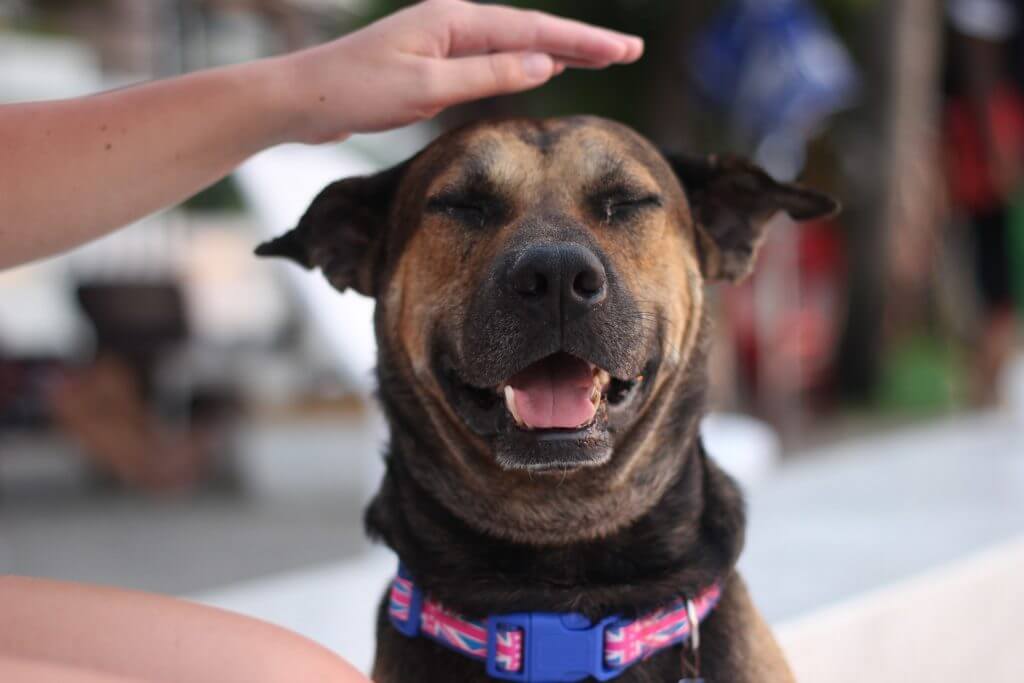
Climate
Assess the weather in your home before getting a dog. Some dogs have restrictions on climatic conditions. Dogs with thick and heavy coats may overheat in hot conditions.
Noise Tolerance
If you prefer a quiet home, choose a gentler breed. Guard dogs tend to have louder and more aggressive barks. Consider noise tolerance if you live close to your neighbors.
Get the Best Dog Breed Now!
Bringing a dog home can be a fun and exciting experience. The best dog breed for you is one that fits into your lifestyle. Find the best dog for you with these 10 tips in choosing a dog.
Of course, choosing the right dog is only the start. You also need to learn how to take good care of it and we’re here to help. Feel free to go over more of our content to pick up even more tips and tricks today!
10 Essential Facts Why People Love Cowboy Corgi
Are you curious to know all about Cowboy Corgi? Do you want to know the essential facts about why people love this breed?
Cowboy Corgis come with fascinating narratives from two breeds. The Australian cattle dog was first bred in the 19th century as a herd cattle on ranches and was also known as the Blue Heeler. The Pembroke Welsh Corgis, on the other hand, originated in the UK as livestock drivers and farm dogs.
Cowboy Corgis ‘precise date and place of origin are not specifically defined. Unlike other crossbreeds, the major kennel clubs like the American Kennel Club are not formally recognized.
Top 10 Essential Facts Why People Love Cowboy Corgi
Strong, Friendly, And Intelligent
They are strong, friendly, and intelligent dogs that have the characteristics of herding since the two breeds are pastoral dogs.

Docked Tail
Many Cowboy Corgis have their tail docked. If the breed of the Australian Cattle Dog is more common, your Cowboy Corgi would probably bear a tail. But all of them, including Corgis, have a clear face. Some would have a mask with a white face, and others would not.
Loved by Royal Family
In more than 70 years, Corgis have been part of the UK Royal Family. Since she was a young girl, Queen Elizabeth II has over 30 Corgis, which makes it popular with the Royal Family.
Won prizes
Corgis were valued for loyalty, herding skills and companions in early Welsh settlements. There were laws that heavily penalized the thefts of the much-venerated pooch, and no family could walk with high heads until their Corgi had learned some tricks.
They are colorful
Although they are the same as the Corgis, many sport the lovely coat color and the facial features of the Cattle Dog from Australia. The traditional colors of the coat are red, roan and tri-color. They can even come in clear color, even though it is very uncommon.
Cowboy Corgis ‘coat texture is either exactly comparable to Heeler, or as shaggy as the Corgi. This baby can be short to medium in length. It has a double coat which is thrown away once or twice a year in the season.
Awesome Personality
The features of a Cowboy Corgi are the parent with the most prevalent gene. The Heeler and the Corgi are both similar, but the Corgi is a better choice if you have children at home.
Australian Cattle Dogs have also a reputation for not being so welcome to foreigners. They appear to bark to new people who come to visit your house. And, if this dog knows you well, he may be the most affectionate and caring bag you ever will meet.
Easy to Groom and Train
This cross is very easy to train because it is quite smart. Nevertheless, the Corgi and the Heeler are both renowned for their freedom.
Some of the great aspects of Cowboy Corgis, given its double coat, is that it is easy to groom. This is not surprising because both parents are low-maintenance races. However, remember that this is not a hypoallergenic bird. Like Corgis, it could produce moderate dander rates.
The Cowboy Corgis must be brushed every week to keep their coat clean. Regular brushing is necessary for removing old or dead hair and also for preventing dander. The best pins are slicker brushes and matting comb for their thick double coats. These tools eliminate nodes and tangles effectively.
No Bathing Hustle
The Cowboy Corgi should be bathed once or every six weeks once a month. Keep the coat shiny by using a shampoo specifically made for double-coated breeds. Double-coat dog conditioners are now available online and in pet shops.
Healthy Breed
It is a relatively safe breed, although for certain genetic disorders you have to keep an eye. Any breed of dog can at some stage in their lives be vulnerable to such conditions. However, dental hygiene is important in dogs because it is critical in humans for the prevention of periodontal diseases or inflammation of the protective structures of some teeth. The ore should also be moisture-free, which can lead to an ear infection.
Get heavy if they aren’t regularly exercised
They need exercise badly, and it will take at least 20 minutes a day. Like Corgis, these sturdy little dogs excel in everyday exercise to manage their weight. Otherwise, obesity will be affected.
The Cowboy Corgi has the Corgi’s size, it can easily be adapted to your home. It helps to have a medium or small yard so that your dog can run freely.

Conclusion
Many Cowboy Corgis look just like their parent Corgi. They possess the scale of Corgi, which grows just 10-15 inches on the shoulders when fully cultivated. When they are one year old, they only grow to an average of 25 to 30 pounds. They are a mixed breed and no major kennel club.
Cowboy Corgi varies between Pembroke Welsh Corgi and Queensland Heeler’s sizes. They look identical to the corgi, but a little bigger in body and height. They’re long and short in height. The coat will be close to that of Queensland Heeler more frequently. When fully bred, they weigh less than 30 pounds.
Get to know more in the Complete Guide To Cowboy Corgi
Like other breeds or mixed breeds, a Cowboy Corgi gives the best of both worlds. But its features, like purebred dogs, can not be predicted. As always, we recommend that you work with a well-known breeder if you intend to buy a cat.