
- Home
- Cat Health
How Many Days Can A Cat Go Without Food?
Is your cat refusing to eat any food? Have you tried switching her food to something tastier? If that hasn’t worked either, it’s time to take your cat to the vet. Whether your cat is healthy or not, knowing this might help.
As a cat owner, chances are you’re making mistakes that you don’t even know are mistaken. This happens to lots of new cat owners. And the only way around it is to know how long cats can go without food.
This shouldn’t stop you from taking your cat from the vet in case she stops eating. But it’s good to know these things. Because they help you understand your cat better. And what is and what is not good for her.
How Many Days Can A Cat Go Without Food?

The short answer to this question is that a cat can survive as long as 7 days without food. However, this also depends on the physical condition of the cat. Some cats can survive without falling sick, and getting lethargic. Or collapsing for 3 to 4 days maximum.
After the fourth day mark, the cat’s body will no longer be able to perform normal activities. Such as walking or even sitting up on the bed. The energy, from food, stored in a cat’s body is completely depleted. This can cause starvation, organ damage, and fainting.
The long answer to this question is as follows.
Why Is My Cat Not Eating?

There can be many reasons why your cat isn’t eating food anymore. It may be due to an illness, new surroundings, behavioral issues, or vaccinations. Recognizing the cause can help you help your cat quicker and more decisively.
Those of you who have never been through something like this before. I know it can be quite confusing to handle. Your best chances are to take your cat to the vet right away. Explain your cat’s medical history and diet you provide at home.
Only a professional vet can let you know the diagnosis and treatment plan for your cat. Common conditions like tummy ache, diabetes, and thyroid can also develop loss of appetite.
It’s best to determine the cause of this before jumping to conclusions. Or before taking matters into your own hands and perhaps making it worse for your cat.
What Can Happen When A Cat Goes Hungry for Long?

If your cat hasn’t eaten food for a long time. A long time being anywhere from 4 to 7 days. This is what you need to know about it.
Organ Failure
Your cat’s digestive system is sensitive and active all the time. The food your cat consumes is directly used as fuel for daily activities. The nutrients in cat food keep him healthy and energetic.
If your cat fails to provide the body with proper nutrition for even a day or two. The body starts attacking the internal organs for energy expenditure. The digestive system takes a hit first. Followed by the brain, the heart, and so on.
To avoid this deterioration, your cat needs IV fluids that only a vet can administer. Even if your cat refuses to eat solid food, the IV fluids give your cat all the nutrients to avoid organ failure.
Hepatic Lipidosis
Hepatic Lipidosis is when the liver gets affected because of starvation. It causes liver failure or grave illness of the organ. This is mainly due to starvation caused by an underlying disease in cats.
To check this, you have to get your cat’s blood tests done.
In other terms, fatty liver disease is also very common in cats. It’s when the body starts metabolizing the fat cells in the body for energy. Without food, the body fails to metabolize proteins along with the fats.
Your cat needs proteins to maintain energy and proper well-being. If a cat isn’t eating well, the lack of protein causes the fat cells to metabolize out of control. This affects the liver as the fat cells start to build up and interfere with the proper functioning.
When this happens, your cat is more likely to not eat because of liver dysfunction. Underlying health conditions like gastrointestinal disease, pancreatitis, diabetes, and thyroid can also Hepatic Lipidosis in cats.
More apparent causes such as stress, change of diet, guests, and psychological issues can too.
What to Do When My Cat Refuses to Eat?

You shouldn’t force your cat to eat food until and unless you know the problem. There are different things you can do at home if your cat refuses to eat. Cats with pancreatitis often starve themselves. So you have to force-feed them with a syringe or a spoon.
If you’re going through a similar problem, it’s best to take your cat to the vet.
If, on the other hand, your cat has undergone surgery and that is why she’s refusing to eat. That is completely normal. Cats are not supposed to eat for 24 to 48 hours after surgery. Your doctor will give you proper post-op instructions.
But in case your cat doesn’t go back to eating food normally after 2 days. You need to talk to your doctor about the possible causes for this. Your cat may be in pain or stressed.
In that case, you can slowly introduce delicious cat food to your cat. Make sure you keep a calm environment so that your cat isn’t afraid to go toward his food and water bowl.
Final Thoughts
Even though there’s no reason why your cat should stop eating food. Unless there’s an underlying cause such as digestive disorder, thyroid, etc. Your cat shouldn’t stay hungry for more than 2-3 days.
Once it goes beyond 3 days, it can cause organ damage, fainting, and even death. Make sure you take your cat to the doctor. Taking into consideration the cat’s blood reports and other scans, the vet will prescribe a proper treatment plan.
There are many things you can do at home to “bribe” your cat into eating food. Force-feeding with a syringe, exercise, and proper hydration. If these do not work, the doctor will inject IV fluids right into the cat’s bloodstream. This prevents organ failure, hepatic lipidosis, and fatty liver disease caused by starvation.
Health Impacts of a Dirty Litter Box
Cleaning your cat’s litter box on a daily basis can become a hassle, and there may be some days where you do not feel like cleaning it at all. The stench alone can repel you from the litter box, but it is the terrible things that are hidden behind the smell that you really need to be concerned about.
Dirty litter boxes can become a breeding ground for many different forms of bacteria and parasites. This can become dangerous if you do not keep up a regular cleaning schedule, as Brentmore Labs warns. These are just a few ways explaining how your health and the health of others could be impacted by a dirty litter box.
Health Risks for Humans
Dirty litter boxes can affect humans and cats equally, and they both are at high risk of contracting diseases from litter boxes. There is an astounding amount of diseases that humans can be exposed to through their cat’s waste that can affect their physical and mental health alike. You may need to contact your doctor if you believe you have contracted some form of sickness because of your cat’s litter box.
Ammonia
Cat’s urine has ammonia in it, and an overexposure to ammonia can cause you to have serious breathing problems or headaches, and you can even end up catching pneumonia. Ammonia is a toxic gas that can irritate and even damage your lungs.
Other ammonia related symptoms include lightheadedness, minor headaches, and irritation to your lungs. Your cat may also be prone to being affected by the buildup of ammonia in their litter box, so make sure you see your doctor and take your cat to the vet if either of you start to feel sick.
Toxoplasmosis
Toxoplasmosis is a disease that is transmittable to humans through their cat’s urine and waste, caused by a parasite known as Toxoplasma gondii. T. gondii has been proven to cause behavioral changes and illness through exposure and can stay within the human body for an indeterminable amount of time.
It could even go so far as to affect your cognitive functions and wear down your memory, even if you have never had any similar memory or cognitive issues prior to being exposed. You will be even more at risk of contracting this disease if you have a compromised central nervous system.
Cat Scratch Disease
Cat scratch disease happens as a result of being exposed to a cat or litter box that has been infected with Bartonella henselae bacteria. Cat scratch disease can easily affect people who are immunocompromised, and can become a severe condition for them to suffer with.
Cats can become infected with Bartonella henselae bacteria through infected parasites such as fleas and ticks, regardless of whether they are outdoor or indoor cats. They are highly common amongst outdoor cats and symptoms in humans appear as loss of appetite, body aches, headaches, fatigue, and so much more.

Health Risks for Cats
Urinary Tract Infection
All of the aforementioned diseases and bacteria can affect cats as well, but other dire health risks to look out for include urinary tract infections or kidney issues. Cats will usually not approach or use their litter box until it has been thoroughly cleaned, opting to hold their waste in instead. This can lead to negative impacts on your cat’s kidney and bladder health over an extended period of time.
Your cat could contract a urinary tract infection, which will cause them an immense amount of discomfort and also may make them continue to avoid using the litter box. The cost of treating a UTI in your cat will also be quite heavy. It is important to take them to the vet if they show signs of having a UTI and clean the litter box regularly in order to help avoid it from happening altogether.

Cleaning Your Cat’s Litter Box
Cleaning your cat’s litter box regularly will not only prevent you and your cat from being exposed to bacteria, but it will also encourage your cat to continue using it properly and reduce the strength of the odors emanating from the litter box. It can become a gruesome chore over time, but it needs to be done properly in order to keep you and your cat healthy and happy in your environment. Following a regular cleaning schedule and protecting yourself from the bacteria that may be residing in the litter box will help lower the chances of contracting illnesses.
You will want to keep a litter scooper, cleaning supplies, face masks, garbage bags and gloves around you whenever you begin cleaning your cat’s litter box. You may have different cleaning schedules depending on the type of cat litter you use, but make sure to keep the schedule consistent.

Conclusion
Keeping your cat’s litter box clean is a big part of being a cat owner. Keep yourself and your cat happy and healthy by preventing the accumulation of bacteria in your cat’s litter box.
Everything You Need To Know About Using CBD Oil For Cats
Is CBD Oil Safe For Cats?
Yes. CBD oil is frequently used to improve the quality of feline life as well as mitigate many different symptoms of their illnesses and aches. One essential distinction to keep in mind is that the oil does not in fact cure these problems, it does not make ailments go permanently away in 99% of the cases. It is just a supplementary measure to make things more bearable, not a replacement for conventional veterinary medicine. So, if your furry friend is suffering from any serious issues, take them to the vet asap and then see where you can go from what the vet tells you.
How you use this hemp derivate for your pet will likely be quite different from the next cat owner. Just as each cat has a unique personality of their own (which you can read more about right here) it also has a specific biological make up, a particular bodily configuration that is all its own.
Things like bone density, joint resilience, muscle fiber condition, blood pressure, metabolism rates, food allergies and other allergies, heart rate and heart condition, coat characteristics, eyesight, balance, hearing, even tail flexibility differ from cat to cat. Therefore, no two feline pets will have the exact same reaction to being submitted to cannabinoid treatment. Consult with your pet to know the right dosage of CBD for your cat. To know about the different products available, click here.
The majority of holistic veterinarians are in agreement that CBD is safe for treating cats and rarely has any negative effects. Even then, you should definitely discuss with your conventional vet to ensure your feline’s safety. After all, you are introducing an entirely new kind of chemical into their life. While you are there, have a conversation with both your conventional and alternative vet on whether hemp treatment is actually suitable for your cat at this point in time.
The most important safety concern to remember when giving CBD oil to a feline is the dose of the substance. If a cat ever does really experience bad side effects (which is highly unlikely to begin with), it regularly can be linked back to the owner messing up and giving them too high of a dosage. Don’t be that owner who messes up their kitty.
Always take the time to read the information on the packaging or instruction slip of your CBD oil product in order to keep your precious pet safe. In addition to that, never forget that while CBD for cats is perfectly safe, marijuana is not, and in particular when a cat consumes, it has a toxic impact. Thus, you should stay away from any kind of direct application of hemp (even a non-weed strain). Instead use secondary products rich in CBD, like oils, tinctures, salves etc.

What does CBD oil for cats look like?
Remember, you want the oil of the hemp plant, not the marijuana plant. Hemp oils are most commonly sold in the form of a tincture. These tinctures are meant for either oral consumption or topical application (for example, to help relieve eczema, flea scabs and other skin and coat conditions).
These products are mostly packed in a small bottle with a dropper. This enables you to accurately control the dose, right down to individual drops. This in turn allows you absolute control of the amount of CBD ingested by your pet, and you can tailor it whenever necessary. This way you have much more flexibility with the varying amounts you are bound to need when first introducing you kitty to this type of health augmentation.
Although you might feel impatient and want your critter to recover quickly, don’t rush things. The best way to go is to make this addition to your cat’s daily regime slowly and consistently. Mix the oil with their food or drink, and keep a close eye on them for any unusual behavior, changes in appetite etc.

How does it benefit your cat?
First off, it can improve the looks and condition of the cat’s coat, as well as its skin. Inhumane medicine and holistic healing, it is often employed in easing symptoms of acne outbursts and dried-out skin, and these excellent benefits apply to our pets as well. Simply rub the oil directly into their skin and fur.
This will revitalize the hair follicles, which will become shinier, stronger and more resilient, and also softer and more enjoyable to stroke. The oil can also help ease the symptoms of various allergies that manifest as rashes, hives and so on.
Secondly, it might be able to help ease symptoms of IBD. If your cat is afflicted with inflammatory bowel disease, a.k.a. the IBD, the cannabidiol may be able to help. Since this condition is a result of an inflammation, CBD might be able to ease it, due to its inherent anti-inflammatory properties. It is able to reduce swelling and the associated unpleasantness. Of course, it cannot cure IBD, but it can certainly make it much more bearable for your dear furry friend.
Thirdly, it relieves pain and makes swellings go away. Turns out that when people talk about a “pain switch” in their brains, they are not that far off. There is a particular part of our brains, the vanilloid receptor, which is in charge of registering, communicating and managing pain. The same receptor exists in the brain of your cat. You can read more about it here: https://www.ncbi.nlm.nih.gov/pmc/articles/PMC2430674/
CBD oils directly target it and prevent it from functioning properly, thus sparing you the pain.
We mentioned the anti-inflammatory function of CBD a little above. This translates into readily available relief form many forms of aches in the body. These include regular arthritis, osteoarthritis, pain because of one’s neuropathy, pain that stems from the nerves, inflammation of the intestines, asthma attacks, and even pancreatitis.
As you can see, treating your cat with hemp oils and extracts isn’t some taboo notion that “decent vets” never speak out loud. It is an alternative medicament, increasingly more acknowledged in mainstream medicine.
How to Hydrate A Cat That Won’t Drink Water?
It can be quite stressful for you if your cat refuses to drink water. Extreme dehydration can lead to severe medical issues. But before it gets to that, there are a few steps you can take to hydrate your cat.
Having said that, you can’t force your cat to drink water. You can go as far as leading your cat to clean water. But the rest is up to your cat. So how to go about this?
This article lets you in on everything you need to know about hydrating your cat. What you can do to get her to drink more water. And understand the reason why your cat is refusing to drink water.
Most times, this is a sign of an illness that needs to be addressed right away. I hope this article helps you get to the root of the cause.
Why Won’t Your Cat Drink Water?

There can be many reasons for this. Behavioral issues, hyperthyroidism, diabetes, or kidney issues. If it’s not as severe as all that, your cat may have digestion difficulties.
Allow me to make things simpler for you.
Behavioral issues: Do you have guests at home? It may be that you’ve moved into a new place and your cat is taking her time to adjust. Re-locating can get in the way of your cat’s daily routine. This includes eating, drinking, and peeing.
If that’s the case, make sure you keep a water bowl at every corner of your new home.
Your cat may also be reacting to new cat food which for a feline is a significant change. Lots of such changes can lead to your cat refusing to drink water. It’s not a matter of a health issue.
Health issues: Diabetes, hyperthyroidism, kidney issues, constipation. All these problems can dissuade your cat from drinking water. Minor issues such as diarrhea, vomiting, nausea and even fever can lead to dehydration.
If that’s the case, consult a veterinarian immediately. Get some blood check-ups done and if necessary, the doctor will keep her on fluids for quick hydration.
In extremely severe cases, cancer, pancreatic disease, and parasites can cause dehydration. For any or all of the above, consult with a doctor right away.
How to Hydrate Your Cat?

If your cat is “acting out” over a new change or new people in the house. There is something you can do to encourage your cat to drink more water. These steps are really simple but require proper attention and care.
1. Feed Wet Food
If you’re worried about your cat not drinking enough water. You can increase your cat’s water intake with wet food. This is the easiest thing to do for a major reason that cats love wet food.
It’s stinky, sticky, and yummy. Research suggests that a single can of wet food contains at least 70% of water. Compared to this, dry food only contains 10% of water.
This makes up for 50% of your cat’s overall water intake. This can be beneficial for your cat in many ways. It prevents constipation, starvation, and weight gain.
2. Give Her Ice Cubes
Your cat will think of this as a fun game! Place a few ice cubes in her water bowl. And lure your cat close to the bowl. If your cat is anything like mine, she will get excited by the clink of the ice cubes.
If your cat is still reluctant, pour some tune juice or boiled fish water over the ice cubes. This does wonder. By the smell and look of something fishy, your cat might start licking the ice cubes until they have completely melted or disappeared.
3. Use More Than One Water Bowl
Keeping more bowls and cups around in your house does help. This is extremely effective when you have more than one cat. The smell of another cat can easily discourage or distract your cat from drinking water.
So having more water bowls or saucers or cups around the house is helpful. No matter how many water bowls you keep, make sure each is clean.
Water left out for a long time, especially if it’s a pet bowl, can lead to bacterial buildup. So make sure you scrub the water bowl clean once every few hours. And change the water to make sure no harmful bacteria or germs are floating in the water.
4. Try to Serve Directly from the Tap
I’m sure you must have seen such funny videos of cats on the internet. Cats love to drink water as if from a fountain. If your faucet has clean, drinking water, why don’t you make this a fun game?
Start the tap on the slowest flow setting. And encourage your cat to drink directly from the running tap. This might take your cat some time to get used to. But that way your cat will end up drinking water every morning and evening.
Cats love cold water so make sure you do this a few times a day. But in small quantities!
5. Feed Your Cat In Small Amounts
Overfeeding can cause dehydration especially when your cat is full. As humans, you understand the essential benefits of drinking water. But for cats, this is different. If you feed your cat in small amounts, this should encourage her to drink water after every meal.
Make sure you feed your cat fresh food. Check the product’s manufacture and expiration details before opening the package. Do not feed your cat food that’s been sitting out for too long.
A fresh diet will relieve digestion issues including dehydration, diarrhea, and vomiting. Your cat may become thirstier after eating small servings of food.
Conclusion
Ultimately, your cat shouldn’t go without drinking water even for a day. Severe cases of dehydration can cause organ damage and even death. Meanwhile, minor cases of dehydration in cats can lead to kidney issues, skin problems, and weakness.
These tips should help you hydrate your cat who’s refusing to drink water. If your cat still refuses to drink water after a day’s effort, it’s necessary you take her to a vet right away.
This just means there’s an underlying cause for this. A cat’s food and water intake usually go hand-to-hand. Making sure your cat’s nutritional needs are met is your number one priority as a pet owner.
So don’t panic if your cat is not drinking water regardless of your efforts. These tips are 100% safe and effective at getting your cat to drink water every day.
You can try these tips even after your cat starts to drink water. It’s a fantastic way to bond with your cat! And to make her feel safe and happy at home.
10 Things You Should Never Feed a Cat
It is often tempting to slip your cat some food from your dinner plate, especially if they are looking up at you with those bright, beautiful eyes and meowing expectantly. However, several human foods are dangerous to feed your cat.
Some foods can lead to toxicity, poisoning and can be lethal so this is extremely important information for all cat owners to know. Below are 10 things you should never feed a cat (including dairy!) and what to do if your cat eats something toxic:
Grapes and Raisins
While they may appear to be a healthy cat-sized snack, grapes and raisins can cause kidney failure in cats. Even a small amount can make a cat unwell and cause symptoms including vomiting and hyperactivity. For this reason, grapes and raisins are best avoided.
Chocolate
While it may sound obvious that chocolate is not healthy for cats, it can be surprising to hear that eating chocolate can be lethal to cats.
Chocolate toxicity can cause tremors, seizures, abnormal heart rhythm and death. This is because chocolate contains theobromine which is toxic to cats. This is found in all types of chocolate so be sure not to leave chocolate laying around.
Onions, Chives and Garlic
Onions, chives and garlic in any form are dangerous to offer to cats. These foods can break down red blood cells leading to anemia, weight loss and lethargy. They can cause poisoning and can result in potentially life-threatening health problems.

Raw Eggs
Raw eggs can cause food poisoning from E. coli or salmonella bacteria. If your cat eats raw egg you may notice symptoms such as diarrhoea and vomiting which can indicate salmonella poisoning. Another potential issue with eggs that is not as common but is still important to be aware of is the impact it has on biotin absorption. The protein in raw egg whites can interfere with your cat’s ability to absorb biotin which can then go on to cause coat and skin problems.
Dairy Products
Many of us believe cats are dairy lovers that enjoy nothing more than lapping up a saucer of milk, this is mostly thanks to how cats are portrayed in film, TV and cartoons. However, the truth is that most cats are lactose-intolerant and their digestive systems cannot digest dairy properly. Feeding your cat dairy products often results in digestive upset including diarrhoea.
Raw Bread Dough
Bread dough that is uncooked rises, if your cat eats raw dough it will continue to swell inside your cat’s stomach. This can cause severe pain as the dough can stretch your cat’s abdomen and can even cause ruptures. The fermented yeast can also produce alcohol so alcohol poisoning is another concern when it comes to raw bread dough.

Caffeine
In large quantities, caffeine can lead to caffeine poisoning. Signs for this can include rapid breathing, muscle tremors, heart palpitations and restlessness. Caffeine can be found in tea, coffee, cocoa, cola, chocolate and energy drinks as well as some medicines and painkillers.
Fat Trimmings and Bones
Offering your cat table scraps is a bad idea. You may think that because they are carnivores they can handle fat trimmings and bones but these foods can cause vomiting and diarrhea. In addition to intestinal upset, there is also a risk of choking as well as the bones splintering causing obstructions and damaging your cat’s digestive system.
Raw Meat and Fish
Although cats naturally eat meat, offering them raw meat and fish can cause food poisoning as a result of bacteria. Raw fish also contains an enzyme that destroys thiamine which over a prolonged period can lead to neurological problems. It is safer to cook meat and fish before offering it to your cat.
Xylitol
Xylitol can be found in a range of products including baked foods, sweets, diet foods and even toothpaste. This ingredient can cause liver failure in cats, it will increase your cat’s insulin levels and can lead to lethargy, a loss of coordination and vomiting. This can worsen to seizures and liver failure.
Signs Your Cat Has Eaten Something Toxic
It’s best to avoid offering your cat human food but sometimes they get their paws on things they shouldn’t. If you are worried your cat has eaten something that may be toxic, take them to the vet immediately. Try to determine what they have eaten and how much they ingested as this will help the vet find the most appropriate and effective solution.
Keep an eye on your cat for the following symptoms that can indicate they have eaten something toxic:
- Vomiting
- Lethargy
- Diarrhea
- Choking
- Drooling
- Excessive thirst
- Difficulty breathing
- Blood in stools, saliva or vomit
- Pale gums
If your cat has eaten something toxic or poisonous the sooner they can receive treatment from a veterinarian, the better.
Storing Toxic Food Items at Home
When it comes to toxic food, prevention is always better than cure. We know that cats can be clever and sneaky which is why it is important to store toxic foods in airtight containers in a cupboard or fridge. If you are preparing or eating toxic foods, make sure your cat isn’t around to steal any and always wipe down the kitchen tops after use to reduce any risks. It can also be worth getting a sealed bin so your cat cannot forage for food scraps.
Storing foods on high shelves might seem safe but cats have no problem with heights so it’s better to opt for airtight containers to be on the safe side. To help your cat enjoy their regular meals and the food that they are allowed to eat, make sure you properly store their food too as this will keep it fresh and tasty for their meal times.
What Treats You Can Offer Your Cat
If you are ever unsure of whether or not something is okay for your cat to eat, don’t offer it to them. While there are a wide range of foods you can give to your cat as occasional treats, the below are simple foods that you may already have in your house:
- Cooked eggs
- Cooked salmon or chicken
- Cooked rice
- Commercial cat treats
These are simple treats that your cat will enjoy. It is very important to cook the eggs, fish, meat or rice beforehand and to never season the food. You can even offer biscuits from their regular cat food but whatever treats you choose, remember that moderation is very important for their health and wellbeing too.
Thinking of Adopting a Second Cat – How to Ensure both Cats Get Along
When you adopted your first cat, there’s no doubt you were excited to be bringing home a fur baby all of your own that could share your space with you, and bring you that joy that only pets bring. And as great as owning a cat is, you may not have anticipated just how much of a cat person you truly are. If the time has come where you’re now thinking of adopting a second cat to bring home and join your family, you may be feeling a little hesitant about how your current cat will react. Let’s face it, cats aren’t always gracious hosts when it comes to new additions in the home.
Here we’ll take a look at some tips you can use that will help ensure both cats get along and that it’s a smooth transition.
Start with Separation
It’s obviously tempting to come home with your newly-adopted cat and let it loose in the house to explore, but experts suggest that separation is actually key to a smooth transition when other cats are involved. It’s best to place the newcomer in their own room where you can close the door. You’ll find the existing cat will probably be quite curious smelling around the perimeter of the door, which should be encouraged.
It’s best to keep the cats separated for about two to three days. Be sure to give the new one toys and a cosy place to curl up in the meantime.
Share Scents between Cats
While they are separated, you can start to share the scent between the two. The best way to do this is to use a towel and rub one cat with it, take that same towel and rub the other cat. Give them a chance to smell each other’s scent on the towel. This should be repeated a number of times during that separation period.
Let Them See Other
The next step is to allow them to visually see each other, but not in a free-for-all kind of way. Ideally, it’s best if they are separated by a screen or even a tall baby gate that they can sniff through, but not jump over.

It’s Time for a Real Introduction
Now you’ve gotten to the point where they can have a real introduction without barriers. This should take at least a week to two weeks to achieve. Keep in mind that there will need to be supervision for the first few moments, just to ensure all goes smoothly.
Don’t Forget the Pet Insurance
As a final tip, it’s also wise to look into pet insurance once you adopt a new cat, as this can help you cover any expensive vet bills if your cats get territorial. It’s a good idea to compare pet insurance quotes before you sign up though. If you don’t want to spend too much, you can compare pet insurance online in mere minutes to help you find a good deal.
A Smooth and Positive Introduction
By following these tips, you’ll be setting up a smooth and positive introduction.
Top Feline Probiotic Supplements for Cats Guide
Not all bacteria are harmful to your cat, some are beneficial, and it’s okay if they are present in the cat’s body. How do we do this? Probiotics for cats is the answer. It is a supplement that enhances the multiplication of healthy bacteria in the digestive system of cats.
This supplement provides lots of benefits for cats, especially the regulation of the digestive system. It can help ease gastrointestinal diseases and infections, and also prevent future occurrence.
It also regulates digestion, making it easy for cats to digest foods properly. Probiotics affect the overall health of cats, and it can improve their lifestyle in a significant way. Despite the benefits, there are some guidelines to follow before introducing probiotics to your cat’s diet.
Can Probiotics Treat Diarrhea in Cats?
You might be wondering; can probiotics be used to treat diarrhea in cats? Or which probiotics should I buy for my cat? Any questions you might have concerning probiotics for cats will be answered in this write-up. Read along.
Contrary to some beliefs that probiotics are only available for humans, cats can also benefit from using it. We all know that microbes live in the digestive tracts of humans, millions of them. They are also present in the cats. This means cats too, are prone to diseases that these microbes cause. Feeding your cat with probiotics will strengthen its immune system and protect it from diseases.

Are Probiotics Safe for Cats?
Probiotics are safe for cats, and there are no harmful elements included. However, you need to follow the instructions and use the right dose in order to be on the safer side. Also, you should find out the type of probiotics to use for your cat before introducing it into its diet. Just like humans, cats are different, certain probiotics may not be appropriate, and your cat may be allergic to its content. This is why you need to do some research before deciding on which to use.
Side Effects of Probiotics
Showing a side effect when on a new diet is normal; it’s the body’s way of saying, “I’m new to this.” Your cat may show some symptoms of the side effects, but it’s nothing to be scared about. Most cats do not show any side effects when on the supplement.
At the beginning of the new diet, there may be a change in the cat’s mood as its body adjust to the bacteria being introduced. Besides, the cat may experience a phase of mild diarrhea, which stops after the bacteria adjust to their new environment.
The adjustment phase should pass in a short period of time. However, you should visit your vet if the side effects persist or you have concerns. You may be advised to change the brand of probiotics you are using.
Using Probiotics to Treat Cat Diarrhea
There’s speculation that probiotics can be used to treat diarrhea. A study showed that probiotics do not entirely cure diarrhea, but it reduced the effect of the disease a bit. This means that you shouldn’t rely on it as a treatment; rather, use it to improve your cat’s diarrhea just for the symptoms to get better.

Probiotics Dosage for Cats
When using probiotics, you should follow the dosage instructions. Some manufacturers always give an insight on the dosage required. The best thing is to check the label and apply the supplement according to the size of the cat. Some other factors also affect the dosage; for instance, the brand you use can determine the dosage. To be on the safer side, you should use the supplement according to the manufacturer’s instructions.
Please note that the best probiotics are the ones that do not have a long shelf life. You can also consult your vet to get to know your cat’s biology. It’s better to know from the beginning; this way, you can save yourself the trouble of trying out brands that may not be suitable for your cat.
Best Probiotics for Cats
There are lots of probiotics brands out there, and you might find yourself in a dilemma trying to choose the right one. The list below contains some of the brands your vet might recommend.
Pet Ultimates Probiotics for Cats
This is one of the best probiotics you can find. It has twenty species of bacteria that can improve the health of your cat. The good bacteria will provide enough nutrients that will build up the cat’s immune system. It is sugar-free with a high concentration of maltodextrins.
Premo Probiotic
If you are looking for probiotics that does not contain any artificial ingredient, then this is your best bet The content is simply grains, wheat, and other nutritious food that will help cats live healthily.
Purina Fortiflora
This probiotic is specifically made to treat diarrhea. If your cat is suffering from diarrhea, you can introduce this supplement to its diet. You will see visible results as the disease begins to improve. The content is packaged in small sachets that should be eaten once.
Natural Probiotics for Cats
You might want to ask; can I use natural probiotics instead of the packaged ones? Natural probiotics are good, but some cats may not want to eat the food in which they are found. For instance, fermented vegetables harbor good bacteria, but the question is, will your cat eat it? The case is the same as yogurt; most cats don’t eat it. This makes it hard to feed them with natural probiotics.
Also, you may wonder, what if I give my probiotic to my cat? Do not try it! Probiotics for humans can’t work on cats. In fact, it can harm the cat.
Choosing the Right One
Choosing the right probiotic is not hard. All you need to do is know what your cat’s biology is and consider its medical history. In addition, you should visit your vet and get a recommendation before trying any brand out.
Can You Flush Cat Litter? Don’t Be Shocked To Know The Answer!
A large number of pet owners concerned about how we can dispose of cat litter. The first method that comes to your mind is probably flush them. However, there is a controversial topic: Can you flush cat litter?
Most of the owners choose flush cat litter down the toilet as an environmental way. Whereas, some people believe that flushing cat litter causes bad effects on human health. What is the truth? Let’s find out the answer!
Can You Flush Cat Litter?
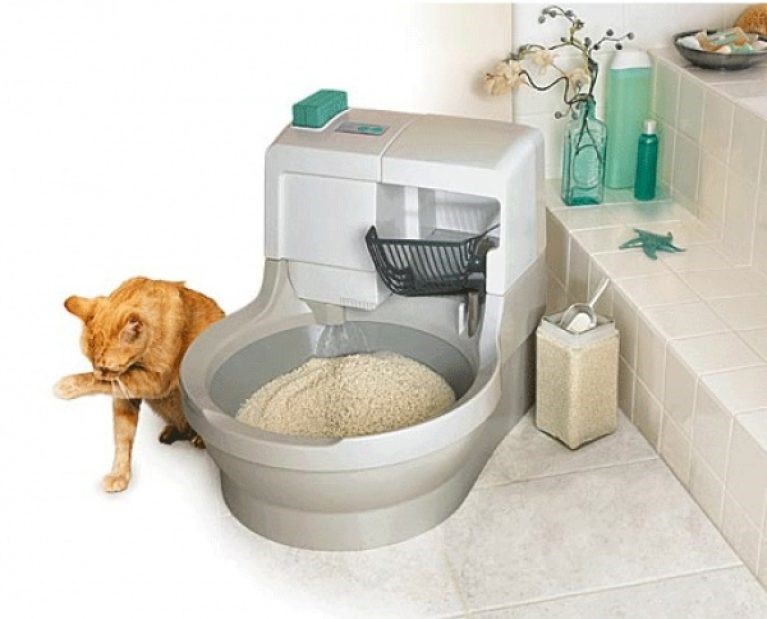
Can you flush cat litter? Source https://megagiper.ru
Throw cat litter down the toilet and flush them away seem to be easy and convenient to do. However, lie hidden in this simplicity is the noticeable effects on the waste disposal system, the environment, and human health as well.
Once you flush cat litter, a parasite named Toxoplasma Gondii from cat feces might end up in drinking water. This parasite is extremely harmful to human health, which causes Toxoplasmosis. Therefore, if this parasite ends up in the water supply, the human will be infected easily.
Toxoplasmosis can make people suffer from some diseases like muscle ache, headache, or some flu symptoms. It has a significant impact on the pregnant and the children because this parasite can cause birth defects. It is a severe danger!
Furthermore, not only the waterway but also the ocean outside also get a bad impact, especially serious when you live in the coastal area. If you flush cat litter down the toilet, through the sewer system, end up into the sea. In this case, it plainly put the marine species in danger because they are getting the parasites from the cat waste.
Besides, clump cat litter down the toilet can make your septic system get blocked. Not all the septic systems are designed to break down all the materials like cat litter. If you still want to flush, try to divide into small batches to avoid clogging.
So, when you ask, “Can we flush cat litter?” The answer is no. To protect our health, the septic system as well as marine life, you shouldn’t flush cat litter down the toilet.
Marian P. McClure from https://catthink.com has given some types of flushable cat litter, which is an eco-friendly solution for those who prefer flushing cat litter. However, try to limit flushing for a greener life.
How Can You Dispose Of Cat Litter?

How can we get rid of used cat litter/ Source https://www.thesprucepets.com
#1: Throw To A Trash
To prevent the parasites from spreading out, throw cat litter to trash seems to be the most suitable way.
Make sure that you use the heavy-duty bags or at least two containers to handle it. Scoop cat litter into the bags then tie the bags as tightly as possible. Next, throw the trash bags to the trash with a lid. Why you need a lid? To avoid being broken by the other cats surrounding who are attracted by cat litter.
Check your trash before throwing, in case some sharp objects are piercing the cat litter bags. Don’t put the bags of cat litter under the heavy things too.
Don’t throw cat litter to the kitchen and the bathroom trash! Not only about hygienic problems, but also protect your family from being affected by the parasites. If you let them sit by accident, take it outside as soon as possible. You don’t want them to stink to high heaven entire your house!
#2: Use Cat Litter As Fertilizer
This method only applies to green litter. What kind of litter can be called ‘green’? That is litter made from recycling paper, wheat, corn, or wood, which is eco-friendly and biodegradable. While crystal or clay litter cannot appear in your garden
So, once you use the green litter, you can take full advantage of used cat litter as fertilizer or mulch. It also helps you save a sum of money to buy fertilizer for your garden.
It is wise if you use the green litter.
If you compost used litter successfully, you not only dispose of cat litter properly but also get a perfect close to a green environment. It is easy to find a method to compost cat litter. It is expected to take a few months to a year to finish. However, the results are worth a try.
Don’t use the compost for vegetable. Even though you love your pet, you don’t want to do that with edibles.
#3: Use Flushable Cat Litter
As I mentioned above, flush cat litter is not preferred because of its adverse results. However, there are some kinds of flushable cat litter.
Marian P. McClure from Catthink showed some flushable litter with non-clumping ability, which are confirmed by manual testing.
Once the cat litter you bought is tested and guaranteed as flushable, you are able to flush them down. Although, take a serious with the special instructions and the flushing process. And, just handle little by little at a time.
Remember that flushable cat sometimes cannot work well in certain types of septic systems, which is not suitable to flush litter.
The two most significant advantages of this method are it is simple to process and its eco-friendly instead of using a large number of plastic bags.
To Sum Up
With the given information above, the answer to the question Can you flush cat litter is no, with the exception of flushable cat litter. Besides, I also show you some most proper methods to dispose of cat litter.
I believe this article is beneficial to raise the awareness of cat litter and its impact on the environment as well as human health.
If you are interested in these tips, remember to share with other cat owners. Please tell me your contributions to the comment section below!
Many thanks for spending time on my article!
What is Catnip and How Does It Work?
Have you ever wondered why your cat goes crazy for Catnip? Or what the deal is with that rather odd-smelling little plant? Well, let’s take a closer look and find out.
What Is Catnip?
Catnip (or Nepeta cataria) is a perennial herb in the mint family. There are over 250 species in existence, however, the most popular varieties are Common Catnip and Catmint. Common Catnip is the variety cats are thought to enjoy the most.
Native to Europe and parts of Africa and Asia, the lush green plant tends to take over a garden space and was once considered an invasive weed.
Catnip contains many different aromatic oils. However, there is one in particular called Nepetalactone, which is responsible for the effects we see on cats. The effect it has on cats has been compared to the effect marijuana or other similar drugs have on humans.
Humans do not react to Catnip the same way as cats do because our brains are wired much differently from cat brains. However, there was a time where Native Americans used Catnip as a treatment for colic in infants. It has also been used in some herbal teas as a mild sedative. Among herbalists, Catnip has been known to have been used to lessen the intensity of migraine headaches, nervousness, indigestion, cramps, arthritis, gas and even anorexia.

What Does Catnip Do To Cats? Cats have a very sensitive sense of smell. They have special receptors in their nose which are linked to their brain. When they inhale the aromatic oils of Catnip, they cling to receptors which stimulate neurons and send signals to their brain which affect the cat’s emotions and behavior.
Why do they like it? Because it usually induces a state of euphoria or calm. In some ways, Catnip can give a cat the same feelings as kitty pheromones do. So, in other words, the same feelings as when they’ve been making love! Often, cats will sniff, chew or rub up against the Catnip plant, which releases more of the aromatic oil.
Some of the most common ways Catnip can affect cats are as follows:
- Some cats may roll around on the floor and appear “intoxicated,” they may drool and their eyes may become wide
- Very young kittens or elderly cats are usually not affected by Catnip and may not be attracted to it at all
- 10-30% of cats will show no effect to Catnip
- Some cats will show signs of aggression
- Some cats may become hyperactive and loud
Generally, if a cat consumes Catnip by eating it, the effect on the cat will be calming and the Catnip will act as a sedative. Whereas if the cat inhales the aromatic oils of the Catnip, the effects will be more of a “high,” and the cat is more likely to become hyperactive as a result.
A cat’s response to Catnip will only last for around 10 minutes. After that, the cat becomes immune to the Catnip for around 30 minutes. Around 70-80% of cats will have a reaction in Catnip’s presence, however, some cats will not have any reaction at all. The response is hereditary. Catnip won’t affect young cats until they are at least 6-months old and have reached sexual maturity.
Is Catnip Safe?
The short answer is, yes, Catnip is safe! Although your cat may act crazy and go bouncing off the walls after consuming Catnip, and there may be some mildly hallucinogenic effects, there are no long-term negative effects to worry about from your cat sniffing or consuming Catnip. It is also non-addictive and there is no limit to how much Catnip your cat should consume or sniff.
What Are The Best Ways To Use Catnip?
There are many different ways cat owners can use Catnip. It can be a great training tool. For example, rubbing some Catnip on your cat’s scratching post can encourage your cat to scratch where he or she is supposed to, rather than on the furniture. Or perhaps you could sprinkle a little Catnip in your cat’s bed to encourage him to sleep there.
Another way to use Catnip is to place it inside cat toys. This is a great way to encourage your cat towards the Catnip through play. It is possible to buy refillable toys for this purpose, or your could make your own. Even something as simple as filling an old baby’s sock with a sprinkle of dried Catnip, and tying it up into a ball can be a delightful toy for a young cat.
Catnip can also be given to your cat with food, purchased as a fresh plant, sprinkled around your cat’s play area, or purchased in a spray form.

So, what have we learned?
- Well, Catnip is a pretty amazing little plant. For something that is essentially a weed, it has some pretty incredible powers!
- It can hypnotize a kitty into a state of bliss within seconds, but at the same time, it can send another cat into a complete state of craziness and hyperactivity!
- It doesn’t work on all cats, but when it works, it works well.
- A cat is more likely to become calm if it eats the Catnip, as opposed to if it inhales it, in which case it is more likely to act crazy and “high.””
- Young kittens and elderly cats are immune to it. As are some cats – just because they are!
- Catnip is very safe and has no negative or long-lasting side-effects for your cat.
- Catnip can be used in many different ways, from sprays to toys to food to being sprinkled around your cat’s play area.
So, there you have it! Pretty cool, right? If you’ve ever been tempted to give Catnip a try for your feline friend, but haven’t been sure what it was all about – now you know! Why not give it a shot? It may be just the thing to help calm your furry friend down (or hype him up)! Either way, you can rest assured there is no harm in trying it.
Good luck!
How to Travel with Your Cat
Most cats enjoy staying at home, so they can become very stressed if you make them travel. When traveling with cats, you need to do everything it takes to make your furry friends as comfortable as possible.
Here are a few cat travel tips to help you offer your kitty a safe and enjoyable travel time.
Cats and Car Travel
Learning how to travel by car with your cats is the best thing to start our article with. You can enjoy a stress-free journey, provided that you know how to help your cat be calms and relaxed.
Before the Car Trip
You should purchase a cat travelling bag and carrier. This is the only safe method to travel by car with a cat. Allowing the animal to roam freely inside the vehicle is very dangerous, because he might distract the driver. Furthermore, in case of an accident, your cat will be projected through the window. Also, a loose cat will try to find a way out as soon as you open a door or a window.
Since your cat will have to stay in its carrier for the entire duration of your trip, you have to make sure the crate is comfortable and roomy enough to accommodate the animal. In addition, the crate has to be solid. Transporting your cat in a cardboard box is not an option, as it will get damaged if the pet decides to urinate inside.
Although it seems that buying the largest crate you can find is the best option, in fact some cats prefer smaller spaces, as they make them feel more secure. Take time to assess all your available options and choose the one that best suits your cat.
Putting the cat in the crate the last minute before hitting the road may not be such a good idea. The cat may become anxious and distressed. This is why you should try to introduce your cat to the carrier enough time in advance to allow it to become familiar with this type of enclosed space. The more they will get used to the carrier, the happier they are going to be to stay inside it for the entire duration of your journey.
Make the carrier enjoyable by putting the kitty’s favorite toys inside. Also, offer him plenty of yummy treats to encourage him to step inside. You may want to buy an airline-type plastic transporter that can be disassembled to allow the cat to jump in with ease.
Once you get an adequate cat carrier and you make your feline friend feel comfortable with it, you can rest assured you’ve accomplished the most difficult part of your task. A safe and comfortable journey starts with making the cat enjoy being inside a crate in a moving vehicle.