 Emma Thompson
Author Archives: Emma Thompson
Hi, I'm Emma Thompson. Welcome to The Pet Town! I'm a Pet lovers like you and please feel free to get in touch with any questions. Enjoy your stay!
 Emma Thompson
Author Archives: Emma Thompson
Hi, I'm Emma Thompson. Welcome to The Pet Town! I'm a Pet lovers like you and please feel free to get in touch with any questions. Enjoy your stay!
Pet fish are some of the easiest and most rewarding pets to own. While relatively easy to care for, they more than make up for the cost in beauty and fun. However, caring for pet fish canbe a daunting task if you don’t have the experience required. Luckily, once you get the hang of caring for fish, it can be a fun and rewarding task that impresses guests while entertaining you.
The first step to making sure your fish are happy and healthy is getting the appropriate tank. Tank size is a crucial aspect of fish health, as some fish need more space than others to survive. Additionally, two fish in the same tank might require more space to survive than either of them in separate tanks.
The general rule for getting an aquarium is to get the largest one youcan afford while also making sure that every fish in the tank meets their minimum size requirements. “Most of the time, a bigger tank makes for happier fish, whether it will be fresh water or salt water.” according to Michele Taylor, the owner of AquariumFish City.
Another rule to remember when taking care of fish is that no two fish are alike. Different fish will have different needs, and taking care of multiple species of fish in the same tank can prove difficult. The only way to get past this is through research.
Look up the specific fishspecies you plan on keeping, and what they need to survive in an aquarium. This is perhaps theone area where you can not afford to cut corners.
You will need to learn what your fish need to eat, what environments they are most comfortable in, and whether or not you have the time and resources to care for them.
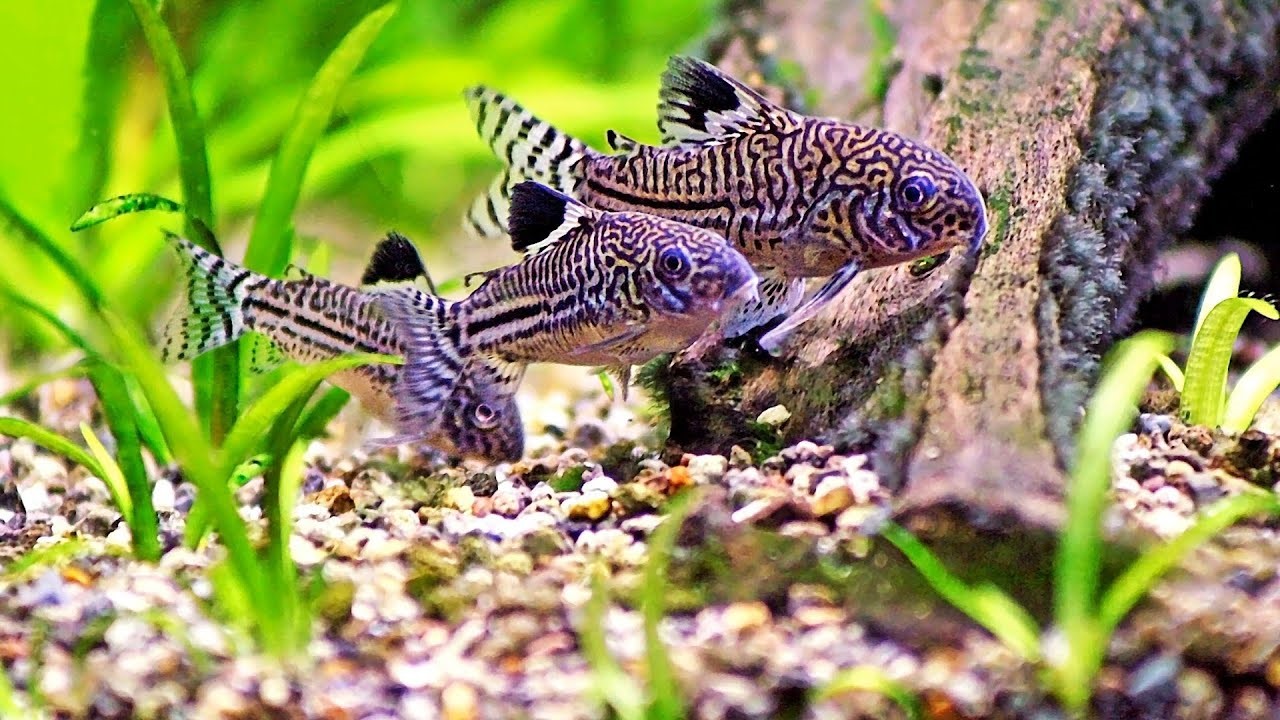
A seemingly obvious element of an aquarium that most people seem to miss anyways is water. Clean, filtered water is critical for giving your fish a happy and healthy life. For this, you’ll need a filter. When it comes to filters, the most expensive is not always the best. Look atreviews and make sure that the filter you’re getting is the right one for your tank and your home.
You don’t want to spend a lot of money on a filter that doesn’t work for the tank you own, or that keeps you up all night making noise. Once again, research options that are the best for your particular circumstances. There is no one size fits all solution, and which filter you use depends heavily on how you live.
However, a filter won’t keep the water perfectly clear forever. Eventually, you’ll need to clean the tank. In general, you should clean the tank partially every week, and clean it fully everymonth. When cleaning the tank weekly, you should remove unwanted debris from the gravelusing a gravel vacuum, as well as replacing about 20% of the water with fresh water.
During the monthly clean, you should use an algae scrubber on the inside of the glass, clean the ornaments in the tank to get rid of rot or moss, and clean the filter out, replacing old filter pads with new ones if necessary, as well as all of the steps mentioned in the weekly clean procedure. Cleaning is important for the health of the fish as well as the aesthetic appeal of the tank, and is a critical part of any fish owner’s routine.
Ultimately, taking care of a fish comes down to effort. If you don’t put in the effort towards making sure that your fish are living a happy and healthy life, they will live an unhealthy and unhappy one. Although they may seem like inanimate decorations, they are living creatures, dependent upon you for their survival. If you put in the effort and resources, however, owning a fish can be a fun and rewarding addition to your daily routine.
We humans have evolved into creatures that crave companionship. During ancient times, it is a means for survival. After all, there is always strength in large numbers. In this modern era, there might be more people around us. The dangers are not always wild animals and nature itself.
Sometimes, it is the others around us that become the threat or liability. This is why according to this article the younger generation these days would prefer having a pet over making relationships or starting a family. They see it so much easier without all the hang-ups and complications of human interaction.
However, it is still important to take care of them. Even though some, like cats, can be self-sufficient, they still need some sort of attention. Feeding them regularly is quite necessary, as well as exercise and rest. It is like taking care of a child, but with more freedom for you.
Being a parent or owner to an animal does not diminish its complexity and other concerns. However, we have to agree that it is far more challenging to raise a human baby compared to an animal one.
Meanwhile, taking care of them encompasses everything they need. This is especially true for healthcare. Even though they can look after themselves, they still do not have the means to think as we can. This leads to a lot of accidents and mishaps, which is very common with more active animals.
We do not want to see them in pain, but we cannot protect them in every way possible. Diseases also happen all the time, and being vigilant should be a part of our responsibilities as a pet owner.
There have been many trends in pet care over the past decade. From grooming, medications, and training, it seems that we have explored so much of it. However, there is still room for newer ideas that can potentially help our beloved animals.
One of which is giving CBD or cannabidiol oil to them. Now, this might be surprising to you since this is one of the most well-known products derived from cannabis and hemp plants. Originally concocted for human consumption, several pet experts have said that this can also be beneficial to them as more helpful hints start to emerge. The best part is you can check them out for free online.

One of the main benefits that pet owners who have used this have cited is that it is good in influencing their behavior. As we all know, our pets do have their own minds and they can get unruly. Training them is important as long as they are able to follow our commands.
If they have behavior issues, CBD oil can help by calming them down. This may be great for animals that have been abused or had traumatic experiences. The substance travels through their nervous system and the effects are seen immediately.
Its pain relief function has also been praised by many pet owners, although this can still be attributed to its ability to calm the animal down. Whenever they are hurting, you can give them a treat or a few drops of CBD. This way, they will not have any difficulty in adjusting to the pain even if it is just for a while.
This particular effect is also great for animals post-operation. Even if the vet has already stitched up your beloved critter, it can still be uncomfortable for them. Here are other ways that this might help: https://www.veterinarypracticenews.com/faq-what-you-need-to-know-about-hemp-and-dogs/
Now, there is still a lot of research that needs to be done regarding its effects on animals. For one, we may not be sure about its benefits because we do not have any means of measuring them through animal responses.
Research on this particular topic is also minimal, and many vets say that you should be cautious while using it. Also, not all animals can use this product. Dogs and cats have been the most responsive to this medication, but for others, it can be fatal.
Another thing that you need to keep in mind is the product itself. Only use CBD oil that is specifically labeled for animals. Avoid using your stash or those products that are made for human consumption. There is a big difference in quality as well as chemical composition.
One specific compound, known as THC, has been noted to be dangerous to animals. They can lead to serious behavioral issues, or even worse, the death of your pet. Always take caution as much as possible.
Once you will notice that your pet is already having health issues, go to the vet right away. CBD oil might help, but it is not a miracle cure for everything. There are many diseases that would not be remedied by this oil.
Going to the vet would be the safest and more effective action since they will be the ones who will know what to do best. It might be more expensive than just buying a product off the shelves. However, it would not pose a danger to your pet’s life.
When you adopted your first cat, there’s no doubt you were excited to be bringing home a fur baby all of your own that could share your space with you, and bring you that joy that only pets bring. And as great as owning a cat is, you may not have anticipated just how much of a cat person you truly are. If the time has come where you’re now thinking of adopting a second cat to bring home and join your family, you may be feeling a little hesitant about how your current cat will react. Let’s face it, cats aren’t always gracious hosts when it comes to new additions in the home.
Here we’ll take a look at some tips you can use that will help ensure both cats get along and that it’s a smooth transition.
It’s obviously tempting to come home with your newly-adopted cat and let it loose in the house to explore, but experts suggest that separation is actually key to a smooth transition when other cats are involved. It’s best to place the newcomer in their own room where you can close the door. You’ll find the existing cat will probably be quite curious smelling around the perimeter of the door, which should be encouraged.
It’s best to keep the cats separated for about two to three days. Be sure to give the new one toys and a cosy place to curl up in the meantime.
While they are separated, you can start to share the scent between the two. The best way to do this is to use a towel and rub one cat with it, take that same towel and rub the other cat. Give them a chance to smell each other’s scent on the towel. This should be repeated a number of times during that separation period.
The next step is to allow them to visually see each other, but not in a free-for-all kind of way. Ideally, it’s best if they are separated by a screen or even a tall baby gate that they can sniff through, but not jump over.

Now you’ve gotten to the point where they can have a real introduction without barriers. This should take at least a week to two weeks to achieve. Keep in mind that there will need to be supervision for the first few moments, just to ensure all goes smoothly.
As a final tip, it’s also wise to look into pet insurance once you adopt a new cat, as this can help you cover any expensive vet bills if your cats get territorial. It’s a good idea to compare pet insurance quotes before you sign up though. If you don’t want to spend too much, you can compare pet insurance online in mere minutes to help you find a good deal.
By following these tips, you’ll be setting up a smooth and positive introduction.
The well-known saying that a dog is man’s best friend. We want to see our beloved dogs happy and healthy. Although, dogs, like us humans, are susceptible to stress and the undesirable effects that come with it. Stress is something we want to eliminate, or at least alleviate, for our precious friends to have healthy and happy lives. This article will discuss various ways to help your dog with stress
A major contributing factor to specific health problems in dogs is due to stress. An example of this is colitis in dogs. Colitis is an inflammation of the colon. Stress is one of the causes of triggering acute colitis in dogs as it causes digestive upset.
Colitis may result in symptoms such as stomach problems like diarrhea, swollen and painful abdomen, weight loss, and your dog sporting a dull coat. One of the ways to prevent acute colitis is by avoiding stressful situations for your dog and ensuring that they have a healthy and balanced diet.
There are several other disorders that stress may induce in your dog, such as eating disorders, problems with immune systems, cardiovascular issues, and gastrointestinal distress. It is, therefore, imperative that if one’s dog suffers from stress, we understand what causes it so that we may help our dogs overcome it.
One of the most common causes of stress in dogs is a lack of company. Dogs are social creatures and require company. If they are left alone for long periods, many dogs become stressed and develop separation anxiety.
Separation anxiety leads to many other problems as your dog will find ways to cope with this. These undesirable coping mechanisms that your dog might employ include excessive barking, digging holes in the yard, destructive chewing of your possessions, excessive barking, or howling and trying to escape the yard.
As is the case with humans, exercise is a fantastic way to reduce stress. It engages your dog both mentally and physically as well as helps to forge that unbreakable bond between dog and owner. Remember, the biggest hero in your dog’s eyes is you! So please make time to take your furry friend on walks, play a game of fetch with them and teach them tricks such as to sit, roll over and give paw, don’t forget to provide them with a treat for their excellent work!
The most important thing you can do for your dog is to give them plenty of attention and unconditional love. A dog that feels wanted and loved will be happier, feeling at ease, and minimizing stress.
Certain things like fireworks and thunderstorms scare and stress our dogs much and make them anxious. It’s a good idea to provide your dog with a safe place in your home when these situations arise. Try to comfort your dog as much as possible, let them know you are there for them, give them warm bedding and shelter, encourage them, and reassuring pats.
Another great way to allow your dog to feel comforted is to wrap a bandage or material around their abdomen so as to provide the sensation of constantly being “held”.

Most dogs are extremely susceptible to stress when they must travel by motor car or plane or have a change in their surroundings, such as moving to a new house. A great way to calm your dog, prepare them for their trip, and ease their stress is by using calming tablets and liquids. Pills can easily be concealed or crushed into their food, and fluids can be pumped directly into your dog’s mouth.
Use calming tablets and liquids can also be used to help your dog during thunderstorms and fireworks. Please consult with your veterinarian for their recommended choice of products and dosage for your dog’s breed and age.
Many times, we must leave our dogs alone at home. This stresses a significant number of dogs and results in the symptoms induced by separation anxiety. Provide a way to keep your dog entertained, both mentally and physically, when you are not home. Pet stores and Vets have a large selection of a high number of dog toys to keep them busy.
You can also give them edible chews and raw, uncooked bones that keep them busy, but provide natural health benefits like cleaning their teeth and keeping their jaws strong. Just remember to check with a professional as to the recommended and safe edible chew for your dog when you are not there to supervise them.
It’s very important to keep your dog in shape. Various physical activities such as daily walks and hikes, running together, or simply playing in the park can provide huge benefits to your pet in the long run. Read on for some tips on how to get your dog in good shape.
Regular exercise really has a lot of benefits to your dog’s health. Active dogs have a faster metabolism, eat less, and have fewer body temperature problems. By exercising regularly, not only will the dog be in great shape, but its energy will be redirected to something useful, instead of potentially destroying furniture or your belongings.
The exercises that your pet needs to perform must be carefully selected according to age, breed, and its general health. In young dogs, such as those aged between six and 18 months, and shepherds, hunting dogs or terriers, the need for daily exercise is likely to be greater. However, if the dog is too old, young, or sick, strenuous exercise should be avoided.
It’s important to monitor the capabilities and limitations of your pet. If you notice that the dog is lagging behind or struggling, stop the training for that day and next time slow down or shorten the exercise. It’s also wise to gradually bring the dog to the intensity of exercise you want over a few weeks. Weather conditions can also be unfavorable – don’t force the dog if it is very hot or cold outside. Don’t forget to take regular breaks.
It’s up to you and your veterinarian to think of what is best for your pet, following its needs, abilities and health. Something you should never forget is to walk your dog every day.
Visually understanding whether an animal is too heavy is quite simple: if there is no obesity, you will easily feel the ribs, and looking at the pet from above, you will see the waist. If you see that your pet is obese, take him to the vet. Have him assess the condition of your dog and determine if there are any health problems and make professional recommendations. For example, some breeds of dogs have a weak heart, and you need to know that before you make your pet strenuously exercise.
Obesity is not always the fault of the wrong lifestyle of the pet, so you should immediately find out if your dog has a tendency to gain weight. For example, neutered pets often gain more weight. Learn about risk factors for preventing overweight problems. Even if visually everything is fine with your dog, don’t wait for obesity to happen.

There should be a strictly limited number of meals per day for your dog. Don’t give snacks and sweets during the day and don’t feed the animal everything that you and your family members couldn’t eat. If it already has weight problems, switch your pet to a diet. If not, it is enough for the diet to be balanced and healthy.
If your dog likes to perform tricks, low-calorie rewards will be the perfect thing for it. These can be pieces of banana, apple, pear or melon, peas, pieces of cooked meat, purchased low-calorie desserts or popcorn (without butter, oil and salt).

First, find the physical activity that works best for your pet and you. Explore the various options like walking, running, throwing a stick and coming back, swimming, playing with other dogs, or learning reward tricks. If you are a fan of some outdoor activities, include your dog in them. Try to go hiking with your dog, physical activity will be pleasant for both of you.
An adult dog will not begin to move actively on its own, it should be motivated with something. Add excitement. Buy a pair of toys and train your pet regularly. This is a good way to strengthen your bond with it and cheer both yourself and your dog up.

If the animal is lazy and toys don’t motivate it, you will have to switch to a different strategy – its love for food. Teach it to deserve food. Offer it dinner or lunch in a playful way. There are a lot of great solutions in pet stores – a ball that will spill food while you play with it, or an interactive device from which the dog will have to get its food.
Pet-fitness appeared in big cities a few years ago, but it didn’t gain much popularity at the time. The philosophy of such institutions is simple: if the owner doesn’t have time to walk his dog or play with the cat for a few hours a day, let him take them to a place specially intended for that. Thus, the pet will be able to maintain its natural activity, and expend energy on toys instead of curtains and wallpaper in the apartment, thus maintaining a good mood.
These gyms are especially useful for dogs, which need more activities than two short walks a day outside. In the fitness center, the dog will be able to swim, run on the treadmill or do other exercises under the supervision of experts. All doggy workouts are held individually. Often, animal fitness centers are also used to rehabilitate pets after injuries or illnesses.
As a rule, new clients are accepted into such institutions only with confirmations of the necessary vaccinations. Apart from these gyms, they are developing simulators for pets: special toys for parrots, wheels and ladders for hamsters, multi-layered “houses” for cats with steps. A good trainer is not cheap, and you should only hire one if you are sure that you aren’t ready to deal with your dog on your own.
Authors bio:
Bily Bum is an electrical engineer, tech, and gaming fan with 15 years of experience in the technology world. He uses every spare moment to workout to stay in shape. With his family and friends, he likes to go camping or picnicking where he enjoys the benefits of nature. He is also a contributor on site Techiezer.
Dogs and cats cannot respond to heat in the same way as we do because they don’t have sweat glands all over their body to regulate the temperature. That is why pets are predisposed to heatstroke.
Heatstroke is a severe and life-threatening condition in cats and dogs that requires urgent action. It can happen to all pets but is often overlooked.
As a responsible pet owner, you should know the symptoms of heatstroke, how to prevent it, and what to do if your pet has signs of heatstroke.
It can be defined as an injury syndrome caused by a significant increase in body temperature that affects all the organs of the body. The word heatstroke means “to be hit by the heat.”
When core body temperature rises between 106 ° F and 109 ° F in cats and dogs, it will result in a complete or systematic inflammatory response that will damage vital organs such as the kidney, liver, and brain.
It occurs when the temperature gets too high, and pets cannot regulate their body temperature. It can be fatal if actions are not taken immediately and appropriately.
As mentioned above, cats and dogs don’t have sweat glands all over the body; their body to dissipate heat, but they do have few glands around the nose and on their paws. Pets also have fur; that is why their mechanism of temperature control is less effective.
They have only two ways to control their body temperature. The first one is panting; heat is dissipated through evaporation, but excessive panting results in dehydration. Another mechanism is the radiation of heat from body areas without fur like belly.
As mentioned earlier, cats and dogs don’t have sweat glands all over their bodies to dissipate heat, but they do have few sweat glands around their noses and paws. Pets also have fur, so their temperature control mechanism is less effective. They only have two ways to control their body temperature.
The first is panting; the heat is dissipated by evaporation, but excessive panting can cause dehydration. Another mechanism is the radiation of heat from areas of the body without fur, such as the belly and ThePets is a very helpful website to find more interesting tips.

You must know the symptoms of heatstroke to be able to diagnose the condition early. This early detection can protect your pet from serious harm.
Heatstroke can occur in cats and dogs for many reasons, but the most common cause is extreme temperatures that can be due to hot weather during the summer or when you left your pet in the car. Here are some other factors that also increase the chances of heatstroke in pets like:

The first step in controlling heat stroke is to prevent it entirely, but sometimes it is not possible. Heatstroke can occur even though we have done everything we can to prevent it.
If you see any signs or symptoms of heatstroke in your pet, you can do several things to keep your pet safe and healthy, such as:
Immediately remove your cat or dog from the warm environment and take it to a more relaxed place indoors.
Apply room temperature water with a spray or cloth to cool the body temperature on the neck, abdomen, and bridge of the nose. You may also wet the paws and earflaps with cold water. This will help prevent brain damage and lower body temperature.
Never pour water into the mouth of an unconscious or collapsed pet, and never force any pet to drink water. If your pet is willing to drink a little water, you can offer it. This will prevent dehydration.
If your pet shows severe signs of heatstroke, it is best not to try first aid, take it to the vet immediately because it may delay veterinary care.
Try not to walk your pet to the veterinary clinic, as it will exhaust it more. If you see your pet recover after first aid, keep an eye on it for the next 24 hours because a complication may appear later.
Your vet can do many things to get your pet back to normal conditions. It is best to always get pet insurance; this will help you pay the vet bill and expenses. Intravenous therapy can be configured to maintain your pet fluid balance in the body.
The cooling enema is also used to lower your pet’s body temperature. Oxygen or necessary medications may be recommended if the condition is severe. Your vet may also perform blood tests to confirm that heatstroke has not affected any vital organs.
There are a few things you should avoid while handling heatstroke in cats and dogs.
Never use ice-cold water or put your pet in cold water to cool it down because it is actually harmful. This will make it harder for the pet to cool down due to the contraction of the blood vessels near the skin.
As mentioned earlier, prevention should be the first step because it is the best defense against heatstroke. Here are some preventive measures you should take to avoid heatstroke in cats and dogs.
Heatstroke can be fatal for your cat and dog; you must take immediate steps to control this condition. Therefore, you need to make sure to keep your pet cool in the hot summer month and never leave it in the car.
One of the most exciting parts about New Year’s Eve celebrations are the fireworks. They signify the excitement of starting a whole new year full of possibilities. Some cities spend millions of dollars on their New Year’s Eve fireworks show and millions of people enjoy the spectacle.
Whether you are watching them on TV, or in person, they are a wonderful sight, albeit very loud. However, while most humans stand the sound and still love fireworks, the same can’t be said for your pets. Most pets go to hide under the bed or in the basement as soon as they hear something that loud.
Not only that, but they can also tend to freak out and get pretty frightened. Thankfully, there are some ways to keep your pets calm during New Year’s Eve fireworks, and this article is going to look at a few of them.
If you have a question or concern like this, a logical place to visit is the office of a vet. Having a phobia of fireworks is common among pets, but is indeed treatable. Your vet can offer you great advice on things you can do at home, but could also refer you to an animal behavior specialist of some kind.
There may even be some kinds of medication that can help. Ask your vet what is available, and you are likely to see a range of different options. Today, we can find CBD for dogs at Relaxation.co, that can help them relax and stay calm. The options are endless and you are sure to find something that will be able to help your pet stay calm when things get a little loud.
Anything you can do to mask the sound of the fireworks will help your pets. Keeping the doors and windows closed, playing music or a TV show or even simply talking and playing with the pet can help distract them.
You could even build a safe space or pet fort for your animal. This could be a cozy and enclosed space which could further help them escape the loud noises. Blankets, toys and anything else you think could be beneficial can also be added.

Simply hiding your pet from fireworks and other loud sounds for the rest of their lives isn’t always the most practical solution. As a result, many people will look to simply desensitize them to loud sounds. Pets aren’t inherently afraid of fireworks, so they can be taught to tolerate them without being too scared or freaked out.
Start by gradually exposing your pets to a busy dog park, an outdoor concert or a busy market. You can even simply make your home a little louder from time to time to let them know that loud noise doesn’t always have to be jarring. Over time, as you slowly train them, you will notice that they are able to remain calm when things get loud as they have experienced it and gotten used to it in the past.
Your pet is incredibly intuitive, and if you remain calm and cool during fireworks, there is a better chance that they will do the same. Also, holding your pet and applying pressure to them can enlist a sense of comfort in them as well. So be sure to hold your pet on your lap and cuddle with it if you’re able to during the fireworks.
If you are unable to be with your pet during the fireworks, you can buy items or clothing that can actually apply gentle pressure to your pet. This will help keep them calm, relax them and make them feel more comfortable. The benefits would be similar to those offered by using a weighted blanket as a human.
In conclusion, the information within this article will be able to help your pets calm during New Year’s Eve fireworks and other loud events.
Dog walking helps you reach your exercise goals, but it may also increase the risk of injury, especially among older adults. During recent years, there has been a significant increase in people getting injured while walking their dogs. Dog ownership has been on the rise, and more and more older adults choose to live an active life, so it’s not uncommon to see a man or a woman going for a run with their pup’s leash wrapped around their wrist.
Sadly, broken wrists are some of the most common dog walking injuries, in addition to broken elbows and fractured hips. According to the University of Pennsylvania, adults, and especially women over the age of 65 are most at risk.
Dog leash injuries are incredibly common, and most pet owners don’t even realize it. Emergency rooms report various types of injuries that regularly occur during dog walking – from the severe wrist and finger fractures to dislocated shoulders and ruptured tendons.
Here are several tips on how to prevent dog pulling injuries:
While it may seem that wrapping the leash around your fingers or your wrist may be a safer option than holding it in your hand, it’s quite the opposite.
If your dog suddenly takes off, it happens within seconds, and you have no time to unwrap the leash. By the time you even feel and realize something’s going on with the leash, you may have already suffered a fraction, or you may already be on the ground.
And keep in mind that those are not simple breaks, especially for older adults. Dog leash wrist injuries, as well as finger fractures, can be nasty. They often require an operation, and recovery can take a long time.

Twisting your fingers under the collar as your dog jumps or pulls away may also cause severe injuries. Try grabbing the attachment ring instead of sliding your fingers under the collar, or try to pinch the collar at the edges. It may take some practice to get used to it, but both are much safer options.
You should also never grab the collar trying to separate your dog when he starts barking or growling at another dog, especially if they get close to each other. Dogs are much more aggressive in these situations, and you may end up getting bitten. If any of the dogs clamps around your finger, you may face horrible injuries.
It’s particularly important to pay attention if you’re handling a big, strong dog because they can generate great force, and they have powerful jaws. However, even smaller dogs can catch you off guard with a sudden movement, and it may lead to broken fingers.
When you keep your dog on a long leash, you give him much more space to explore, but you also give him time to start running and gain speed that he would never have if the leash were short. As a result, the dog may end up dragging you, or you may completely let go of the leash. Many people suffer shoulder pain after a dog pulling a leash, especially if the leash was too long. Shoulder injuries from dog walking are not uncommon, and they are best prevented by training your dog to walk on a short leash.
A short leash will give you more control over your dog, and you will have time to react and brace yourself the second a distraction comes up. A squirrel, another dog, a cat – you may encounter numerous distractions, and you should always be prepared to react on time. A short leash will help you with that.

Perhaps the most important tip of them all is always to pay attention to your dog when you’re out on a walk. If you’re present in the moment and not distracted by anything, you will always have time to react to various situations. You’ll never be caught completely off guard and that alone can prevent you from getting hurt.
Consider the following:
If you walk your dog properly, you won’t face hip pain from dog walking, lower back pain from dog pulling, or more severe dog walking injuries like fractures and dislocations. Make sure you use the lash properly and always to pay attention to your dog and the surroundings. Dog pulling injuries usually happen when the dog pulls unexpectedly, and the owner loses balance.
Wear the right shoes, keep your eyes on the surroundings, and enjoy breathing fresh air while bonding with your furry friend. Always be present at the moment – it is the best way to stay safe from injury.
Oftentimes we rarely associate dental care with our pets. We seem to have this notion that animals are self-cleaning animals (which, in some ways, they are), and with the thought that they have survived in the wild without any human contact before, it’s easy to assume pets don’t need a routine visit to the vet regarding dental care. This could prove to be disastrous for you and your beloved furry friend.
Animals such as dogs have teeth like humans that are mostly made up of calcium. Within each tooth there is a pulp that contains nerves, connective tissue, and blood vessels. Much like humans, animal teeth need to be looked after as well. It has been reported that as much as 80% of dogs will develop periodontal (or gum) disease by the time they reach the age of 2. Another quite concerning report is that only 7% of dog owners regularly brush their pet’s teeth everyday.

Here are other interesting facts about dogs’ teeth:
Despite having marked differences, this shouldn’t prevent you from taking extra care and precaution when it comes to your pet’s dental hygiene.

Dogs are prone to periodontal disease, and signs include:
If your dog has been exhibiting signs of periodontal disease, go to your vet as soon as possible to have it checked. Having it checked by a professional and getting care tips is the best thing you can do.
If left untreated, gum disease could easily spread to other parts of its body and affect vital organs. This can cause a host of other health-related problems such as heart disease and even stroke.
It pays to be more mindful and observant with your dog. Aside from the fact that they cannot verbally tell us when they are feeling unwell or when something is hurting, they also have a tendency to downplay any ailment because they don’t want to appear weak.
There are many products available in the market today to help combat periodontal disease, tartar, and plaque. There are wipes for easy cleaning; a toothpaste made especially for dogs; drops you can add to their water; and even dental dog treats that are made up of special ingredients. All of these can be very helpful when you are in-between visits to the vet.
While your dog is young, make it a habit to brush their teeth so they are used to it. If you plan to implement this new habit with an older dog, keep in mind that you need to be patient and to always assert yourself as “alpha” within your pack. This will give your dog the idea that you should be obeyed.
Whenever you have a question or you are unsure about something, contact your local veterinary clinic like Sugarland Vet Clinic where its friendly staff and knowledgeable veterinarians will assist you the best way they can.
It is not uncommon nowadays for horses and dogs to live beyond their natural age. Thanks to advancements in nutrition and healthcare, both dogs and horses are able to live longer and healthier lives than ever before. One supplement that is quite invaluable in its nutritional value is Methylsulfonylmethane (MSM).
MSM for dogs and horses is an organic and completely natural supplement and is often used for their health and wellness. Not only is it a safe compound, but it also makes horses and dogs stronger and healthier in the long run. In this article, we take a look at how MSM works as a joint supplement for horses and dogs.
MSM is a food supplement that is utilized by veterinarians all over the world. It helps ease a number of ailments that plague horses and dogs alike. It is an abundant source of sulfur which is the 8th most abundant substance in a horse’s body. It is crucial for tissue and cell regeneration in dogs as well since it is present in every cell of your pet’s body. The highest concentration levels of sulfur are found in dogs and horses in the joints.
Sulfur is necessary for the creation of glucosamine and collagen which are necessary constituents for healthy bones, ligaments, joints, and tendons. This is why MSM is extremely popular and is widely given to dogs and horses. In various veterinary literatures, it is also considered as an oral joint-health supplement.

MSM has a variety of benefits for both dogs and horses. These include the following:
Equine Arthritis is, unfortunately, a crude reality that many horses have to suffer. Arthritis can cause dogs and horses to become stiff or lame. It makes it difficult for them to move properly which causes a lot of pain the process. Arthritis can also lead to trauma, infection, or other immune-mediated diseases. Prescribing aspirins for the pain is not the best option since it only deals with the symptoms and even then it isn’t guaranteed to work.
However, studies suggest that MSM can help these animals in a variety of ways. Horses, and even dogs that suffer from joint attenuation, show dramatically less pain, muscle soreness, and inflammation after ingesting MSM.
What really drives home the point is the fact that the higher the dose, the more significant the improvement is. This is why using MSM powder to improve joint health is seen as a wonder cure for horse – and dog – arthritis.

MSM is completely safe for dogs and horses. In fact, it is one of the least toxic substances in their bodies, and has toxicity levels similar to that of water. Another important fact to take into consideration is that studies have shown horses and dogs have better hair and coats, and quicker recovery time after exercise after taking MSM.
While the powder form of MSM is given to horses, 250mg and 500 mg capsules are given to dogs. THe standard dose should be as given below:
One full scoop of the powdered form of MSM should be given to horses twice a day for 5 days. Subsequently, they should be given half a scoop twice a day every day. This means that horses start out with 24,000 mg of MSM per day for the first five days, and then move to 12,000 mg per day.
For large dogs, administer one 500mg capsule per day for every 20 pounds of body weight. If the dog requires more than one capsule per day, administer one in the morning and one in the evening.
For small dogs, administer one 250mg capsule per day for every 10 pounds of body weight. If it is necessary to administer more than one capsule in a day, administer one in the morning and one in the evening.
After thorough research, it has been concluded by veterinarians that for the first five days the dosage should be significantly higher than those administered after this period. This is important as it jump starts the absorption of MSM in dogs and horses.
Studies have indicated that MSM has the highest absorption rate in dogs and horses amongst all the joint supplements. This means that MSM is much easier to metabolize than other supplements. MSM is also completely natural and is found in food such as alfalfa and whole grain but for a variety of reasons is not as stable and quickly degenerates.
Since MSM is commercially available in powdered and capsule form, it can easily be mixed with hay and dog food. It is also possible to add water to the mix to make it easily digestible.
MSM is extremely advantageous to both dogs and horses. Not only does it keep them active and strong, but it also enables them to recover faster and bounce back strongly after strenuous exercise. Such a supplement is a lifesaver for horses that ride frequently and experience much wear and tear of their ligaments and joints. MSM also works well to effectively prevent arthritis in dogs and horses. It is safe to consume, is completely organic, and is easily metabolized.