 Emma Thompson
Author Archives: Emma Thompson
Hi, I'm Emma Thompson. Welcome to The Pet Town! I'm a Pet lovers like you and please feel free to get in touch with any questions. Enjoy your stay!
 Emma Thompson
Author Archives: Emma Thompson
Hi, I'm Emma Thompson. Welcome to The Pet Town! I'm a Pet lovers like you and please feel free to get in touch with any questions. Enjoy your stay!
With the increase in health care options and alternative therapies in recent years, many pet lovers are considering therapy treatments for their fuzzy friends. A wide range of options, such as pet light therapy and veterinary massage therapy, made it difficult to choose the best therapy for pets.
Here we explore the 3 most common therapies for your pet’s health.
Veterinary massage therapy for pets has recently seen a rise in popularity among pet owners and rehabilitators. Massage has its benefits in humans, and the same benefits can also be seen in our fuzzy companions.
It can be used at home for relaxation and stress relief, to help pets with anxiety or nervous disorders, to relieve arthritis and to heal muscles, joints, and bones.
Pet massage is often prescribed by many veterinarians to facilitate post-surgical recovery. It is part of canine physiotherapy to help improve function, reduce pain, and help with rehabilitation.
The popularity of massage is growing so rapidly that canine rehabilitation has become its own certification, and veterinary staff can obtain canine massage certifications with therapy.
The benefits of massage therapy can range from basic stress and pain relief to full surgical recovery. The objectives of massage therapy include pain relief, reduction of tissue inflammation, reduction of muscle tension, improvement of tissue circulation and scarring, reduction of fibrous adhesions, and improvement of range of motion.
Pain relief and reduced muscle tension are important factors in calming nervous or anxious pets. Pets who have experienced trauma in a previous home, face the stress of a housing environment, suffer from separation anxiety, and may benefit more from these effects. Massaging your pet is also a great bonding experience to help him get closer.
Better circulation, tissue healing, and reduced adhesions are important factors in surgical recovery. The massage will help the blood to circulate better, providing nutrients and tissue healing factors that speed up recovery and allow wounds to heal. Reduced adhesion means that the recovered limb will have a greater range of motion with less risk of arthritis and pain.

Using laser light, LLLT enters your pet’s skin, blood, muscles, and bones using specific photon wavelengths. The photoreceptors in your animal’s cells absorb this light energy, enhancing the healing process by giving the cells a boost of energy.
Different wavelengths reach different layers of tissue. Red light, for example, is more effectively absorbed by hemoglobin-rich tissues and is beneficial for the healing of superficial wounds and stimulation of acupressure points.
Near-infrared light can pass through deeper tissues such as tendons, ligaments, bones, joints, and muscles. Ideally, a combination of red and near-infrared light is used in a light therapy session.
The relaxing quality of light or laser therapy benefits almost all pets. Furthermore, it can give older pets a better quality of life and improve pain control. By increasing comfort and mobility, these small therapeutic tools can further enhance your pet’s well-being.
Some laser therapies may require medical professionals to administer the treatment. On the other hand, others are similar to the light therapy kits available to humans. Ask your vet whether you can operate one for your pet.

Acupuncture and acupressure are grounded on the ancient Chinese theory of energy flow through the canals of the body that are connected to certain internal organs.
Acupuncture is used to help lessen pain and inflammation in pets by stimulating energy in their bodies to help start the healing process. Current veterinary acupuncture actually uses a number of systems to help treat your pet’s problems, including standard acupuncture needles, and electrical or laser stimulation as a spring of encouragement.
Like acupuncture, acupressure follows the same idea of stimulating the energy of the body, without the needles. Typically, your fingers and/or thumbs are used to apply pressure to specific areas of your pet’s body to reduce aches and pains.
Since the needs of each pet are unique to the conditions being treated, as well as other factors such as age, and acupuncture treatment plan will vary. In most cases, the animals begin to feel relief from the first sessions.
Typically, a treatment plan will include an initial consultation and examination, and subsequent sessions with a specialist that will last between 10 and 30 minutes. Many customers worry about whether their pet will be able to manage needles or the length of the session. Still, in most cases, pets find these sessions very relaxing (and some even fall asleep).
As a complementary treatment, acupuncture is a wonderful option for pets who suffer from chronic pain from arthritis and degenerative joint diseases or who are recovering from surgery or injuries, among other problems.
Acupuncture can provide relief in place of or in conjunction with pharmaceutical and/or surgical procedures. As a relatively painless, non-invasive modality, it may be a better choice for many pet owners who wish to minimize the discomfort of their animals.
The Bottom Line: Consult your vet and decide which therapy best suits your loving pet!
Picking out a dog is like deciding who gets to be your baby. There are endless options, which is why there is no surprise that you might be utterly confused when determining the right pup or canine for your home.
Since the dog you pick will be in your family for years, you shouldn’t take this decision lightly. If you adopt a dog that doesn’t fit your lifestyle now or later on, then you might feel like returning it, giving to someone else, or sending it to a shelter. All of these things are not good for the dog.
Check out these eight useful tips for picking out the perfect dog.
Sometimes it happens that only one person in a family is thinking about getting a dog, and the other members are not too excited about it.
If the people in your house have allergies, are cat people, or just don’t want to deal with a four-legged member of the family running around, then you might need to convince everyone before taking the big step.
If none of your family members agree to it, then you need to respect their decision and wait for a better time to get a dog. But if the path is clear, then let’s get into it.
When you start looking online or in shelters, you will see tons of different breeds. That is why picking out the right one is the most significant concern people have when looking for the right dog.
There are many beautiful dogs, but they are all a little different than the others. Some might seem cute and cuddly, while others might seem more threatening and vicious. But you need to keep in mind that even the toughest looking canines can be a lot of fun.
You can look into getting greyhounds as pets, as they seem to be the popular choice nowadays. Probably because a greyhound is majestic, beautiful, and very active.

Perhaps it will be better if you think about your dream dog. What would you want to do once you adopt a pup or an older dog?
Will you stay mostly at home, go on hikes, run in the mornings, keep your kids busy, or something else?
Answering these simple questions can narrow down your options for you.
When you are looking at dogs, there is no one-size-fits-all. Depending on your living conditions and lifestyle, you need to pick a dog that is the right height. If you are going for a puppy, then make sure it will grow into the size you want.
If you live in an apartment, then having a small dog might be better. Bigger dog breeds like a greyhound, German shepherd, or a husky are better in bigger houses with a yard because they are more active. You could also get away with them if you go to the park or on hikes a lot.
Also, larger dogs will be safer for young kids because they are not too delicate and playful. If you are getting a smaller breed and have young kids, then you need to be very careful.
You need to find out if your energy level matches that of your dog breed. This is incredibly vital because various races have different genetics in them.
For instance, an Australian shepherd is bred to be busy, greyhounds are genetically excellent runners, and a chihuahua might be good with a sedentary lifestyle.
If you and your dog are not on the same energy level, then both of you can end up frustrated. While you may be able to handle yours, your dog might start acting out. That can be dangerous for you and anyone else around your dog. That is why you must match your energy level with the dog’s before picking a breed.
Once you finally pick a breed, think about whether a puppy would be better suited for your lifestyle or a fully grown pooch.
Other than the size and age, the significant difference between the two is that a puppy is a baby. You will need to give it a lot of training, and cleaning up can be challenging as well. If you pick an older dog, then you might get a fully trained canine that you can start having fun with immediately without much training.
But you might also want to think about the fact that your older dog will have fewer years in front of it, than a puppy.

Before you adopt a dog into your home, you need to think about your financial situation. Extending your family can be pretty expensive.
The reason is that you need to make your home ready for the dog, and you will need to feed an extra mouth in your house.
You will need to buy a dog bed, potty pads, toys, grooming kits, leashes, GPS trackers, and many other things for your dog. Your house also needs to be safe for a dog to run around. If you have a yard, then you may need to put up fences to make sure your dog doesn’t get too far.
Other than that, you have to think about adopting fees, vet bills, daycare, dog walkers, trainers, and even pet insurance.
Taking care of a dog is not easy work. You need to continually think about feeding it, cleaning up after it, and taking care of it.
You will need to feed it in time, and in moderate amounts. Too much or too little can cause problems. You need to clean up the house, its bed, its toys, and anything else that gets dirty. If your dog isn’t fully potty trained, then you will need to take care of cleaning up after it as well.
That is why having someone to share the responsibilities with might be a good idea.
When it comes to treating health issues, people around the world have just started to understand the value of CBD and its many claimed benefits. The ever-expanding cannabis market has introduced an array of products that have been proven beneficial for health disorders.
But did you know just like humans, pets also experience certain ailments? As a pet owner, it must be really heart-wrenching when you see your furry friend in pain and discomfort.
Luckily the CBD industry today has come up with various pet products, details of which are mentioned in the blog below.
CBD popularly known as Cannabidiol is a naturally occurring compound found in the hemp plant. There are close to 400 different compounds that exist in the plant but CBD alone possesses many health benefits, hence it is used widely.
Although there are many processes that allow one to ingest CBD, popular methods include oils, vapes, gummies, and creams. When it comes to the pet population CBD is basically offered in the form of chews, treats, and softgels.
Before going further, it is very essential to know that CBD is not psychoactive. As CBD is derived from the hemp plant it usually contains negligible effects of tetrahydrocannabinol (THC) that causes people to experience the high feeling.
Since THC is considered to be toxic for both humans and animals, the CBD products available in the market contain no traces of the compound.
There are many dog treats that are available in the market which are loved by our four-legged friends. But do they actually have any positive effects on pets? Probably not. This is one of the major reasons why people are being selective when it comes to dog treats.
When choosing the dog treats it is advisable to settle for edibles that have CBD oil infused in them. Today the CBD dog treats are everywhere in the market and Fab CBD makes the best ones, you can visit here to check the Fab CBD review.
These edible treats have great flavor, attractive shape with health benefits which sets them apart from other ordinary treats in the market right now.
When it comes to administering CBD dosages for the dogs, the general rule of the thumb suggests giving 1 mg to 6 mg of CBD per 10 pounds of body weight.
If you are administering doses for anxiety and health prevention, lower doses will be accurate. However, if your four-legged friend is dealing with immune issues it is advisable to settle for higher doses.
In other words, it is better to start off with lower doses and gradually work your way up. Also, if you find that a lower dose is not working correctly for your dog, do consult a vet to determine the further course.

One of the main reasons for giving CBD treats to your pet is because it is a healthy way of unlocking the potential benefits of the compound. Another good thing about the biscuits is that they come in various shapes and sizes. This helps the owner to administer the dose carefully according to the persisting ailment in the dog.
Other benefits of these CBD edibles are as follows:
Without the exact amount of CBD content, the product will not shower any health benefit or result in psychological change. It is also advisable to check for the independent lab test reports before purchasing the product.
The general rule of the thumb suggests that it is better to start from a lower dose like 1 mg to 6 mg per 10 pounds of body weight. The goal is to let your pup enjoy the benefits of the product so it is better to start off on a lower dose and then gradually increase it after you see improvement.
Also, do not forget to take the advice of a veterinarian, who specializes in CBD products for pets.
While the benefits of CBD for humans have already been proven through various researches and studies, there is also preliminary evidence that shows its positive effects on the pet community as well.
Many owners have seen a dramatic change in the behavior and health of their furry friends after giving them appropriate doses of CBD treats.
Overall one can safely conclude that CBD treats are safe for the health of the dogs and it is highly advisable to give them a try.
Rescuing a dog is one of the kindest things you can do, and it gives you the chance to literally save a dog’s life by giving them a safe home to live in. However, while it’s a noble gesture, it also comes with challenges.
If you can’t deal with the responsibilities and day to day struggle of not only owning a dog but a rescue dog, then you will have to live with the guilt of being another failed owner. This is why it’s important that you know everything there is about owning a rescue dog before you make your decision. Here are 4 things you should know before adopting a rescue dog.
One of the things you should know about rescue dogs is that they will often require a lot more care and attention than other dogs. They might have aggression issues and need more behaviour training. Some may have some severe conditions, while others may have been emotionally scarred by their previous owner.
This is why you’ll need to learn how to deal with these types of dogs, especially aggressive ones. If you’re looking for a great resource to learn all you can beforehand, we suggest you check out the Fluffyhund blog. Whilst they mainly aim their content at German dog owners, they do have tons of great articles on behaviour, and they have a piece specifically about dog aggression, knowing the signs and reasons being it, and how to deal with it. They also have general articles on dog health and safety, nutrition, and breeds.
Speaking of breeds, you should be careful when picking one, especially if it’s your first time owning a dog. As a matter of fact, we would advise against anybody’s first dog being a rescue one. If you must, you have to make sure that you steer clear of certain breeds. While you won’t always be able to choose the specific breed you want, knowing which ones to avoid will save you a lot of trouble.
If you’re going to adopt and you’re not familiar with dogs, we suggest that you avoid Bulldogs, Jack Russells, and Border Collies. Yes, Collies. While they can make great dogs, they were meant to be workers and need a lot of activity. So, unless you’re ready for it, they might be a bit more than you can handle. These dogs can also get very nervous and will need an owner that will be able to understand their needs.
Do your research on breeds, and what they’re like. You’ll be able to make a list of dogs you should avoid, and maybe a few breeds to consider.

You should also know that pet health can cost a lot, and you’ll need to find a good vet for your dog as soon as possible. We suggest that you start looking at pet insurance right now and what you can expect to pay. You should also start visiting vets within the first week and find a good clinic with a team and vet that will mesh with your dog. Note that many shelters will also have relationships with vets in the region and will be able to get you a free first visit for a check-up. You’ll also be able to learn some things about the specific breed you chose and some common health issues with them.
You have to understand that the transition from shelter to home won’t happen instantly, and it might take some time for them to warm up to you. It’s common for dogs to get nervous once they’re put in a different environment. Some will be jumpy and get startled by something as simple as a vacuum cleaner. Some will have strange habits or will start being destructive. Others might close down and not be as outgoing as when you first saw them.
It’s different for every dog; some will be hyperactive and run up and down your house while others will stay in their corner. The best piece of advice we can give you is to observe their behaviour and meet them where they are. It’s important, however, that you never take a confrontational approach. You will need patience and to work on being a loving and nurturing presence to them.
Another thing you have to be ready for is them trying to run away, as this will sometimes happen before the owner can even get the dog home. This is why you should make sure that you take all the precautions necessary so that they don’t escape, like properly securing your garden, for instance.
Adopting a dog is indeed a great gift, but you have to be prepared for what it entails. Make sure that you keep our advice in mind, and speak with other people who’ve adopted pets who’ll be able to describe what it’s like in more detail.
These days, animals in the classroom have become a necessity. It looks like children or teenagers cannot continue their studies without having their pets by their side. The most important thing is that some teachers or professors also bring their pets with them in school, college, and university campuses. This proves that so many people have opted for the trend of having pets. They do not feel shy to bring their animals wherever they go. Not only adults but also children, teenagers, and adolescents love to spend as much time with animals as possible. The fact is that there are various advantages of pets in the classroom. Here is a glimpse of some of those major advantages.
If you have ever gotten the chance of reading quality essays for money about pets, you might have an idea that pets can teach us how to be compassionate. If you are an adult, then you will not have a problem with learning how to be caring and loving. However, if you are a child or a teenager who needs to learn a lot of things, then you should have a pet.
In the company of a pet, it will be easy for a teenager or a child to spend quality time. One of the core benefits of classroom pets is that pets can teach children how to support and love one another without being greedy and how to be there for others all the time or for as long as they need.
One of the core facts about classroom pets is that animals can teach us how to be responsible. This is because they will have to be paid attention to inside and outside the class. In case you bring your pet with them to the school, college or university campus, you will have to arrange food and other things for it so that the pet can be kept in a safe place and without any major problem.
In simple words, we can say that pets can make children and teenagers more responsible than ever. This is because they will have to spare extra time to take care of their animals and may have to bring food with them in order to feed their pets whenever they are hungry. In doing so, children will get to know how to fulfill their duties on a daily basis and how to show responsibility toward other humans and animals.
The chance is that this will change the lifestyle of children to an extent as they will become more sensible and responsible than ever. Maybe, they will begin studying properly and may become more responsible for their studies than ever.

A team of specialists at EssayWritingService has made it clear that pets can teach kids how to think logically. While in the class, children mostly learn how to read and write. However, if they bring their pets with them, it will be easy for them to handle different situations and to make logical decisions.
One of its best examples is that pets will require the utmost attention and affection. This means a child will learn to be patient and may get to know how to clean the cage and take care of the pet without getting angry. Maybe, the pet will need to be moved from one place to another and this can be daunting for the child in the beginning. However, when he or she becomes able to make logical decisions about the betterment of the pet, then they will surely show patience and may change their behavior from a negative one to a positive one.
As we all know that the problem of coronavirus has taken a serious form and that millions of people across the globe are suffering from COVID-19. What we are being told nowadays is that we should wear masks and maintain hygiene and cleanliness along with maintaining social distancing.
In the case of children, it is very important to teach them the basics of sanitation. Are class pets distracting? No, animals are not distracting. In fact, they can teach children how to keep their environment hygienic and how to maintain the cleanliness of their bodies as well as the classroom.
An idea of this can be taken from the fact that children will have to wear gloves while coming in contact with their pets. This will eventually teach them how important sanitation or cleanliness is. If your child begins wearing gloves, then you can give him or her more information regarding the value of wearing gloves and mask during this pandemic.
The more animals or pets children can have, the higher are their chances of learning the basics of sanitation. Teachers and parents need to collaborate in this regard. Together or individually, they can make children understand that they should never touch their pets or other animals without wearing gloves. This way they can also teach them that the problem of coronavirus will be solved when we all will start wearing masks and gloves and maintain social distancing.

Why pets should be allowed in school? One of the core reasons for allowing pets in schools, colleges, and universities is that they can teach children how and why to share their products or eatables with others. As we all know that sharing is caring and that our bonds can be strengthened with other people if we choose to share our goods with them on a regular basis.
If you have gotten the chance to ask someone to write a dissertation, you will have an idea that you share some money with them to motivate them to give their best. In the same way, while at school, a child needs to know the value of sharing and should be taught why it is important to make good friends! The best idea to make things happen in this regard is allowing them to bring their pets to school. When they are with their pets, they will want to share their products or goodies with them. This way they will automatically get to know why sharing with their mates is also important.
With these things in mind, we can say that children should be allowed to bring their pets to the class. Little angels can be allowed to carry their pets for a few minutes or hours, and the other kids should be allowed to keep their pets with them by the end of the day or for as long as possible.
It feels good to come home to a pet that’s waiting for you to arrive. If you have dogs, they will bark upon sensing your arrival. Your cats might seem not to care, but they’re adorable and loving to their owners. Your pets deserve rewards and buying them accessories is an excellent way to make them feel loved. These are among the best options that will enhance your relationship with your beloved pets.
You want to spend time with your dogs, and they love it when they can play fetch with you. If you’re not busy, you make sure to play it with them as often as possible. However, there are times when your work demands a lot from you. As such, it helps if you can purchase an automatic fetch toy. Even if you’re doing something else, your dog feels that you still play the game together.
Bathing your dogs could be challenging. Some of them hate being in the water. You can change this experience with the help of a pet pup tub. It’s usually available in small sizes, and is perfect for puppies and dogs of smaller breeds. However, there are bigger sizes that could work if your dogs are of a larger breed.
After bathing your dogs, the next challenging part is wiping them dry. It could take a while, especially if you have dogs with thick hair. The good thing is that with a special dog towel, you can get the job done quickly. It only takes a few minutes before you can finish the grooming process.

It’s painful to leave your pets at home, especially if you know you’re heading out to have fun. You don’t need to feel that way anymore if you invest in pet carriers. It allows you to take your beloved pets wherever you go. It might be a confined space, but your pets will still feel comfortable. Just make sure you don’t have a heavy pet, or it might be too difficult to carry it around.
Leaving your home to go on a business trip for several days will make you feel guilty. If you can find someone to look after your pet, it would be great. Otherwise, you will leave your house with a heavy heart. With this technology, you don’t need to worry anymore. You can now look after your pet using a smartphone. You can also feed your pets on schedule. You won’t go home and see your pet starved and unhealthy.
You need this tool if you have a cat. Cats love it when you brush their hair. This tool doesn’t only give comfort to your cats; it also helps remove unwanted hairs. These pets love playing around, and you need to keep them clean and safe.
Invest in whatever accessory makes your pets feel special. They mean a lot to you, and buying these things is the least you can do.
Your dog is whining and scratching at the door. You know what that means. They need to go for a walk.
No sooner than you put your shoes on, they find a nice spot on your carpet to vomit. You chalked it up to them eating something they shouldn’t have outside. It should clear up in a few days.
It doesn’t. The vomiting and diarrhea continue through to the latter half of the week. What are the causes of vomiting and diarrhea in dogs and how can you help your fur baby feel better?
You might be able to treat them at home but for the most part, they’ll need the attention of a vet. Check out this guide to find out what might be ailing your pup and what you can do.
When you pick up a new brand of food for your dog, you’re supposed to slowly introduce it to them by mixing it in with a bit of their old food. It stops the new food from being such a large shock on their body. If you fail to do this, it will cause vomiting in dogs.
Even if you do introduce their new food using the correct method, some foods don’t agree with all dogs. Fixing the issue might be as simple as going back to their old food.
Dogs are like toddlers. They’ll put anything and everything in their mouths during a walk. Sometimes you can stop them, sometimes you can’t.
If you can’t and they consume something that they shouldn’t, it can cause a bacterial imbalance in their gut which will cause vomiting and diarrhea.
Do you know that horrible, upset stomach feeling you get when you’re stressed out about something? Dogs get it too. If they are pacing, barking at what seems like nothing, whining a lot, drooling all over themselves, shedding, and panting on top of experiencing vomiting and diarrhea, it might be anxiety.
To fix the problem you’ll need to find out the source of their stress and stop it. You may need to change your disciplinary measures. If you have a new dog, they might be stressed out because of the new environment.
Dogs have sensitive ears. If your new neighbors are noisy that might be the cause. Dogs don’t like to be left alone for long periods of time. If you’re leaving a lot due to work, you should consider having someone come watch the dog while you’re gone.

Again, dogs will put anything and everything in their mouth. As long as it smells and looks like food, it’s fair game to them. That doesn’t mean that it’s good for them.
Look for blood in their vomit and diarrhea. If you see any, you need to get them to a vet right away. They may have eaten a toxic substance and need immediate medical attention.
One symptom of pancreatitis in dogs is vomiting and diarrhea. Excessive vomiting could also mean other organ problems such as liver and kidney disease. They might be developing diabetes.
If they’re drinking or urinating more than they normally do, dragging themselves around the house, or experiencing sudden and dramatic weight loss, get them to the vet. They’ll need to check them over to find out for sure but something serious might be wrong with your pupper.
Blood in your dog’s stool doesn’t always point to eating a toxic substance. They may also have inflammatory bowel disease.
Inflammatory bowel disease occurs when their stomach or upper intestine becomes inflamed. If left unchecked, it will lead to an equally inflamed colon. On top of having blood in their stool, you also may spot a mucus-like substance.

Nobody likes seeing their dog suffer. Your knee jerk reaction when they start vomiting and having diarrhea will be to take them to the vet. This isn’t necessary unless you spot blood or if their condition doesn’t start lightening up after a few days.
Start by giving them a bland diet of rice and boiled chicken for a day or two. If you don’t have chicken, white fish will work as well. Some people starve their dog for at least 24 hours before starting the bland diet treatment but you don’t have to do that.
Make sure that their water bowl is never empty. You can also try using products such as Canikur to ease diarrhea. If none of this works then it’s time to consult your vet.
The vet will do a number of things to try and diagnose your dog’s condition. They’ll do some blood work, they may use an X-ray or ultrasound to see if anything is lodged in their stomach.
If they think that your dog might have some kind of infection, they’ll need to get a stool sample. If the cause of your dog’s problem is dehydration, they’ll use a fluid IV drip to replenish the dog’s fluids.
If it’s a simple issue, they’ll prescribe a bland dog food and give them antibiotics to ease their stomach.
There are many causes of vomiting and diarrhea in dogs. Sometimes it’s a simple case of your puppy eating something that they shouldn’t have. If there is blood in their stool the problem might be a little more serious, however.
If your dog ate something toxic or they’re having an organ problem, you’ll need to get them to a vet right away to get them the help that they need.
Is your dog showing other signs of being sick? We can help you diagnose the problem. Check out our blog daily for more articles like this one.
It is often tempting to slip your cat some food from your dinner plate, especially if they are looking up at you with those bright, beautiful eyes and meowing expectantly. However, several human foods are dangerous to feed your cat.
Some foods can lead to toxicity, poisoning and can be lethal so this is extremely important information for all cat owners to know. Below are 10 things you should never feed a cat (including dairy!) and what to do if your cat eats something toxic:
While they may appear to be a healthy cat-sized snack, grapes and raisins can cause kidney failure in cats. Even a small amount can make a cat unwell and cause symptoms including vomiting and hyperactivity. For this reason, grapes and raisins are best avoided.
While it may sound obvious that chocolate is not healthy for cats, it can be surprising to hear that eating chocolate can be lethal to cats.
Chocolate toxicity can cause tremors, seizures, abnormal heart rhythm and death. This is because chocolate contains theobromine which is toxic to cats. This is found in all types of chocolate so be sure not to leave chocolate laying around.
Onions, chives and garlic in any form are dangerous to offer to cats. These foods can break down red blood cells leading to anemia, weight loss and lethargy. They can cause poisoning and can result in potentially life-threatening health problems.

Raw eggs can cause food poisoning from E. coli or salmonella bacteria. If your cat eats raw egg you may notice symptoms such as diarrhoea and vomiting which can indicate salmonella poisoning. Another potential issue with eggs that is not as common but is still important to be aware of is the impact it has on biotin absorption. The protein in raw egg whites can interfere with your cat’s ability to absorb biotin which can then go on to cause coat and skin problems.
Many of us believe cats are dairy lovers that enjoy nothing more than lapping up a saucer of milk, this is mostly thanks to how cats are portrayed in film, TV and cartoons. However, the truth is that most cats are lactose-intolerant and their digestive systems cannot digest dairy properly. Feeding your cat dairy products often results in digestive upset including diarrhoea.
Bread dough that is uncooked rises, if your cat eats raw dough it will continue to swell inside your cat’s stomach. This can cause severe pain as the dough can stretch your cat’s abdomen and can even cause ruptures. The fermented yeast can also produce alcohol so alcohol poisoning is another concern when it comes to raw bread dough.

In large quantities, caffeine can lead to caffeine poisoning. Signs for this can include rapid breathing, muscle tremors, heart palpitations and restlessness. Caffeine can be found in tea, coffee, cocoa, cola, chocolate and energy drinks as well as some medicines and painkillers.
Offering your cat table scraps is a bad idea. You may think that because they are carnivores they can handle fat trimmings and bones but these foods can cause vomiting and diarrhea. In addition to intestinal upset, there is also a risk of choking as well as the bones splintering causing obstructions and damaging your cat’s digestive system.
Although cats naturally eat meat, offering them raw meat and fish can cause food poisoning as a result of bacteria. Raw fish also contains an enzyme that destroys thiamine which over a prolonged period can lead to neurological problems. It is safer to cook meat and fish before offering it to your cat.
Xylitol can be found in a range of products including baked foods, sweets, diet foods and even toothpaste. This ingredient can cause liver failure in cats, it will increase your cat’s insulin levels and can lead to lethargy, a loss of coordination and vomiting. This can worsen to seizures and liver failure.
It’s best to avoid offering your cat human food but sometimes they get their paws on things they shouldn’t. If you are worried your cat has eaten something that may be toxic, take them to the vet immediately. Try to determine what they have eaten and how much they ingested as this will help the vet find the most appropriate and effective solution.
Keep an eye on your cat for the following symptoms that can indicate they have eaten something toxic:
If your cat has eaten something toxic or poisonous the sooner they can receive treatment from a veterinarian, the better.
When it comes to toxic food, prevention is always better than cure. We know that cats can be clever and sneaky which is why it is important to store toxic foods in airtight containers in a cupboard or fridge. If you are preparing or eating toxic foods, make sure your cat isn’t around to steal any and always wipe down the kitchen tops after use to reduce any risks. It can also be worth getting a sealed bin so your cat cannot forage for food scraps.
Storing foods on high shelves might seem safe but cats have no problem with heights so it’s better to opt for airtight containers to be on the safe side. To help your cat enjoy their regular meals and the food that they are allowed to eat, make sure you properly store their food too as this will keep it fresh and tasty for their meal times.
If you are ever unsure of whether or not something is okay for your cat to eat, don’t offer it to them. While there are a wide range of foods you can give to your cat as occasional treats, the below are simple foods that you may already have in your house:
These are simple treats that your cat will enjoy. It is very important to cook the eggs, fish, meat or rice beforehand and to never season the food. You can even offer biscuits from their regular cat food but whatever treats you choose, remember that moderation is very important for their health and wellbeing too.
Is there an animal more loyal than dogs? Surely not! In your opinion, why dogs are loyal? Many of us think that we give them food and shelter and in return, they protect us. But this is not the case. Loyalty is one of the most distinctive features of dogs.
How about that feeling when you come home and you see your dog running towards you and kissing your face? Feels great, huh? You better have dogs, so your children can send some quality time with them. Along with that, when you leave your place, you don’t have to worry about the safety of your house.
Would you like to know more about some of the best dog breeds for your home? Here are a few of them:
This particular dog breed is second to none when it comes to the family-friendly nature of this breed. Labrador dogs are usually trusting in nature which make them a perfect pick for homes. Moreover, they are adorable too.

First of all, make sure to purchase a crate for your new dog. After that, you need to buy a sweet bed for her, so she can feel at home. In order to make your dog look impressive, you can purchase a collar keeping in mind the color of your dog. You can purchase a leash made out of nylon.
If your dog is over 6 months of age, you should feed her twice a day. It is your choice whether you want to feed her wet or dry food, but prefer giving grain-free food to her. You can give biscuits and some other treats occasionally in order to improve her taste.
Pomsky dog is considered to be the center of attention because of the cute, silly and suited appearance. This breed of dog does possess adorable looks and playful antics. These are two of the reasons pomsky is best to be a home pet.

Dogs are like human, and they need to do exercises in order to maintain a healthy body. This breed of dog is one of the most active breeds, and you need to give pomsky company as well. Dogs don’t like to be alone for a longer period of time.
Cut the nails and hair of pomsky to give him a presentable look. Don’t forget to give bath to this dog’s breed twice a week. Go for the regular medical checkups to make sure your pet is healthy and safe.
Normally German Shephard has a large and intimidating appearance, but he has the reputation of loyal and hard-working house pets. You can use this breed as guard dogs because of their curious nature, unique intelligence and keen senses. These dogs have proved to be highly protective for the families in the past.
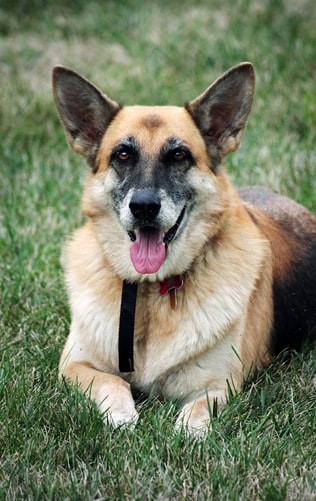
In order to take care of your German Shephard, train your GSD appropriately when to sit and run. Make him exercise, because it is essential for German Shephard to do all the necessary exercises to be lively. Give your GSD a nice leash that will look cool on him.
Make sure to feed your German Shephard a combination of wet and dry food. Give your dog a balanced diet after consulting your veterinarian. Give her puppy food in the young age, an adult food in her middle age and senior food is recommended in the older age for German Shephards.
Golden Retrievers are much like Labrador Retriever. This dog breed is known for its friendly nature, and astonishing abilities to be a work dog. Golden Retrievers are often used as the guide dogs. You can play with them which is why they are the best dogs for families and children.

To take all the care of her, make sure to keep the doors closed. Don’t allow her to put extra things in mouth . Brush her teeth twice a week. Make sure to clean her ears weekly to reduce any build-up.
Do not give human food to your Golden Retriever; keeping in mind the age of your pet, decide the foods. Give 1 ½ cups a day to the two-month-old puppy, 2 cups to a three-month-old puppy, 2 ½ cups to a four-month-old puppy.
Beagles are cute and even-tempered. Due to their abilities to sniff-out the enemies, you can use these dogs as hunting dogs. Beagles can protect your house from the enemies by guessing them even from a great distance. This breed of dogs quickly warm-up to strangers, which makes them an ideal choice as house pets.

To take care of your beagle puppy, make sure to watch out for breed specific disease. Seizure disorders, Hypothyroidism, Allergies, and Inter-vertebral disc diseases are very common in beagles. Spay or neuter your pet in order to take care of them.
As far as the feeding of a beagle puppy is concerned, you need to give 55 calories per pound of bodyweight to your puppy. Moreover, you can choose the diet keeping in mind the age of beagle puppies. A normal aged beagle does require meal 2-3 times a day.
Out of many dog breeds, bulldogs are the most obedient ones. They don’t require much space for their hard exercises. Those who has a small house and looking for pets, bulldogs are the best dogs for them because of their docile and friendly nature.

It is your duty to take care of your bulldog and never allow your dog to gain weight. If the abdomen of your dog is “tucked”, there is nothing to worry about. A fat bulldog will eventually loose tucked abdomen and there will be visible fat on the ribs.
Wash the teeth of your dog whenever he arrives home. Monitor the health of him once a week and make him visit your veteran. Make sure your bulldog doesn’t dehydrate. The best thing you can do to take care of your bulldog is to Desex him at the right age.
It is very vital to take care of the feeding of your bulldog. Give your bulldog the right dog’s food and if you want to change the brand, make sure to do it gradually. A 6-month-old bulldog requires food 2 times a day, and the one-year old bulldog requires food only once a day.
You can use Yorkshire Terrier as home pets because they are tiny and adorable. Because of their tiny size, your children will love spending time with Yorkshire Terrier. These are some of the dog breeds that are easily trainable.
Allergic persons can use them as house dogs (their coats, while not hypoallergenic, are less prone to shedding).

Bath your Yorkie 3-4 times a week. Yorkie’s hair grows rapidly, so to take good care of your Yorkshire Terrier, cut the hair frequently to make her look pleasing to the eye. You can also make a topknot of the hair, and she will look charming.
You need to vaccinate your Yorkie once in 14 weeks to make sure there is no disease or health-related issue. Microchip her after consulting a specialist and he/she can microchip your yorkie even without anesthesia.
Always allow your yorkie to drink fresh and clean water. The best thing about them is that they can eat any sort of commercial food without any special attention. The only thing you need to take care of is overfeeding. Don’t overfeed your yorkie, otherwise, the weight will increase dramatically.
Boxers are known for their loyal and playful nature. They have been given this name because of their inclination to stand on their hind legs, and they can box with their paws. Boxers are one of the most beautiful breeds of the dogs having all the intelligence in the world too.

Give your boxer a nice collar and a soft bed, so your pet can relax. There will be diseases from the teeth, so better checking the teeth of your boxer more often than not. Make them train according to your own requirements, so your dog can be a perfect pet for your house.
Make sure to only feed nutritionally complete meals to your boxer dog. The dosage of your food will eventually depend on the size and age of your puppy. Make sure to examine their feces once a week to get an idea whether the food is completely digestible or the boxers is having issues like constipation and diarrhea.
Out of all the dog breeds, they are toy-sized. Along with their intelligence, they do have a penchant for themselves. The meaning of this word poodle is “to splash about”. Children can lay with them as much as they want, and poodles won’t be tired.
To take care of your poodle, let your dog walk daily for one hour. If you have a nice yard or a garden, let your poodle walk in the garden. Brush your poodle once or twice a week. If the hair is long, cute them or brush them regularly. Give a proper atmosphere by placing a bed for your poodle.

Give your poodle a diet that is rich in calcium and protein. Pick the food that contain 1-2 grams of whole proteins. Choose a food that does have meat, vegetable, and carbohydrate filled rice. Get to know about the size and weight of your poodle to give appropriate portions of food at a time.
Here, we have described everything you need to know in order to pick a perfect dog for your home. When you select a dog for your house, better pick the suitable one and take care of all the needs and feeding of that dog with proper dog supplies.
Biography: I’m an expert as far as the dog breeds are concerned. I’m a dog lover and I have numerous breeds at my place. I’m a veterinary doctor by profession, and I know all the nitty-gritty about the feeding and diseases of dogs in particular.
Do you know if your dog, cat or rabbit is drinking enough water? Staying hydrated is something you think about for yourself, but your pets also need plenty of water. And if you have a puppy, kitten, guinea pig or parrot that’s reluctant to drink, keeping your pet hydrated can be challenging. Here are five tips for getting your pets to drink more water.
Thirsty? How about a nice glass of lukewarm water? Most people can’t stomach tepid water that has been sitting out, so it’s remarkable how many of us expect our animals to drink water in this state. Water that has been sitting out for hours tastes stale because the carbon dioxide in the air reacts with the water molecules. This causes a lowering of pH levels, which leads to a dramatic change in flavor.
Would you drink water that contained a dead fly? How about pieces of soggy food? Stagnant water is ripe for contamination, being a magnet for everything from dust particles to microorganisms. Bacterial organisms, from the tap water, the air, your pet’s mouth and paws, and the floor, can easily take up an ecosystem in a water bowl that is not regularly refreshed.
Do you like ice cold water on a hot day? So might your pet! While many owners leave room temperature water out for pets, it might surprise you to learn that many domestic animals prefer their daily drinking water cold. Try adding a couple of ice cubes, or use refrigerated water, to see if the icy water entices your cat or dog to drink more.
Some animals that are naturally playful, like cats, also enjoy batting at ice cubes in a bowl of water. Some birds, like parakeets, like shiny objects and may also find ice cubes entertaining. Turning healthy hydration into a game is a great way to encourage your pets to drink more water.
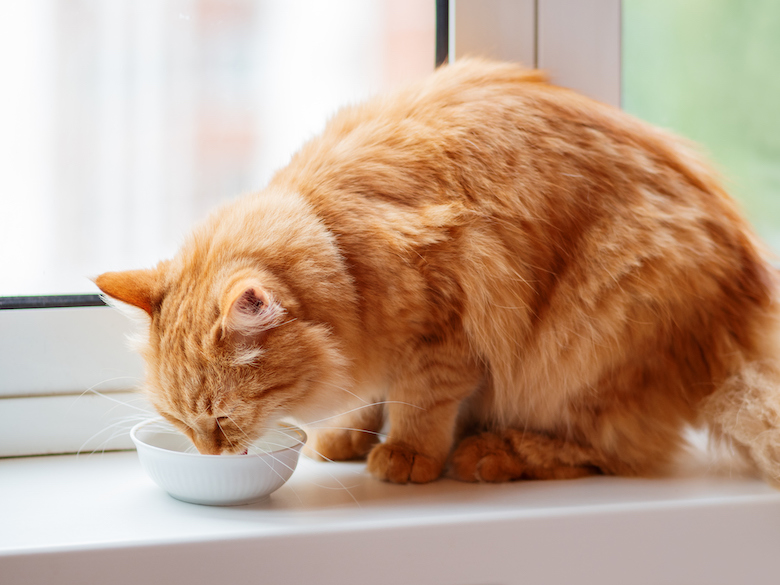
Cute ginger cat drinking milk from white bowl. Fluffy thirsty pet on window sill.
You don’t drink water that you don’t like the taste of, so why should your gerbil or gecko? While minerals can be beneficial, the specific balance of minerals in your water can alter the flavor. Chemicals can also make water taste bad to your pet. Consider using a quality berkey filter to filter out harmful and bad-tasting chemicals, bacteria and viral components from your tap water.
The difference in taste between straight tap water and filtered water can be dramatic, and you might be surprised by how much of a difference this makes in your pet’s interest in daily hydration.
Do you like lemon in beverages? Or fancy the occasional glass of cucumber water? Pets can enjoy fancy drinks too! Find out what fruits and vegetables are safe for your pet, and add thin slices of juicy, flavorful produce to their water bowls. The novelty may go a long way towards getting some animals to drink more.
This tip is especially useful for curious animals, and for those that can see colors. Many birds, like parrots, have very keen eyesight, and can see all the colors that humans see. Cats can see green and various shades of blue and purple, while dogs may be able to see some yellows and blues.
Before you try this, be mindful that some human foods are dangerous for animals, and can cause toxicity if consumed. If you aren’t sure what fruits and veggies are ok to give to your pet, consult a veterinarian.
Do you drink Coke with your potato chips? Most people need a beverage when consuming dry and salty foods. For some animals, eating a dry food diet may naturally increase their thirst. If you usually feed your pets wet food, consider a dry kibble to see if this makes a difference.
Wet food blends, however, especially for cats and dogs, can add a minimal amount of hydration to your pet’s diet, and many owners choose to feed canned pet foods for this reason. If you usually feed your pet dry food, you can try switching to wet to increase their hydration levels.
Another way to use food to get your pet to drink more water is by adding water to dry food. Some animals will happily consume dry food that is soaked in water, but not all will, so try this with a small amount of kibble first to see how it goes over.
As you can see, there are many ways to encourage a pet to drink more water. Whether you’re trying to up the amount of water your reluctant kitten consumes or you’re concerned that your fancy mouse may be dehydrated, we hope you found something useful here.