 Emma Thompson
Author Archives: Emma Thompson
Hi, I'm Emma Thompson. Welcome to The Pet Town! I'm a Pet lovers like you and please feel free to get in touch with any questions. Enjoy your stay!
 Emma Thompson
Author Archives: Emma Thompson
Hi, I'm Emma Thompson. Welcome to The Pet Town! I'm a Pet lovers like you and please feel free to get in touch with any questions. Enjoy your stay!
Caring for a dog who’s always itchy can be tough. Dogs can scratch, bite, lick, or chew on their paws, tail, eats, or fur constantly. And to be able to stop it finally, you need to find the cause.
A lot of dogs have multiple food allergies that could cause itching. Other also common factors include tick bites, dandruff, and dry skin. The worst possible cause for dog itchiness may also be an autoimmune disease.
A little bit of scratching around the paws or rump or ears is not a serious concern. So before you go to the vet, you can try the following home remedies. They will show you how to stop a dog from scratching finally.
If you’re looking for the best way, the following are the most effective on them all. They help prevent skin diseases, inflammation, and allergies.
Don’t forget to talk about your dog’s nutrition intake and general health with your vet. Such steps are important if you really want to know how to stop a dog from scratching finally.
This is the most popular and general solution of them all. Apple cider vinegar has its roots in human health for lowering cholesterol, blood sugar, etc. This delicious salad dressing has impressive antibacterial properties.
Add apple cider vinegar with water half-and-half in a spray bottle. And wherever your dog is scratching, just spray a spray or two in that area. Apple cider vinegar and water can be a soothing and calming solution for itchy paws.
Note – Just make sure you don’t apply this on open wounds or inflamed skin. If your dog has had some injury that he feels compelled to scratch. Take him to the doctor immediately.
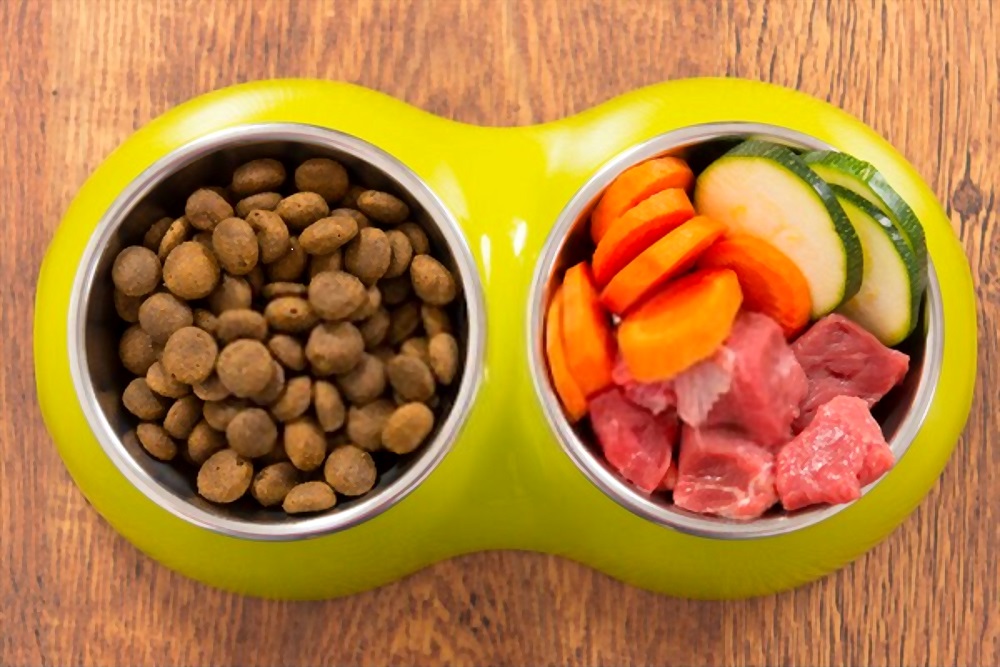
You won’t know for sure why your dog keeps scratching all the time. But one of the prevailing causes may be food allergies. If you’re feeding your dog a staple meal containing a dominating ingredient like meat. Well, then switch to something lighter or healthier.
There are plenty of special diet foods for dogs. Some containing plenty of antioxidants, fatty acids, and essential nutrients. Ask your vet what works for your dog’s constant scratching. And the food is the one effective way to ace how to stop a dog from scratching finally!
Symptoms of food allergies include dry skin, extremely oily skin, or red patches. Doctors don’t know exactly why a food allergy occurs in a dog. But there are safe and effective remedies to curb it. Be it probiotics, antihistamines, or other meds.
Note – Food allergies are serious and hard to address, even by vets. So it’s better not to make any sudden food changes without awareness. Make sure you switch to healthy ingredients if you want to step away from meat.
I don’t have to tell you the many health benefits of coconut. It’s available in powder, butter, milk, cream, and oil. Coconut oil feels good when you consume it and apply it to your body. For dogs, it has much the same effect. It’s good for digestion, heart, and allergies, bites, etc.
Look for really health-conscious coconut oil brands. Not just any shelved item in a grocery store. It’s important that the bottle mentions the terms “organic”, “unrefined”, or “cold-pressed.”
These are proof that the coconut oil you’re using is 100% safe and effective.
Just dab a bit of coconut oil on your dog’s coat. If he’s itchier around his ears or paws, don’t hold back.
Note – Too much of a good thing is never healthy, right? Apply very little coconut oil so as to not attract dust or dirt on the dog’s coat. It may be a remedying oil but it’s oil after all! It sticks and makes the coat greasy if you apply too much of it.
https://www.youtube.com/watch?v=aCC3opz7LWo
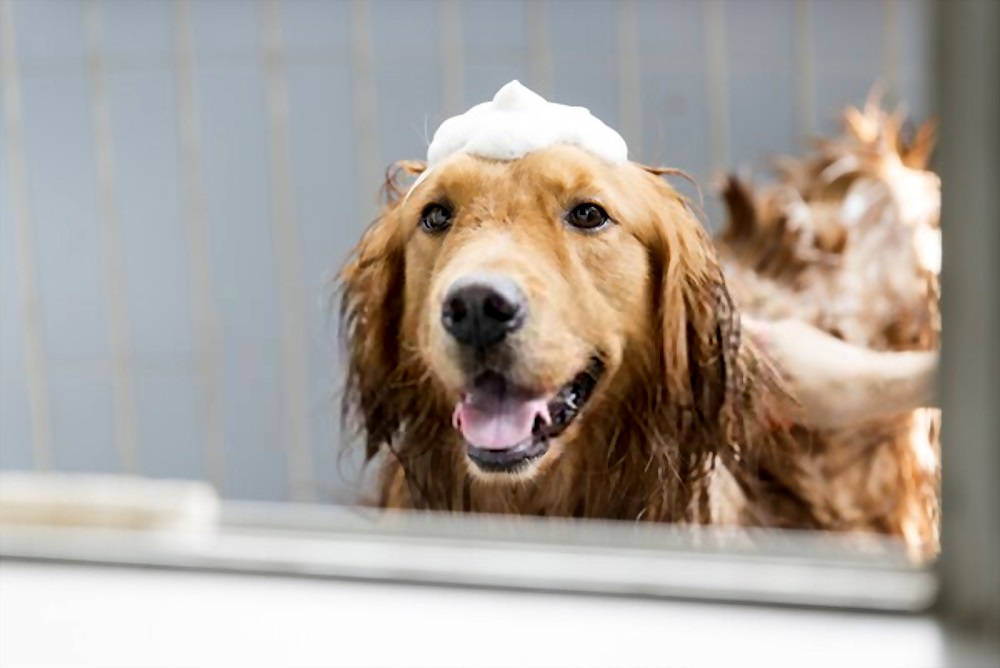
What you give your dog a bath with is as important as nutrition. There are plenty of foolproof and healthy oatmeal shampoos for dogs. That’s right; I said “healthy oatmeal.”
Oatmeal moisturizes and nourishes dry, itchy skin. It absorbs all the heat and inflammation to keep the skin cool and firm. Bathing your dog in oatmeal shampoo eliminates skin infections, eczema, and other skin issues.
Any dirt impurities, spores, or pollen that’s stuck in the fur gets washed right away. It’s stronger than most basic dog shampoo ingredients.
Note – If oatmeal shampoo is not accessible. You can buy plain oats and grind them in a blender. Add the oatmeal powder in hot water to create a paste. You can apply this paste on the itchy skin. If your dog licks the oatmeal off, that’s okay. Oats provide good nutrition too!
As powerful and effective as coconut oil, Aloe Vera is a revelation. It works wonders just as long as you buy a high-quality product. A lot of dog shampoos come with aloe vera extracts. Or you can buy it from any drug store or supermarket or even an acclaimed pet store.
It’s a healing agent for dry, itchy, and inflamed skin. If your dog’s paws or ear area feels warm and flaky, apply aloe vera around it. It really absorbs the heat and keeps the skin cool. If your dog’s skin is cool, there’s a chance he may forget about scratching, finally.
Note – Parabens and alcohol are dangerous compounds. And some mediocre cosmetic brands add that in aloe vera gel. So make sure you buy the alcohol-free and toxic-free kind.
From what I gather, your dog’s scratching can be a problem if it gets too much. Is there any loss of appetite, fatigue, sleeplessness, or any sudden mood changes? If the answer to any of these symptoms of yes, you need to consult with a vet immediately.
Studies have shown that dogs are also likely to scratch out of depression or boredom. If that’s the case, indulge in challenging and playful activities with your dog. Get him to jump through hoops around the house.
Dogs need a companion as much as you. And if they’re not comfortable in their own skin, they can be a nuisance. Giving them proper attention and care is essential. And that requires you to look for signs of discomfort such as scratching or licking.
And find ways on how to stop a dog from scratching finally. If things get worse, those few minutes of scratching can lead to a severe health problem. So don’t take any chances!
Let me tell you something. Having a dog pee in the house can be amazing, right? But where your dog pees is the main question. It’s a matter of how smelly and disgusting your home can get. Dogs pee everywhere if you don’t train them. The carpet, pillows, sofa, beg, you name it!
This article talks about how to stop a dog from peeing in the house. In fact, it’s the Potty Training 101 for every dog owner out there. So if you’re tired of living with the odor of urine in your home. Or you want to avoid dealing with stink carpets altogether. You should probably read this thoroughly.
Before I tell you how to stop a dog from peeing in the house. I want to talk about why your dog is still peeing in the house. This will be quick because it will help you understand the next step.

The simplest reason is that your dog hasn’t been trained. New dogs or puppies don’t know where to pee. They’re often confused and under a lot of stress in a new home. So peeing where they think the fit is often the only thing they do.
However, there’s more to inappropriately peeing in the house. It goes beyond the lack of potty training. Here’s why.
Sometimes, your dog may pee to communicate with you. Expressing a health concern such as Urinary Tract Infections. A vet will perform a simple urine check and you’ll know. Never get mad and yell at your dog for peeing in the house. It’s always wise to reach out for professional help. Rather than jumping to your own conclusions.
Anything from inflammation, bladder obstruction, or bladder stones may be an issue. So get it checked immediately if this abnormal peeing behavior persists.
Lastly, besides behavioral problems, there’s aging and incontinence. Senior dogs often lack the strength to go outside and pee. So they pee where they often rest or sleep or even feed. Other factors like dementia, arthritis, or kidney disease may also cause this.
You may also like: remove dog urine odor from yard.
Sometimes all your dog needs is a gentle reminder. Going back to basics and potty training your dog can be helpful. If your dog, after having been potty trained, continues to do this. Just repeat the steps you took when you first potty trained him.
This is if you’ve caught your dog peeing in the house multiple times. I don’t have to tell you that urine has a strong odor. And it tends to latch on to things even if you clean up properly. So if the smell lingers, your dog is more likely to pee in the same spot twice.
Removing the scent is a task but it can be a step towards changing your dog’s peeing habit. If your dog smells cleanliness and not urine, he may not pee in the house at all. It’s a tried and tested formula – you must give it a shot!
You can buy strong cleaning detergent. Like an ammonia-based or an enzyme-based one. It’s more likely to get rid of the urine smell than standard soap.
Many pet stores have spot cleaning agents to get rid of the urine odor completely. It’s worth a try if your dog is constantly peeing on your carpet. And there’s no way to get rid of the urine smell from it even after washing it a few times.
If humans can have a small bladder, why can’t dogs? The average, healthy dog pees at least 4-5 times a day. It’s also true that as the dog grows older, the longer is his capacity to hold pee in. But that’s not always ideal especially if you have a choice.
If you have the time or make the time to take your dog for a walk. Well, do it more often to keep your dog from peeing the house. Your dog may pee in the house to inform you of this. Don’t show aggression or beat your dog over this! It’s unnatural and irresponsible.
Instead, take more pee breaks by taking your dog out for a walk. Even if it’s just for 5-10 minutes each time. It has more benefits than an empty bladder, you know. A well-rested and happy dog is a great companion at home.
Your dog may act strangely in the house by peeing where he never does. This may be a sign of anxiety or nervousness or fear. Notice any sudden changes in and around your home. Have you moved some furniture around? Is there some kind of construction going on? Is there a new dog right next door?
Dogs pee when they’re anxious. I mean, that’s why so many dogs and cats pee while getting bathed. It’s new, they hate water unless of course, your pet loves water, and so they pee. Maybe they pee directly on you while you’re giving them a bath. This isn’t conjecture, it actually happens!
So the best thing to do is to reduce or eliminate the triggers. If it can’t be helped, resort to the third step which is to take your dog for walks or pee breaks more often. Or you can also re-train your dog how to potty train and always remain patient and humble. Shouting or hitting them is terribly wrong!
It’s not easy taking care of a dog. But with the best pet guide and training tips, it could get easier. This article teaches you how to be observant and present. Your dog’s life is wholly dependent on yours. How you take care of him, feed him, and treat him.
If your dog’s struggling with urinary issues, they express not in words but in actions. And that’s probably why they pee in the house even after being potty trained. So to know how to stop a dog from peeing in the house, you’ve got to know why.
This article is the only place you need to look at. It caters to all your concerns and questions regarding dogs. And how to solve their peeing problems in a natural and anger-free way. Because let’s face, anger doesn’t solve anything! Let alone teach your dog to stop peeing in the house.
When we think of pet accessories the first thing that comes to our mind is probably collar and leash, however, there are so many useful accessories that can be of great help not only to pets in their everyday life but also to pet owners as well. From getting to choose the right food and water bowls, to making a comfy resting place for your pet, there are various accessories that can make life with your pet more fulfilling.
Cats and dogs are very famous for having their favorite spot or even a couple of different spots sometimes. One of the very useful accessories is a bed pillow. Placing it on their favorite spot is a very effective way of providing a good, and probably, a favorite resting place for pets. When purchasing bed pillows for your pet, one of the first things you should watch is the material. Is it washable? Can it be detached for washing or does it emit or absorb heat? These are all factors which will make life both for you and your pets easier and also you can save some budget.
Like humans, pets also need some recreational activity and entertainment. Chew toys are a very good choice, because not only it keeps your pet active and entertained, it can also help them form a good jaw and jaw strength. This is the so-called famous chew and bite phase for every dog owner. By chewing, animals form and strengthen their jaw from puppy to adult stage and nowadays toys can certainly help them to form and develop their body properly. Speaking of collars, there are many great looking collars, but if we are looking for good collars for spring, the first thing we should consider, once again, is material. It has to be both cold and rain resistant.
A chain collar is something that should be avoided during this season, especially cause of the rain and moisture. As a material, it gets cold real quick, especially when it gets wet. Although leather by itself is not water-resistant, there are many ways nowadays to make it almost fully water-resistant and naturally, most of the pet collars are not only resistant but also very comfortable. You should always check the label before purchasing, but leather is definitely a better choice for spring. If it is less rainy, then cotton is also a very good choice and it gives more fashion options as well.

One of the best things that you can afford for your pets is good protection from insects in the form of a collar. They have developed greatly in the past few years. Not only most of them are quite water-resistant, which is very important in rainy spring, but they also give necessary protection against insects and all the diseases they carry. Spring is famous as a period of rebirth. From famous hearth-worm to ticks, combining your collar with good protection is a must in order to avoid harmful consequences and unfortunately sometimes even deadly.
Naturally, spring is also a season in which grooming becomes a necessity for pets. In order to decide what type of comb to buy, first, we need to check what type of hair our pets have. There is usually both picture and description included on the label of the product which can give us a good direction. However, the comb is not the only accessory that can be used in this situation. For grooming, some additional tools can also be quite helpful and functional. Tools such as a low dryer, conditioning spray, and shampoo. There are also nail clippers and scissors made for pets.
Aside from functionality, the most interesting part when it comes to dressing your pet is making them more fashionable. Spring is a season in which everything wakes up and what better way to match it than with some bright colors. From floral collars to floral hoodies and sweaters. Looking for something to match with your pet on rainy days? How about a transparent raincoat in a combination with a transparent umbrella? Or perhaps tiny yellow raincoats with some leather identification tags? Leather jackets can also easily transform into matching clothing with their owners.
Early spring can still be cold, which gives a perfect opportunity to dress up your pet in some lovely bandanas or even tiny scarfs. There are also pet bags that give you the opportunity to wear them on your back which can also provide some additional warmth protection from cold and winds. When it comes to jewelry, first we need to check with the vet if a pet has any allergies to certain materials. Shinny materials tend to attract pets to bite, chew and scratch, making it unusable after some time. Make sure to check if it is harmful to your pet in case of incidental swallow of jewelry, however, jewelry, in general, is something that is better to be avoided, especially for first-timers.

A dog wears a bow-tie collar from the Vancouver-based brand Danes & Divas. Credit: Marissa Rocke Photography. [PNG Merlin Archive]
Dressing your pet and adding accessories can be a fun, rewarding and enjoyable experience, however before choosing your accessory always think of their functionality and their material first. Always question how it can improve your pets’ everyday lifestyle. If it is functional, aside from being fashionable, then it is definitely worth buying it.
If your fur baby is suffering from an ailment or disease for a long time now, you may be interested in trying anything that would help your pet feel better. One new approach to medication that you might have encountered is medical marijuana. If you already know of people who give CBD products to their animals, you might ask if cannabis is a safe, viable solution for your pet.
To give you an insight, here are the five benefits of CBD products for pets:
In 1997, research presented in the European Journal of Pharmacology found that our endocannabinoid system is actively involved in pain management. Now, CBD has become recognized for its analgesic effects. Findings also show that CBD products for pets can momentarily prevent the uptake of anandamide that dampens the pulses of pain to the brain. CBD is also said to be a powerful anti-inflammatory agent, and by minimizing inflammation caused by conditions like arthritis, CBD can also relieve pain symptoms.
A better known medical use of CBD would be its capacity to suppress epilepsy, muscle spasms, and twitches as CBD is an organic anticonvulsant. Headlines of CBD’s natural anticonvulsant characteristics first became known in 2013 when an epileptic girl caused a stir all over the world. The abrupt, uncontrolled shooting of neurons in the brain triggers seizures, and initial research suggests that CBD can help maintain order to all these synapses to prevent seizures from occurring.

As previously mentioned, CBD is best known for its anti-inflammatory properties, which is one of the primary reasons why this compound is precious in the treatment of a variety of ailments. The anti-inflammatory impacts of CBD are related to its ability to connect with immune cell receptors. CBD comes in contact with CB2 receptors inside immune cells, and by triggering these receptors, CBD will evoke a broad range of immune functions, one of which is to combat inflammation.
CBD helps not only with physical ailments because many findings have shown CBD can help ease symptoms of several mental conditions. Like people, cats and dogs can also suffer from anxiety, fatigue, or even phobias. CBD may work by momentarily boosting the levels of serotonin in the brain to provide anti-anxiety and antidepressant effects while reducing stress.
Vomiting and nausea are common ailments that may arise from a particular illness or could also be induced by therapies or drugs like cancer treatment. There are many antiemetic medications, and many are commonly used to treat pets. Still, these medicines, although often helpful in managing nausea and vomiting, can trigger a vast array of adverse effects, such as hypotension, strong sedation, and excessive drooling. Meanwhile, CBD is a potent antiemetic by stimulating 5-HT1A receptors to reduce nausea and vomiting without side effects.
CBD products are one of the many treatment options that you may want to take into account for your companion animal, whether they have ailments such as anxiety or more severe illnesses that do not seem to get better. Never assume medical marijuana to be a miracle cure, but CBD could bring your pet on the right track to recovery. At the very least, CBD will help ease many of the discomforts of your pet and make things easier for you and your fur baby while assisting them to live a much more enjoyable and healthy life.
Goldfish are easy to keep, but they still have some requirements and need special goldfish care to be healthy and happy.
They are tiny fishes, with great colors that are a pleasure to watch wondering around their tank. But that is not the only reason why they are so popular.
People keep goldfish as pets because they are not high maintenance, are inexpensive, and live a long time. You don’t have to worry about walking them, or that will destroy your home. Besides, having an aquarium with fish can reduce your anxiety. It’s relaxing to watch them gliding throw the water. They are great companions. Having a tank with goldfishes will help you feel less alone, and they will entertain you. Now that we have seen why they are so popular among pets range, let’s find out more about their maintenance.
You may be tempted to believe that a bowl will be sufficient for your goldfish, but this it’s not true. They need enough room to grow and swim. Common goldfish can grow up to 8-10 inches, so their tank must be adequate for their final size.
The tank should be at least 4 feet long and with a volume of 25 gallons for the common goldfish. If you have more than one goldfish, you should add to this volume an extra 10 gallons for each additional fish. A bigger tank will also help you keep the water clean for a longer period of time.
What you should keep in mind it’s that it didn’t exist a tank too big for your goldfish. We presented you with the right minimum size, but depending on your room and budget, you can go bigger. The bigger it’s the tank, the better it will be for your goldfish.
The best goldfish tank requires some special conditions, depending on their characteristics.
They are cold-water fish, so they do not require a heater. Their water temperature should be between 62 and 72 Fahrenheit degrees. You can see the water’s temperature using a special thermometer.
Goldfishes love soft water and this means that the alkalinity should be higher than the acidity. The water PH should measure between 7.0 and 7.4.
They love plants, and you can choose fake ones or real ones. If you choose real, you must make sure that they are adequate for them and take into consideration the water temperature and PH to make sure that the plants will survive in the tank.
The water should have an optimal oxygen level, and for that, you can use an air stone or air pump. This will keep your goldfish healthy.
To keep the tank clean, you can use a biological filter that will help you keep the water free of debris. You can also add a special fish that are bottom feeders and keep the tank clean. An example of this type of fish it’s plecos or cory cats, that survive in cold water and can be added to your goldfish tank.

Goldfish can be fed two times per day with presoaked food. You can get a plastic cup with aquarium water, and swirl the food in it before you give it to your goldfish. But let’s see what you can feed your goldfish. Exists on the market special formulated food for goldfish that has a lower concentration of protein and more carbohydrates than normal fish food. They need less protein because they have trouble digesting a higher amount of protein. You can choose pellets or flake forms or both if you want to give your goldfish variety.
The average life span is between 5-10 years. You can prolong the life of your goldfish by taking the right care for it and the tank environment.
Goldfish are social, and they love the presence of other fish in their tank. However, not all fish can live with goldfish because every type of fish has different needs. As I mentioned earlier, bottom-feeder fish such as plecos or cory cats can live with goldfish, and as a bonus, it will take care of the cleaning department of the tank.
But they are also other types of fishes that can live with the goldfish: white cloud mountains minnows, danios or gold medaka.
Goldfishes make extraordinary pets if you pay attention to their low-maintenance needs. It’s a pleasure to have a tank in your house and relax, watching the colorful goldfishes activity in the tank.
Since he was ten years, Tim, writer at SMK Blog (sellingmykidney.com), enjoy fishkeeping. He starts with a 10-gallon tank with betta fish before he moves to a 100-gallon tank where he keeps his betta with turtle, goldfish and some guppies.
Having pets in your home can be an absolute joy, but there’s no getting around the fact that they can shed hair that gets everywhere. If you’ve been struggling with ways to remove pet hair from furniture, floors, and your clothes, you can check out our useful tips below.
You can also learn about some handy tips on how to prevent your dog or cat from shedding so much air in your home. By the end of this post, you’ll be able to have an easier time keeping your home clean while enjoying time with your pets.
When it comes to getting rid of pet hair from carpets, we recommend using a rubber broom. Rubber brooms can make it a lot easier for you to remove pet hair that has become lodged deep down in carpets and rugs.
Once you’ve used the broom to dislodge the more stubborn pet hairs, you can gather it up and dispose of the hair into the trash. After using the rubber broom, you can grab a vacuum to start sucking up the smaller pet hairs.
Powerful vacuums will be able to reach deeper into carpets to suck up smaller pieces of hair that brooms can’t access as well. While vacuuming your carpets, be sure to go over areas multiple times and use varying directions.
This is the best method to suck up the pet hairs that are extra stubborn and stuck on the fibers of your carpet. Ideally, you’ll want to use a vacuum that comes with a HEPA (High-Efficiency Particulate Air) filter as they can target the microscopic pet hairs so that you can achieve a deeper clean. This is a huge benefit for people suffering from allergic reactions to dogs as there are fewer microscopic hair particles to agitate you.
According to SpotlessMag, these are the most important things to consider if you plan to buy a pet hair vacuum:
As far as hardwood, laminate, and tile floors go, using a microfiber mop would be a great option. Microfiber mops work more effectively than regular mops because they’re able to capture more hair rather than push it around.
You may also opt to use a wet mop to remove pet hair from hard floors. Damp mops are excellent for picking up pet hair and ensuring that there’s none left on the floor afterward. Damp mops are also simple to use as all you need to do is rinse the mop with water to remove the collected pet hair.

The rubber glove method is a super popular and effective way of removing pet hair from your upholstery furniture. It involves putting a rubber glove on and making it damp with water. You can then rub your hand across the top of your furniture to collect pet hair.
You may be surprised to discover just how much pet hair a damp rubber glove can attract. When the glove is full of pet hair, you can simply rinse it with water and continue the process until you’re happy that your furniture is clean.
For quicker spot cleans to remove pet hair from furniture, using a dry rubber glove can also be an effective cleaning method. Some people also use a fabric softener to spray onto their upholstery before using a cloth to wipe the surface clean.
To remove pet hair from wooden furniture, you can use a special dusting spray or furniture polish. Spray down the furniture and use a soft cloth to wipe the surface to pick up the pet hair.
Special dusting sprays, such as anti-static ones, get rid of the electrical charge which makes it super easy for you to remove pet hair with a cloth. Not to mention, spraying furniture with these types of sprays is a great preventative solution to stop hairs from sticking so easily.
When you’ve got ready to leave the house in the morning, it can be frustrating to see that your clothes are covered in pet hair right as you’re about to step out of the door. An easy remedy for this is to keep a lint roller handy and in a place that’s easy to access at the front door.
Lint rollers are an incredibly quick and easy way to remove pet hairs from your clothes to make sure you look presentable. It would also be a good idea to stock up on multiple lint rollers because nothing’s worse than trying to use a lint roller that’s completely covered in pet hair.
Using lint rollers are great for quick pet hair removal, but for the cases where your clothes are covered in a ton of pet hair, you may need to resort to putting them into the dryer. You can put a dryer sheet into the machine along with your clothes so that it attracts more of the pet hair from the clothes that you want to wear.

One of the best ways to prevent your pets from shedding an excessive quantity of hair in your home is to regularly brush them. Ideally, you’ll want to groom your pets at least two times per week.
After just two brushes a week, you’ll notice a huge difference in how the quantity of hair that they shed is reduced. It would also be a good idea to brush your pet outdoors to make sure that the excess hair doesn’t shed in your home and give you an even more difficult cleaning job.
Now that you know more about some of the best methods to remove pet hair from your clothes, furniture, and clothes, you can begin to implement the aforementioned tips to make your cleaning tasks a breeze. You can make your cleaning jobs even easier by brushing your pet at least twice a week and ensuring that they shed much less hair.
Hopefully, you can use the information in this post to enjoy spending more time with your pets and less time stressing over how to clean up their hair.
Man’s best friend has always been seen as an animal with a huge heart. They’re loyal, loving, playful creatures who are always happy to see their protective owners. It’s been proven once and again how beneficial dogs can be to human physical and emotional health. But dogs of any age and breed can develop serious heart problems. The good news is that there are many ways to help prevent and treat heart disease in dogs.
Firstly, to understand how to spot heart disease, it is vital to know what heart disease is and how it can manifest itself in our furry friends. The heart is the most vital of vital organs, pumping nutrient and oxygen-filled blood around the body to the other organs. Heart disease in dogs occurs when one of two different conditions strikes, ultimately decreasing the effectivity of the heart.
The two conditions are the following:
Fortunately, these diseases can be helped with lifestyle factors and sometimes medication, such as a dog heart supplement. If you think your dog could be at risk of heart disease, do not despair. Once you have the right information and treatment from your vet, he or she can continue to live a healthy, happy life with a heart condition.

Unfortunately, there is no single known cause of heart issues for dogs. Various aspects of a dog’s life and even genetics can contribute to heart problems. The following are some of the most common factors influencing a dog’s heart health.
● Nutrition – It is vital to ensure your dog has a balanced diet using top-quality dog food. Cheap dog foods lack several key nutrients that aid in the development of a healthy heart.
● Aging – Heart conditions are more frequent in older dogs.
● Body Condition – The breed of dog is important to consider when discussing heart issues due to their size. Smaller and larger breeds, as opposed to medium-sized dogs, tend to be more likely to experience heart conditions in their lifetimes. Additionally, the weight of your dog is fundamental to a healthy lifestyle. Overweight dogs are also more prone to heart disease.
Heartworm disease is a serious condition that can be fatal. Spread through mosquito bites, heartworm is a parasitic worm that fully develops inside the dog within their heart and lungs. It can cause lung disease and heart failure. Preventative measures are highly recommended by vets.
Although it can be difficult to tell if a dog has a heart condition, there are certain symptoms to be on the lookout for. There are also tests that can be realized by a veterinarian.
The main symptoms that you should look out for at home are:
● Fatigue, lack of energy
● Fainting or collapsing
● Breathing difficulties
● Coughing
● Reduced appetite or weight changes
● Changes in tongue or gum color to a bluish-gray
● Pacing before bedtime
● Swelling in the abdomen
● Reduced ability to exercise
Some of these symptoms may be seen early on whereas others will only develop as heart disease worsens over time.
When you decide to see a vet, it is vital that you inform them of all of their symptoms. You should also mention any lifestyle changes that your dog has undergone in recent weeks or months. Medical professionals should be well informed so that they can decide on the best course of action.
Tests that a vet can perform to identify heart problems include:
● Listening through a stethoscope for murmurs or fluid in the lungs
● Checking for an unusual pulse or palpitations
● X-rays to check the size of the heart for enlargement
● EKG to identify heart rhythms
● Blood and urine tests
Remember, even if your four-legged pal shows signs of heart problems, it is likely not to be life-threatening. With the proper nutrition, exercise, and occasionally medication, he or she will probably continue to be by your side for a long time.
For many of us, our dogs are a member of our family. They are there during the best and worst times of our lives, and they inexplicably make life a little easier. The thought of losing a member of your family is terrifying to all dog lovers, but unfortunately, it is a tragedy many people face.
When you are going through such a difficult period, you want to know you are doing everything in your power to bring your baby home. You want to be sure everyone you know is keeping their eyes peeled and that people in your community can contact you if your animal is spotted. Read on to learn about the best websites to help find your lost dog.
Shadow, which is currently active in New Jersey, New York, and Los Angelos, has helped reunite 2,000+ lost dogs with their families. The idea is, the more individuals looking out for your lost pet, the better chance they will be found!
The app is useful for individuals who have lost their animals but also for people who find a lost pet. Once you download the Shadow app, you upload the picture of your lost or found pet. Shadow then creates a personalized action plan for you to follow. They will create a flyer for you to print and post around your community. Volunteers will then take your photo and start searching shelters in your area and provide you with updates throughout their search. Shadow volunteers understand the heartache that comes when a piece of your heart is missing and they will do everything in their power to make sure your pet is returned home safe.

PetFBI has been helping reunite dogs and their owners since 1998. It was one of the first web-based databases for lost pets connecting owners with good samaritans who find dogs alone on the streets. There is no fee for “owners” and “finders” to contact one another as the organization is non-profit.
When searching, you can search your specific zip code and then can pick a radius to include depending on how far you think your dog has wandered. You can edit your report at any time and will get automated email alerts when a pet has been found in your area that matches your animal’s description. Many shelters work with PetFBI directly, so it’s likely if your animal has been picked up, they will be registered as a lost dog on the site. If you are concerned about your privacy, you do not need to include your name while filing a report. Include a way to contact you and the community will know your pet may be in the area.
FidoFinder offers an extensive searchable database. FidoFinder is similar to PetFBI in that it is a platform where owners can post information about their lost dog and be alerted when matches are found. With FidoFinder, you can be proactive and pre-register your dog as “safe.” The benefits to this pre-registration are that you do not have to worry about filling out your dog’s information when you are in a panic, you can switch your dog’s status from “safe” to “lost” and let FidoFinder take care of the rest. Second, FidoFinder will provide you with a dog tag you can put on your dog’s collar that will link to the website and give the individual who finds your pet another way of contacting you. FidoFinder also allows owners to post rewards for lost dogs to increase an owner’s chances of bringing their pet home safely.
When you lose a member of your family, time is of the essence. You must have a plan in place for this terrifying situation so you can keep a clear head and take the proper steps. Harnessing the power of the community with Shadow, searching shelters with PetFBI and preregistering your dog with FidoFinder are all great ways to increase your chances of finding your lost dog who wants to be home with you!
Nobody tells you this but sleeping with a puppy is tough. You have to be careful so as to not wake your puppy up. You have to be as careful as if you have a newborn baby sleeping in your room. And finally, when your puppy sleeps through the night, it feels like a victory.
So how do you get your puppy to sleep through the night? Before I answer that question, do you know why your puppy is not sleeping well? This could be why.
Puppies need time to develop the self-control for potty training. They either have to hold their pee in until you take them out for a walk. The older your puppy gets, the longer she can hold her pee in. For example, a 3-year dog can hold her pee for 3 hours, 4-year old for 4 hours, and so on.
However, during the night, puppies are unaware of such bathroom breaks. And so they pee whenever they feel like. Either waking you up so that you take her out into the yard. Or compel you to clean up the mess at home itself.
Simply said, they’re just not tired! Puppies are quite excited and playful. So their up-time can beat their down-time. However, if they sleep way too much throughout the day. This could mean they’re up for longer through the night.
You need to maintain a healthy balance between snoozing time and playtime. If that doesn’t happen, all the pent up energy would cause anxiousness and insomnia in your dog. Forcing them to stay up and become stressed.
Separation anxiety rings true for puppies. Especially if it’s only been a few days since you brought them home. They’re not accustomed to this new environment. And if they had other puppy friends back in their old home, it could get rough.
New puppies sometimes cry or whine when they’re lonely. The best thing to do is to comfort them or give them a toy to chew to change their mind.
Once you know why your puppy is not sleeping through the night. These steps will help you help your puppy. They’re simple, effective, and don’t require any sort of medication! Just do the little things that could possibly make a difference. And if still, it doesn’t change, take her to a vet.

Sometimes all puppies need is more excitement and challenges. If you’ve adopted a high-energy dog, this could prove useful. Keeping a puppy’s mind and body engaged for at least 60-120 minutes a day is essential.
If you’re not around during the day to do that, keep a dog nanny. Yeah, that’s right! Someone who could take care of your pup and make play-time more physically and mentally engaging.
This will completely tire your pup by nighttime. And who knows, she might snore louder than you!
Want to know how to get a puppy to sleep through the night? This is one of the best things to do. Making sure their bladder is empty before sleeping. I mean, don’t you pee first before sleeping? A full tummy won’t ever let you sleep. And puppies poop and pee round the clock.
So you can make it a daily routine for your puppy. Take her for a walk around your block every night before going to bed. Not only will this potty train your puppy, but she’ll also be exhausted by the time you come back home.
On days you don’t get to see your dog till late at night, make sure you’re calm. Puppies pick up on their parent’s energies. So if you’re calm, your pup will stay calm. If you’re extremely excited or agitated, ditto!
Ensure a calm and cozy environment for your puppy to sleep in. But not directly before sleeping as if switching off the excitement plug. Gradually, over the course of 2 hours, give in to this method. You’ll notice your puppy relaxing and getting ready for bed too.

Pets tend to sleep less when they’re around their favorite parent. So purchasing a crate for them to sleep in is ideal. You’re not around to watch her sleep. And she’s not looking at you puzzled or excited as well.
Make sure you cozy up the crate and keep it comfortable. So comfortable that you’d want to sleep in it. However, keep the crate close to you so your puppy feels at home.
After a few months, if you’d like to keep a dog room, you can move the crate to that room. It’s essential and important for your dog to learn how to be alone at home. This could be the first step in that direction.
If your pup, in spite of emptying her bladder before bed, is uneasy and not sleeping. You might have to adjust a little a bit. This means waking up to take her outside just to pee or poop. And the best part about this is that your puppy will wake you up. All thanks to the potty training you’ve been giving her before going to bed.
So you calmly take her outside and let her do her business. Then bring her back in, give her a pat on her head, and snooze. Trust me this works wonders! Just don’t excite your puppy when you’re taking her out. It’s not play-time, it’s pee-time!
Make sure you use the phrases “good girl” and “such a good dog” after she pees and poops. It’s rewarding for your puppy to hear these kind words said gently. And it’s the best thing to do for potty training. You could also sneak in a treat or two if you’re really proud!
Learn to be a responsible, compassionate, and empathetic pet parent. These qualities go a long way to keeping your puppy healthy and happy. And if your puppy is happy, so are you! Surviving the first night with your puppy is hard enough as it is. They’re lonely, confused, and scared.
But these tips will keep things smooth and comfortable. For you and the new puppy in your home. Learn these simple steps on how to get a puppy to sleep through the night right. It’s not that hard once you know the basics of how to care for dogs.
In case you missed this, calculating how much to feed a puppy is never easy. There’s much at stake here. For starters, what kind of puppy food are you in for? What breed of puppy are you adopting?
As you start answering the first set of questions, others follow. Such as do you want wet or dry food or both? If so, how much wet food can you feed your puppy in a day? And how much dry food on the same day? What is the right kind of nutrition for puppies?
I know this can be a bit overwhelming. But with help from your most trusted veterinarian, you can scratch off most questions. And if you want to dig a little deeper, this article should come in handy.

If you’re relying on your pet store to give you something concrete, don’t. Every pet-food shop is overloaded with tens of food options. There are many different ingredients and flavors to buy. Different blends for specific purposes such as digestion, immunity, metabolism, and sensitivity, etc.
In that, you have wet dry with gravy or jelly, dry food kibbles, and puppy treats.
For a first-time puppy owner, this can be intimidating. And you’d rather not buy anything at all on your way out of the pet shop. Rather than buy food that’s completely wrong for your puppy’s nutrition and well-being.
Every puppy, no matter if they’re the same breed, is unique. Your puppy may or may not be sensitive to some kind of ingredients. And having another puppy parent telling you that it’s okay to eat this-or-this food, is not okay! You must talk to your vet about your puppy’s food habits.
You can look at your puppy’s feeding habits based on the following factors.
Puppyhood can last for up to a year. But that’s not enough to determine how much to feed a puppy. You must go beyond that.
This is the first stage of puppyhood. The puppy needs proper nutrition for growth and sustainability. This means special puppy food and not adult food. Puppy food contains all the essential nutrients for strengthening and growth.
For an average puppy, feeding 4 times a day is sufficient. You can start by feeding your puppy wet food as that is easier to digest. This gives your pup enough nutrients and prevents them from going hungry.
This is when you start feeding your puppy dry food. If it’s a small breed, take your time introducing kibble into your pup’s wet food. If it’s a large breed, you can switch without worries.
Dry food has more carbohydrates than wet food. So you can reduce the feeding from 4 times to 3 times a day. In this stage, most puppies get a trimmed potbelly. The pudginess usually melts away after 12 weeks.
4 times a day is more than enough to sustain your pup’s nutrition and growth.
This is the last stage of puppyhood. Your puppy is active, interactive, and quite playful by this point. If you plan on spaying or neutering your puppy, expect a drop in energy.
This is when you must introduce your pet to adult dog food for maintenance. Your pup has all the nutrients it needs for growth and development. Make sure you don’t overfeed your puppy food as that may cause weight gain.
Puppy food contains high calories, micronutrients, and protein. This gives your pup enough nourishment for better health and development.
It’s not enough to know the frequency of feeding. You need to know the exact time and quantity of food. So as to keep up your puppy’s growing needs and energy levels.
This is where you’re feeding your puppy wet or jelly food. Some pet owners soak dry kibbles in water until it’s soft. And there are some who buy semi-moist food with crunchy bits of kibble for the puppy to chew through easily.
1/2 cup of puppy food or kibbles is the ideal amount per meal. The first stage is the easiest of them all. Since you’re feeding your pup 4 times a day. You can spread it over a few hours between each meal. So that’s early morning, afternoon, early evening, and night.
This is when you switch to adult food. If you soaked the kibbles during the first stage, this should be easier for you. Adult dog food is thicker and offers a dog a complete diet and nutrition.
3/4 cup of adult dog food is essential per meal. This is where you have to observe your puppy’s eating habits. How often he/she becomes hungry and demands food? How active he/she is? When he/she sleeps?
We often look at a puppy’s weight chart to determine the right amount. This is to prevent weight gain and other digestive issues. Also, it depends on what breed your puppy is. A smaller breed needs less food than a large breed. This also affects how much to feed a puppy.
However, from the 6th month, things start to change. You can feed your puppy 3/4 – 2 cups of food per meal.
Weight indicates feeding. This has been true for all dog breeds whether small or medium or large.
Here’s a quick puppy feeding chart to swear by.
No matter what you do, never leave the food down. Give your puppy 10-15 minutes to eat. This sets a fixed feeding routine for your dog. Overfeeding, especially during puppyhood, can lead to obesity and other problems. It may also trump your puppy’s natural growth.
If you plan on doing more feedings per day, please consult with your vet. Most puppies eat 3-4 times a day and they as grow into adulthood, 2 times per day is ideal. This is enough to keep any puppy active, energetic, and playful all day.
In the case of tummy aches, vomiting, or lack of appetite, you must see a doctor. You can also change your puppy’s food because you never know what your pup is sensitive to. All that being said, keeping your dog healthy and happy is a priority!