 Lisa Thompson
Author Archives: Lisa Thompson
 Lisa Thompson
Author Archives: Lisa Thompson
When a canine presents with abnormally elevated blood calcium levels, it is imperative that their veterinarian conducts a detailed diagnostic investigation, including testing kidneys, adrenal glands and parathyroid glands to establish health issues.
Initial treatment for hypercalcemia involves replacing fluids to address dehydration and improve kidney function. Drugs like phosphate binders, diuretics and prednisone may be administered to reduce bone resorption while increasing urine excretion.
Dogs suffering from hypercalcemia have an elevated total or ionized calcium concentration above physiologically normal homeostatic levels, disrupting biological activities that normally take place within cells, tissues and organs.
Hypercalcemia may present itself with either no visible symptoms or with noticeable ones; typically the dog will become lethargic and frequently urinate (polyuria). Hypercalcemia also has detrimental effects on kidneys by altering calcium-phosphorus balance; this imbalance may result in calculi formation causing pain and discomfort for patients as well as intestinal distress with vomiting, nausea and loss of appetite as a consequence of its presence. The heart may become compromised with arrhythmias occurring.
Idiopathic hypercalcemia in dogs with early signs of organ dysfunction typically has an excellent prognosis and treatment options include restricting calcium intake and increasing calcium excretion via urine. Patients treated for their condition typically enjoy normal quality of life and survival rates.
Malignancies such as lymphoma, thymoma and histiocytic sarcoma have been associated with humoral hypercalcemia of malignancy due to secretion of parathyroid hormone (PTHrP), which increases calcium synthesis and release. Measurement of intact PTH, free ionized calcium and 25-hydroxyvitamin D can be helpful in differentiating between this cause of hypercalcemia and others.
Other conditions that can contribute to hypercalcemia include gastrointestinal ulcers, hyperparathyroidism and renal failure. If these disorders go untreated in time, they will likely lead to severe and persistent hypercalcemia.
Hypercalcemia may be triggered by medications including cholecalciferol-containing rodenticides, calcitriol, glycosides and certain plants such as Cestrum diurnum (Day-blooming jessamine), Solanum species or Trisetum flavescens. Furthermore, hypercalcemia has also been observed in horses suffering from granulomatous disease due to production of vitamin D by macrophages.
Diagnosing hypercalcemia requires extensive diagnostic testing. Laboratory tests should include a complete blood count, biochemical panel, electrolytes and complete blood chemistry screen including renal panel. Blood urea nitrogen (BUN), creatinine and BUN should also be measured. Hypercalcemia in cats may become fatal if kidney or gastrointestinal dysfunction develops; in these instances prognosis remains uncertain but treatment such as hydration, diuretics and bisphosphonates can extend patient quality of life and prolong survival.
Hypercalcemia is an electrolyte abnormality which can result from many diseases and conditions in dogs, often including dehydration, heart failure and neurological problems. Unfortunately, treating this condition can be extremely challenging and even fatal in extreme cases; therefore if your pet exhibits any signs of hypercalcemia you should seek veterinary advice immediately.
High calcium levels can force the kidneys to work harder than necessary, leading to dehydration and appetite loss. Furthermore, this imbalance may interfere with your nervous system causing confusion or even coma if left unchecked; additionally preventing the liver from filtering waste out of your system.
Dogs that have high calcium levels may suffer from swollen abdomen or constipation. Additionally, this condition may create issues in their digestive tract, kidneys, bones and cardiovascular system.
The gastrointestinal tract may become inflamed and ulcerated, leading to vomiting and diarrhea. Meanwhile, kidney inflammation can reduce glomerular filtration rate and increase renal tubule dysfunction; calcium may precipitate within kidney tissues leading to mineralization or urolithiasis of tissues while bone weakening can occur due to decalcification, making them very dangerous.
Cardiovascularly, an excessively high calcium level can cause heart failure and shortening of the QT interval on an electrocardiogram, potentially leading to potentially life-threatening arrhythmias and bone densification; potentially leading to fractures and osteoporosis.
If a blood test shows both high calcium levels and low parathyroid hormone levels, this could indicate the presence of a parathyroid tumor. Other cancer types that have been associated with hypocalcemia and hyperparathyroidism include lymphoma, thymoma and histiocytic sarcoma.
Dogs suffering from uncomplicated hypercalcemia do not necessarily require follow up from a specialist; however, at least once annually it would be wise to visit the Veterinary Specialty Center just in case their symptoms worsened. Dogs experiencing complex forms of hypercalcemia or complications from disease processes related to it should be closely monitored by an internal medicine specialist as often as necessary.

If your pet’s calcium levels become extremely elevated, it should be treated immediately as a medical emergency and emergency treatment may include fluid therapy as well as administration of glucocorticoids, bisphosphonates or calcitonin injections.
High calcium levels in your pet’s bloodstream can be detrimental to all tissues, particularly kidneys and nervous system. They also put pressure on cardiovascular system which leads to heart abnormalities (ventricular arrhythmias). The longer these high calcium levels remain untreated the greater their damage becomes.
Diagnoses of hypercalcemia can be made through physical examination, blood work and laboratory tests administered at your veterinarian’s office. Test results should reveal both total and ionized calcium in your pet’s bloodstream as well as its source.
Humoral hypercalcemia associated with malignancy is one of the primary causes of high serum calcium in domestic animals, often accompanied by elevated vitamin D levels and PTHrP production. Phosphate levels may remain normal while total and ionized calcium concentrations rise rapidly – many tumors including lymphoid neoplasms of T cell origin, thymoma, histiocytic sarcoma, and pheochromocytoma have been implicated as causes.
Treatment options depend on the underlying condition. Low dose steroids may help promote calcium excretion in some patients; however, this should only be used as a temporary solution until its cause has been addressed and addressed effectively.
Hyperparathyroidism patients may take bisphosphonates, medications originally designed to treat osteoporosis in women. They suppress osteoclast activity and decrease blood calcium levels by suppressing osteoclast activity; giving this drug in very small doses to avoid long-term side effects; oral veterinary products including Alendronate and Zoledronate may be given once or twice weekly; in severe cases your veterinarian may suggest intravenous administration of these medicines.
Prognosis for canines suffering from hypercalcemia varies based on its cause. IV fluid therapy should help bring down their calcium level while blood tests, chest x-rays and abdominal imaging will be conducted to ascertain why their calcium is so elevated.
One of the primary causes of elevated calcium in dogs is kidney disease, which prevents their body from reabsorbing calcium from their diet and leads to excess levels in urine. A second cause may be vitamin D toxicity; essential for calcium absorption from food sources but too much may become toxic and cause symptoms including hypercalcemia.
Cancer is another leading cause of hypercalcemia in dogs. Cancer cells produce hormones that interfere with calcium regulation. Tumors producing PTHrP (parathyroid hormone-related protein) often induce hypercalcemia by stimulating bone release into circulation – cancer of the anal sac or lymphoma can also contribute to hypercalcemia through this mechanism.
Pancreatic cancer can also lead to hypercalcemia in dogs. An animal experiencing exocrine pancreatic adenocarcinoma-related hypercalcemia will likely display severe signs, including polyuria, polydipsia and vomiting.
If the source of hypercalcemia can be identified, treatment will focus on its source. For instance, chemotherapy could help lower calcium levels; or in cases involving an anal gland neoplasm surgery may be necessary.
Hypercalcemia in dogs is a serious health concern that requires immediate care. Without treatment, complications could arise including urolithiasis, renal failure and cardiac arrhythmias. Luckily, hypercalcemia is usually treatable condition.
An initial blood test to measure free, ionized calcium concentration levels is typically used to diagnose hypercalcemia; however, this only provides part of the picture as much of the calcium found in bloodstream is bound by proteins and other substances making it hard for labs to accurately measure this amount of free ionized calcium. A follow up calcium test should also be completed once treatment has been initiated to make sure concentrations have indeed decreased.
Have you ever observed your pup wolf down their food enthusiastically and wondered whether or not dogs possess taste buds?
Taste buds are tiny bumps on the tongue that detect flavors. These taste buds can differentiate between sweet, salty, sour and bitter tastes as well as umami – which is found in meat broth broth – when tasting food or beverages.
Have you ever watched your dog enjoy eating meat bones and kibble from their bowl, making you wonder: Do dogs have taste buds?” Unlike people, dogs use their tongues to experience flavors. Each bump on their tongue called papillae contains three to five taste buds which detect sweet, salty, spicy, bitter and umami flavors; umami is typically found in brothy foods that mimics meat’s distinctive taste.
Taste is one of the earliest senses to develop in puppies, starting as early as three weeks of age when taste buds appear on their tongues and they begin identifying flavors. Full development typically occurs around eight weeks old – this period is critical in helping develop your pup’s palate so it is vital that a balanced diet supports its development during this time.
An important part of evaluating food, puppies’ noses are also integral in evaluating its taste. An appealing scent can make even bland foods more attractive to dogs as taste and smell are inextricably linked. Olfactory receptors detect which flavors their taste buds will recognize while actual taste buds themselves tend to be less sensitive.
On top of their five primary taste categories, dogs also possess water-sensitive taste buds at the tip of their tongue that become active when exposed to sugary or salty foods that could dehydrate them – explaining why many dogs gulp down water after enjoying treats from their favorite store!
Dog’s taste buds can detect savory flavors found in meat bones and kibble, which explains why they often prefer these over the dry grain-based food we give them. Therefore, understanding their sense of taste and its relationship to their other senses will allow you to provide them with a diet which promotes optimal health.
Dogs don’t possess as many taste buds as humans do, yet they still possess all five basic flavors: sweet, salty, sour, bitter and umami. Taste receptors on their tongues called “papillae” detect chemical compounds present in food and determine its flavor based on how these papillae react; especially at the tip of their tongue is sensitive to flavors.
Good news – dogs can taste all the same flavors we can. Their receptors for sweet, salty, sour and bitter foods give them access to many of the same treats we do! However, spicy flavors don’t seem to register – perhaps because their scent and taste don’t mix as readily and not all papillae respond appropriately?
Dogs possess an incredibly sophisticated sense of taste when it comes to water. You have likely witnessed your pup dip his tongue under his water bowl when thirsty; special taste buds at the tip of his tongue give plain water its distinct flavor; these taste buds also help determine whether a dog is properly hydrated. Their sensitivity increases after they consume sugary or salty foods that can dehydrate him.
Though dogs’ taste buds can detect all five basic tastes, some foods don’t register. For instance, salty food doesn’t register with them since their ancestors consumed meat-based diets that contained natural sources of salt.
However, this does not preclude dogs from eating foods containing salt; they simply need to slowly chew the food thoroughly in order to experience its salty flavors. A dog may even detect different aromas in its food which help them determine its palatability more accurately than taste buds do.

Have you ever observed how dogs devour their kibble, or sniff out food in five acres of field, then you know they have an entirely unique sense of taste from humans? They don’t discriminate when it comes to flavors; in fact, most enjoy just about all kinds of flavors they’re presented with! Have you ever been curious as to why this might be? The secret lies within their noses!
Humans possess an average of 9,000 taste buds on our tongues; dogs only need 1.70. However, that doesn’t mean dogs don’t experience various flavors; studies have demonstrated they can detect sweet, sour, salty and bitter tastes – as well as special taste buds on the tip of their tongues that detect water, helping them recognize when more is necessary to remain hydrated; additionally these taste buds become active after indulging in sugary or salty treats that could potentially dehydrate them further.
Dogs also have an amazing sense of smell. According to Organic Authority, different dog breeds may contain anywhere from 125 million (Dachshunds) up to 300 million scent receptors (bloodhounds), meaning they can detect things up to 40 times more intensely than humans can.
Training your dog not to chew on anything other than their kibble is crucial – even if the object doesn’t pose any immediate health risk, chewing on something foreign could still cause discomfort and sore tongues.
While dogs don’t possess as many taste buds as humans do, they still can experience various flavors through their noses. Their vomeronasal organ or Jacobson’s organ provides them with an additional sense of smell by splitting the air they breathe in and out so that part goes directly to olfactory receptors, while other portions enter their mouth for analysis of taste.
Have you heard the expression, “Dogs see through their noses?” This statement holds true when it comes to food; dogs enjoy devouring kibble with great gusto. But why can they enjoy their meals so much when compared with humans who possess more taste buds than canines? Here may be your answer!
Dogs do have fewer taste buds than humans do, yet can detect all five tastes: sweet, sour, salty, bitter and umami. Smell plays an equally significant role in taste perception; in fact, studies suggest it may even be up to one million times more sensitive than its tongue!
Taste buds on a dog’s tongue are located at the tip, which explains their desire to lap water. Their special taste buds detect its flavor through this means, becoming particularly sensitive if they consume sugary or salty foods which dehydrate them further. Therefore, it’s vitally important that we ensure we keep our pups well hydrated!
Taste buds are actually present at the back of your dog’s throat, helping him or her taste liquids as they drink, including what comes through fountains or hoses. Because these taste buds allow your pup to sense what liquids taste like quickly! That explains why dogs enjoy drinking from fountains or hoses so much; their special taste buds allow them to detect whatever liquid has come through the fountain or hose and they quickly drink water!
Dogs possess a superior sense of smell compared to humans, yet their sense of taste may not be as refined. This is due to not having separate taste receptors on each section of their tongues for each of the five tastes; rather they all share one set. That is why it is vitally important that you feed your pup a variety of food in order to ensure they receive all flavors detected by their tongues.
Dogs’ digestive systems reflect their ancestral heritage as omnivorous scavengers, with meals generally digested quickly but exact timing dependent upon several factors.
Digestion begins in the mouth through chewing and progresses down through the esophagus to the stomach where digestive juices break down food further. Once in the stomach, digestive juices break it down further before moving to the large intestine for absorption of water and any undigested particles leaving as waste, which eventually exits via feces.
Understanding their dogs’ digestion processes is vital in understanding how their eating habits and what factors impact digestion times. Understanding this aspect of dog ownership will give owners greater insight into the daily habits of their pups.
Digestion in dogs begins in their mouth, where a dog chews to begin breaking their food down into smaller pieces for absorption. Once chewed up and swallowed into their throat and esophagus, it travels down their digestive track where partially digested food is stored – with saliva providing benefits against bacteria while aiding taste and making swallowing easier. Once in their stomachs, acid breaks down proteins while softening dense bones; once it reaches small intestines enzymes released by livers pancreas and gallbladders further break it down before finally absorption begins and digestion begins in full force!
Once absorbed, food travels into the large intestine for its final step of digestion – absorption into bloodstream. After this stage is complete, stool exits body.
The digestive process in dogs typically lasts six to eight hours, depending on a variety of factors such as their size, breed and age. Also important are factors like what food they eat – high-fat meals may take longer to process than higher protein ones – hydration levels and exercise can have an impactful impact. Finally, probiotic supplements may help improve gut health making digesting easier for them and thus shortening digestive cycles overall.
Puppies and young dogs tend to digest their meals more quickly than their adult counterparts; as they age into adulthood their digestion speed will slow. By the time they reach senior years this process has become even slower; often leading to constipation symptoms.
As soon as a dog chews their food, saliva collects in their mouth to start the digestive process and kill bacteria while improving taste and lubricating for swallowing. Once in their stomachs, hydrochloric acid and natural enzymes break the food down further before being absorbed as energy for use by their bodies.
Cryme then passes from the stomach into the duodenum and ileum where it is excreted from the body as stool, typically taking eight hours or more for undigested food to exit their system.
Digestion times will depend on the type of food a dog is eating; complex carbohydrates from grains will take longer to break down than protein; similarly, foods high in fat require longer for digestion than those low in fat.
All these factors can impact a dog’s digestion time and it is essential that we keep this in mind when feeding our canines. Knowing how long it takes your pup to digest can help ensure they receive all the essential vitamins and nutrients they require, such as diarrhea or bloat. By providing them with the appropriate diet and living an overall healthier lifestyle, ensuring their digestion runs smoothly could decrease.

As an owner of a pup, understanding their digestive process is vitally important in order to help your pup remain healthy and content. Understanding its complexity will allow you to support him or her throughout their lives!
When a dog eats, his food is broken into smaller pieces by his teeth and combined with saliva before being pushed into the back of its throat and down its esophagus into its stomach, where digestive juices and enzymes help break down protein and soften dense bone material. After entering its final destination in its intestines for absorption by its body, any non-digestible material is eliminated through its colon.
Exercise can be the key to maintaining a healthy digestive tract for dogs. Regular physical activity will boost metabolism and aid digestion more rapidly; however, deep-chested breeds such as Great Danes or Doberman Pinschers must refrain from engaging in activity immediately after eating to avoid developing bloat syndrome.
Finalely, your dog needs to drink enough water in order to ensure his digestive tract remains properly hydrated. Without adequate hydration, digestion could become impaired and lead to problems like constipation.
Understanding how long it should take your dog to digest his or her food allows you to assess their digestive health. Digestion that results in healthy looking stool is an indication that your pet is eating well, absorbing all necessary nutrients, and has a healthy digestive tract.
Digestion begins in your dog’s mouth, where 42 adult teeth (28 for puppies) grind their food up into smaller pieces with saliva to kill bacteria, break it down further and lubricate their swallow. Food then travels through to their stomach where enzymes break down proteins and fats for digestion; their food also stores for later use when caloric energy needs arise.
Once food reaches the small intestine, enzymes continue to digest it and release nutrients into their bloodstream. Meanwhile, in the large intestine, waste is stored and eventually eliminated from their bodies through feces – this will happen 1-3 times daily depending on their age, health status and diet.
Different medical issues can impact digestion in dogs, from simple things such as bloat to potentially life-threatening pancreatitis. If your pup suddenly starts eating faster or having frequent gas and diarrhea episodes, they could be suffering from one of these conditions – if this occurs quickly contact us immediately as early treatment can help them heal more quickly while also avoiding complications that could arise later on.
Dogs digest food at different rates than humans due to the design of their stomachs for meat-rich diets, making identifying any digestive problems easy. When food passes quickly through a dog’s digestive tract and they produce normal-colored faeces as an indicator, all is usually well; if, however, digestion takes too long or produces greenish-tinged stool then something might be amiss with digestion and additional testing may be required.
The initial part of a dog’s digestive process is where most of the work occurs. Food enters their mouth, travels down their oesophagus to their stomach where hydrochloric acid breaks it down further before reaching small intestines where enzymes continue to breakdown its nutrients further before any indigestible nutrients reach large intestines and are ultimately excreted as waste from their bodies in form of poop.
At this point, it’s vitally important that you choose food that is highly digestible for your dog, to ensure their stomach works as effectively and avoid unnecessary discomfort or stress.
Digestibility depends heavily on the ingredients and additives contained within a food product, with complex carbs from grains being digested more slowly than protein. Therefore, when choosing pet food with high levels of dietary fibre to ensure maximum digestive support and help your pet’s gastrointestinal tract function optimally for many years ahead, selecting high quality options should also help.
Dependent upon the source of your cat’s spraying behavior, a feline behavior specialist may need to be brought in to address its source. Environmental adjustments and treating anxiety in cats tend to help with unwanted behaviors like spraying.
Researching your topic of choice will enable you to better comprehend and engage your reader, creating an atmosphere of excitement for what they are reading about.
Spraying is a natural cat behavior used as a way of marking their territory with urine scent marks to mark it as theirs and warn other cats of their presence. While this behavior can be frustrating to live with, there are ways you can stop your cat from spraying!
First and foremost, it’s essential to recognize that spraying differs significantly from inappropriate elimination (peeing outside of the litter box). When cats spray, they usually back up to an object like a wall or chair leg and spray their urine on its vertical surfaces; by contrast, when improperly eliminating they will usually squat as though to pee in an orderly fashion but instead spread their urine in an irregular pattern across surfaces like walls and chairs legs.
If your cat is spraying, make sure to thoroughly clean soiled areas using an odor neutralizing cleaner to stop them from smelling their own urine and marking the same spot again. Thorough cleaning will also reduce smell of urine, encouraging your feline friend to utilize their litter box instead.
Keep in mind that spraying may be caused by many different sources, including:
As soon as a new child or pet enters your household, allow time for your cat to adjust. Doing this should help reduce spraying episodes as your feline will have time to get used to their new environment without feeling threatened by competitors for its territory.
Older cats may also exhibit spraying behavior. If this becomes a concern for you, visit your veterinarian immediately in order to rule out any underlying medical problems such as urinary tract infections, crystalluria or bladder disease – they will likely run tests which should uncover them. Once identified, treatment should take care of itself.
If you haven’t done so already, consider having your cat neutered. Neutering will reduce urinary tract diseases by over 90% of male cats as well as reduce reactionary spraying caused by new stressors.
Cats are territorial creatures, and spraying is their way of marking their territory and telling other cats and people to stay away. Due to their unique social structure and lack of verbal communication with one another like dogs do, cats can quickly become distressed in situations where there is confrontation or change to their environment, using urine spraying as an indirect warning signal that other individuals should back off without direct confrontation. Because this action only further stresses them out and perpetuates this behavior, it’s important not to scold your cat for this behavior as this could only make matters worse and cause them even further stress; therefore it’s essential that never scold your cat for this behavior as this will likely make them even more anxious and cause it continue.
When your cat begins spraying, be sure to visit a veterinarian immediately. They should be able to diagnose the source and establish whether it may be caused by medical issues like urinary tract infection; in which case your vet can provide medications that should help.
If you can’t pinpoint a medical issue for your cat, they will want to know about any changes made in the home that could cause stressors to cause her to spray. A new pet, move to another house or construction nearby could all be stressful to a cat and lead to him spraying.
Remove all visual access to the outdoors can also help ease anxiety in cats. Try drawing the blinds or installing motion-activated sprinklers near any windows where your cat sprays near windows. Moreover, using an enzymatic cleaner on any areas already marked can prevent your cat from revisiting those same locations in future.
If the spraying persists after moving the litter box, it may be wise to consult a feline behaviorist. They can conduct an in-depth evaluation and develop a plan to address its causes, which could include pinpointing triggers. They’ll also help you understand what exactly happens when your cat sprays so that you don’t mistake this behavior as urination outside the litter box, which could signal medical issues.

When cats spray urine outside their litter boxes, it’s typically to mark their territory and communicate their availability for breeding; male cats use urine marking to communicate this availability through its pheromonal components; cats also spray to deter other cats from entering their home or territory through vertical surfaces that reduce volume urinating; this behavior is most frequent among unneutered males but about 10% of neutered males and 5% of spayed females may also spray urine from time to time.
When spraying is becoming an issue in your household, it’s essential to assess what has changed that could trigger this behavior. Adding new people or animals could make them feel threatened and increase their urge to mark their territory; while leaving your kitty alone for extended periods can leave him anxious and stressed out and lead him to mark the area by spraying.
Undergoing thorough cleaning of an area where urine marks have appeared is vital if you want to prevent your cat from returning and spraying again. Utilizing an enzymatic cleaner breaks down pheromones present and makes them less attractive to them, thus deterring future spraying episodes.
Even though urine marking is impossible to fully control, making your cat’s environment as stable and consistent will certainly help. Ensuring they receive sufficient food, water and exercise may reduce their urge to spray. If this approach doesn’t help enough, consult a certified feline behavior consultant or seek veterinary advice regarding additional tips to control unwanted behaviors such as spraying.
Urine spraying can be extremely frustrating for all involved. But it is important to keep in mind that your cat may not be trying to be annoying; in most cases they’re simply showing their anxiety, marking their territory or alerting you of an underlying medical condition. With some adjustments made within your home environment, this issue should resolve itself swiftly without leaving behind any lingering smells – so best wishes!
Urine marking is a communication behavior male cats engage in to mark their territory, communicate with other felines, and attract potential mates. Unfortunately, it often leaves pungent urine stains on your furniture or carpet – or, more seriously, when stressed cats urinate outside their litter box! Urine spraying could also be an indicator that they have Feline Lower Urinary Tract Disease (FLUTD).
. If your cat has started spraying certain areas around the home, deterrent sprays containing essential oils and natural scents that cats find repellant may help stop this behavior. They’re safe for most surfaces and available at most pet stores or online.
Understanding why cats spray is key to stopping this behavior and can prevent spraying episodes. Cats tend to respond to new stresses like adding new cats or moving, by spraying. When adding new cats or animals into the household, make sure that you gradually introduce them together slowly so as to reduce any fighting or territorial disputes which might lead to spraying episodes.
When your cat sprays, take note of where and how often it does so in each location. This will allow you to track their behavior as well as assess your success at stopping it. Furthermore, thoroughly clean any areas where they have sprayed using an enzymatic cleaner in order to break down pheromones that attract them back there.
Make sure your cat has been spayed or neutered as soon as possible, especially male cats who tend to spray more often. Reducing their hormone levels will allow them to relax more freely and avoid territorial marking behaviors that could irritate or stress them out.
If all these suggestions haven’t worked and your cat still sprays, seek medical advice for further diagnoses and treatments options from a veterinarian. However, remember not to scold it as this can increase stress levels further and encourage unwanted behavior. If the doctor discovers there is medical cause behind their behavior they can prescribe medications to address the condition.
Dogs possess an approximate two minute short term memory. With positive associations to people, places, and smells they can remember non-essentials such as people, places and scents for up to two minutes after encounter.
All mammals possess episodic memories that span multiple years – such as training they received during early years or remembering their mothers even years after she has passed. One study even showed puppies remembered their mother even two years after having forgotten her!
Dogs’ long-term memory can last five years, in contrast to their short term one which lasts only two minutes. Dogs recall training they received as puppies, when meals are served and usually remember which family members visit frequently; additionally they may remember scents associated with particular people and what their voices sound like (associative memory).
Dogs tend to recall their bad behavior quickly, even when it occurs at an unknown moment in time, which means they should be less inclined to chew up an expensive leather shoe purchased as a Christmas present for your pup. On the downside, long-term memories tend to be less reliable.
Most dog owners likely already recognized that their canines had long-term memories; whether through personal experience or from anecdotal evidence such as how they greet relatives they haven’t seen in awhile or recall training to roll over on command, or whether or not dogs possess episodic memory – which allows us to recall specific past events with details like date and who else was around – has proven more difficult.
Current Biology published this week published a study showing that dogs do indeed possess episodic-like memories. Researchers asked 17 dogs to watch their owner perform an action, then imitate it a few hours later without prompting. Results demonstrated that all 17 dogs could recreate these actions spontaneously within an hour without prompting from humans.
Researchers designed their experiment in such a way as to exclude any expectation that the dogs would be tested for episodic-like memory. Instead, a new condition was added: each dog was presented with a stimulus but told not to pay any attention to it; if any memory of what they saw remained from this test then the result indicated episodic-like memory in dogs.
Researchers have discovered that dogs have short memories, like people. Their ability to recall past events typically lasts two minutes before being forgotten altogether – this explains why your pup might forget he chewed up a pair of shoes or couch pillow just ten minutes ago! Furthermore, their short memories make teaching them new commands or behaviors difficult.
Dogs do have a remarkable long-term memory. You’ve probably seen videos on social media of people’s dogs being reunited with them after military deployment or visits from family after years apart – this is due to associative or “procedural” memory which helps your pup remember a person’s face, voice and scent.
Train and expose your puppy to new situations as often as possible to give him/her more opportunities for positive experiences and memories to associate with rewards, allowing your pup to develop good habits more quickly. A healthy diet is also vitally important – regardless of if they eat commercial kibble, wet food, home cooking or raw. Consult with your veterinarian at their annual checkups about making sure your pup’s nutrition provides everything he/she needs for memory enhancement.
Your pet needs a place to store its memories, too. That’s why it is crucial that they learn in an environment in which they can concentrate and focus. Also providing ample exercise can give your dog or cat an opportunity to access short-term memory storage capabilities.
Though your dog’s short-term memory may not be perfect, that doesn’t mean they don’t understand when you are angry with them. According to National Geographic research, dogs can recall what they saw, heard, or experienced for up to two minutes – therefore yelling at your pup for any length of time will only cause confusion as they will have forgotten why you were angry in the first place – no yelling about chewed shoes or curtains can help either!

Humans possess episodic memory, which allows us to recall specific details from past experiences such as where and when an event took place and its emotional effects. This form of recall helps us recall things such as an anxious childhood scare or an unforgettable date night; but its extent in dogs remains uncertain.
Researchers believe that dogs possess visual associative memories but not episodic memories. If your pet was fearful of visiting the veterinarian and associated that experience with seeing people wearing white coats, they might never return. Or if you gave treats near a trash can with an unpleasant odor nearby, they might always associate that treat with having to come close.
But dogs do have great spatial memory, making them adept at navigating their environments. Furthermore, they possess excellent facial recognition abilities that often allow them to react similarly when confronted with similar physical characteristics in people or other dogs.
Many of us have witnessed those emotional videos showing dogs being reunited with their owners after long absences due to military service or work. While these dogs don’t recall exactly why their owners left, they still recognize them by scent as they have formed strong associative memories for this person, even though they may have not met in years.
Researchers employ the two-alternative forced-choice (2AFC) paradigm to test whether dogs possess episodic-like memories. In this experiment, dogs are shown one object they’ve seen before alongside two new objects, with their role being to select the one they believe resembles the object seen before. Results from the 2AFC test prove that dogs do indeed possess episodic memories; however, over longer testing durations they seem less successful due to a decrease in processing abilities of information over time. Sinn believes this may be related to reduced ability of processing information due to decrease ability.
We have all seen heart-wrenching videos of dogs being reunited with their owners after an absence, but do they really remember much? What percentage can recognize familiar voices compared to visual memories?
Short answer: dogs do have a surprising memory. Many humans tend to think that our pups only remember things for short amounts of time.
Stockholm University scientists conducted an experimental study that demonstrated how dogs could retain episodic memory for about two minutes following exposure to visual stimuli.* To perform the experiment, dogs were trained to lie down whenever their owners said “Lie down.” When researchers would say, “Do it!” they would successfully repeat whatever action had just been witnessed by repeating it themselves.
Experiments have demonstrated that dogs can recall voices just as accurately as faces; in fact, they seem far more responsive to tone than words*.
Important to realize this is because as humans, we rely heavily on voice to identify others–hence our tendency to forget things quickly about other faces. Dogs do not seem to share this issue which could explain why their visual memories seem more secure than ours.
Still, it’s essential that your pup develops positive associations with people if you will be leaving them alone for extended periods. Otherwise, negative associative memories such as fear of men or specific objects could develop and lead to dangerous behaviors like biting and property destruction. In such an instance, it will be necessary to seek professional help in order to break these associations and retrain your pup accordingly.
Your Chihuahua’s ideal feeding schedule depends on their individual calorie needs, which may differ significantly. In addition, their precise age and health status must also be taken into consideration.
Puppies need small meals often so they can expend energy while growing and developing; adults and seniors require higher-quality foods for overall wellness.
Understanding your Chihuahua’s caloric needs is vital in making sure they receive all of the nutrition they require for optimal health, such as quality proteins for muscle development, carbohydrates for energy, fats for skin and coat health, etc. By adhering to a feeding chart and cutting back on excess calories, you can ensure they get everything they need for happy and healthy living.
One of the key factors when it comes to calculating your dog’s caloric needs is his/her age. Puppies that are rapidly growing will require additional calories each day for fuelling their development; typically young Chihuahuas need an estimated 55 per pound bodyweight daily.
Once a dog has completed its growth period, they require less calories to maintain their weight – typically, adults require around 40-per-pound bodyweight in calories for daily upkeep.
Activity level also plays a large part in how many calories a dog needs each day, as more active dogs tend to burn off more calories due to daily walks, running around the house or engaging in other forms of playtime such as toys or running with them.
To determine your dog’s daily calorie requirements, first measure their weight in pounds before using this formula: Resting Energy Requirements = bodyweight in kg * 0.75 (rounded up to 1200 kcal) per day.
Home-prepared dog food should contain small pieces of meat and avoid vegetables or fruits as these may be hard for smaller breeds to digest. When searching for manufactured food options, look for recipes high in protein; the first item on their ingredient list should indicate this important nutrient source.
Protein is an integral component of any canine’s diet. It helps support their immune system while encouraging muscle development, with 18-25 percent of daily caloric needs coming from protein for adult dogs and more than 25 percent needed by puppies for proper growth and development.
Protein can come from many different sources, including meats and dairy products. If you choose to feed your Chihuahua homemade food, lean proteins like chicken, lamb and fish should be prioritized. Incorporating vegetables, fruits and starches is also highly recommended to complete their diet.
Chihuahuas can easily become overweight, so it is vital to monitor their calorie consumption. They have an extremely fast metabolism so keeping their meals small and frequent throughout the day will keep their metabolism working at peak capacity and prevent obesity from setting in. One way of doing this is feeding several smaller meals throughout the day rather than one large one and also to avoid table scraps that may contain high amounts of fat and calories.
If homemade food is out of the question, search for manufactured dog food containing a high percentage of protein. Read labels carefully to identify foods that list ingredients descending in terms of protein concentration; raw food mixture may also be beneficial as dogs’ bodies are built to process it easily. Use only quality ingredients and ensure it’s specifically tailored towards small breeds; this will ensure that your Chihuahua is getting all of their essential vitamins and nutrients needed for their well-being and overall wellness.
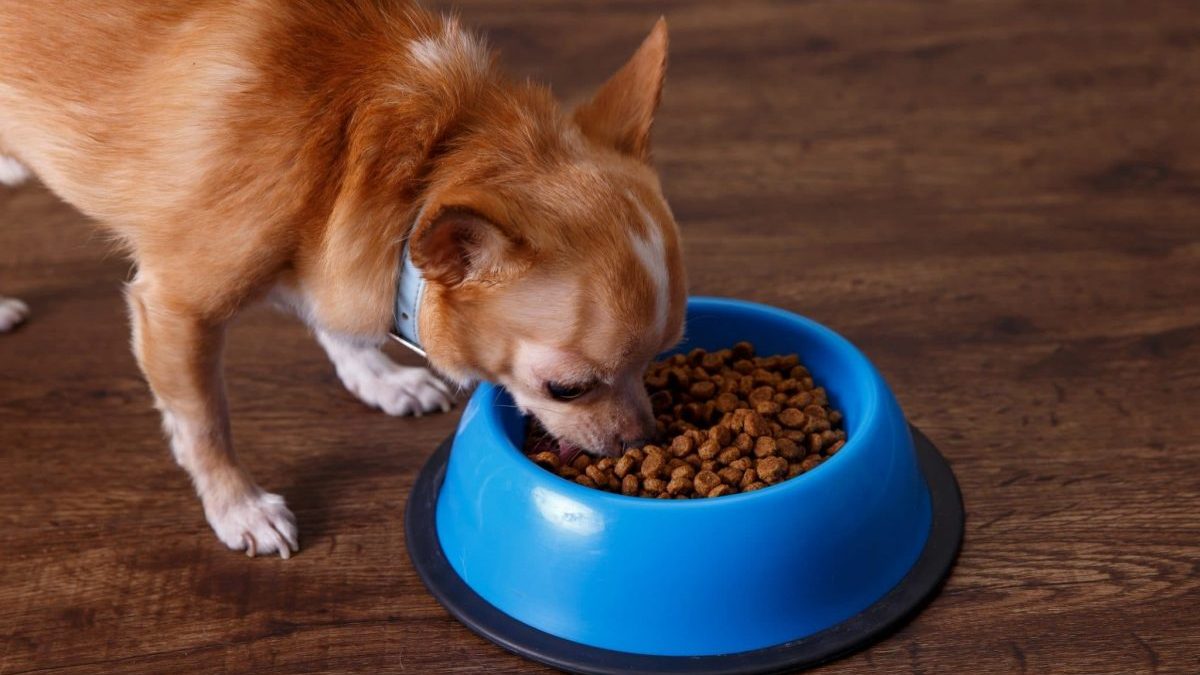
Chihuahuas require a healthy, well-rounded diet in order to remain in peak condition. They need quality proteins for muscle development, carbohydrates and fats for energy and skin and coat health benefits, plus specific vitamins and minerals that contribute to other bodily processes.
When choosing food for a Chihuahua or other small breed dog, look for high-quality protein sources such as named meats and fish, while selecting food with as few fillers and chemical preservatives as possible as these additives can be harmful.
Puppies differ from adult dogs in terms of their nutritional requirements due to being still growing and developing, needing more protein in order to build strength while their metabolisms tend to be faster than that of an adult dog. As they should receive three or four meals daily starting out based on age, activity level and the number of training treats received throughout the day.
Chihuahuas as they mature will typically need to reduce the amount of protein they ingest; their caloric requirements shouldn’t change much though. If your Chihuahua stops eating regularly or consumes less food than expected, that should be taken as an indicator that something might be amiss and you should contact a veterinarian immediately.
Chihuahuas are healthy dogs who need plenty of nutritious snacks and treats in addition to high quality food, such as home-prepared raw foods, freeze dried or canned food, commercially made treats or treats from pet shops. While snacks should be offered occasionally to reward good behavior or train the pup properly, too many treats could lead to weight gain or health problems; it should only be used sparingly as too many can lead to weight gain and other problems; training purposes or rewarding good behavior is more beneficial than using treats as rewards for weight gain! Grass can cause tooth decay as well as cause health problems that will require medical intervention – avoid giving table scraps as these will only encourage overeating as this will prevent necessary.
Carbs provide slow-release energy and essential vitamins and minerals. Carbs also help keep dogs feeling full for an extended period of time, which prevents overeating and weight gain. Peas, carrots, potatoes, and squash should account for roughly 30 percent of a Chihuahua’s diet.
Lean animal proteins like chicken, fish and lamb provide excellent sources of protein for Chihuahuas; due to their origin in wolves they tend to prefer these meats over others as a source of nourishment. Furthermore, these protein sources also contain essential iron for small dogs‘ nutritional requirements.
Avoid processed foods containing high amounts of carbohydrates such as corn, wheat and soy as these often contain fillers which provide no nutritional benefit and could contribute to weight gain. Also steer clear of foods containing artificial preservatives and animal bi-products which could increase weight gain.
Add raw foods to their food diet in order to provide more of the essential vitamins and nutrients they require, but be wary when preparing raw meat for your chihuahua, making sure any cuts of meat are minced or finely chopped as small dogs cannot digest larger pieces of meat as effectively.
Chihuahuas should receive approximately 1/2 to 1 and 1/3 cups of high-quality kibble each day, divided up into two or three meals throughout the day. Because having food out all of the time may encourage overeating, it is recommended that they are fed at set intervals with appropriate monitoring of portion sizes; overfeeding could lead to obesity which in turn could create health issues for your dog.
Chihuahuas must get adequate fiber in their diets just like they need protein and fat for weight management, bowel health, and immune system support. Consult your veterinarian if more fiber is required in their daily meals for best results.
Chihuahuas typically benefit from eating the recommended amount on their dog food package; this figure takes into account their current weight but doesn’t take into account any additional snacks they might receive every day or activities they engage in.
Avoid foods containing fillers, animal byproducts, chemical preservatives and artificial colors as these additives have the potential to contribute to various health issues in dogs, such as food allergies.
Young Chihuahuas require plenty of energy to fuel their rapid development, so make sure your pup’s food contains high levels of animal protein (preferably listed as the first ingredient). When your puppy reaches full maturity, switch them over to small or mini adult dog food.
Chihuahuas are among the longest-lived small breed dogs, so consuming a diet rich in quality nutrition throughout their lives is vital. A good food will help prevent age-related health conditions like arthritis, heart disease and diabetes from emerging – for best results look for ingredients free from common allergens like corn, wheat and soy; additionally it should contain high levels of omega fatty acids for skin and coat health and joint support, such as glucosamine and chondroitin for joint protection.
Shedding is a natural process for dogs that shed hair, helping rid themselves of dead and damaged coats. But excess shedding can become annoyingly widespread – leading to piles of fur in your home!
Shedding can be reduced through regular grooming, healthy nutrition and adequate hydration. Other causes of excessive shedding may include seasonal allergies, medication side effects or stress/anxiety.
No matter how hard we try, no pet will stop shedding completely; however, with regular grooming sessions and diet/hydration changes as well as baths that do not strip their coat of natural oils and supplements taken regularly can all play a part in reducing excessive shedding. De-shedding tools or rubber brushes may also be useful to keep fur from flying off furniture or anywhere else around the house and out into our lives!
Skin and coat health in dogs is directly tied to their diet. A diet rich in proteins and omega-3 fatty acids is crucial for optimal skin and coat health, while excessive shedding could be an indicator of not receiving enough essential nutrients from food sources, prompting a higher-quality alternative diet option to be explored.
Stress may also be responsible for an unusual increase in shedding. If the sudden surge in shedding coincides with significant changes to their living environment such as moving homes, death of family member, or new pets entering the household – it may be an emotional response from them to this emotional stressor.
If your dog’s shedding patterns are consistent and align with seasonal changes, this likely shouldn’t cause alarm. However, if their shedding appears out of proportion with external changes or doesn’t seem related, consult your veterinarian as this could indicate an underlying medical condition that requires diagnosis and treatment.
Excessive shedding could also be a telltale sign of parasites like fleas, ticks or mites; these parasites can lead to itchy and uncomfortable skin and should be addressed immediately. If your pup seems distressed when scratching at their face or feet frequently, that may indicate an allergic reaction which should also be addressed quickly by seeing your vet immediately – your vet can recommend the most appropriate course of treatment and get them on their path to recovery!
Shedding can be a tremendously frustrating inconvenience, but there are ways to limit how much fur ends up on your furniture and floors. Brushing regularly will help catch any loose hairs before they fall off and cause more shedding; additionally, taking your pet for regular baths may help rinse off some of their dead fur that would otherwise shed in their natural shedding cycle.
Your pet’s rate of shedding can depend on their breed, the season and other factors. For instance, most dogs will shed their undercoat in spring and fall as an adaptation to warmer temperatures or to prepare them for thicker coats in cooler temps. Excessive shedding that doesn’t match its season could indicate medical conditions; to be safe it is wise to contact your veterinarian about such incidents immediately.
Make sure that when giving your pet a bath, use an appropriate shampoo that suits their skin type and coat length. Stay away from harsh or drying formulas; opt for natural ingredients like oatmeal, chamomile, aloe vera extracts or lavender instead to maintain a healthy and balanced coat. Be sure to properly rinse out all residue from their fur afterward!
After bathing your pet, be sure to dry them with a soft towel while being mindful to avoid their eyes and ears. Next, using a deshedding tool designed for their coat type, brush again in order to catch loose hairs before they shed freely around the home – this will significantly decrease shedding throughout your home while improving the quality of its coat! This may also help significantly reduce its shedding in general.
Be sure to provide your pet with plenty of nutrient-rich and moist food, to maintain optimal coat health. Feed them high-quality foods rich in nutrients and moisture; the right diet can improve its condition, leading to less shedding. Furthermore, adding omega-3 fatty acid supplements can be useful as essential fatty acids help improve the condition of their skin and coat, thus decreasing excess shedding.

Shedding is an inevitable part of dog ownership, but there are ways you can reduce his or her fur production. Regular grooming sessions and good nutrition will go far towards helping decrease shedder numbers in your home.
Starting off right means providing your dog with a high-quality diet. Their skin and coat can serve as a clear indication of their diet’s quality; try different food until finding one that meets their specific needs – the ideal food should contain minimal additives and fillers, high levels of protein and omega-3 fatty acids, as well as fresh meats for maximum benefits.
Make sure your dog is drinking plenty of water. Dehydration can lead to dry skin and excess shedding; they should aim to consume one ounce for every pound their weight.
Stress and anxiety could also be contributing to their excessive shedding. Try keeping them calm by showing lots of love and attention; this will not only prevent excessive shedding but may help ward off other health concerns as well.
If your pup seems to be shedding more than usual, it might be time for a visit to your veterinarian. They can identify what’s causing their abnormal shedding and work with you to bring their condition under control so they feel great again.
Shedding may be uncomfortable, but it’s necessary for maintaining healthy coat and skin in our dogs. By grooming, feeding a high-quality diet and adding supplements that reduce shedding to their regiment, you can minimize how much hair ends up in your home. If you have questions or are concerned about how your pup sheds, set an appointment with PetWellClinic now – our compassionate team are here for all of their healthcare needs!
Shedding may be an inevitable part of dog ownership, but that doesn’t make it any less frustrating for pet parents who must continually battle to keep their home free of dog fur. When excessive shedding becomes apparent, it is crucial that action are taken immediately in order to bring it under control and eliminate its source.
Regular grooming helps reduce shedding in dogs by using the appropriate brush for their coat type and brushing in the direction of hair growth. Lint rollers and other fur removal devices may be beneficial in collecting loose fur before it accumulates on clothing, furniture or carpeting. A deshedding shampoo is another fantastic way to control shedding as these products help hydrate skin and fur to make them stronger and less likely to shed.
Diet is another key component in helping your dog reduce shedding, as its health reflects in his or her coat. Avoid cheap dog foods that contain fillers; opt instead for high-quality meals with meat as the first ingredient – these contain more nutrients that support healthy skin and coat.
As diseases and illnesses can also contribute to excessive shedding in dogs, it’s wise to consult a veterinarian if you notice your pup has excessive shedding. They will be able to determine whether an underlying issue needs addressing and suggest possible remedies.
Stress can also play a factor in excessive shedding, so any significant change to your dog’s environment should be investigated further. For instance, the loss of a family member could trigger emotional strain which manifests itself through increased shedding. Your veterinarian can offer effective natural methods of dealing with this situation which will benefit both your pup and household alike – Good luck!
The digestive system of your dog is a complicated system with many variables to account for, which will affect their food digestion timeframe depending on breed, size, age, exercise regiments, food type and gut health status.
Your dog’s digestion of food begins in their mouth, where they chew to break it down into smaller pieces before entering their esophagus and stomach for partial digestion.
Dogs of different sizes digest food differently, with smaller breeds eating faster and digesting their meals in less time than larger breeds. Size, however, is only one factor influencing digestion time: breed type and diet also impact digestion time significantly – typically four-12 hours for full digestion to occur.
Digestion involves both mechanical and chemical breakdown of food as your dog eats it. Once digested, the pieces move down through their digestive tract into their throat esophagus stomach intestines before entering their waste tract where they’re transformed into waste products.
Digesting times vary for dogs depending on breed and age, with smaller pups digesting more quickly due to having smaller digestive tracts that are easier to fill and empty than their larger counterparts.
Water can have a profound effect on digestion times in dogs. Water softens food, eases chewing, increases secretion of enzymes and acids needed for breaking down meals more effectively and aids in absorption of essential nutrients and calories.
After reaching the small intestine, food travels through to the jejunum where enzymes again break it down into smaller pieces for absorption into the bloodstream. Any undigested material then travels back through to the large intestine where it eventually enters the waste tract to be eliminated via feces.
Digestive health plays a pivotal role in your dog’s overall health and immune system. Healthy gut microbiomes mean your pup can absorb the nutrients they consume more efficiently, leading to better overall health outcomes.
If your dog isn’t digesting their food properly, it could lead to weight gain, allergies and even gastrointestinal disorders. But improving digestion is easy! By feeding a high quality diet with highly digestible components like Bernie’s Perfect Poop products you can ensure their digestive tract is operating at maximum potential.
Dogs typically require four to 12 hours for digestion of their food. Digestibility is crucial in order to absorb nutrients into the body instead of passing right through, which could result in illness. There are various factors which influence digestion time such as size, age, exercise level and type of food consumed by their dogs.
A dog’s digestive system consists of the mouth, esophagus, stomach, and small intestine. Each component plays an essential part in breaking down food for absorption into energy sources for energy production, growth, cell repair, and other essential bodily processes.
As soon as a dog chews its food, the digestive process begins by moistening it with saliva and mixing it with gastric juices to begin breaking down carbohydrates and proteins. Once in the stomach, more acid breaks down proteins while killing any harmful bacteria; once finished in there a sphincter connects from esophagus to stomach prevents any regurgitated material from being regurgitated back up the esophagus again; in small intestine where more enzymes and hormones from liver/pancreas help dilute acidity; ultimately being absorbed back into bloodstream for use as fuel for cells/tissues of all parts of body cells/tissues as fuel by tissues of body cells and tissues of our bodies as fuel sources.
The small intestine absorbs water and essential minerals directly into the bloodstream while pushing chyme through its duodenum and ileum. Any undigested nutrition that cannot be digested leaves through feces.
Water is essential to healthy canine digestion. Drinking enough can soften food as it passes through their gastrointestinal tract, making chewing and digesting simpler; and can stimulate enzyme secretions and acids for breaking down food more quickly. In addition, drinking water hydrates their gut, promote healthy bowel movements, and ensure smooth intestinal movement – without which their digestive tract could dry out and lead to health complications.

Not only can your dog’s size and age affect digestion times, but the type of food they eat also has an effect. For instance, dry kibble requires more chewing to break it into swallowable pieces; making it more challenging than soft-cooked or raw food which breaks into more easily assimilated particles of nutrition.
Considerations should also be given to your pet’s overall health when making this choice, as feeding high quality food may reduce gastrointestinal issues like gas and diarrhea. In addition, premium supplements can enhance digestibility so your pup can quickly absorb their essential vitamins and minerals.
Once the food arrives at the stomach, digestion begins in earnest with acid and enzyme production breaking down proteins into absorbable nutrients and any non-digested particles being expelled through feces.
Humans may consume both plant- and meat-based foods, which requires their digestive systems to process them more slowly than dog’s who consume exclusively meat protein-based diet. As a result, dogs’ stomachs typically empty four or five hours post meal!
If your pup takes longer than usual to digest their food, consult with a veterinarian immediately. They’ll be able to assess if there are any health issues affecting their digestion process and offer solutions that might help. Dieticians can also give recommendations for diet and exercise to enhance your pup’s digestive health, speeding up their overall digestive process. When switching foods, give it some time for their stomachs to adjust before trying again. Your dog should receive both soft-cooked and raw foods to see how that affects their digestive process. Make sure they stay well hydrated with plenty of exercise to support better digestion and absorption of vital nutrients.
Dogs need food in order to get energy, but they also must digest it so the nutrients can enter the bloodstream and be used by their bodies. Without enough exercise, their digestive tract can slow down, making food digestion even slower than before. But physical activity stimulates their digestive system to speed up this process – that’s why having your pup play or go for walks is so essential!
Dogs’ digestive systems are designed to process proteins and fats as their main sources of energy; however, they can also absorb carbohydrates when prepared properly if required. According to VCA Canada, an estimated four to 12 hours is typically needed for their system to empty out their stomach based on factors like size, age, activity level and food type.
As digestion continues, food travels from the mouth into the small intestines where it mixes with digestive juices produced by pancreas and liver via gallbladders to mix with more digestive juices from gallbladders of both organs. Once through this stage of digestion, food passes onwards into large intestines connected to rectum anal canal and eliminated via stool production.
One factor that may impede a dog’s digestion time is having an underlying medical condition like EPI, IBD or leaky gut syndrome that interferes with proper absorption of nutrients resulting in diarrhea or constipation. Furthermore, being overweight will force their digestive system to work harder, taking longer and eventually delaying completion of digestion process.
Dogs that consume too much food may become obese, shortening their lifespan significantly and even leading to conditions like diabetes and pancreatitis.
Diet and exercise can help protect against these health conditions, and routine veterinary visits are also crucial in order to keep Miniature Schnauzers living healthy lives of 12-15 years.
Miniature Schnauzers are generally healthy dogs, with life spans typically lasting 12-15 years. Their lifespan can be affected by many factors including health status, diet and regular veterinary check-ups; by following an recommended vaccination schedule you can increase their lifespan.
Mini schnauzers often develop pancreatitis, an inflammation of the pancreas that can cause pain and loss of appetite. While not life-threatening, this condition is easily treated using medication; additionally avoiding highly fatty foods may prevent pancreatitis altogether.
Miniature Schnauzers can suffer from urinary tract problems, including cysts and stones in their bladders. While this condition can be painful and uncomfortable, regular urination, proper diet and visits to their vet should help. Miniature Schnauzers also frequently develop ear infections which reduce quality of life while decreasing lifespan; such infections should be managed through routine cleaning sessions with your vet as well as visiting for regular examinations of your ears.
Furthermore, this breed may suffer from orthopedic conditions like Legg-Calve-Perthes disease affecting hip joints that can lead to pain, arthritis and mobility issues for their owners. Early diagnosis and treatment will ensure your dog lives a long and happy life.
Miniature Schnauzers can also be susceptible to liver disease, particularly hepatitis. This condition can be caused by infection, drugs, or environmental toxins; symptoms of illness include vomiting, fever, jaundice and an enlarged liver and spleen; treatments include medications, blood transfusions or even dietary restrictions.
Small dogs require regular walks and playtime with you in order to remain contented and healthy. Walking them regularly and providing stimulation such as mental games or training exercises helps ensure they remain happy and contented companions.
Miniature Schnauzers tend to be healthy dogs, although they may develop medical issues over time. Some conditions may be genetic while others could be caused by diet or lifestyle factors; regular vet check-ups are an invaluable way to detect issues early.
Miniature Schnauzers often suffer from urinary stone disease, with Struvite stones most frequently appearing among female dogs and calcium oxalate stones among males. Struvite stones typically accompany urinary tract infections and can usually be dissolved with medication; calcium oxalate stones, on the other hand, can block their urethra completely and thus pose a life-threatening emergency situation if left untreated.
Miniature Schnauzers can also suffer from other urological ailments, such as bladder inflammation (cystitis) and urethral strictures, both treatable with antibiotics but if the urethra becomes blocked surgery may be required to unblock it. Miniature Schnauzers may be predisposed to pancreatitis, an acute inflammation of the pancreas that stops producing enzymes necessary for fat and protein breakdown; in severe cases hospitalization and IV fluid therapy are necessary in order to avoid organ failure.
Miniature Schnauzers may also be susceptible to an inherited lipid metabolism disorder, which results in abnormally high levels of cholesterol and triglycerides in their blood, potentially leading to liver enlargement and dysfunction.
These dogs are particularly prone to dental issues, including tooth and gum disease. With smaller mouths than most breeds, food debris, bacteria, and minerals can become lodged between their teeth, leading to tartar build-up that irritates gums and leads to periodontal disease.
Allergies can cause these dogs to itch, leading to skin infections and hair loss. Warts and cysts, which may be benign or malignant growths on schnauzers, should also be evaluated by your veterinarian as soon as possible.
Some of these dogs are also predisposed to Mycobacterium Avium Complex, an immune disease with unknown triggers which can cause heart failure, diarrhoea and even death. Prevention measures include vaccination and providing balanced nutrition.

Mini schnauzers should be given high-quality, nutritionally balanced dog food that provides them with enough protein and carbohydrates. Foods containing large amounts of fat may cause digestive issues and pancreatitis in your pet, so avoid feeding table scraps to your mini. You should also provide fresh fruits and vegetables regularly to your schnauzer in order to combat dietary deficiencies – but beware that raw veggies contain harmful toxins which could harm it further!
Your pet requires regular exercise for their overall wellbeing. A lack of activity may contribute to weight gain and joint issues; exercise can help relieve anxiety and stress as well as improve blood flow and circulation. As well as getting enough physical activity, make sure they visit their vet regularly for checkups as well.
Cactus State Miniature Schnauzer Club reports that mini schnauzers may be predisposed to certain health issues, including cataracts and hyperlipidemia (an elevated blood fat content). Both conditions can be prevented by restricting their exposure to unhealthy foods and treats.
Reading the ingredients label of pet food to assess its suitability for your animal is important in making an informed decision about their nutrition. When looking at dog foods with generic terms like “meat,” “fish meal,” and “chicken byproduct meal” be wary as these can contain low-grade meat products. You should also avoid providing your dog with food containing large amounts of fat such as treats laden with fat.
Legumes can provide your pet with an excellent source of plant-based protein. Not only are legumes delicious and crunchy snacks for them to snack on, they are also loaded with nutrients such as iron, vitamin A, magnesium phosphorus and calcium as well as being an amazing source of niacin, B3 and B6!
Mini schnauzers tend to bark a lot, which may become annoying to some people. To minimize this problem, feed your dog a nutritionally balanced diet and provide plenty of exercise while training him or her to respond to verbal commands. If excessive barking persists, consider hiring a professional trainer or behaviorist as soon as possible.
These dogs require daily physical activity to stay healthy and happy, such as walking, playing fetch and other high-intensity activities such as daycare or hiring a dog walker. As with all breeds, their individual requirements will differ, though typically puppies and young dogs need more physical activity during this phase than mature Miniature Schnauzers do.
Miniature Schnauzers make active pets that thrive in small living spaces while also enjoying walks and outdoor adventures. Miniature Schnauzer owners should make sure that their pup gets enough stimulation each day by taking them out on regular outings to ensure enough exercise is given daily.
Miniature Schnauzers are generally healthy pets throughout their lives. However, there are certain conditions which could shorten this timeline: urinary tract disease can be avoided with proper veterinary care and diet that reduces stone formation risk; another potential issue could be progressive retinal atrophy (PRA) disease that results in the loss of photoreceptor cells within their eyes, but again this can be managed through regular visits and treatments as necessary.
As dogs age, their mobility and energy levels may decrease, prompting them to alter their exercise regime or simply decrease its intensity. Senior Miniature Schnauzers should still participate in moderate exercise sessions but focus on keeping themselves mentally stimulated through non-physical games such as bingo.
Provide your dog with plenty of exercise, balanced meals and regular vet checks to help extend its healthy lifespan and ensure years of happiness and joy! With proper care, this popular breed may live for 15 years with joyous fulfillment!
Parrots are well known to live long lives when properly cared for, possibly living over 50 years on their own!
Parrot owners can extend the lives of their pets by maintaining good diet, exercise and wellness exams for their parrot.
At night, it’s crucial that the bird can rest peacefully without interruption from interference from human visitors or predators.
Parrots are an expansive group of bird species that span from small birds that fit easily in your hand to larger varieties that resemble cats in size and avian presence. Their lifespans can vary widely depending on species as well as environmental influences; while it can be hard to anticipate how long your parrot may live, some species have been known to reach hundreds of years with proper care.
Captive parrots tend to live longer lives than their wild relatives due to being protected from diseases, predators and harsh environments in which many wild parrots must contend with. Furthermore, captive parrots can receive medical care for any illnesses or injuries they incur, further prolonging their lives.
When selecting a parrot as your pet, it is essential to take its lifespan into account, since you will most likely live with them throughout your entire lifetime. This means being with them during major life events such as marriage, having children and family changes; work transitions; health conditions or stressful situations; choosing a reputable breeder so that you can provide your bird with optimal home conditions and nutritious diet; as well as providing them with ample exercise opportunities.
Budgeriels and cockatiels, among the smallest members of the psittacine family, typically live shorter lifespans compared to their larger cousins; nonetheless, some pet budgies have lived well into their 80s as pets while well cared-for cockatiels can live for 50+ years!
Medium sized birds of the Psittacine species such as conures and Senegals typically live 30 to 35 years as pets, thanks to high quality diets they are provided and their ability to overcome medical conditions.
Like their canine and feline counterparts, parrots can live 20 years or more as pets, which makes bringing one home an important decision. People should carefully consider if they plan to be around long enough to provide care themselves or whether there is someone else available who will continue providing for their parrot after they pass away.
Parrots are flock species and should always have other members of their species in captivity in order to thrive. Parrots are extremely social animals and need daily interaction with humans in order to maintain good health. A large cage with plenty of room to fly, move around and play is necessary; additionally they require fresh water every day and a high-quality diet for proper nourishment.
There are numerous varieties of parrots found throughout the world, from tiny pygmy lorikeets to enormous macaws. When properly taken care of, large parrots may live up to 50 years when well-kept; their lifespan depends on factors like environment quality and interactions with their owner.
Some species of parrots live longer than others, with closely related Amazon parrots often reaching 60 years or older when properly cared for in captivity – these include blue-headed pionus, bronze-winged pionus and dusky pionus varieties.
Large parrots tend to outlive their smaller counterparts due to evolution, as their bodies have become better equipped at surviving and reproducing for extended periods. Furthermore, larger birds are better equipped at managing old age than their smaller counterparts.
If you own a parrot, regular wellness exams with an avian vet are crucial in order to detect early signs of problems and ensure the appropriate treatments are given. Ideally, their experience with specific species should make this task even simpler.
Parrots can be noisy birds when young, which could pose problems if other pets, children or spouses needing sleep are nearby. Therefore, socializing a young parrot to its environment and people helps it become calmer over time.

Diet is one of the primary factors influencing a parrot’s lifespan, with those fed a combination of pellet foods and fresh fruits and vegetables typically outliving those who only receive seed-based diets.
Before purchasing or adopting a parrot, it’s a wise idea to conduct adequate research first and ensure you can commit to providing them with all of the care they require. Once you find a bird you love, ensure you can devote all the necessary attention they require.
Wild parrots spend most of their lives flying, foraging and socializing with flocks; captive birds don’t replicate this natural behaviour and become depressed and stressed as a result. Giving your bird plenty of space to play, climb and spread its wings as well as providing it with nutritious foods can keep it happy, healthy and stimulated.
Cleaning the environment surrounding your pet bird will contribute significantly to its health and longevity. Parrots are particularly susceptible to infections that spread quickly in unhygienic cages, so making sure that their living space remains tidy is vitally important.
Pet parrots tend to live long lives when cared for properly; in contrast, those in the wild face a much greater risk from predators and disease and rarely reach their full lifespans.
Conures and cockatoos tend to live for 25-30 years in captivity when properly cared for; larger species like macaws can live up to 60+ years with proper attention.
To increase the odds that your pet lives to be old, it’s recommended that they start on a formulated diet from early. While transitioning away from seed-based food may be challenging for some parrots, trying transitioning gradually. Start off offering them seeds and tree nuts such as almonds, Brazil nuts or walnuts before gradually replacing these items with more specialized offerings over time.
Parrots in captivity are protected from predators and disease, giving them a fuller life than they would in the wild. Parrots are highly intelligent birds who need extra interaction from their human owners than most other pets, which is great for them but can sometimes prove challenging for owners if the parrot lacks proper socialization early in life. Spending the time to train a bird from early in its life will result in reduced behavioral issues, better experience raising your pet, and ultimately extend its lifespan.
Proper diet is also vital to the wellbeing of any parrot. They should receive a mix of pellets, grains, seeds, nuts and fresh fruits and vegetables in order to obtain all of the essential vitamins and nutrients they require. Furthermore, it’s crucial that all species get at least 8-10 hours of uninterrupted sleep each night in order to be healthy. Finally, parrots should visit an avian veterinarian regularly so they can be checked out early should any diseases or illnesses emerge; getting treated as soon as they show any symptoms will prevent worsening of conditions caused by delay.
Cockatoos and Amazon parrots (genus Psittaculirostris) can also be highly talkative birds that need plenty of interaction from their owners; when properly cared for they can live up to 30 years or longer!
Lovebirds and parakeets typically live 20 to 25 years as pets. Cockatoos tend to outlive other types of parrots.
Scientists working with the wildlife conservation nonprofit group Species360 conducted an unprecedented global study that provided scientists with their first accurate estimates of parrot life expectancy. Researchers discovered that life spans vary widely for various parrot species ranging from two years in the case of the fig parrot to over 30 years for scarlet macaws; scientists believe that such differences may be caused by predators and diseases in their natural environments that prey upon certain parrot species more readily than others.