 Lisa Thompson
Author Archives: Lisa Thompson
 Lisa Thompson
Author Archives: Lisa Thompson
Sedating a dog for grooming at home is an extremely risky decision and should only be done under the advice and supervision of your veterinarian. Even mild tranquilizers like Benadryl may lead to unexpected reactions in certain dogs.
Vigorous exercise such as walking your pup for long distances or playing frisbee is the best way to prepare them for grooming sessions, as this will burn up most of their excess energy and relax them further.
If your pup is too hyper to cooperate during grooming sessions, or simply doesn’t take kindly to being groomed, sedation may be necessary for his haircut. There are safe products and methods available that can help make this procedure less distressful for both of you.
At first, consult your veterinarian about obtaining a mild sedative for grooming your dog. Over-the-counter (OTC) drugs may be dangerous to their health; prescription is required in order to use drugs intended to sedate dogs for grooming purposes and these must only be administered by qualified veterinarians.
Medication that may be used as sedatives include Acepromazine and Diazepam. Acepromazine is a central nervous system depressant used commonly in veterinary medicine to sedate dogs for surgery or other procedures, as well as calm them before grooming, travel or grooming sessions. Note: Acepromazine may become ineffective with excitement or stress so to maximize its efficacy it should remain as calm as possible throughout its administration.
Gabapentin and Trazodone can also be effective sedatives for dogs during short-term events, including grooming, travel, vet visits, thunderstorms or fireworks. While Gabapentin acts as an anti-seizure medication it also works well as an anxiolytic. Trazodone acts as a short-term sedative and anxiety reliever and should only be used temporarily due to low blood pressure risks in some individuals – make sure it’s recommended by a veterinarian before making this choice!
Before giving your pet a sedative, take them on a long walk or run to allow him to burn off excess energy and ensure a restful experience while the drug wears off. Also keep in mind that many sedatives last up to 10 hours so it is important that he can relax in an ideal location while the medicine wears off.
If your pup struggles to remain still during grooming sessions, try distracting them with his favorite toy or treat. This may help ease his anxiety while keeping their attention focused on something other than what is happening around them.
Patting and holding your dog can also be effective ways of soothing their anxiety. Do this slowly, gently, and under your own control so as not to cause their distress.
There are various medications available to use when sedating dogs, but it is essential that a valid prescription be obtained from your vet first. Over-the-counter remedies may prove toxic for pet health; the vet can suggest safe medications which will help relax your pet during grooming sessions.
Vets sometimes suggest natural sedatives for dogs, such as valerian root, passionflower extract, Rescue Remedy or essential oils to help calm them in certain situations and relax them; however, these mild tranquilizers could actually do more harm than good.
Vets may suggest injectable sedatives as an additional measure for dogs that become extremely anxious or aggressive during grooming, as a last-resort solution, though only under strict veterinary supervision.
Some groomers offer sedation consultations to prepare your pet for a sedative at the grooming salon, which costs the same as regular exam appointments. At these consultations, your veterinarian will assess your pet to establish how much sedation is necessary as well as develop a sedation protocol; blood work may also be performed as additional verification that they are healthy enough for sedation.

Grooming can be an anxiety-inducing experience for some dogs. When they become distressed during grooming sessions, sedatives may need to be administered either at home or by a veterinarian in order for grooming sessions to go smoothly and safely. Before making a decision about using sedatives for your pet’s situation, consult a veterinarian first.
One of the easiest and most effective ways to calm a dog is with a treat. Rewarding them for good behavior during grooming sessions will help them remain relaxed throughout. Petting and holding your pet during haircuts will reassure them everything will go as planned.
Take your dog for a long walk or run before going in for grooming – this will burn off some energy and tire them out, helping make the grooming process less daunting and stressful for both of you!
There are various medications that can serve as sedatives. While some act against anxiety, others cause drowsiness – diazepam (Valium), acepromazine and gabapentin all can induce sleepiness; alternatively there are anti-anxiety drugs like Benadryl (Diphenhydramine).
If behavioral adjustments have failed and your pet still appears anxious during grooming, medication sedatives may be an option to help keep them calm during grooming sessions. Speak to your vet regarding safest products and methods available – most will schedule this as a regular exam appointment, although overnight fasting (i.e. no food or treats, except water) must take place prior to any sedation appointments.
If your dog becomes anxious when faced with grooming brushes, sedating may help them relax into their grooming experience. Before using any medications to sedate dogs for grooming purposes, consult with a vet first in order to obtain a prescription and specific instructions from them. These medications are highly effective but must only be given under close veterinary supervision.
Veterinarians commonly utilize trazodone to sedate pets and reduce anxiety. This medication is gentle on the GI tract, liver and kidneys – making it ideal for use both with older and younger dogs alike. Other common sedatives include acepromazine and diazepam.
Drugs work more effectively if taken prior to an event that causes anxiety. This could include trips to the vet, bathing or grooming sessions; after about an hour the effects will begin to wear off.
Some individuals have experienced success using natural sedatives like valerian root, passion flower and Rescue Remedy; however these medications should be used cautiously with dogs as they may cause harm.
Making Chamomile Tea for Your Dog Is an Effective Natural Sedative One safe and straightforward way of giving your pup natural sedation is making Chamomile tea. Chamomile is well known as an herbal relaxant and available at most health food stores as a supplement. Simply steep two tablespoons of dried Chamomile flowers for 10 minutes in one cup of hot water until steeped for teamaking purposes.
Some groomers will refuse to groom dogs that require sedation in order to receive haircuts, so if you opt to administer medication as part of the process, please find a groomer who will work with both you and your pup in finding an acceptable haircut service provider.
Dogs that become stressed out during grooming sessions may require medication to keep them calm. A veterinarian can prescribe sedatives such as acepromazine, diazepam, gabapentin or fluoxetine; alternatively you can buy over-the-counter remedies like melatonin or natural products like chamomile. Please only use those provided by your vet, as nonprescribed sedatives could prove hazardous for pets, portable dog showers are also a reasonable choice.
If your dog still requires sedatives to stay calm during grooming, it is essential that you work closely with your vet on a regimen of medications which have the least detrimental impact on his/her health. Positive reinforcement techniques or training strategies could also be employed in order to decrease his/her need for medication.
Engaging your dog in activities such as walks, running, frisbee playing or visiting a dog park will help them work off extra energy and feel less anxious during grooming sessions. You could also try massaging them down with herbal oils that have soothing properties, like lavender oil.
Grooming a pet can be stressful for both animal and owner. If your canine becomes aggressive or difficult to control during grooming, sedation could be necessary; provided this is done safely under guidance from a vet or behaviorist.
Acepromazine (Acephelin) can help relax a dog during grooming, but may not work with every animal. It works as a central nervous system depressant that can reduce heart rate, blood pressure and respiratory rate – it may be given orally or via injection; side effects include drowsiness and nausea.
This condition typically manifests itself in middle-aged male domestic shorthair cats. A veterinarian can diagnose it when they notice that there is an distended colon filled with feces.
If the cat’s bowels remain distended for over four to six months, its intestinal muscles will likely lose function. At this point, surgery called subtotal colectomy may be required in order to relieve its symptoms of megacolon.
Megacolon in cats can lead to their death if left untreated for too long; therefore it should never be neglected or put off; particularly among younger kittens. Early diagnosis can often increase their chance of living a full and productive life; the outcome for megacolon-afflicted felines depends on both its extent and severity as well as time since symptoms first appeared.
An enlarged colon can’t pass feces properly, leading to constipation or obstipation that is very painful for cats and may lead to malnutrition or dehydration that ultimately leads to death from malnutrition or dehydration. Megacolon symptoms for cats include pain when trying to pass stool; decreased appetite and weight loss; bloody stool that are large and firm.
Diagnosing an idiopathic megacolon typically occurs after prolonged constipation has taken place, especially among multicat households or when cats live indoor/outdoor environments. A veterinarian will perform a physical exam, feeling for firm feces that has lodged itself into the colon. X-rays may be recommended by veterinarians in order to see how much the colon has expanded over time; other diagnostic options could include abdominal ultrasound, contrast studies of lower gastrointestinal tract or colonoscopy as well as blood testing for hypokalemia or hypercalcemia which can contribute to constipation in some cats.
If the cause of megacolon is unknown, treatment options include using medications like laxatives, colon-wall stimulants and enemas to break up large fecal masses. While this won’t resolve the root problem itself, it will make bowel movements easier for your cat.
Cats that fail to respond to medical management may need surgery; typically a subtotal colectomy. Most cats who undergo this operation and receive proper post-op care tend to experience good outcomes and can lead near-normal lives afterward; though they may still have diarrhea-like stools initially. Over time and through diet modification they should improve.
The large intestine absorbs nutrients and water from food while expelling waste products from the body. If nerves to this bowel fail to work correctly, megacolon can occur; it is an uncomfortable and potentially lethal condition in which dry hard stool builds up inside its walls causing distention in the colon and eventually vomiting and anemia due to inability to defecate regularly. Megacolon may be congenital or acquired; typically occurring among middle-aged to older male domestic shorthair cats.
Megacolon symptoms typically begin with infrequent or completely absent stool production and progress rapidly as time goes on. Stools that do pass may be smaller than usual and cause the cat pain when trying to pass waste products through. Over time, however, the accumulation of waste material irritates the colon lining, leading to bloody stool or diarrhea around its presence.
A veterinarian can diagnose this condition by palpating the abdomen and noting a distended colon filled with hard feces. They may then run diagnostic tests to ascertain whether there may be a mass pressing against it or blockages in its pelvic canal such as bone fragments or tumors that cause it.
Medical treatments for cats with megacolon include laxatives, colon-wall stimulants and enemas; while they don’t address the source of constipation directly, these remedies do help relieve it temporarily. A change in diet may also help facilitate fecal movement; for example a high fiber/low residue diet has proven helpful.
If the constipation fails to respond to these treatments, a veterinarian may administer fluids and antiemetics if vomiting persists; iron supplements for anemia; and fluid therapy as necessary. If fecal blockage becomes severe enough, an anesthesia-based procedure called subtotal colectomy may also be required in order to remove all feces.
Many cats that undergo surgery for megacolon do well afterward. If left untreated, however, the condition will worsen over time until no other solution will help your cat pass their feces.

Cats suffering from megacolon have an abnormally distended and enlarged colon that’s filled with hard, dry feces. They typically present to veterinarians with reduced or absent bowel movements and even blood in the stool caused by prolonged constipation or an irritated colon lining from prolonged constipation. While the condition often arises spontaneously without identifiable causes, it could also be the result of chronic diseases which have irreversibly stretched and distended their colon.
Your vet can diagnose megacolon with a comprehensive physical exam and radiographs (x-ray images). He or she should be able to palpate the large intestine to gauge its dilation; additionally they will be able to see any swelling on an x-ray image; additionally they will order bloodwork to test for hypokalemia and hypercalcemia as these diseases contribute to constipation; furthermore it’s essential that weight is evaluated, since excessive loss may indicate megacolon.
As their disease worsens, cats with megacolon will usually squat in their litter box and attempt to fece. They may vocalize or cry out when trying to defecate and may produce watery diarrhea around their fecal mass – this should be addressed immediately by your veterinarian.
In cases that do not respond to medical treatments, surgery is sometimes the only solution. Your surgeon may opt for subtotal colectomy in severe and chronic cases of megacolon; it offers the highest chance for a positive outcome.
Even once a cat has fully recovered from megacolon, they may recur and it is important to monitor their stool output on an ongoing basis. They will need a diet rich in high fiber food in order to help avoid further bouts.
An early diagnosis and treatment are critical in improving the prognosis for cats with megacolon. Mild or moderate cases may benefit from increasing dietary fiber, laxatives or stool softeners and drugs known as prokinetic agents (such as Cisapride) to stimulate colon muscles. For severe constipated cats an enema may also be necessary – this procedure uses lubricating liquids injected under anesthesia into large intestine to help pass hard, fecal-laden stools more quickly.
Cases of megacolon that do not respond to medical management generally require surgery in order to prevent potentially lethal bowel perforation. When megacolon occurs idiopathically – as is seen in two-thirds of all cases – its cause cannot be pinpointed; though one theory suggests it might happen due to smooth muscle in the colon not functioning as it should, leading to gradual stretching until it no longer can move faeces out through its entirety; multiple bouts of constipation could exacerbate this condition until finally becoming visible resulting in massively distended colon seen when megacolon appears.
Megacolon in cats caused by pelvic fractures can be confirmed with simple radiographs and rectal examination under sedation or anesthesia, to identify mechanical obstruction. If distension has persisted for four or six months, surgical intervention may be necessary in order to restore normal function.
Therefore, most cases of idiopathic megacolon are best treated through subtotal colectomy – in which most or all of the colon is surgically removed – as this surgical option has proven very successful at restoring normal bowel motility and regular stools in most instances. Cats who undergo colonectomy often experience diarrhea-like or pudding-like stools for some time after their procedure; these will typically be more frequent and loose than any constipated episodes they experienced prior to surgery. Complications associated with chronic kidney disease in animals do not tend to last forever, but should still be closely monitored by a veterinarian. A complete blood count, electrolyte panel and serum biochemistries test should also be run in order to ascertain any possible underlying causes that need addressing.
Lizards are carnivorous by nature, eating insects primarily. Some varieties may also consume some vegetables and fruits. Feeding both types of food to your garden lizard will ensure its diet remains balanced, decreasing chances of vitamin deficiency.
Food sources for insects typically include cockroaches, mealworms, dubia roaches and crickets; adult lizards also enjoy snacking on pieces of fruit or kale and dandelion greens as snacks.
Lizards are opportunistic feeders, eating whatever is readily available in their natural environments. With keen eyesight and an ability to quickly detect movement, lizards will usually pursue and strike quickly with strong bites at anything that moves, typically grasshoppers, beetles, crickets or other insects that provide essential vitamins and minerals. Garden lizards primarily feed on grasshoppers, beetles crickets as well as insects such as grasshoppers for nutrition purposes.
Garden lizards typically spend their days hunting in open areas and around leafy vegetation. But they may also be seen foraging on the ground or hiding under rocks and logs scavenging for food, depending on their species; garden lizards may eat snake eggs and even butterflies!
Lizards enjoy eating insects as part of their diet, but fruits and vegetables may also play a crucial role. To ensure they receive all the nutrition they require to thrive, it is important to provide a variety of food items – chocolate and coffee are especially harmful due to the stimulant theobromine in these items, which may overstimulate both nervous systems and cardiac systems, potentially leading to heart attack or death for your pet lizard.
To keep your lizard healthy, always feed it high-quality feeder insects that are free from disease and parasites; these insects should also provide essential proteins, moisture, calcium, and fiber – Dubia cockroaches are a popular choice among owners as they provide all these benefits with minimal fat intake.
Gut loading feeder insects is another effective method of increasing their nutritional value. In this process, you feed an insect a varied diet that contains fruits, vegetables and grains; when its prey eats the insect they will also take in these vital vitamins and minerals.
As a rule, it is best to offer your lizard various insects throughout the week in order to provide all of its necessary vitamins and nutrients for an extended and fulfilling life. This way you will ensure they receive everything they require for healthy development and a longer existence.
Garden lizards rely heavily on insects for sustenance, yet these reptiles also enjoy eating fruits and vegetables such as mangoes and guavas as treats, while snacking on tender leaves, berries, squashes or squashes is common too. Kale, lettuce, water crest and cucumber provide important sources of vitamin A and C which contributes significantly to overall health in their diet.
Garden lizards feed on more than just fruits. In addition to snacking on insects and small animals, garden lizards also hunt insects such as flies, worms, crickets and beetles; particularly the five line skink variety of garden lizard. It specializes in ambush hunting by waiting in strategic spots until prey passes close by before pouncing with stunning accuracy and speed – its tongue can even extend twice its body length in order to snag unsuspecting prey with astonishing accuracy and speed – impressive reptile.
Other garden lizards, including the changeable (Calotes versicolor), eastern garden and agamid lizards can eat bird eggs and hatchlings as well as insects such as snails, caterpillars and crickets. These predators usually hunt at nighttime but may enter backyard buildings to search for sustenance.
Vegetables play an essential part in lizard diets, providing essential vitamins and minerals not found in meat products. Lizards should be provided with various varieties of greens such as romaine lettuce, butter lettuce and spinach in small amounts to prevent choking hazards; all produce should also be washed prior to being given out as treats.
These lizards should be fed a variety of fruit and vegetables on a regular basis to maintain a balanced diet, although raw produce shouldn’t be fed uncooked as this could contain harmful bacteria that could compromise their digestive systems.
Owners should avoid feeding their lizards any foods high in caffeine or theobromine as these stimulants can overwork its nervous and cardiovascular systems, leading to fatal heart attacks in these reptiles. Chocolate and coffee should also be avoided as these are poisonous for these reptiles.

Garden lizards serve as opportunistic feeders, supplementing their diet with vegetables and fruits when available. Although insects remain their mainstay, garden lizards will also consume other types of foods including snails/slugs/grasshoppers/crickets/caterpillars/worms which provide valuable nutrition and serve to control pests that damage plants in their environments.
Garden lizards are essential members of any ecosystem and play an essential role in keeping harmful insects at bay. Attracting garden lizards to your garden is an excellent alternative to using chemical pesticides as these reptiles act as natural predators of pests and prey upon them whenever given the chance, helping ensure healthy plants that remain free from disease or infestation.
Some species of garden lizard, like five line skinks and geckos, are herbivorous while others, such as insectivores like crickets or mealworms, only consume insects. Omnivorous garden lizards may occasionally nibble on vegetables but for optimal nutrition and weight maintenance it is vitally important that they receive fresh, insect-free feeder insects or meat-based mealworms on a daily basis to maintain optimal weight maintenance.
As well as regularly feeding lizards, there are other strategies you can employ to attract them to your garden. Planting flowers that draw lizards such as fuchsias and marigolds may attract them while providing shelter. Water sources like ponds or birdbaths also create more appealing gardens for these critters to visit.
Establish a dish of water near or on the edge of your garden so you can easily keep an eye on what garden lizards are up to, while also avoiding placing out food that could harm them, such as chocolate and coffee, which contain theobromine which can be toxic for reptiles.
Garden lizards typically feed on insects and plant matter, as well as some fruits and vegetables. As these feeders tend to consume whatever is readily available to them, it is a good idea to provide regular sources of nourishment near lizard habitats as garden lizards need consistent sources of sustenance to sustain their metabolism and energy needs.
Lizards require water for survival, both through their skin and from freshwater sources. Water also helps them regulate their internal temperatures in desert environments, an essential function.
Some lizards, like bearded dragons and crested geckos, feed solely on liquid from prey animals’ bodies; while agamas eat fruit while soaking up liquid through their skin. Together these habits allow lizards to conserve energy during dry times of year by eating fruits and hydrating themselves through drinking liquid from their skins.
Most lizards are omnivores and need both meat and plants in order to thrive, making a combination diet the optimal solution for them. Adult agamas should receive appropriately-sized crickets, mealworms or dubia roaches; furthermore they can have bananas, papayas, pieces of banana and papayas, as well as pieces from tomatoes, strawberries bell peppers or yams among many other safe fruits and veggies kale, endive lettuce collard greens tomatoes as these foods contain toxins which could potentially poison their animal! Finally it is vitally important that owners of their reptile to avoid avocados onions juniper berries due to these foods containing toxic components harmful for them!
Ants, crickets, beetles, grasshoppers, root fly larvae and earwigs can be valuable allies in protecting gardens by acting as natural pest controllers and pollinators. Wasps and honey bees can speed up compost production. But some insects can pose threats to garden lizards such as fireflies and lightning bugs; fireflies emitting an extremely toxic self-defense toxin called Lucibufagin that poisonous to lizards; in addition to this, wild caught or unwashed insects as these may carry parasites which harm or even kill them; live frogs/toads can transmit Salmonella bacteria leading to severe diarrhea outbreaks and severe illness in garden lizards!
103 degrees is considered a fever for dogs. Apply cold water directly onto their fur, and encourage small sips. If you suspect something serious may be going on with your pup’s health, take immediate steps. Seek advice from a vet.
Before taking your dog’s temperature, use petroleum or water-soluble lubricant to lubricate the tip of a thermometer with. Rectal thermometers or ear thermometers designed for dogs are the preferred methods.
Many people have been told that you can tell if someone has a fever by touching their nose–if cool and wet it indicates health, while hot and dry could signal fever. Unfortunately this method doesn’t apply well when dealing with dogs as their fur can absorb heat causing their body temperature to fluctuate more than just a few degrees. Therefore it is wise to have a thermometer available and learn its use beforehand to keep your pet safe and healthy.
Most often, your dog’s fever is due to an infection from bacteria or viruses; such infections require treatment from your veterinarian and could require antibiotics, fluid therapy and/or pain medication depending on its severity. They may also recommend bloodwork or urine tests in order to diagnose its source.
Therefore, if your dog appears to have a fever it is wise to contact their veterinarian as soon as possible in order to provide timely treatment and avoid further complications. Even if it seems minor they can provide appropriate medication and care to keep things under control and help ensure any further issues don’t arise.
Establish a baseline of your dog’s normal body temperature so you can detect when their temperature has changed significantly, taking multiple readings throughout the day and night to gauge this change. For this purpose, take readings several times throughout the day and night – taking several different temperatures at various intervals can be helpful!
Utilizing a rectal thermometer is the optimal method for taking your dog’s temperature, although this may be uncomfortable at first. To make things easier for both yourself and your pup, lubricate its tip with petroleum jelly or another suitable lubricant to increase comfort levels and ensure accurate results.
Your can also take their temperature in their ears, though this method is less precise than using their rectum. Be wary when taking their temperature when they are excited, agitated or lying down as this can give inaccurate readings. Therefore it would be useful to take their temperature before and after exercise as well as at the beginning and end of their day to get an understanding of how activity impacts their body temperature.
Similar to humans, dogs may experience fever due to a range of medical conditions and illnesses. Common examples include an infected wound or abscess, viral infections, urinary tract and ear infections as well as pneumonia that all may result in fevers in your pet. Other infections might be easier to identify such as broken bones or an ear infection while others might require further testing, like kidney infections or cancerous tumors.
First step to diagnosing your dog’s fever is taking their temperature. For optimal results, use an ear thermometer or rectal thermometer designed specifically for pets; otherwise if using a human digital thermometer make sure you use petroleum jelly or water-soluble wax on its probe before inserting it in their ears or rectum.
Once your dog has developed a fever, their vet will need to know about all their symptoms and when they began appearing. He or she may conduct a physical exam as well as conduct routine laboratory tests such as urinalysis or blood count to help identify what’s causing their fever.
Sometimes dogs don’t know why their fever started and will be diagnosed as having “Fever of Unknown Origin”, or FUO. This could be because a virus or bacteria has stimulated their immune systems into producing fever-inducing antibodies but their source has yet to be discovered. Lupus and rheumatoid arthritis can also trigger similar responses within their bodies but do not always act as the catalyst behind disease onset.
If your pup seems lethargic, doesn’t eat or drink well, is experiencing pain while walking or standing up, is drinking more water than usual and appears thirsty or is frequently licking their lips, they could have a fever. As human medications such as acetaminophen and ibuprofen may help to lower fevers temporarily but these substances can actually be toxic for dogs causing internal organ damage and even death.

Dehydration is a symptom of many different illnesses; when coupled with fever, dehydration is especially dangerous and must be considered an urgent medical situation.
First and foremost, be wary if your dog seems disinterested in drinking as usual – particularly if they appear lethargic and disengaged from water consumption – especially during hot conditions. This is a telltale sign of dehydration, made worse by fever – to combat this get them drinking some water or offer low sodium chicken broth as soon as possible.
Another effective way of checking dehydration in dogs is by gently touching their skin, such as the back of their neck or shoulder. Well-hydrated pups will have flexible skin that immediately snaps back into place; in contrast, dehydrated canines may exhibit skin that feels tight and tented – an indicator of severe dehydration which should be seen by a vet immediately.
If your dog seems weak and disinterested in eating, and they show signs of being cold or shivering, they could be severely dehydrated and require immediate medical treatment from a veterinarian; depending on the severity of symptoms they could require hospitalization as well.
Make sure your dog drinks enough water, but make sure it is not too cold. Never give human medications such as acetaminophen or ibuprofen for fever relief as these could prove fatal for canines. Instead, ask your veterinarian about products similar to children’s Pedialyte which will rehydrate and replace lost electrolytes.
A thermometer should be your go-to method of diagnosing canine fever. You can either use one you already own at home, or purchase a dedicated pet thermometer; both work equally well; for maximum accuracy it’s best to lubricate its tip with some water-soluble lubricant before inserting it. If your pup won’t allow you to take their temperature then look out for other signs such as lethargy, lack of appetite, vomiting and diarrhea as possible indicators of illness.
When your dog develops a fever, their immune system is trying to combat an infection. If successful in defeating this threat, their fever should go away quickly; otherwise bacteria could enter their bloodstream and lead to sepsis, potentially becoming fatal.
Fever may be an early symptom of infection, but you should also look out for other telltale signs. They could include runny nose, watery eyes, or coughing and sneezing fits; lethargic or reluctant movement and loss of appetite might also indicate illness; plus painful abdomens with swollen glands or even visible abscesses may indicate serious illness.
If your dog is feverish, make an appointment with their vet as soon as possible. They will want a detailed medical history including past illnesses, vaccinations, surgeries, medications and allergies that might have had an effect on them. They will perform a physical exam by looking at skin and joints for signs of infection or other problems and performing laboratory tests such as blood counts/biochemistry profiles as well as possible urinalysiss for detection of potential infections.
Your vet may not be able to identify the source of a fever, particularly if it has persisted over an extended period. This condition is known as a fever of unknown origin and could be related to bone marrow disorders, undiagnosed infections, or cancer.
Vets can often tell if your dog has a fever by feeling their hairless parts such as their belly and armpits. While this method is inaccurate as dogs always feel hot to the touch, it can help determine whether or not a vet visit is necessary. For a more precise reading, rectal thermometers provide accurate readings; make sure to lubricate its tip with petroleum jelly prior to inserting into their anus for best results – this should only take minutes!
Parrotlets are small birds that provide hours of entertainment in your home. Not only can they serve as great companions and pets, but they can even make fantastic companions.
Parrotlets are active birds that spend their time flying and searching for food in the wild, so when kept as pets in captivity they require an environment which provides ample exercise and stimulation.
Parrotlets make an excellent pet for those without the space or budget for larger species of birds, yet want an engaging companion animal. These intelligent and playful birds often form bonds with their owners and can learn simple tricks; making them great entertainment companions for children and adults alike. Parrotlets have been known to live up to 25 years as pets depending on diet, housing conditions and care provided – though lifespan will differ based on individual factors such as diet.
Wild parrotlets typically live for 10-15 years in their natural environments, which is shorter than their lifespans in captivity if provided with proper care and nutrition. Since wild parrotlets may be preyed upon by other birds and animals, it’s vital that they’re kept safe by keeping them indoors or in an enclosure that offers shelter.
Parrots are naturally intelligent and playful creatures. They enjoy shredding toys, perching on perches, and spending time with their human. Some parrots even mimic human voices and can even learn to talk; it’s important to train these birds from an early age as this helps develop impressive vocabulary development. Furthermore, keeping their wings clipped prevents them from flying away into potentially hazardous situations.
Parrotlets’ nutritional requirements vary, but water should always be provided daily as it helps regulate body temperature, hydrate cells and distribute nutrients throughout their system. Regular baths (but be wary that your parrot doesn’t drown!) will also help curb dander while moisturizing feathers; additionally their nails and beaks need to be regularly trimmed so as to not become overgrown.
Parrotlets need a spacious and wide cage with 1/4 inch bar spacing to stay happy and healthy, providing them with plenty of toys and playtime options such as swinging, boinging and playing with parrot kabobs. In addition, parrotlets can learn the game of fetch as well as enjoy chewing wood blocks!
Parrotlets need high quality foods and exercise. In addition, they require a clean environment and regular veterinary care; all these factors will determine the lifespan of your pet. Research into avian nutrition has seen great strides recently. Avian veterinarians now recommend that pellets make up 75% of a parrotlet’s diet with fruits and vegetables making up 25% plus seeds/nuts etc making up 25%.
Seed mixes designed specifically for parrotlets may contain vitamins to combat any nutrient deficiency; however, due to the way parrotlets hull their seeds instead of chewing them properly, some of this vitamin content may go undetected by your pet. Therefore if your bird only eats seeds then vitamin supplements should be provided; many commercial brands exist that can easily be mixed into their feed and breeding pairs should receive special formulations specifically made for breeding birds in order to increase fertility and ensure healthy chicks.
Fruits, vegetables and some seeds and nuts should form part of any pet parrotlet’s diet. These foods offer variety in both flavor and phytonutrients not found in pellets or seeds. Many fruits and veggies also provide fiber to maintain a healthy weight in parrotlets – wild parrotlets spend energy foraging for food, so their needs for calories exceed those found in captive birds.
Nuts and seeds should be consumed sparingly due to their high fat content. Due to parrotlets being incapable of cracking open many nuts, hulled peanuts and cashews make great snacks as these can be roasted or boiled to remove oils while adding flavor – one handful can satisfy most parrots’ snack needs!
Parrotlets need fresh, clean water in addition to nutritious food sources. Keep their water dish accessible at all times in order to promote drinking and prevent contamination of their drinking source. Change daily. Furthermore, provide various perches such as natural wood perches such as manzanita, eucalyptus or unsprayed pine branches so as to promote exercise and movement from within their habitat.

A healthy parrotlet should be lively, alert and curious. These small birds are naturally playful and will engage in active play for hours when given suitable toys to play with. Although young parrotlets may nip, this habit can be trained out by daily handling by multiple family members. Their curiosity may get them into trouble however as their small size makes them vulnerable to being stepped on by cats or dogs with curiosity issues or bored parrotlets can chew or pluck their feathers without enough stimulation.
Pacific Parrotlets are well known to enjoy being held and cuddled by their human companions. While they can be very affectionate and cuddly when safe with their owners, this side of their personality must come out at some point each day through exercise, socialization and interaction with humans to bring this out. At least 3 to 4 hours should be spent out of their cage each day engaging with humans for exercise, socialization or interaction in order for this end of their personality to emerge fully.
These small birds are easy to care for. A diet including seeds, vegetables, fruits and pellets should be provided on a daily basis; fresh, clean water should always be available as it plays an essential role in their bodies, including drinking, body temperature regulation and many other essential functions. A cage large enough to allow exercise should also be provided so your parrot has plenty of space to move about in its habitat.
Parrotlets are intelligent creatures who learn quickly. They can be taught to speak, perform tricks and complete other tasks quickly – picking up words from those they interact with as well. With their intelligence comes mischief though; for that reason parrotlets must be trained from an early age so you have control of them.
Wild Parrotlets typically live between 10-15 years. When kept as pets in captivity, however, a well-cared-for Parrotlet could live for as many as 20 years or more! As this long lifespan requires significant commitment to care for it properly. Anyone considering adopting one should first ensure they have sufficient time, space, and finances available to provide care over its entirety.
Parrotlets are highly intelligent birds that require an engaging environment with plenty of stimulation and interaction to thrive. Once trained properly, parrotlets quickly bond with their owners if tamed correctly; however, parrotlets may become possessive or aggressive when feeling threatened, or their owners move too rapidly; in order to avoid this happening it’s essential that their owner understands who ultimately controls the environment and movement patterns for optimal success.
At three months old, baby parrotlets should be introduced into their new environments and become less fearful or nervous than younger birds. But every parrotlet has its own personality, so handling needs to be tailored individually; toys should be provided and handled every day for bonding and exercise purposes as well as being kept alone because these birds often refuse other birds in their cages, potentially becoming aggressive toward them.
Parrotlets need a balanced diet of fresh fruits, vegetables and pellets in addition to receiving additional nutrition in the form of minerals and vitamins in powder form rather than tablets for easier administration into their food and water sources. Clean water that is free from metal toxins should also be provided – water serves both hydration needs as well as important bodily functions like regulating body temperatures and transporting essential nutrients throughout their bodies.
Another diet concern for parrotlets is protein consumption; to help ensure they get enough, offer only small portions of seeds and nuts as snacks. Furthermore, providing adequate amounts of calcium and vitamin D supplements in their diet will help ensure their wellbeing while decreasing risks like osteoporosis.
If you’re planning to purchase a parrotlet, be sure to select a breeder with at least 14-day health guarantee on their birds and an avian vet should also be scheduled in before you bring home your bird.
Cats can live comfortably in cold weather conditions, depending on factors like breed, coat texture, age and health. When temperatures become too low they could suffer from hypothermia or frostbite if temperatures drop too far below the acceptable range.
Cats can get through winter by seeking shelter in warm environments; you can help them by building an outdoor shelter.
Heated beds provide the same warmth that humans do and can provide comforting warmth for cold-stricken cats. If your elderly feline suffers from arthritis or simply feels the chill of winter, a heated bed may offer them much-needed comfort and help relax sore muscles and nerves. They’re especially useful for indoor/outdoor cats who need somewhere safe and warm where they can rest easily through wintertime.
Once they discover how cozy and warm it is, your cat may soon make their new bed their preferred spot! Giving treats or spraying it with catnip can help your feline friend adjust to his new home more quickly.
Heated bed options range from insulated beds that retain heat to self-heating pads composed of materials like buckwheat or polyester, the latter of which requires you to fill them with water before starting heating up, while insulated ones typically feature an internal thermostat to regulate their temperatures. When shopping for heated beds, ensure the manufacturer provides information about what type of power source is needed, and any cables are safely out of reach so as to avoid entanglement issues.
No matter if your cat is an indoor/outdoor or an exclusively indoor pet, when temperatures fall below freezing they must always come inside at night when temperatures become extreme. While outdoor cats may enjoy hunting mice for food in extremely cold environments they could easily succumb to hypothermia or frostbite without protection such as shelter in a shed or barn and unfrozen water sources; additionally limit their outdoor time as needed such as using their litter box.
Cats love finding cozy places to hide out from the cold, and blanket forts can provide just that! Created using blankets, sheets, pillowcases or even cardboard boxes as material, blanket forts can provide cats with a quiet place they can escape the elements in. Add couch cushions and chairs as additional layers. Using clips such as clothespins (but binder clips and chip clips can work just as well), string and clips you can secure the walls of their fort with clips or string and string ties (preferably clothespins), string secure walls as well as clips/string to secure walls as needed – adding light sources will ensure warmth for them inside!
Most cats can tolerate cold temperatures, but should avoid spending too much time outside once temperatures drop below freezing as too much time outdoors could result in medical conditions like hypothermia and frostbite; their fur may not keep them warm enough in these circumstances either. Therefore, to provide your cat with optimal conditions when the temperatures become chilly it would be beneficial to provide them with a warm shelter that they can retreat to when the temperatures decrease.
For an effective blanket fort, the “canopy” design is best. This features a central blanket used as a ceiling, from which more blankets can be hung to create rooms and create the fort’s walls or even be attached via tape, clothesline or tension curtain rod affixed directly onto a wall affixed with adhesive hooks; or even created out of cardboard boxes or sturdy wood pieces.
While most indoor cats can survive in cold weather, older or sick ones may require extra warmth. When temperatures dip below freezing, keep these cats inside with plenty of food to sustain energy levels and ensure that they wear identification tags with your contact details so that people can find them easily if they get lost in the snow or cold.

There are various cooling mats designed specifically for pets available today. Most contain gel that activates when your cat presses down on it, cooling their body by absorbing excess body heat. Most also come equipped with waterproof backings to prevent leaks; you can purchase these mats online or at many pet stores. They may make an ideal solution for active cats who spend plenty of time outdoors.
Outdoor cats may be resilient when it comes to cold weather, but it’s wiser for their safety if the temperature drops below freezing. Temperatures that low can cause hypothermia in cats; signs may include shivering, poor coordination, lethargy, loss of appetite and difficulty breathing – should this occur take them immediately to a vet for assessment.
Frosting a water jug can also help you keep your outdoor cat comfortable by providing them with constant hydration throughout the day. Simply place the frozen container near a bush or rock for maximum effect or wrap it in clothing to further keep it chilled down.
Create an upcycled cooling pad from used baby diapers as an imaginative and affordable way of keeping your pet cool! This project can be fun for people of all ages; involve even your children if desired!
Many stray and feral cats live outside year-round, and are generally used to coping with cold temperatures. Unfortunately, they still run the risk of hypothermia and frostbite if left alone too long in harsh climates. If you see such cats out and about, offering them shelter, food and water might help them remain warm while sleeping – giving these felines something they need is also helpful!
Most people assume cats can manage cold weather better than humans because of their thick fur, but this isn’t always true. Cat body temperatures can quickly decline below average and lead to serious medical conditions like hypothermia and frostbite, potentially even leading to death.
Your outdoor cat needs plenty of water and shelter from the cold; if in doubt about whether a specific outdoor cat needs warmth, ask its owner or check its ID tag – otherwise it’s likely they are feral/stray and may require assistance.
When creating a warm shelter for your cat, make sure it’s free from obstacles or debris that could force it to take in too much moisture than necessary. Furthermore, avoid using metal dishes or pans as these reflect back their own body heat onto them – ceramic or plastic bowls work better as insulators options than metal dishes or pans! Additionally, remember that wet snow and sleet will insulate even less effectively than dry air when providing warmth to cats.
Your cat can also benefit from being regularly groomed – this will remove any accumulations of snow and ice while stimulating natural oils that maintain healthy coats. Furthermore, brushing their paw pads and ears regularly will prevent frostbite on extremities from becoming too cold to bear. In addition, always ensure all windows and locks are closed before leaving home or car on cold days to protect against becoming trapped inside and being unable to escape in an emergency situation.
Some pet parents mistakenly believe their cats can manage cold weather on their own without needing additional attention, however outdoor cats are especially susceptible to frostbite and hypothermia when temperatures drop below freezing. As a general guideline, it is wise to bring them indoors when temperatures reach 45 degrees Fahrenheit or lower.
As temperatures fall, it’s also essential that your cat has access to warm shelter such as a barn or shed. Furthermore, providing heated cat beds and extra food will also help outdoor kittys weather out winter successfully. Canned food may be particularly helpful since digesting it requires less energy compared with dry foods; thus preserving their energy reserves.
Grooming is also essential to keeping your pet comfortable during colder temperatures. A regular grooming schedule can keep their coat insulated and help speed up shedding time – make sure that during winter you regularly groom them to remove ice, snow and slush from paws and ears!
Not only should you groom your pet regularly, it is also crucial that you monitor his or her behavior in colder climates. If any signs of discomfort or illness such as whining, shivering, anxious behaviors or weakness arises then it is time for an emergency visit to the veterinarian.
Finally, it is essential to remember that a cat’s tolerance level for cold weather varies based on their age, health status, and activity level. Outdoor cats in particular may be at greater risk of hypothermia and frostbite compared to indoor strays or pets who reside exclusively indoors.
Captive water dragons should receive a wide range of foods. Their bodies need specific vitamins and nutrients such as calcium.
Live foods such as mealworms, crickets and earthworms should be offered to them before feeding – for optimal results they should first be gut-loaded before being fed.
Frozen mice can also be offered on occasion; just remember they contain high levels of fat and may harbor parasites.
Chinese water dragons require a diet rich in proteins and fruits and vegetables to remain carnivorous in nature (Cogger 2000). Their enclosure should contain 10-20 gallons of clean water at all times to provide ample swimming areas; its contents must also be regularly changed out in order to prevent bacteria growth in its ecosystem.
Water dragons may eat live meat as part of their overall diet; in nature, however, their primary diet consists of insects and aquatic-living creatures (frogs, snails, mollusks and crustaceans). Whole vertebrate prey items like pinky mice can also be fed occasionally to mimic these natural elements of their environment, though only when in moderation.
Captive water dragons must be fed a variety of feeder insects and worms in order to avoid boredom with their diet. As water dragons quickly tire of eating the same kind of feeders at each feeding, it is wise to offer multiple kinds at every mealtime. In addition, gut-load feeders for 24-48 hours before offering them to your reptile; make sure their meal contains more calcium than phosphorus!
Black soldier fly larvae is the optimal feed for Chinese water dragons as it contains high calcium levels with minimal phosphorus levels, providing ample vitamin A sources. Mealworms, crickets, superworms, grasshoppers or any whole prey items should also be offered; just take care not to offer anything high fatty bugs that could potentially cause digestive problems in young dragons (including impaction).
Additionally to these foods, your reptile should also receive fresh greens such as collard and mustard greens, arugula and dandelions; as well as steamed veggies such as kale, broccoli and brussel sprouts that have been cooked (avoiding raw veggies as they could contain salmonella). Furthermore, light dust your reptile’s insect and worm diets four days per week with pure calcium without glycerol supplements, followed by multivitamins once every week.
The Chinese Water Dragon (Intellagama lesueurii howittii) is an immensely popular reptile pet. However, their complex care requirements and diet make them challenging pets for beginner reptile owners to care for properly. Water dragons are omnivorous animals; while most of their diet should come from insects or small prey animals such as rodents, fruits and vegetables provide essential vitamins and minerals needed for healthful development of the dragon’s immune system.
Chinese water dragons feed on various insects and worms found in nature, such as cicadas and ants. When kept as pets, owners should provide an assortment of similar insects in order to keep the animals entertained and healthy.
Crickets and mealworms should serve as the main protein sources in a Chinese water dragon’s diet, available from most pet stores and generally easily digestible by them. Mealworms must first be gut-loaded with commercial mealworm food prior to feeding, and are only recommended for dragons aged over 12-18 months as their high chitin content could cause digestive issues in younger creatures.
Additional prey items that should occasionally be included in a Chinese water dragon’s diet are grubs and earthworms, which contain both calcium and phosphorus in large quantities – both essential nutrients needed by their bodies to bind calcium together, but consuming too much may lead to bone and joint issues for these aquatic reptiles. It is therefore best to provide these items only occasionally.
Additionally, Chinese water dragons may benefit from being fed pinkie mice on occasion as an occasional feeder item, provided it does not contain bones or hair that would make digestion difficult for their digestive systems. Frozen pinkie mice can be purchased from most pet stores and easily fed to Chinese water dragons.
As well as prey items, Chinese water dragons should also be given fresh fruits and vegetables, including fresh fruits high in antioxidants like Vitamin C and Folic Acid for proper nutrition. It’s best to steer clear of citrus fruit due to the excessive levels of Oxalic Acid that could damage their kidneys.

Chinese water dragons typically transition to eating more vegetables and fruit as they age, in order to provide their bodies with adequate levels of protein, vitamins, and minerals. Therefore, it’s wise not to feed your dragon fish because these foods contain salt, fat, heavy metals, parasites etc. which could harm its development.
Kale, collard greens, mustard greens, dandelions, spinach and turnip greens are excellent vegetables to feed to your baby because they contain antioxidants, folic acid and vitamin A. You may also give peas, sweet potatoes carrots and tomatoes (although frequent offerings could lead to digestive reactions).
Provide your Chinese water dragon with a varied diet that contains essential vitamins and nutrients. Fresh, washed fruits and veggies free from pesticides can also make an excellent selection.
If your pet is eating less, this could indicate boredom with their food or being pregnant (gravid females are more likely to stop eating as they prepare to lay eggs, digging shallow nests in which to do this).
If you want to ensure that your water dragon is getting enough essential vitamins and minerals, supplement its diet with Repashy’s multi-vitamin blend or calcium powder. Both these products can easily be added into their feeder insect foods. Gut-loading feeder insects is another great way of providing adequate nourishment; simply feed nutritious food to them for 24-48 hours prior to giving them back as treats for your pet – black soldier fly larvae is best as they have high calcium and lower phosphorus content; other options that require gut-loading are mealworms waxworms and crickets.
Chinese water dragons feed on an assortment of plants and animals in the wild, from flowers and insects to fruit, fruit trees, arboreal invertebrates and flowers in trees’ branches; to molluscs and crustaceans found along coastal areas.
Captive reptiles should be provided with a varied diet that features fresh greens such as collard and mustard greens, dandelions, kale and turnip greens; other vegetables may include Swiss chard carrots and squash as well as fruits like pomegranates blueberries apples oranges strawberries mango papayas bananas etc. Additionally, feeder insects like crickets hornworm silkworm mealworms earthworms etc should also be offered in small amounts and cut up into bite-size pieces so the reptile can digest them more efficiently.
Supplements such as calcium gluconate and carbonate should be included in their diet, along with powdered vitamin D3. They should also receive an occasional dusting with powdered vitamin D3. A good amount of protein should also be provided, though live rodents are not ideal; occasionally frozen mice might be fed but only once or twice monthly – not more!
Chinese water dragons need a balanced diet in order to thrive. If the animal becomes lethargic or stops eating, this could be indicative of infection or another medical issue and needs to be seen immediately by a veterinarian for evaluation and possible administration of fluids as needed or anti-inflammatory medication to relieve pain and swelling – this way their recovery can occur more rapidly.
Stopping to eat or drink could be an indicator of a serious medical problem in your cat; immediate veterinary assistance may be required in some instances.
Felines may survive up to two weeks without food but not longer than that without water. As cats are carnivorous creatures, protein is necessary for their wellbeing; without it their health would quickly deteriorate.
While we love our feline companions dearly, we don’t have the luxury of leaving them behind for days without food and water. Therefore, it is essential that we understand how long a cat can go without sustenance in order to monitor any changes in behavior or habits that occur as a result.
On average, adult cats require approximately 250 milliliters of water daily to remain at optimal health. Depending on environmental factors like temperature and humidity levels as well as activity level, cats may drink more or less than this amount – just keep in mind that too little water could lead to dehydration so it is important that they get enough.
Cats can survive up to two weeks without eating, though that is far from ideal. Without the appropriate nutrition sources, your cat could start feeling unwell and suffering from serious medical conditions, such as hepatic lipidosis – a potentially life-threatening liver condition if left untreated quickly.
Remember to feed your cat enough protein because without enough, even with access to plenty of water, they could quickly become malnourished – even though they still have access to plenty of food! Felines rely on animal protein sources for essential amino acids they cannot produce themselves and without proper protein intake, felines can quickly become dangerously malnourished in days.
Feline companions should receive sufficient amounts of water and protein from food sources; additionally, regular meals of high-quality cat food should also be given regularly to them. Poor quality foods can lead to issues including decreased appetite and weight loss; it’s especially important to avoid giving your feline any foods with small bones, oil or additives in them.
If your cat stops eating or seems to be losing weight suddenly, take them immediately to a veterinarian for evaluation and treatment. There may be health concerns such as stress or hepatic lipidosis that need addressing; in such instances, your vet will suggest a course of action which should help your feline recover.
Signs of dehydration in cats include loss of appetite. As their dehydration worsens, even her favorite treats won’t entice her to eat them anymore. Another telltale sign of dehydration may be excessive thirst; your cat may drink more water than usual in order to rehydrate themselves.
If your cat is showing symptoms of dehydration from vomiting or diarrhea, you must immediately visit a veterinarian. These conditions can quickly lead to dehydration – particularly among younger kittens or older cats – as their electrolytes will also be lost through fluid loss – something which could damage its liver further.
Mildly dehydrated cats typically recover within several days with appropriate fluid replacement; however, those suffering from severe dehydration or serious health conditions will likely require hospitalization; severe dehydration can even lead to fatal consequences such as hepatic lipidosis.
Your cat needs protein for survival as well as fluids. Without enough protein, their bodies begin to use up its own fat instead, leading to what is known as Hepatic Lipidosis; which can prove fatal within just two days if untreated.
Your cat’s gum color can provide an indicator of her overall hydration level. To test it out for yourself, press your finger against her gums, and lift it, the skin should turn white in that area; in healthy cats this should pass quickly within seconds; otherwise it could indicate mild dehydration.
Dehydration in cats can be very hard to rouse, often necessitating hospitalization. Shock is another symptom, which is life threatening to both animals and people alike, with organ damage as a possible result; and heart failure could occur as well. Your vet will run tests to evaluate the severity of dehydration as well as possible underlying conditions in order to treat your pet appropriately.

Do not force or coax a cat into eating or drinking as this could result in severe dehydration, necessitating medical treatment. Because cats are carnivorous animals that rely on protein from meat sources as sustenance for survival. If your cat is showing signs of being unwilling or avoiding food and beverage intake, seek professional veterinary help immediately as this could make their condition even worse. If forced feeding will only make things worse.
If your cat is refusing to eat or drink, there could be an underlying reason that needs to be addressed. Cats can lose their appetite due to being sick, suffering pain or not liking what they are eating; alternatively they could have formed an aversion against certain tastes due to past bad experiences like getting sick from trying new food or being pestered by other animals or children while trying to consume.
If your cat refuses to eat, try providing different types of foods and feeding methods until one proves successful. Warm their food up or add fish oil, broth or cooked egg as this might encourage them to snack more readily. It is also important to regularly inspect their water bowl to make sure it remains clean as cats may avoid drinking dirty or smelly water and this should also be checked frequently as cats will avoid drinking from dirty or stinky sources.
If your cat has stopped eating or drinking, contact a veterinarian immediately to identify and address its source. Though it’s common for cats to stop eating for short periods of time, any non-eaters after 24 hours require immediate veterinary attention as they risk becoming very ill and require emergency veterinary attention. Ask your vet for helpful tips in getting your cat back eating or drinking again; most important of all though is never giving up hope on finding solutions for your feline friend that work.
Cats can last several days without food but only a short while without water, however their livers aren’t as resilient as humans or dogs and will begin to shut down without enough protein and energy to support survival. Therefore it is always best to get them checked by a Veterinarian quickly to prevent serious conditions like Hepatic Lipidomosis from developing.
If your cat exhibits sunken eyes, is not eating, has a bloated belly and dry and sticky gums this could be an indication of dehydration and they need immediate medical assistance. Watch their behavior over several hours to detect unusual activity before consulting with a veterinarian who will be able to assess the source and provide advice as to what you can do next.
Sometimes cats stop eating due to health concerns, dental issues or diet changes; or because they’re simply bored. Your vet may suggest gradually introducing new food items so they have time to adjust.
Sometimes cats become dehydrated due to not eating enough. In such an instance, your Veterinarian may suggest increasing protein consumption to prevent dehydration.
Cats that have diarrhea will likely drink less water, since their bodies are losing significant quantities of fluids through vomiting or diarrhea. This can quickly lead to dehydration so it’s vital that they have access to fresh, clean water at all times.
Cats do not dislike water; in fact, they need plenty of it in order to remain healthy. Therefore, ensure they have easy access to fresh, clean water from safe locations at all times in their food bowl.
Cat dehydration is often due to an underlying medical condition. Pets with kidney disease, diabetes, hyperthyroidism, heart disease or gastrointestinal conditions are particularly at risk of becoming dehydrated; thus it’s crucial that owners closely monitor them for signs that their pet may not be drinking enough water.
Have you seen videos online featuring dogs looking like they’re high? While these may make for entertaining videos, this behavior could be detrimental to their wellbeing and yours.
THC, the psychoactive chemical found in marijuana, can be deadly to dogs. While deaths due to THC poisoning are unlikely, they may suffer side effects such as lethargy or vomiting.
Dogs can become high by inhaling THC or eating edibles containing it or by ingestion from secondhand smoke from marijuana smoking, either by eating edibles or chews left lying around or by inhaling smoke from a bong or blunt their owners are smoking near them. The results can range from mild discomfort to life threatening depending on the amount of THC consumed and potency of the cannabis product used; depending on its effects.
THC, the psychoactive compound found in marijuana (known variously as weed, reefer, mary jane or ganja), quickly enters your dog’s system and impacts their central nervous system, leading to uncoordinated movements, stumbling or lethargy at first before progressing through hyperactivity, excessive drooling, vomiting/diarrhea/agitation and depression – and potentially seizures/coma in severe cases. Cannabis plants contain two compounds – THC produces this effect while CBD doesn’t creates this effect and is used to treat many illnesses in canines.
If your dog displays symptoms similar to these, contact the clinic as soon as possible and bring him or her in for assessment. A veterinarian may help induce vomiting if needed while monitoring his/her condition while waiting for results of blood work and urine analysis; additionally they can administer IV fluids or anti-nausea medication if necessary.
THC will typically clear from your dog’s system within a couple of days. Until that happens, keep them on a bland diet of boiled chicken and white rice or similar easy-to-digest foods to ease digestion and create an environment conducive to relaxation and lots of attention to help him feel more at ease during this waiting period.
Like you wouldn’t leave grapes or chocolate within reach of your dog, marijuana should also be treated with the utmost caution and care. Securing it away from your pup and never smoking around them are the best ways to ensure its safety and avoid potentially toxic situations – should anything come up call Pet Poison Helpline immediately for advice if necessary!
Your pet would likely avoid foods containing chemicals that are toxic to it, yet many responsible pet owners fail to take similar steps when it comes to cannabis products.
Marijuana–commonly known by its many other names such as weed, pot, reefer, Mary Jane and ganja–can intoxicate pets when consumed or inhaled via vaporization. THC and its metabolite 11-hydroxy-THC both possess psychoactive cannabinoids with harmful health effects for dogs that ingest or inhale marijuana products.
THC ingestion in dogs can produce various symptoms, including drooling, ataxia (imbalance or uncoordinated movements), incontinence, noise sensitivity and drowsiness. Edibles are more hazardous than smoking as they contain high concentrations of THC as well as ingredients like sugar that dogs metabolize slowly; furthermore they could contain toxic artificial sweeteners such as xylitol or chocolate which could even trigger seizures in some dogs.
Owners who suspect their pet has consumed marijuana should immediately bring him or her to a vet for evaluation. Aside from ascertaining how much THC was taken in and whether any other ingredients are present in edible treats, veterinarians will conduct physical and neurological exams as well as perform blood and urine tests on your animal. Inducing vomiting at home is not advised due to possible damage to esophageal structures as this could result in aspiration pneumonia which is potentially life-threatening.
Veterinarians will typically administer IV fluids and anti-nausea meds before allowing the animal to rest at their hospital until their levels return to normal. Most often, several days of IV fluids and anti-nausea pills will help the dog feel better; however, in rare instances the toxic levels could even prove fatal.

Your dog could accidentally ingest marijuana through various means: eating an edible they found laying around, nibbling weed plants they find while walking through your yard, or sipping from your bong. Unfortunately, as more states legalize marijuana across the nation, the number of dogs who accidentally get stoned from it has dramatically increased: according to Tina Wismer of the ASPCA senior director Tina Wismer has reported an 173 percent spike since 2017.
Marijuana is a plant which contains cannabinoids (TCA and CBD) which cause psychoactive effects when consumed by humans. THC, or tetrahydrocannabinol, is the main cannabinoid responsible for producing the high associated with smoking or consuming marijuana – unlike dogs who don’t possess the capability of metabolizing THC.
Symptoms of accidental THC consumption for dogs include seizures, heart failure or even death. When your dog begins vomiting frequently it is time to contact the Pet Poison Hotline as soon as possible for advice on next steps – home inducing vomiting may result in ulcers in their esophagus as well as make it easier for your pup to inhale its own vomit, potentially fatal for both you and your pooch!
Owners who suspect their dog has eaten marijuana should provide as much detail as possible to the hotline, such as how much and when their pup consumed any. Not only could this information save lives; vets can use these details to decide the most effective treatment strategy.
In severe cases, your vet may need to administer intravenous fluids or drugs from the benzodiazepine family in order to ease your dog’s anxiety. An overdose on marijuana can quickly lead to dehydration and hypothermia; thus it’s always essential that your animal’s wellbeing comes first – so do not feel embarrassed to seek assistance when needed!
Cannabis has many beneficial uses for pet owners and animal caregivers alike, and some pet owners have even turned to it as a means of relieving pain and anxiety for their furry pals. But it’s important to remember that even medical-grade marijuana is unsafe for dogs – even small amounts could make them very sick! Additionally, distinguish between THC and CBD; CBD provides medical benefits without giving your canine high.
If you’re searching for dog-friendly marijuana options, products containing just CBD may be a growing trend in areas where marijuana legality has been legislated. While CBD may make your dog happier than regular treats, its usage should never replace regular treats because even brief exposure to marijuana smoke can have severe repercussions for humans and cats alike.
Consuming or inhaling THC can have devastating results for dogs, ranging from drooling, shaking, vomiting and depression to even coma or even death.
Symptoms of cannabis ingestion in dogs vary, depending on factors like their age, size and the type of marijuana consumed – for instance straight buds can have toxic effects, while edibles contain other ingredients which could harm them (like chocolate which contains theobromine which can be toxic for canines).
Any time your dog consumes any form of marijuana should be treated seriously. You should contact your veterinarian as soon as you suspect anything has happened as they will need to know exactly which species and quantity were eaten before determining an effective course of action. Bringing them early can also help as their veterinarian can administer IV fluids and anti-nausea medicines if needed. You can help avoid future incidents by keeping any marijuana products stored safely out of reach – for example not smoking nearby and placing edible treats out of their reach, even if not for human consumption!
If your cat is suffering from an eye injury, no matter how seemingly minor, they should visit the veterinarian immediately for professional assessment and treatment. Eye injuries can rapidly worsen so it’s vital to identify them early and take proper measures against them.
Your cat may require sedation depending on the severity of their laceration for glueing or suturing purposes; additionally, an Elizabethan collar could help prevent further aggravating their injury.
Not surprisingly, most eye injuries from cat scratches are minor and only impact the cornea (the clear window in front of each eye) and sclera (tough white covering that protects eyeball). However, severe eye injuries could damage internal layers or perforate corneal flaps – potentially endangering vision if left untreated. In such instances it’s imperative that you get your pet seen by a veterinarian immediately.
Your pet can benefit from you gently rinsing their eye with either saline solution or water, taking care not to rub their eye as this could aggravate their injury further and spread. If a cat scratches their eye badly enough, your veterinarian might use an orange stain that adheres to ulcerated areas and glows bright green under light – this allows the vet to assess how serious their eye damage really is.
Your veterinarian will assess the area that was scratched as well as examine your cat’s eye. They may perform a fluorescein exam, in which a special dye is injected into damaged parts of the cornea and glows green under light for easy analysis of how severe their injury may be.
When treating simple wounds, the veterinarian typically administers painkillers and antibiotics to reduce bacteria levels in the blood. If corneal flap has been torn, removal or suturing back together are options available; for more serious conditions like perforated eyes specialized laser procedures or eye drops may be required for effective healing.
Some telltale symptoms that your pet needs medical care right away include an eye reddening that does not subside for more than 2 days, fever of less than 102 degrees Fahrenheit, lymph node swelling near scratched area or severe pain that stops eating or playing. Eye injuries must be dealt with as soon as possible as permanent loss of sight can result.
Keep pets separated when not actively engaged in play to reduce the chance of accidents involving young cats and dogs, particularly young puppies. Also take special care when introducing new pets into a household; young puppies in particular are at increased risk due to being unable to blink during periods of fright or distress; an aggressive display from an established cat in a new home could also cause injuries unintentionally; keeping cats separate also reduces fighting between cats, helping keep everyone safer from any potential physical injuries such as eye or body fractures.
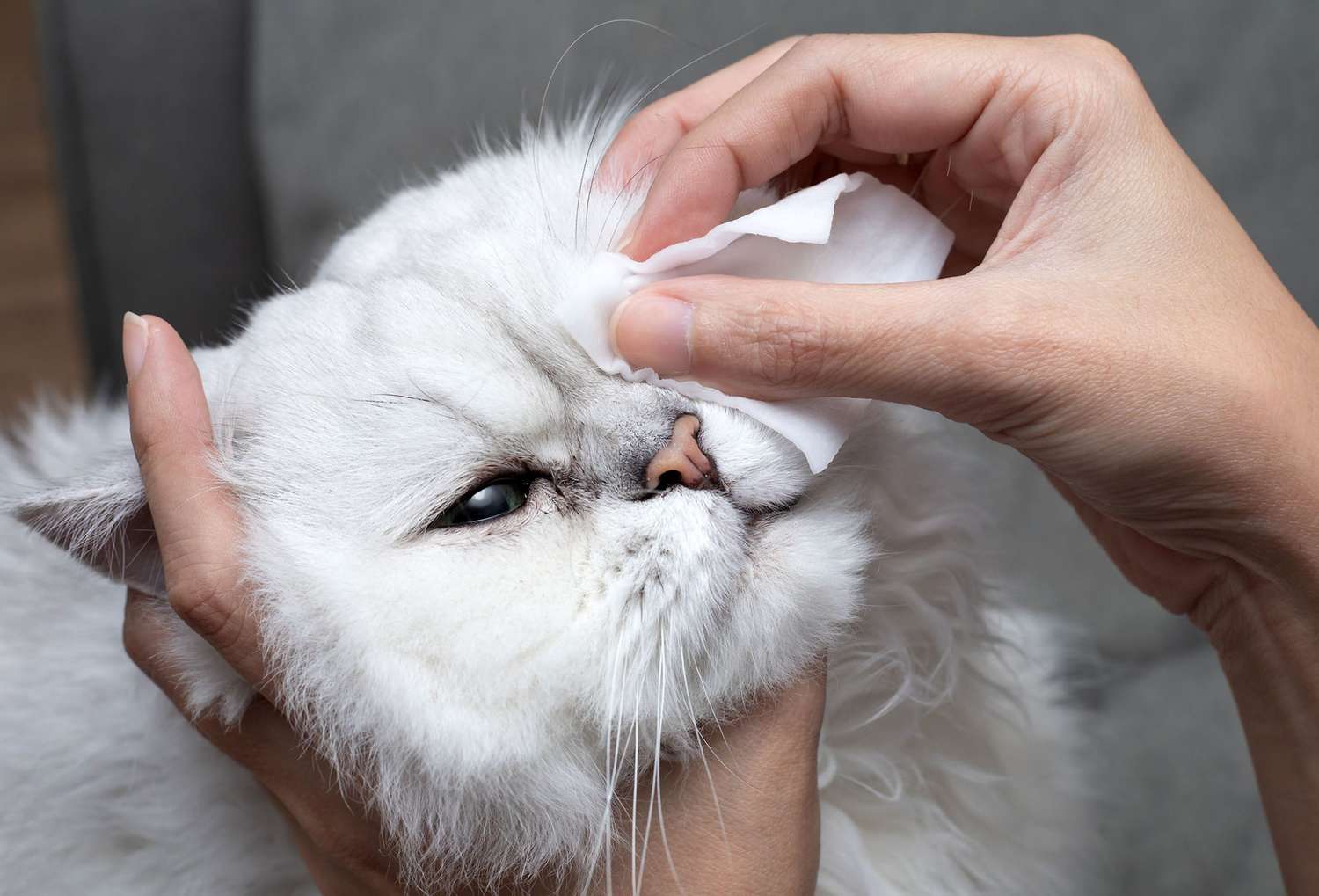
If your cat has been scratched in the eye, keeping him calm and away from other cats to prevent further injury is essential to his recovery. He may need to be isolated for some period depending on the type and severity of injury; eyelashes or debris entering wound can cause infection; infections from corneal ulcers must be treated promptly to protect your feline friend’s wellbeing.
When your cat begins scratching his eye or holding its lid closed, take her immediately to a vet. Not only so that the symptoms can be treated effectively, but to also ensure that a corneal ulcer or herpesvirus conjunctivitis does not develop. There may be home remedies you can try in an effort to ease his discomfort; if these fail to help or worsen instead, make an appointment immediately with a veterinarian.
As soon as your cat begins rubbing his eyes, take immediate steps to stop him. Rubbing will only exacerbate any existing injury and worsen it further, so try distracting him with activities or toys to encourage him not to touch it again.
Your veterinarian may prescribe antibiotics or steroids for your cat’s eye injury, which will need to be given correctly in order for him to recover. An Elizabethan collar will prevent him from licking at his wound while also allowing medication to reach it more easily – though this will require you to hold him down at first – however it’s vital that these instructions from his veterinarian are strictly adhered to so the medicine reaches him as instructed.
Some medications prescribed to your cat may have an unpleasant flavor and lead to excessive drooling; this is not necessarily indicative of pain but instead caused by its taste. If this happens, wipe his face to eliminate the flavor from his mouth and stop him from licking at his wounds.
In some instances, particularly if a cat is suffering from more serious corneal ulcers or herpesvirus infections, surgery will be necessary in order to protect its eye. As most cats won’t accept wearing an eye patch, surgical procedure involves closing off the third eyelid over the ulcer or herpesvirus and creating a protective blanket of sorts to shield its eyes – this will be removed in a week’s time while antibiotic eye drops are given; most corneal ulcers heal within two weeks using this approach.