 Lisa Thompson
Author Archives: Lisa Thompson
 Lisa Thompson
Author Archives: Lisa Thompson
Dogs consuming cat poop is a fairly common behavior known as coprophagia and instinctively learn it early on in their life.
Avoid punishing your dog for raiding the cat litter box – punishment will only reinforce his behavior and make it harder for him to break out of it in future.
Though it may seem gross, many dogs enjoy eating cat poop as part of a natural behavior called coprophagia. Scavengers like coprophagia as it indicates their diet needs replenishment or can indicate your dog lacks essential vitamins and nutrients.
Some owners have had great success breaking their dogs of this habit by teaching them a simple “leave it” command. This technique involves training your pup to associate eating poop with something more rewarding than eating it – you can use leash or nose halter to control him/her while giving verbal commands like “leave it. Over time this training will replace their undesirable behavior with more desirable actions.
Another method for breaking the habit is reducing stress levels for your dog. Anxious dogs may attempt to alleviate their discomfort by eating their own or their litter box poop; this can become a vicious cycle. Some owners use taste-aversion products like For-Bid to make stool less desirable to their pets.
Before taking any other steps, it is wise to consult a veterinarian. He or she can identify any underlying medical problems and develop a strategy to stop your dog from eating cat poop.
Dogs that ingest cat poop can be at serious risk from its contents. Fecal matter may contain harmful bacteria, parasites and viruses which could make your pup sick, as well as cat litter which can block up his digestive system and potentially be toxic.
Before trying to stop your dog from eating cat poop, it is essential that you understand why they do it. While not ideal, many dogs consume waste produced by other animals for various reasons such as being under-stimulated, bored, or looking for treats; or it could even be that they’re trying to compensate for nutritional deficiencies by snacking on other people’s waste products.
At any rate, it’s wisest to act swiftly to prevent your dog from eating cat poop as soon as it becomes evident. Utilize positive reinforcement training and management techniques to stop him or her picking up on this unpleasant habit.
Start by placing the litter box out of reach from your dog. Additionally, try giving them plenty of exercise such as going for walks or enrolling them in puppy obedience classes to keep them busy instead of digging through cat poop. This will tire them out while giving them something else to occupy their minds instead.
Consuming cat poop is gross and could potentially pose health risks to your dog. Therefore, if he or she is regularly eating cat feces then consult a vet as soon as possible.
Your vet can assist in understanding why and how your dog is eating cat poop, and devising strategies to stop this behavior. For instance, if it appears to be due to boredom then more exercise and play time may help – something which should also apply when dealing with cats who eat their poop as food!
If your dog is eating cat poop to satisfy their hunger, you will need to transition them onto a more nutritious diet and deworm them regularly as this could expose them to intestinal parasite eggs that cause illness in their gut.
One way to discourage your dog from eating cat poop is to cover its feces with pepper spray, making them smell bad and taste unpleasant. Baby powder or cornstarch coating could also make the poop less appealing to your pup, though remember not punish your dog as this may increase their interest in such behavior.

Nothing beats seeing your dog with his mouth full of cat poop or inhaling that pungent scent of it! Not only can it be gross and unsafe for him/her but it may also pose health risks like fleas, worms and Salmonella which can have adverse health impacts for their bodies.
Though it may come as a shock, your pup’s interest in eating cat poop may not be abnormal – coprophagia refers to the natural instinct for some dogs to forage for food in any available source, often caused by exploration or boredom/lack of exercise.
Keep your dog’s litter box out of reach to stop him eating cat poop! Most pet stores carry lidded litter boxes which help contain the smells, as well as making entry harder for dogs. Moving it to another room might also work, while positive reinforcement training and interactive toys may tire your pup out so he becomes less inclined to raid his litterbox!
If your dog has taken to eating cat poop, it is essential that steps be taken immediately to stop this behavior. Not only is it disgusting for both pets, but eating contaminated cat feces can cause stomach issues, parasite infestation and potentially deadly diseases if consumed regularly.
However, it’s important to keep in mind that not all dogs who eat cat feces do so due to illness or nutrition deficiencies; many simply do so out of boredom or curiosity and younger dogs are more likely than adults to demonstrate this behavior.
One effective way to keep your dog entertained is to give them lots of toys to play with. Rotate the toys each day so they have something new to explore. Also try giving your pup chew toys or food puzzles as ways to occupy his time.
Moving the litter box out of reach may also prevent your dog from eating cat poop. Install it somewhere your pup cannot access, such as in a bathroom or spare bedroom – installing a doggy gate may also help!
Nothing could be grosser than watching your dog consume cat poop. Not only is this act unsanitary and potentially hazardous for their health, as cat feces can contain bacteria and parasites which could make your pup sick; additionally, ingestion of litter could block up their digestive system, leading to blockages. If this behavior persists in your pup it’s essential that it stops immediately!
Your dog could be eating cat poop for various reasons, including boredom, an underlying health condition or lack of nutrients. There are various things you can do to stop their behavior such as keeping litter boxes out of reach or using stool deterrents to help your pup kick this bad habit.
Consuming cat poop may seem harmless to dogs, but it can be dangerous for their health. Eating cat poop may expose dogs to infections and parasites as well as lead to other issues. If you are worried about what your pup is eating, consult a vet immediately as this behavior could potentially become habit-forming; also use some of the tips above in order to help break their unwanted habit.
Dogs may consume cat poop for various reasons, from boredom to nutritional deficiency. While it could potentially pose risks in terms of parasites or diseases being inhaled by your pup, the behavior can be corrected with management techniques and positive reinforcement training.
Find a muzzle that comfortably covers your dog’s snout without pinching or chafing, then place some of their favorite treats (frozen peanut butter, cream cheese or baby food can all make good choices) into its gaps and allow your pup to nibble through it for several days as this helps create positive associations between wearing a muzzle and positive experiences instead of fear or punishment.
Once your dog has become comfortable wearing their muzzle, ask them to perform an engaging trick that keeps their mind off poop while wearing it. A sit or target might do just fine; or train them to perform exercises while wearing their muzzle such as giving you paw or lying down.
If your dog still seems to be eating cat poop, consult with your vet. He or she can recommend a behaviorist who can assist in training them not to.
Daniel Salkeld is an expert disease ecologist from Marin County in California. On a warm spring day, he trails a white flannel blanket along the coast, pausing every 20 meters to inspect it closely and pluck any ticks from it that attach themselves.
He’s studying ticks to understand why their carrying rates of Lyme disease, Rocky Mountain spotted fever and tularemia appear to be on the rise – as human development appears to alter their habitats.
New Hampshire is well known for its stunning wilderness and outdoor activities, but it also plays host to an abundance of ticks. These bloodsuckers thrive in New Hampshire’s warm temperatures, rainfall and lack of snow cover — ideal conditions for their hatching and adulthood. Of the species prevalent here, deer ticks (Ixodes scapularis) and brown dog ticks (Rhipicephalus sanguineus) pose the greatest danger – both can spread diseases that threaten humans; the deer tick in particular transmit Lyme disease while also transmitting anaplasmosisis Babesiosis Ehrlichiosis or Powassan encephalitis to humans.
Lyme disease in New Hampshire can generally be effectively treated with antibiotics; if you believe you’ve been exposed, seek medical assistance immediately – symptoms include fever, headaches, fatigue and muscle/joint pain.
New Hampshire residents can help researchers track tick populations by submitting ticks to beBop Labs, a free crowdsourcing program which analyzes ticks and their pathogens. Between 2018-2021, 14,252 ticks from across the state were collected for this analysis by beBop Labs; data revealed high infection rates among blacklegged ticks in Hillsborough, Rockingham, Strafford Counties with infection rates near 60% in Belknap Carroll Cheshire Sullivan and Sullivan counties; also examined was Borrelia burgdorferi bacteria associated with Lyme disease while Anaplasma phagocytophilum bacteria can cause flu-like illness with symptoms including headaches chills sweats sweats fatigue and exhaustion.
Loudoun County and Virginia residents planning outdoor activities during the coming warmer weather months should be wary that these can pose tick risks. Recent mild winters have helped expand a tick population that carries infectious bacteria such as Lyme disease into new territory, according to CDC data.
The Black-legged or deer tick (Ixodes scapularis) has long been responsible for high instances of tick-borne illness in the Northeast, but has recently spread further south and east thanks to warm temperatures and abundant vegetation. People across several states are reporting higher-than-usual incidences of Lyme disease due to this increased exposure.
Pennsylvania leads in cases of tick-borne illnesses in the North Central region, followed by Indiana and Virginia. Furthermore, Virginia hosts newly-imported Gulf Coast ticks which have the ability to transmit American tick bite fever as well as bacteria which cause symptoms similar to Rocky Mountain spotted fever.
The three most prevalent tick species in this region are Amblyomma americanum), brown dog tick and American dog ticks. Of particular note is the lone star tick (Amblyomma americanum), which transmits pathogens that lead to rash illnesses that are sometimes misdiagnosed as Lyme disease; anaplasmosis ehrlichiosis and tularemia which cause “red meat allergy.” Furthermore, their nymphal stages are especially dangerous, being difficult for people to spot due to being about the size of a poppy seed!

Once the snow melts, ticks emerge from their hiding places in leaves and duff, crawl onto grass, flowers, weeds, stick their arms out to wait for their hosts – something familiar to turkey hunters, mushroom pickers and many other Minnesotans who enjoy outdoor recreation.
Blacklegged ticks – more commonly known as deer ticks in Michigan – are one of the leading carriers of disease, capable of transmitting Lyme disease, Anaplasmosis and Babesiosis. Deer ticks can be found year-round; on warm winter days they tunnel upward through snowbanks in search of hosts.
Researchers are trying to gain a greater understanding of certain patterns, like why certain areas have more ticks than others. Furthermore, they’d like to understand more about how ticks spread and the most effective methods of reducing their numbers; pasture management or managing how tall your grass is are two great tools in doing this.
While most Minnesotans understand the threat posed by blacklegged ticks, another tick has recently appeared in south-central and southeastern states: the lone star tick. This tick can transmit diseases including anaplasmosis and babesiosis and has eight legs with brown to tan hues that look similar to wood ticks; therefore it is essential that individuals can differentiate them.
Massachusetts is home to three types of ticks: deer ticks, dog ticks and lone star ticks. Deer ticks are the most prevalent in Massachusetts, transmitting Lyme disease. Dog ticks also exist throughout Massachusetts and can carry Lyme as well as several other illnesses including Babesiosis, Spotted Fever Rickettsioses (like Rocky Mountain Spotted Fever and Anaplasmosis), Tularemia and Powassan virus infection.
The lone star tick is found across much of North America, often traveling to areas with large populations of deer or turkeys. They can transmit infections such as ehrlichiosis and tularemia; additionally they play an integral part in spreading new infections known as “Lone Star Disease.”
Massachusetts may have lower overall incidences of tick-borne illnesses compared to other northeastern states; however, its Lyme disease rate remains elevated due to Deer ticks being present year round in Massachusetts and spreading Lyme disease to its residents.
Statewide infestation of Asian longhorned tick has spread rapidly across Eastern North America over recent years. This tick can transmit Theileriosis disease to cattle, leading to blood loss, reduced milk production and an increase in mortality for calves. Furthermore, it has the ability to spread to humans as well as farm animals such as goats, sheep pigs and chickens as well as wild birds.
New Jersey, with its rugged coast, dense forests and farmland terrain is home to an abundance of wildlife. However, New Jersey also ranks among the worst states for tick infestation, with over 130,000 reported cases of Lyme disease, ehrlichia and anaplasma infections in dogs last year alone, according to IDEXX Laboratories.
Garden State wildlife includes native squirrels and Eastern chipmunks as well as an array of invasive species like groundhogs, Virginia opossums, skunks and white-tailed deer. Unfortunately, the region is also threatened by an Asian longhorned tick infestation with red-brown legs which feed on numerous mammals–including humans!
Blacklegged ticks that carry Borrelia burgdorferi bacteria responsible for Lyme disease tend to be most active during spring and summer when temperatures allow nymphs to transform into adult ticks and search for hosts to bite. Unfortunately, this timeframe also coincides with when many people enjoy going to beaches where Lyme disease-carrying ticks can often be found near water bodies.
These pests find hosts by “questing,” an activity in which they climb to the tips of vegetation and stretch their front legs in search of prey. When ticks find one they attach themselves and begin feeding; biting into a host and injecting saliva containing pathogens into his or her bloodstream in this manner – transmitting diseases such as Lyme disease, Babesiosis and more into that host’s system. To protect yourself and your pets from these unwanted visitors use a tick spray that kills ticks upon contact with skin!
New York’s tick population is growing quickly and causing considerable concern among both residents and visitors. Due to an unusually wet and mild winter, ticks carrying diseases like Lyme disease and babesiosis were able to thrive early this spring and are already moving northward through parts of Hudson Valley where one deer tick with Babesiosis was identified.
City residents may encounter several species of ticks, such as American dog ticks, blacklegged deer ticks and lonestar ticks that carry pathogens – including bacteria known to cause Lyme disease – across parks and green spaces across NYC. Blacklegged ticks are most frequently found here and can be found among grass blades, brush piles and trees in parks throughout all five boroughs; Staten Island and Bronx in particular experience an increase in their populations.
Thangamani’s lab is conducting an in-depth monitoring program known as TickMAP(tm). At the end of 2018, they’ll have a more clear idea about where changes are taking place, according to Thangamani.
He recommends New Yorkers wear long pants, shirts and insect repellent when spending time outdoors this summer. People should also avoid brushy, densely wooded areas in favor of clear trails to minimize tick exposure. When venturing outside he suggests conducting full body tick checks promptly.
Clindamycin is a broad spectrum antibiotic designed to treat multiple forms of infections in dogs. Generally given in tablet form or as liquid doses for best results. Due to its bitter taste and potential to cause drooling issues, it should always be administered along with food.
When giving pills to your dog, always do so with water so as to prevent any lodgement in their esophagus and subsequent ulceration. Also follow all instructions provided by your veterinarian.
While clindamycin can be very effective against many bacterial infections in dogs, it may also trigger allergic reactions in certain dogs. Dogs that have experienced previous skin allergies (eczema or hives) are more prone to adverse side effects from this antibiotic medication and should only take it under close veterinary supervision. It should also be used cautiously by those suffering from liver or kidney disease since taking too much could increase liver enzymes levels leading to elevated levels of bile acids entering their bloodstream causing damage to organs affecting organ function affecting them organ health causing further organ harm
Clindamycin’s most frequent adverse side effects are digestive related, such as stomach pain, nausea and watery or bloody diarrhea in your pet. These symptoms often develop shortly after starting this medicine and should disappear once their bodies have had time to eliminate the excess medications from their system. It’s recommended to administer their dosage with food to decrease chances of unpleasant reactions as this helps the drug absorb faster into their systems.
Long-term use of clindamycin may lead to the growth of antibiotic-resistant bacteria in your pet’s digestive system, making future infections harder to treat. Please take the necessary steps in accordance with your veterinarian’s recommendation to administer this antibiotic at its full dose and duration.
This medication should usually be given orally in capsule or liquid form; however, injection may also be possible depending on its formulation. Your veterinarian will advise on which formulation would work best for your pet, with most veterinary pharmacie carrying this medicine and compounding pharmacies offering custom tablets or liquid solutions with less bitter flavors if your pup dislikes its bitter flavor.
Your vet should conduct an in-depth medical history review before prescribing clindamycin to your pet, as it may interact with certain medications and cause health complications in some pets. Clindamycin can reduce levels of cyclosporine in their system and should only be taken in conjunction with neuromuscular blocking agents such as pancuronium for maximum effectiveness.
Dependent upon where their infection lies, how the medication is given and the bacteria it targets, some pets taking clindamycin may experience diarrhea as a side effect of taking this antibiotic medication. While it can be particularly distressing for dogs already dealing with stomach issues from taking antibiotics, such symptoms should generally only last temporarily and be minor side effects; your veterinarian will provide instructions to manage side effects effectively.
Clindamycin works by blocking certain proteins within susceptible bacteria cells and thus stopping their growth and multiplication. Additionally, it may interfere with key proteins produced by certain strains of bacteria, ultimately leading to their death. As a lincosamide antibiotic medication it’s used for infections of skin, bones, joints, kidneys lung mouth – as well as being an ideal replacement drug for pets that are allergic to penicillin-based medication.
Oral clindamycin medication given to dogs can lead to vomiting and bloody or watery diarrhea in some instances, particularly if given on an empty stomach. For best results, give this antibiotic with food but never exceeding what your veterinarian prescribes in terms of dosage or frequency. In case your pet experiences other gastrointestinal discomfort while on this antibiotic, your veterinarian may suggest probiotic supplements in order to restore normal gut bacteria balance.
As overdoses can have serious implications, it’s essential that you follow your veterinarian’s instructions when giving clindamycin to your pet. Your vet will explain how best to administer it with liquid or pills and what kind of food should accompany it. Dry pills should be avoided as they can get stuck in their throat and cause ulcers; alternatively you could try hiding medicine within treats in order to make the medicine more palatable for your pet.
Some veterinary clinics provide compounding medication tailored specifically to your pet’s needs by a veterinarian or licensed pharmacist, who creates it on an individual basis to meet them. Compounding may be prescribed if your pet is having difficulty swallowing pills or does not respond well to FDA-approved formulations of this medicine.

Dogs prescribed clindamycin may experience various gastrointestinal side effects, including stomach pain and nausea. If these side effects arise, they can make your pet very uncomfortable and could indicate that the medication is no longer working effectively – consult your vet about possible symptom relief solutions.
Clindamycin comes in both pill and liquid forms and should be taken orally by your dog. To ensure maximum absorption, try giving this medicine with water or food so that the medication enters their system quickly without staying in their esophagus and leading to ulcers. Since clindamycin has an extremely bitter flavor, you may need to hide its pill among some of their favorite treats in order for them to take it without issue.
Keep in mind that this medication may lead to loss of appetite in some dogs, so make sure you pay close attention as to their reactions while on it. If they appear lethargic or are no longer eating as expected, please reach out immediately to a veterinarian for advice.
Diarrhea, whether bloody or watery in nature, is another symptom that may arise in an animal suffering from chronic conditions. When this happens, your vet may administer dehydrating agents like IV fluid bags as a dehydrating measure.
Some dogs with severe kidney or liver diseases should only receive a reduced dosage of this antibiotic due to increased liver enzymes that could pose serious risks. Furthermore, it’s essential that any dogs who have colitis, asthma or allergies that could potentially cause skin issues be administered this medication with extreme caution.
This medication is generally safe, though you should be wary of some potential side effects. Your vet should review your dog’s medical history and medications prior to prescribing this one for them; if other drugs will also be being given at the same time as this one, blood work should be conducted prior to and post administration to check for interactions that could arise from using both at once.
Clindamycin may cause discomfort at the injection site for some dogs receiving antibiotics for serious infections like pneumonia or meningitis, particularly if given intravenously or subcutaneously. Over time, however, most dogs should adjust to it and experience less soreness at their injection site than initially anticipated; otherwise it may remain sore for several days after administration.
Veterinarians use clindamycin to treat infections caused by bacteria and protozoal organisms, including osteomyelitis. Additionally, this antibiotic may help manage wounds, dermatitis, abscesses, bite wounds, dental infections and toxoplasmosis infections that affect some cats and dogs.
Antirobe, Cleocin and Clinsol are available as liquid, capsule and tablet formulations and sold by many animal pharmacies; orally administered cat medicine can also be administered.
Clindamycin works by inhibiting the production of proteins necessary for bacteria survival. As such, it acts as a broad spectrum antibiotic effective against bacteria, protozoal organisms, viruses, and some fungi; and in addition has proven successful against some forms of malaria.
This medication should not be given to pets with severe kidney or liver diseases, colitis or allergies that cause skin problems, asthma, eczema or other inflammatory conditions, nor those pregnant or nursing pets.
Veterinary doses of an antibiotic range between 2.5-15 mg per pound of your pet’s bodyweight every 12 hours. If a wound becomes infected, or an abscessed wound or dental infection arises, dosage will likely increase significantly; your veterinarian will prescribe more intensive therapy.
When using this antibiotic, follow your veterinarian’s instructions exactly and inform him/her if your pet has any additional medical conditions or is taking medications such as vitamins or supplements – this will allow him/her to determine an accurate dosage of clindamycin for your pet. Furthermore, bloodwork should be conducted periodically on prolonged use to assess liver and kidney functions.
Once your cat has come to the end of its life, making the difficult decision to put him or her down humanely can make things easier for both of you.
Some pet owners choose to euthanize their cats at home instead of visiting a vet’s office, as it can provide comforting relief for animals who do not take well to car rides and visits from medical personnel.
No owner wants to make the difficult decision of euthanizing their beloved pet. Unfortunately, in many cases of untreatable medical conditions or just natural old age effects on cats, euthanasia may be the kindest course. Luckily, many vets offer home euthanasia services which makes the process more convenient for both the owner and cat alike. If you are considering this path for yourself or your feline companion, speaking with their veterinarian before hand can ensure you know what’s ahead and can prepare yourself emotionally and mentally for when the time comes for saying goodbye.
Ask the vet to come directly to your house instead of sending an employee. Although this option may cost more, many owners prefer it when saying goodbye to their pet in their familiar environment and with family nearby. This may especially benefit cats that experience anxiety when riding car rides and visiting vet clinics.
Selecting an ideal time and place for you to put down your cat can also ensure a more peaceful process. Consult with the veterinarian on what to expect as well as an ideal time of day that might bring peace and quiet, especially important if older cats may become overwhelmed by noise and activity in a veterinary office.
After conducting euthanasia, it will be important to prepare a space for your cat’s body once the procedure has taken place. This could be anything from a box, blanket or room within your house – it is best to plan this ahead of time as doing it in an emotional moment can be hard. Some may choose burial after euthanasia which provides for an effective farewell ritual and allows a peaceful send off for them and allows a good goodbye experience – then all that remains is saying your last goodbyes and being there during their last moments –
As a cat owner, one day you may need to say farewell to your beloved feline companion. While this is always difficult and heartbreaking for all involved, sometimes it may be the only humane solution if their health becomes such that they no longer enjoy life.
If you decide to euthanize your pet at home, you will require the necessary supplies. The most crucial element will be an appropriate container that can securely contain them and features lockable doors – this could include anything from a cage/crate combo or plastic carrier with front opening door to plastic carriers with doorways on both ends.
Before injecting, your cat will require a sedative to ensure they remain calm and relaxed during the procedure. If there are other family members present for the euthanasia, try organizing it so they can attend in small groups so as to reduce stress for both yourself and the feline being put to sleep. This will minimize emotional strain for all involved parties involved and lessen stress for everyone present during this momentous occasion.
Once you have the necessary supplies in place, the next step should be preparing the house for the procedure. Turn off TV and music as this will create a more peaceful experience for your cat; dim lighting may also help. Finally, remove any plants that could harm the animal such as Amaryllis, Azalea, Baby’s Breath Bird of Paradise Calendula Cyclamen Diffenbachia Daffodils Easter Lilies Eucalyptus Ivy Mistletoe Oleander Peace Lily Primrose Tiger Lily from your home and garden.
Before making any decisions, it is essential to remember that any form of euthanasia will require payment if performed outside of veterinary services. There may be low-cost services available – please reach out to your local Humane Society or SPCA for more information about these options.

Some pet parents prefer euthanizing their cat at home rather than at a vet’s clinic for various reasons. Perhaps their cat will feel more at ease at home and their last day with him/her can be spent without distraction and with lots of love and attention from all family members present; or possibly their feline may not enjoy the clinic atmosphere and become anxious or uncomfortable in such an enclosed setting.
Decisions concerning cat euthanization can be highly emotionally taxing. Only you know when is right for your cat and this choice will have far reaching ramifications on all family members involved. Before making such a hard choice, try changing its behavior before reaching out for help from an animal behaviorist or vet if necessary.
If you make the difficult decision of euthanizing your pet, then planning their burial site is also key. Many opt to bury their pet at home which can be an emotional way of remembering them, however it may not always be suitable depending on where you reside and burying the body may not always be allowed within certain communities – in which case, consider visiting a pet cemetery instead if that option exists in your community.
After your pet has been sedated, administer an injection of pentobarbital; this will quickly stop their heart and breathing.
If you have children, it is essential that they understand what will happen to their pet and understand why one day their beloved cat or dog will die. Reading books about pet loss together and discussing its significance as well as respecting other’s feelings and beliefs are helpful ways of providing support during this difficult process. Though others may make unsupportive remarks about what’s best for both your family and their furry friend can be tough, do what’s right in your own eyes and act accordingly.
At some point, you will have to say goodbye to your cat. While this can be an emotional process, being prepared in advance can make the experience less traumatic for both of you. Whenever possible, conduct euthanasia at home for maximum peace and comfort for both parties; also helping grievers deal with memories more easily.
Your cat needs time with you in their final days; give extra ear rubs, cuddles and tell them how much they mean to you. This can help ease transition and provide them with one last happy memory of their life with you. Additionally, play soothing music or read one of their favorite books; speaking to others who have also lost pets may be comforting.
Decisions on how you will handle your cat’s end-of-life should also include whether or not to attend its appointment with their veterinarian. Most vets welcome owners being present; if not, that is fine too – whatever works for you and discuss this option with them beforehand to make an informed decision.
If you choose to be present for the euthanasia of your cat, be sure to have someone hold her as you say your final goodbyes. Many pets feel comforted by having human presence during this difficult moment – although some cats prefer not to be held during this last phase.
Once your cat has been euthanized, you must choose how you will dispose of her body. Some choose burial while others opt for cremation – it is wise to consult your veterinarian when making this decision as they can provide guidance on proper disposal methods for their remains.
Many dogs explore their environment using their mouths, so their snouts can come into contact with many types of bacteria. While this exposure may increase exposure for human beings, dog saliva generally doesn’t carry germs that could make people ill.
Spray your dog’s mouth with oral spray to eliminate plaque-producing bacteria and freshen their breath, taking care to avoid over-touching their tongue or gums to avoid gag reflex.
There are various pet toothbrushes on the market to choose from; select one that will best suit your dog and be comfortable for them in their mouth. Begin brushing gradually, building up to daily cleanings. Allow them to taste the toothpaste and associate it with positive attention or treats; brush in small circles while covering top and bottom side teeth and gums as well. If they seem uncomfortable during brushing sessions, stop and try again in a few days; dogs don’t generally like having their mouth touched like humans do, so give it time.
Brush your pup’s teeth every day as their saliva builds up plaque quickly, leading to gum disease and other health issues if left alone. Many vets advise incorporating this routine into your pup’s everyday activities early so their dental health remains in top shape as they get older. This way, their dental hygiene remains sound.
Human toothpaste contains ingredients which can be harmful to dogs, so make sure that the flavor you select appeals to them. In addition, purchasing pet-safe chews and treats which help prevent plaque build-up as well as scheduling regular professional teeth cleaning appointments can all help keep their smile in tiptop condition.
Although dogs’ mouths tend to be cleaner than humans’, this difference is mostly attributable to people practicing better oral hygiene than most dogs do. That doesn’t necessarily make dogs’ more hygienic; both species share hundreds of microorganisms within their oral cavities.
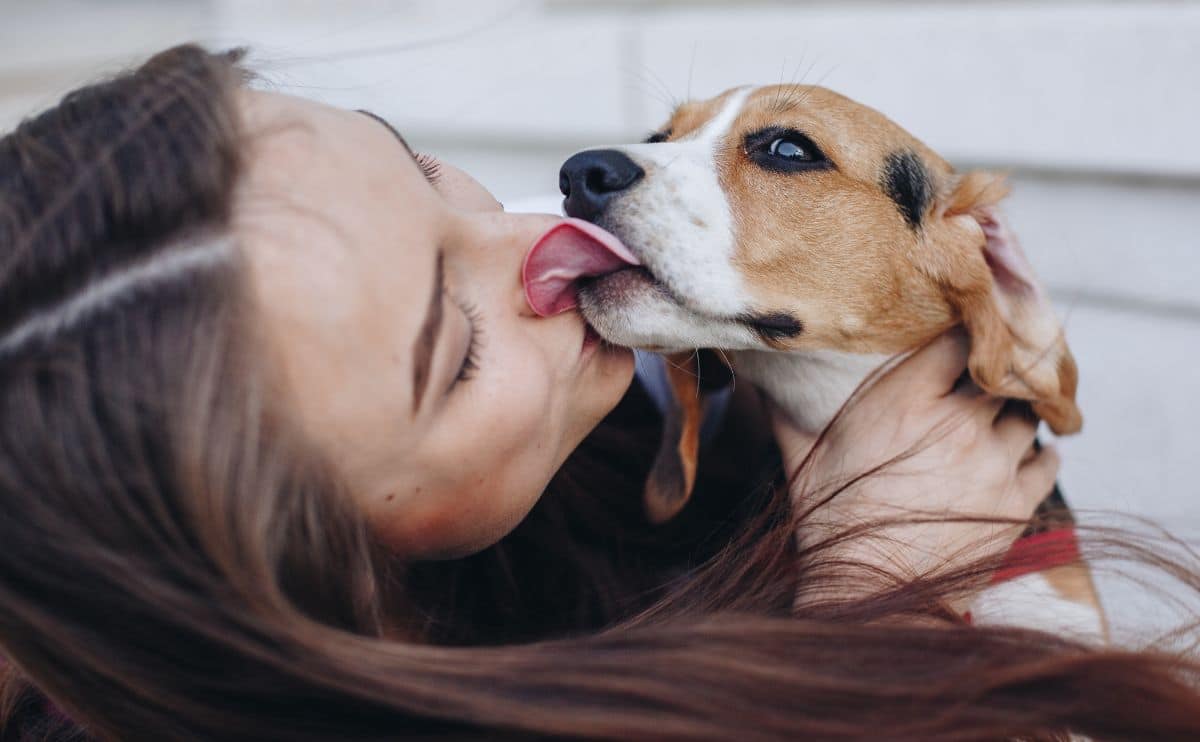
Though it is best to avoid sharing food or drinks with your dog, they tend to be less likely than other people to give you a cold. Still, kissing them could contain bacteria and germs that could make you sick; some germs, like Pasteurella, can even cross between animals and people and spread illness through saliva exchange.
As you likely know, your dog’s mouth contains many bacteria that could potentially cause infections in humans if they come in direct contact with eyes or skin. That is why it is vital that your pup gets his/her teeth brushed regularly and receives professional cleaning every six months.
Make sure that your dog chews on toys, bones, or dental chews that will assist with cleaning their gnashers regularly – these products will help remove plaque build-up while simultaneously reducing tartar. While toothbrushing remains an invaluable daily habit for maintaining good oral hygiene for dogs, chewing products like these are an excellent addition to their regimen.
While some dogs may resist having their teeth brushed, you can train them to tolerate the process by first letting them smell and taste toothpaste before you use it on their gums. Next, start by gently massaging some of their teeth with your finger until they become used to it; once they accept you touching their mouth you can try gently lifting their lip to expose their gums before brushing a couple at a time using a soft-bristled dog toothbrush.
If your dog has difficulty sitting still during brushing sessions, try offering them a dental chew. These chews typically consist of rawhide or cow hooves and contain ingredients designed to prevent plaque and tartar build-up as well as release enzymes that destroy bacteria.
Before purchasing any dental chews for your dog, be sure to consult with a Ruckersville vet for recommendations based on his needs and diet. Every dental chew has its own level of effectiveness – some carry the VOHC seal of approval while others may contain materials which might not suit every pet’s requirements. Be sure to ask your veterinarian which option would provide maximum benefit to your pup’s dental health! They’re happy to assist!

Dogs love chewing on things we would consider dirty, from old shoes in the closet to trash in the kitchen. Their mouths often contain bacteria which cause bad breath and other dental issues like plaque and tartar build-up; in turn this bacteria may lead to gum disease and tooth loss, making it essential to keep their mouth as sanitary as possible.
There are many simple and straightforward ways to promote the oral hygiene of your dog. Offering them dental treats every day, brushing their teeth on a regular basis or using special toys with ridges and nubs designed to reduce plaque and tartar build-up are all good strategies. Furthermore, you could try giving your pup special kibble designed specifically with their dental health in mind; such products feature textures designed to scrub their teeth to reduce plaque build-up while other may contain ingredients scientifically designed to combat bacteria buildup in order to promote healthier teeth!
Establishing a healthy diet for your dog is the first step toward protecting their dental health. Choose a high-quality kibble that’s low in sugar and acid content, made up of different protein sources that is consistent in its quality, as well as being regularly fed on schedule while offering plenty of fresh clean water to drink.
If your dog has persistent bad breath, it should be evaluated by a veterinarian immediately. They could have a dental issue which requires treatment before worsening; additionally they may require antibiotics to combat infections.
Though you might be tempted to kiss your pup due to his or her fresh, clean breath, it is best to refrain from doing so if you have open wounds or broken skin. The bacteria found in their mouths could spread onto your skin and trigger an allergic reaction ranging from itching and rashes all the way up to full-blown anaphylactic shock.
The old saying that dogs have cleaner mouths than humans is certainly untrue. Both species possess an array of bacteria in their mouths; though some species share similarities, most do not. Brushing teeth regularly, using dental chews, and visiting your vet regularly for teeth cleaning will all help ensure your pup’s mouth stays as clean as possible.
Many pet parents squirt mouthwash or give flavored toothpaste to their dog as a means to reduce bacteria levels in his or her water bowl or mouth. Although this method can help, this should never replace brushing or chewing to ensure complete bacteria removal. Also note that human-grade mouthwash contains xylitol that could prove deadly for your pup!
When brushing your dog’s teeth, be sure to wear gloves and always clean and rinse your hands afterwards. Brush in short bursts as your dog may try to bite or lick you when brushing; remain positive while doing this as this could take time until your pup adjusts.
Your dog should have his or her teeth professionally brushed at least twice weekly to reduce bacteria build-up in his/her mouth, which could otherwise lead to gum disease, bad breath and other dental issues.
Soft bristled toothbrush and dog toothpaste is the best way to keep your pup’s teeth in top condition. Beginning early brushing sessions will help them develop great dental habits that will last their whole lives!
Have you heard the old adage that dogs’ mouths are cleaner than human ones? Quite the contrary! Comparing dog and human mouths would be like comparing apples and oranges; both species carry hundreds of different strains of bacteria in their mouths that could potentially cause diseases in one species but would most likely have no bearing on another’s wellbeing.
Brushing and dental chews are an effective way to keep your dog’s mouth in top condition and help reduce bad breath and other dental issues. If they won’t let you brush their teeth, consult with your vet about safe chews that will scrape plaque off their teeth; these may even have additional advantages like soothing sore gums and decreasing bad breath!
Yogurt offers dogs health benefits through probiotics found in its ingredients. Unfortunately, however, some yogurt varieties contain too much sugar which could potentially harm them.
Plain yogurt without added sugars or artificial flavors is best for your pup, and be sure to read over its ingredients to ensure it does not contain xylitol which can be toxic in large doses.
Fage yogurt has been independently verified as safe for dogs. Packed full of healthy probiotics, calcium, potassium and protein; its probiotics aid with gut health while simultaneously strengthening immunity.
This yogurt is low in fat and free from artificial sweeteners or flavors, making it ideal for puppies with weight concerns or lactose intolerance. Plus, it is both gluten- and dairy-free to make sure dogs with sensitivities can safely enjoy it; in addition, there’s no sugar added at all so a healthier choice for glucose intolerance issues! Please always read ingredient lists carefully when giving any product to a dog as these often contain xylitol which can lead to hypoglycemia and liver failure if consumed regularly!
As with any dairy product, yogurt should only be given in small doses to dogs. Too much may cause digestive issues such as gas and diarrhea and could even lead to pancreatitis in certain breeds of dog. In addition, dairy products contain lots of fat which could potentially contribute to obesity, heart disease and diabetes in pets.
Yogurt contains casein peptides that demineralize plaque and tartar on your dog’s teeth while neutralizing bacteria responsible for tooth decay, helping prevent future dental issues in your pup. It’s an ideal way to help safeguard their oral health!
Yogurt provides dogs with an excellent source of protein to promote muscle growth and repair, as well as calcium for bone strength and healthy teeth. Furthermore, yogurt may help strengthen their digestive tract, immune system and reduce symptoms associated with UTIs.
Yogurt can help improve digestion while also providing your pet with extra calcium and protein. Yogurt also acts as a probiotic, supporting immunity. However, not all yogurt is suitable for dogs as some varieties contain too much lactose or other ingredients which could potentially be harmful. Furthermore, many dogs have difficulty digesting dairy products so feeding your pup yogurt should only ever be done so after consulting a veterinarian first.
Chobani has developed a special line of yogurt called “Happy Belly,” designed specifically to be healthy for dogs. This brand of yogurt features low levels of sugar and beneficial cultures while being made from whole milk for maximum protein and calcium intake for your furry companion.
Another fantastic benefit of this yogurt is that it does not contain any artificial sweeteners or flavors, reducing obesity and diabetes risks while eliminating artificial sweeteners such as xylitol which could prove fatal for your pet.
Finally, this yogurt is both gluten-free and non-GMO. Additionally, it’s USDA organic certified and Kosher certified – ideal for those with special dietary restrictions or dogs sensitive to fructose or added preservatives.
This yogurt for dogs stands out as one of the top options on the market due to its low sugar, high protein, beneficial bacteria content and gluten-free formula. Ideal for sensitive dogs.
One potential drawback to this yogurt for dogs is its lack of flavor, which may displease certain canines. Furthermore, only available in a small container makes sharing difficult between larger dogs. Overall though, it’s an excellent yogurt choice because it’s low in fat content and offers beneficial bacteria.
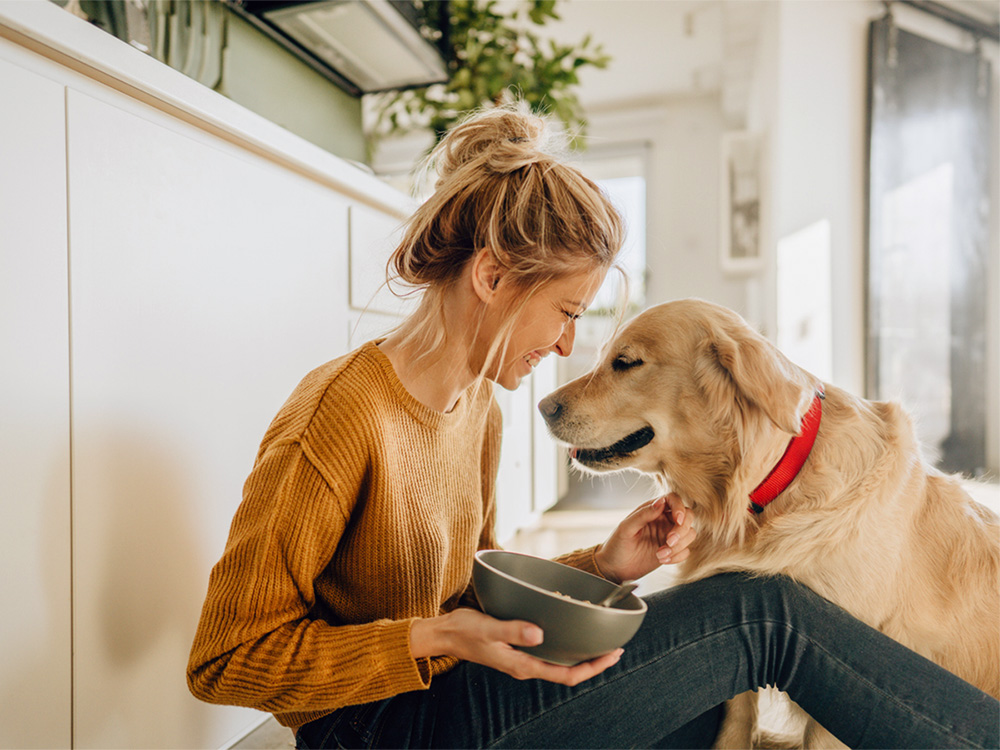
Stonyfield Farm, one of the world’s leading organic yogurt companies, has been crafting all-natural, certified organic non-fat and low-fat plain yogurt for 27 years. Distributing its products nationwide, the company advocates that healthy food comes from a healthy planet; to this end it has taken steps such as offsetting all C02 emissions generated from facility energy use by offsetting all C02 emissions generated through facility energy use as well as starting Climate Counts as an initiative that shows consumers how their purchases can help mitigate climate change.
The company is also committed to supporting family farms and communities thrive through programs like Field to Fork that send employees out onto family farms across the country to learn how farmers manage their land and livestock for sustainability. They support Organic Trade Association as well as encourage families buying local.
Yogurt can make an excellent treat for dogs, but it’s essential to do your research first before giving it to them. For optimal results, look for one made with all-natural ingredients without artificial sweeteners or preservatives that could harm them. When feeding yogurt to your pup, opt for one with low fat content and live probiotic cultures; any with xylitol may be hazardous and should be avoided altogether.
Yogurt can provide your dog with essential calcium. However, when selecting and feeding it to them it’s also important to take note of its composition and quantity consumed. Some brands contain more sugar than others which could lead to weight gain and other health concerns; thus if possible look for one high in protein and lower in fat.
Yogurt is an amazing dairy product packed with vitamins and minerals such as potassium, calcium, probiotics, and protein that provides energy and can aid in digestion, brain function, immune system health, as well as improving brain performance and memory retention. Yogurt can be an easy and affordable way to supplement your dog’s diet with necessary nutrition.
Yogurt can be an irresistibly tasty treat for dogs that helps support gut and immune health, providing calcium, protein, vitamin D, B vitamins, iron, magnesium potassium phosphorus in abundance. Yogurt should only be fed in moderation to dogs that do not contain artificial preservatives and sweeteners like xylitol which may be toxic to them.
Probiotic-containing yogurt is important, as its probiotics will support digestive health while fighting yeast infections that can cause itchy ears and skin. Furthermore, non-fat varieties will less likely result in weight gain in your dog.
Instead of choosing fruit-filled yogurts that may contain too much sugar and be unsuitable for certain dogs, opt for dairy-free yogurt like Yoplait’s Non Dairy Yogurt instead; its live cultures provide twice the protein per regular non-dairy yogurt while simultaneously having lower lactose levels.
Yogurt made with whole milk is another nutritious choice that’s both high in protein and low in fat, perfect for lactose-sensitive pups, containing active probiotic cultures as well as calcium for maximum absorption. Plus, its thick texture makes digestion much simpler!
One final option is combining plain non-fat yogurt with dog-safe fruits such as watermelons, cantaloupe, bananas or blueberries to create an irresistibly tasty smoothie for your pup! You can feed this as a tasty snack or use it as a delicious topping on their food dish.
All varieties of yogurt should be safe for dogs if they contain no artificial sweeteners and preservatives, but when selecting dairy-free varieties it is especially important to ensure they contain live active bacteria, which will help decrease lactose intake by your pup and potentially prevent stomach issues.
There can be many reasons for why a cat may come knocking at your door, from hunger or thirst seeking food or warmth; to protecting you from negative energy.
Cats have long been seen as signs of good fortune and psychic ability.
Cats have long been considered symbols of luck across cultures. Ancient Egypt worshipped cats as gods, believing that encountering one would bring good fortune and bring change in one’s life. Therefore, when a stray cat shows up at your door it could be seen as a good omen that greater fortune awaits in your future.
If a cat is meowing at your doorstep, they are most likely searching for food and shelter; perhaps even looking for somewhere new to live. It is important to keep in mind that if you do not feel comfortable taking in an unwanted stray animal it would be best left alone.
Free-roaming and feral cats don’t trust humans like domesticated ones do; therefore they avoid humans altogether and tend to hide from them. When seen straying about, feral cats pose a significant threat by transmitting diseases like rabies and fleas directly onto household pets – something domestic cats are generally immune against.
Feral cats are adept hunters and can survive on their own, appearing healthy at first glance. But these felines remain dangerous due to the fact they do not receive vaccines or regular medical care. If you are concerned about a stray cat’s safety, reach out to a local vet or rescue center and see if they have records for it; they will check whether it has been microchipped and help locate its owner.
Sometimes cats can come to your house if they are your spirit animal, which could be seen as a sign that you’re kind and compassionate person, as well as protecting from negative energies or spirits that threaten.
If the cat is your spirit animal, this indicates you’re both curious and cautious, making you an excellent problem-solver and leading you toward success in work and school environments. Furthermore, your intuition may be quite strong; pay attention to its advice so you can make wise decisions while keeping yourself safe.
Cats have long been seen as symbols of good luck and fortune. From spiritual practices such as shamanism, cat have long been connected with playfulness, speed and intuition – therefore when one comes knocking at your door it could be seen as an indication that fresh energy has entered your life.
Black cats are often thought of as good luck charms and believed to possess supernatural powers to ward off bad spirits and bring prosperity. Egyptian mythology holds Bastet as protector for family and community life – thus the black cat sign could signal good things are in store! The meaning behind its appearance could also portend prosperity in your future – so look out for her face!
An appearance from a calico cat is another great omen of good fortune and abundance in Asian cultures, often being placed near doors to attract more luck and prosperity. Many households and shops even place figurines of these cats near doors in order to encourage greater prosperity.
Cats have long been recognized as natural healers. When one visits your home, they could be trying to protect you from negative energies while the presence of a cat could also signal that healing services are required.
Some believe a dead cat at your doorstep is an omen of betrayal, or perhaps a signal that it is time to let go and begin healing from past injuries. Or it could just be showing that it is time to let go and move forward with life as before.
When a stray cat keeps coming back to your doorstep, they could be searching for food or shelter – or it may even be a sign from an angel looking over you! Additionally, feeding and petting it may give a cat some comforting companionship and affection.
An unexpected visit from a stray cat can be taken as a sign that your life will continue on a positive trajectory, particularly if the cat appears in your dreams or visions. Perhaps its presence indicates you are having a positive effect on those around you?

Black cats are widely perceived to be spiritual animals, and seeing one in your house can be taken as an omen that your spirit guide approves of your path ahead.
Cat symbols often signify sensuality and mystery, yet can also signal betrayal or independence and freedom. If a cat totem exists for you, make sure that you listen to yourself first rather than allow others dictate how your life should unfold. Cats also symbolize power and magic – some even claim they can bring back dead relatives from beyond the grave!
If you find yourself drawn to a stray cat, it is a wise move to familiarize yourself with it before adopting. Bring it into an animal shelter or hospital to have its microchip scanned; this could help reunite it with its original owner should one exist. If this option is unavailable to you, try finding someone else who will provide care for it instead – friends or family might do the job better than anyone.
The black cat has long been seen as a sign of good luck and protection, said to see spirits and ward off evil. Ancient Egyptians even worshipped them while Celtics saw them as guardians of another realm as well as symbols of magic and mystery.
Having a cat can be very comforting; they like being near their owners and sometimes follow them wherever they go inside or outside the home or outside your door, feeling safe with them or as though it knows them from another lifetime – some believe cats may even communicate with ghosts! If a pet cat follows you everywhere it could be that it feels connected with you from past lives – or just that it loves cuddling up to humans in general!
If a cat keeps showing up at your house, it could be an indicator that it needs somewhere to call home or just wants some food and shelter. Either way, its presence could spell good fortune! Or it could simply want some company.
Cats have a long tradition of being associated with spirituality and shamanism, serving as symbols of mystery, independence and the divine feminine. Cats are frequently thought of as guardians of energy as well as guardians with special abilities – hence why cats can often be found featured prominently in art pieces from various cultures.
Ancient Egyptians revered cats and even worshiped them as gods, believing them to protect Pharaoh from snakebites, symbolize fertility, and even act as protectors from venomous snakes. Unfortunately, however, due to their predatory instincts many believe cats to be devilish creatures who can cast spells upon people.
Native American cultures view cats as powerful spirit animals that represent wisdom and protection. Cats are considered lucky symbols and can bring good luck into the home; white cats symbolize healthy relationships while black ones can indicate bad luck.
Spiritually, cats serve as reminders to pay closer attention to your surroundings and trust your intuition. Additionally, cats symbolize balance – always being on two feet when acting or relaxing is symbolic of this principle – so if one appears in your home it could be there to foster these qualities within you and encourage a fresh perspective on life.
An aggressive or meowing cat visiting your home might be signaling potential threats; take this seriously if they act aggressively towards humans or are vocalizing loudly. If this concerns you, ask your neighbors to keep an eye out or try finding its owner; if the animal appears injured or sick it would also be prudent to visit an animal hospital immediately.
PetArmor provides veterinarian-grade ingredients at an economical price point and is safe for pregnant and nursing dogs.
This product combines fipronil and (s)-methoprene to kill fleas, ticks, and chewing lice while simultaneously preventing their reproduction. With 30 days of protection in an easy-to-apply topical spot-on treatment that waterproofs against potential future outbreaks; perfect for puppies as young as 8 weeks!
If your pet has a flea infestation, PetArmor offers several products with fipronil as an insecticide to kill adult fleas on contact quickly and prevent future infestation. In addition, other products contain (s)-methoprene which kills flea eggs and larvae before they mature into adults; and all these repel other pests, like ticks and chewing lice!
The PetArmor Plus Flea and Tick Collar is a one-size-fits-all collar that protects your dog for six months by releasing deltamethrin, an insecticidal chemical effective against adult ticks and fleas. Water-resistant, it can be worn round the clock without being altered as needed to fit around their neck perfectly; trimming it as necessary enables an optimal fit while no reapplying is necessary!
PetArmor also offers a topical “spot-on” treatment in single dose pipettes that target all life stages of fleas and mites that cause sarcoptic mange, while killing ticks (including deer ticks which transmit Lyme disease) for four weeks post treatment and keeping reinfestation away.
PetArmor products work by poisoning the nervous systems of insects when they come in contact with your dog, such as fleas and ticks. Drops and topical treatments contain ingredients which attack their oil glands to cause paralysis and death in fleas and ticks; though this process can take hours to complete – or possibly days! – before seeing results.
One major advantage of these products is their ease of application; no vet visit will be needed, saving both time and money. Before administering any parasite control product to your pup, however, be sure to consult with them first, particularly if pregnant, elderly or have any health conditions that need treating.
PetArmor Simple Source Flea & Tick Dog Topical Treatment is an efficient, simple-to-apply formula that quickly kills fleas, ticks, and chewing lice on dogs and cats. Made with natural ingredients that are non-allergenic and dermatologist tested.
PetArmor has developed this product with your pet’s health and wellbeing in mind, only containing what’s listed on the label – no added colors, flavors or fragrances! PetArmor takes great pride in offering this product because they believe each and every pet should receive equal care and consideration.
PetArmor flea and tick topical preventatives offer safe, effective, and long-term protection for your dog or cat. Killing adult fleas and ticks within 24 hours while remaining effective for 30 days is its main claim to fame; its sole active ingredient fipronil works by interfering with their nervous systems, killing off pests while helping break down flea eggs and lice.
Chewy and Amazon both sell it at prices comparable to Frontline Plus or similar products.
PetArmor Plus is a veterinarian-grade treatment that begins working within 24 hours after application. It features a waterproof formula comprised of fipronil and (S)-methoprene to break the flea lifecycle and help prevent reinfestations, while killing ear mites that cause sarcoptic mange as well as deer ticks that transmit Lyme disease.
Note that PetArmor Plus doesn’t protect against heartworms; therefore it should be combined with other forms of flea and tick prevention in order to achieve maximum effectiveness. Still, this product makes an excellent budget option with high quality ingredients at an attractive price point.
PetArmor Plus is an easily administered, non-greasy topical formula designed to protect your canine against both fleas and ticks. This product features the same active ingredients found in Frontline Plus but in lower concentration (9.7% instead of 9.5% fipronil). This may be due to inert carrier ingredients included in PetArmor Plus that work via natural oils found in skin and fur to provide continuous 6-month protection while your pooch wears his collar.

Lice are small parasites most frequently seen on humans and cats alike, feeding on blood from the scalp to cause intense itching – sometimes to such an extent it leads to anemia and other serious health complications. Lice also carry tapeworms and transmit other diseases; if your pet has lice infestation, consider providing treatment that also eliminates fleas, ticks and chewing lice in addition to lice itself.
Fipronil (commonly referred to by brand names such as Frontline, Barricade, Easyspot, Effipro, Sentry Fiproguard, Parastar and PetArmor) is one of the most widely prescribed treatments for fleas, ticks and chewing lice on dogs and cats. It works by disrupting their nervous systems to kill them quickly; PetArmor Plus adds (S)-methoprene that blocks eggs/larvae from maturing into adults.
An infestation of lice can be challenging to eradicate due to their ability to hide well and be resilient, and because most insecticides fail to penetrate their eggs to kill them. After several weeks, their eggs hatch into lice known as nymphs that appear like adults; these molt several times before becoming adults over 2-4 weeks – while remaining contagious to other animals.
During treatment, it’s crucial that your pets remain separated from other dogs and cats. They can go for walks in the park or visit, but should avoid dog daycare or similar high contact situations until treatment has concluded. You should also ensure any combs or brushes that come into contact with their coat have been washed thoroughly using hot water mixed with detergent before drying thoroughly prior to being reused again.
Redness or itching at the site of application are among the most frequently seen side effects associated with PetArmor Plus; these symptoms typically disappear within 24 hours and are generally mild. Most often, veterinarian visits won’t be necessary; however if any additional side effects arise that aren’t listed on its labeling, seek immediate veterinary attention immediately.
Perrigo’s PetArmor flea and tick treatment and preventative is an affordable flea and tick solution, designed to kill adult fleas, ticks and chewing lice as well as treat sarcoptic mange and harvest mites (chiggers) or ear mites. It contains similar active ingredients as Frontline but at an accessible cost point.
This product should be applied monthly using pipettes that come pre-dosed with medication that’s easy to administer. Simply take off the cap, point away from you face, snip off one end and apply directly onto your pet’s skin between its shoulders – there is no need for massaging as the medicine will quickly absorb through their hair follicles!
PetArmor Plus goes further than other PetArmor products by targeting flea eggs and larvae as well. This is accomplished using fipronil to kill existing insects while (S)-methoprene prevents future ones from reaching maturity, providing your dog or cat with protection for up to 30 days by keeping fleas from becoming adults and reproducing. A great budget-friendly solution against unwanted parasites!
No doubt we all adore our pups, but do they really have cleaner mouths than us? Generally speaking, dogs who brush their teeth frequently and use dental chews will have cleaner mouths than ones who don’t.
Although your dog saliva could potentially harbor diseases such as rabies and salmonella, it will only do so if it comes in contact with an open wound or broken skin.
As any pet parent knows, brushing their dog’s teeth is an integral part of maintaining their overall health. Unfortunately, not all dogs enjoy having their teeth brushed; some can become quite anxious during brushing sessions; it may become impossible for some. To make brushing enjoyable and manageable for both of you it is wise to begin young – gradually moving towards twice daily brushing sessions as time progresses.
Start by giving your pet a taste of the toothpaste you will be using, to familiarise them with it. This could take several days or weeks. Once they are comfortable with it, begin gently massaging their teeth with some toothpaste from a finger (ideally one without nails that could potentially hurt) several times daily for one minute at a time.
After several weeks have passed, it is possible to move up to using an actual toothbrush with dog-safe toothpaste. If your pup becomes nervous at any point during grooming sessions, try beginning by using gauze or even your finger instead of an actual toothbrush; just remember to clean only the outside surfaces of their teeth and gums, not inside ones, which could irritate him/her further.
Once your brushing session has begun, try opening your dog’s mouth by gently lifting his/her lips using either your index finger in your free hand, or both thumb and index fingers on either side of the upper jaw. When this has been accomplished, work in a circular fashion on all of the teeth.
Though many believe their mouths are cleaner than a dog’s, humans and canines alike both contain billions of bacteria belonging to thousands of different species that make their presence known in our environments. While some bacteria, like streptococcus or rabies can be beneficial, others such as streptococcus can lead to infections when in contact with open wounds or broken skin causing infection – therefore it is wise to give dental chews as part of a preventive regime against unnecessary bacteria build up in their mouths.
Your pet’s oral hygiene is integral to their overall wellbeing, with poor dental hygiene leading to serious health problems and maintaining clean teeth a challenge. Luckily, there are chews on the market designed specifically to combat plaque and tartar formation – making brushing much simpler for you and your furry pal!
These honeycomb-shaped chews are constructed of special material designed to remove plaque and tartar while massaging gums and relieving inflammation, providing an invaluable service that can prevent serious dental issues later. A great complement for daily dental care routines that will hopefully prevent serious issues down the line!
These chews are meant for large dogs as their textures may be hard on their teeth and require constant monitoring when being chewed on. Since these treats can also provide much-needed dental cleaning benefits, using them alongside brushing may be best.
NeVetica offers this revolutionary dual-action chew that fights both tartar and bad breath with one convenient treat! The crunchy outer layer works to break down and dissolve tartar while its chewy inner layer promotes fresh breath – creating the ultimate way to keep your pup’s mouth healthy and smelling great! This special treat can keep both their teeth clean while leaving their breath smelling great!
Veterinarians and the VOHC both recommend dental sticks for their ability to combat plaque. Their ridges and pockets help remove deposits as your pet chews, massage gums, and freshen breath naturally with ingredients like alfalfa, parsley, peppermint and vanilla – making this treat less costly than many other options on the market!
These tasty chews feature a patented ingredient system to combat bad breath by targeting bacteria in the mouth. Their textured surface helps remove plaque and tartar as your pup chews, and are available in three different sizes to meet all breeds’ needs. Rawhide bones may splinter or break teeth; with these chews there’s no chance for that!
When purchasing dental chews for your pup, make sure they have been approved by the Veterinary Oral Health Council (VOHC). This organization reviews products and only endorses those proven effective at reducing plaque and tartar build-up. Also keep in mind that chews or treats alone cannot eliminate all plaque/tartar build-up; regular brushing sessions and professional dental checkups must be used in combination with them to maximize effectiveness.
When drying off a dog after a walk or bath, towels that are soft, absorbent and durable are key. Furthermore, you want to make sure they’re safe for use by both yourself and your pet: microfiber towels can provide both of these qualities while being highly absorbent; specifically designed towels may even exist just for pups! For pet owners wanting the ultimate in comfort and cleanliness for their pups.
One of the more persistent myths surrounding canines and humans alike is the idea that their mouth is cleaner. Unfortunately, this cannot be proven; bacteria levels vary greatly between species. Though some families overlap in nature, most canine mouth bacteria differ substantially than human molars.
Dog saliva can make people sick if it comes into contact with open wounds or broken skin, and is therefore best avoided. Contrary to popular belief, this doesn’t heal wounds faster – for this reason it is vitally important that any bite marks be thoroughly cleansed with antibacterial soap and water after being exposed to your pet.
Zoonotic pathogens, or germs that can spread between animals and people, are the most prevalent contaminants found in a dog’s mouth. Salmonella, E coli and Capnocytophaga are among the more serious pathogens that may infiltrate dogs through raw feeding diets – increasing their chance of inhaling harmful bacteria that causes illness in people.
To keep your dog healthy, be sure to regularly clean his towel as well as any toys or blankets he comes into contact with. Soak these items for 10 minutes in a mixture of equal parts water and mild bleach solution before rinsing with clean water and leaving to air dry or wiping off with a clean towel.
Clean teeth are essential to overall dog health. Brushing at home, twice-annual visits with your veterinarian, and balanced nutrition are the best ways to prevent bad bacteria from building up and leading to bad breath. If you’re struggling to get your pup to join in the brushing fun, try offering treats and using toothpaste designed specifically for dogs (not human toothpaste as it could contain toxic xylitol) such as triple-pet toothpaste with tea tree oil which has been specially created to prevent tartar build-up.
Feed your furry friend probiotics to support their digestive health and fight any odor-causing bacteria, as well as to aid with teeth and gum health. Probiotic supplements are available commercially or you can make your own using kefir starter, kombucha or kimchi which all offer plenty of digestive health benefits for their digestion system. Another easy way to help ensure healthy teeth and gums is making homemade bone broth regularly and giving it to them to drink — packed full of minerals which may aid with gum disease or tooth stains!
If your pup has mouth sores, rinse with salt water and apply an antiseptic to promote healing can help their smelly breath as well. Always consult a veterinarian about any mouth sores you notice as some may indicate serious infections that require professional intervention.
Other natural solutions for stinky breath include using herbs. Fresh herbs like parsley and mint have natural antibacterial properties which can help with stinky breath. You can add a teaspoon of chopped mint or parsley to their food or mix it in with fresh-brewed herbal tea to give their mouth a boost. Or add apple cider vinegar – which has many health benefits for dogs including helping kill off bacteria that cause bad breath – just be careful not to overdo it as too much may irritate gums!
Neon tetras are peaceful schooling fish that require a peaceful and safe environment to thrive. A tank that offers plenty of hiding spaces and carpet plants for shade will suit their needs perfectly; aggressive or larger tank mates could become stressful and cause them harm.
Space needs for fish can vary widely depending on their species’ size and social behavior, including schooling behavior in groups like Neon Tetras that require additional space.
Variety is key when keeping various fish species, and this is particularly true of a community tank filled with different types of aquatic creatures. To ensure your tank can accommodate enough neon tetras for all the species in it, know its size and how many neon tetras it can hold so as to avoid overcrowding your aquarium.
Neon tetras are fast swimmers that require plenty of room in a tank, preferring either the bottom or top layer. Their exact numbers depend on other species such as guppies which tend to overpopulate their tanks more rapidly; otherwise a couple could quickly overcrowd your tank in just months!
An effective rule of thumb when it comes to housing neon tetras safely in their tank is using the one inch rule per gallon of water. Since they don’t reach more than 1.75 inches in length, this should work just fine and allow you to safely house six neon tetras in your 10 gallon aquarium.
Consider whether or not the fish you plan on housing with your Neon tetras will co-exist peacefully in an aquarium environment. Schooling fish such as these require plenty of room; larger or aggressive varieties could exacerbate stress levels for these peaceful schoolers and may even prey upon them!
Environment wise, your tank should be clean and filtered with temperatures around 65degF. In terms of feeding the fish a varied diet and conducting regular water changes, as well as providing sufficient oxygen levels, an air pump may provide necessary augmentation. Finally, wait 4-6 weeks before adding new species as this gives beneficial bacteria time to establish themselves within the environment.
Neon tetras are peaceful shoaling fish that prefer living in groups of three or more. A vibrant addition to any aquarium, their colors will surely draw the eye.
These fish are also omnivores, meaning that they can survive on a variety of foods in captivity and in nature; in particular, organic matter from dead vegetation and insect larvae form an essential source of sustenance for neon tetras in an aquarium environment. When feeding neon tetras twice daily with standard flake food in your tank, crush the flakes before feeding to reduce any risks of choking hazards.
If you decide to add other fish species to the tank with neon tetras, be sure they fit within its parameters. Aggressive or larger species could stress out or prey upon neon tetras; additionally, incompatible ones could contaminate it with waste such as ammonia and nitrates that pollute its waters.
Neon tetras are usually found living in slow-moving blackwater streams in their natural environments, where these dark environments help conceal their hiding places from predators and protect them. You can replicate this environment in your tank using dark substrate and providing plenty of dense vegetation and driftwood – don’t forget about providing plenty of hiding spots for them, too!
As well, you should select tank mates that won’t compete for food with neon tetras. Fish that are susceptible to parasites like Ich can spread the deadly illness to other fish in your tank and cause internal bleeding and death – to prevent this, any new additions should only be introduced after it has been cycled and is stocked with healthy specimens.
One method to prevent ich in your aquarium is testing its water regularly for nitrates and ammonia levels, and changing or cleaning out filters as necessary if necessary if levels reach hazardous levels. Doing this will prevent ammonia/nitrate build-up that could kill off fish in your tank and would require only selecting species that can tolerate high concentrations of toxic substances like ammonia.

Neon tetras are peaceful fish that thrive in well-kept, clean tank environments, enjoying swimming around decorations while gliding through the water. While these peaceful fish can co-habitate with other types such as guppies or bettas, neon tetras perform best when provided ample space in a larger tank; small tanks can become stressful to them which leads to aggressive behavior from them; moreover, neon tetras are known for being active swimmers so more room should be provided so they have plenty of space when moving through water and decorations gliding through decorations while gliding through water surfaces while swimming through decorations; peaceful yet active swimmers require plenty of room.
A 10 gallon aquarium can house up to five neon tetras, but it is essential that their social needs be considered as well. Neon tetras are schooling fish that prefer living together. Housing them together helps them cope with stress and other environmental factors more easily while schooling also allows the fish to display natural behaviors without becoming distressed or stressed out.
When it comes to neon tetras in a 10 gallon tank, the “one inch rule” can provide an approximate guideline as to their placement; however, this does not take into account factors like their size or behavior. A full grown neon tetra measures 1.75 inches so there should only be enough room for about six fish comfortably in this manner.
One way to ensure that neon tetras have plenty of space in their tank is to add live aquarium plants, like Cryptocoryne wendtii, Ludwigia repens or Vallisneria species. These aquatic plants can add variety while increasing oxygen levels. Some recommended aquatic plants for neon tetra tanks include these.
Before introducing neon tetras into a new tank, it is crucial that it cycles for at least six weeks in order to allow beneficial bacteria to flourish and stabilize its water parameters. Furthermore, regular water changes must take place to remove waste from the aquarium as well as feeding regularly and monitoring for signs of illness such as loss of coloration or erratic swimming patterns that impede feeding or decrease appetite – symptoms of which include loss of coloration, abnormal swimming patterns or decreased appetite.
Neon tetras are omnivorous fish that enjoy eating a varied diet of high-quality flakes and pellets as well as frozen or live foods like brine shrimp and daphnia. Carrots can also be enjoyed, although these should first be boiled to ensure their pieces fit comfortably within their mouths.
Neon tetras flourish when their aquarium is packed with plants and algae, as this mimics their natural habitat of slow-moving blackwater streams. Neon tetras like to hide amongst the foliage so make sure there are enough hiding places available – this will also reduce stress levels and minimize accidents from nibbling!
When selecting aquatic plants for your aquarium, choose ones with small leaves and avoid those with larger ones; larger leaves attract tetras to the surface and can become an irritation to their natural behavior. Also avoid decorative rocks as these could distract the tetras’ attention away from important parts of the tank.
Neon tetras thrive in waters with soft, slightly acidic conditions similar to their natural habitat in the Amazon river basin. While they’ll tolerate various substrate types, aragonite sand should be avoided since this will leach calcium carbonate into the water, potentially raising its GH, KH, and pH levels.
Although neon tetras can be kept alone, they thrive best when kept in schools of fish. Their wild counterparts live together in schools numbering thousands. Housing them too closely may cause stress or other health issues.
Keep no more than six tetras in a 10 gallon tank to allow them to flourish and display their vibrant colors at their best. This will allow them to thrive and provide many beautiful displays of vibrant hues!
The one inch per gallon rule does not take into account height; therefore, fish that are taller than an average neon tetra will require a larger tank. Furthermore, some species produce high waste output and this necessitates either more frequent changes of aquarium water or larger tanks to prevent overtaxing the filter system.