 Emma Thompson
Author Archives: Emma Thompson
Hi, I'm Emma Thompson. Welcome to The Pet Town! I'm a Pet lovers like you and please feel free to get in touch with any questions. Enjoy your stay!
 Emma Thompson
Author Archives: Emma Thompson
Hi, I'm Emma Thompson. Welcome to The Pet Town! I'm a Pet lovers like you and please feel free to get in touch with any questions. Enjoy your stay!
Accidents happen, more so among animals than humans. An unpredicted or incidental pregnancy among female dogs is quite a common occurrence. So, at such times, how to terminate a dog pregnancy at home?
Accidental pregnancies among canines are known as mismating. Sometimes, pet owners discover the pregnancy midterm. In such a scenario, it’s only natural to find out if the pregnancy can be undone. In case you’re not prepared to handle the litter. I mean taking care of so many puppies and dogs at once does indeed cost an arm and a leg.
So what should be done? Let’s address the most important issues related to dog pregnancy. Along with whether or not it’s safe to abort the pregnancy at home all by yourself. That is without a trained medical professional i.e. veterinarian.

My dog got pregnant by accident, so can I terminate the pregnancy at home? Truthfully speaking, it’s highly advisable to not perform the abortion procedure on your own. No matter the circumstances! It’s crucial for a vet specialist to supervise the termination.
If you neglect this advice, then you’re willingly putting your precious pet’s life in danger. Particularly if you have zero experience. And if your methods are inappropriate, which is often the case.
Therefore, before you find out how to terminate a dog pregnancy at home. Consider taking your female canine to the vet for a proper health evaluation. Along with a safe, appropriate course of professional medical treatment.
If you administer medication or drugs without professional supervision. Then the chances of risking your pet’s life are very high. Due to hemorrhaging or poisoning. This might also end up causing complications during delivery. That means you’re putting the lives of the fetuses in danger too.
In the case of advanced pregnancy, terminating it at home can lead to the birth of dead puppies. And this, no doubt, has an effect on both the physical and psychological health of your dog.
So I can’t stress enough that medical advice and assistance is necessary when it comes to dog pregnancy. Be it for abortion or if you decide to have the babies.
Now let’s talk about your options once you find out your female furry companion is pregnant…

Easier said than done, agreeing to have the babies means welcoming more financial burden. At the same time, you have to expend your time and energy too. Even if it means finding a suitable home for the puppies. On top of that, there’s prenatal care. That you simply cannot and should not neglect.
But before you decide to have the babies. Keep in mind that pet overpopulation is a real thing. There are hundreds of dogs in pet shelters getting euthanized daily. That means there are more animals and fewer homes. So how about considering to terminate the abortion if possible?
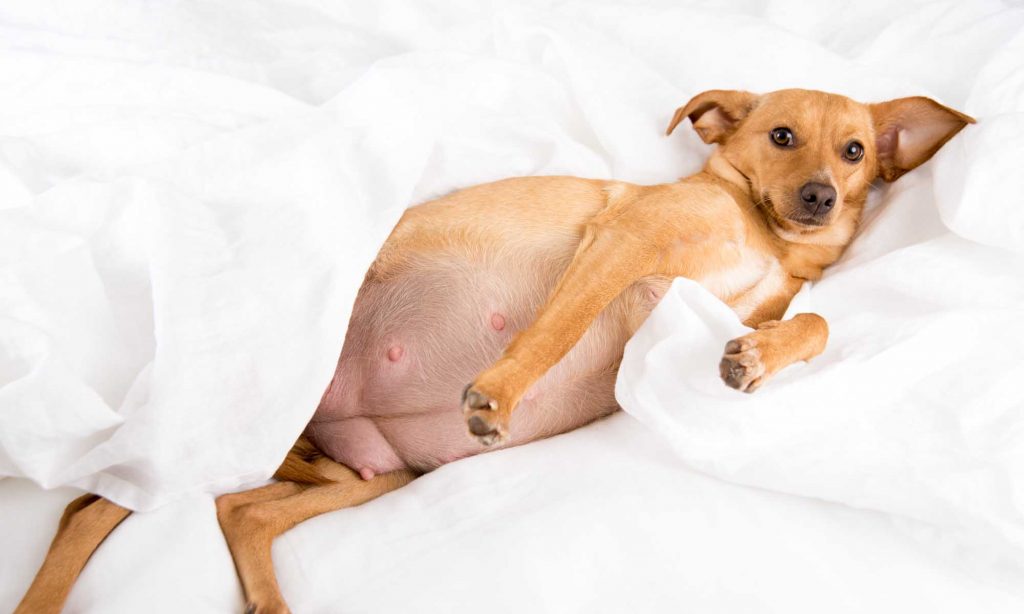
Spaying means the medical procedure for removing your female dog’s ovaries and uterus. If the latter is carrying developing embryos, then both are removed. And that terminates the pregnancy. It also prevents your dog from getting pregnant again. This works best for those who don’t want their female dogs to breed at all.
Comparatively speaking, spaying at the time of pregnancy is a risky procedure. Than spaying the regular way. On top of that, the surgery requires a longer time and is more expensive. Even the recovery time and surgical scar are longer.
The best thing to do is to talk to your vet about the condition. And follow his/her professional advice.

You can choose to terminate the pregnancy without having to spay your female dog. This is done if you have any future breeding plans for your pup. But are just not ready for the litter at present.
Vets perform the abortion procedure during the dog’s second trimester. This is around 30 to 40 days into her pregnancy. The female canine is then hospitalized for about 5 to 7 days. This includes the procedure and after-care.
Doctors inject certain medications that safely terminate the pregnancy. These medications tend to cause vaginal discharge. Something that you might find undesirable to deal with at home. So it’s best to hospitalize your pet for the procedure. That’s yet another reason to not perform the abortion at home on your own.
Vets typically use medications that disrupt the female dog’s prolactin hormone secretion. This is either bromocriptine or cabergoline. The latter causes less vomiting and cramping, no doubt. But it’s significantly costlier than the former.
The vet also injects a uterus contraction-inducing hormone called prostaglandin. This particular drug destroys the dog’s ovarian structure (corpus luteum) directly. Corpus luteum is actually responsible for secreting progesterone. The hormone here greatly contributes to maintaining pregnancy.
Then there’s another pregnancy termination procedure. For this, the medical professional uses a steroid called dexamethasone. But this steroid hormone, in high doses, leads to panting, incontinence, excessive urination, or excessive thirst.
The typical procedure requires 9 to 12 days of the said medication. But no hospitalization is required. Plus, there’s not much vaginal discharge to deal with either. However, there’s no doubt that this particular protocol is less reliable.
The answer depends on how old your little furry companion is. If she is too old or too young, then it can be a risky procedure. What also matters, at such times, is the presence of some preexisting medical condition.
Then comes the breed of parental canines. Has a larger-sized breed impregnated your smaller-sized female dog? If yes, then complications might arise.
Whatever the case, make sure the abortion procedure is performed by an experienced veterinarian. Because without medical and professional supervision, you’re just putting your female dog’s life in danger.
You should refrain from aborting the pregnancy after 45 days of gestation. But other factors count too. Such as the method of the treatment. Along with your dog’s existing physical and medical condition. All the more reason to seek professional veterinary advice on the matter.
Even though 45 days is the limit, it’s crucial to get the pregnancy terminated sooner. Because the longer time you wait, the higher the risks.
So I have discussed everything you need to know about aborting your dog’s pregnancy. Including whether or not it’s safe for you to terminate the pregnancy on your own at home. Once again, it’s highly inadvisable to do that without any professional and medical help. Irrespective of the circumstances!
One of the most important parts of life is having someone with you. As humans, we are built as social creatures, even if many of us do not want to admit. Sure, there are times when we want to be alone and it is normal for anybody here in the UK. Self-professed introverts have been singing praises on the idea that they can do anything on their own. However, there is a part of us that wants to be with another being even if it is not in the perfect conditions.
During this quarantine, a lot of people have felt this way. The isolation can be too much to bear for some people. Some do not mind the inactivity and isolation, as this may have been their life for the longest time. Others thrive in the presence of others, so it can be jarring to have this sudden change over our heads, this is why some people who knew that they were going to be alone looked for ways so that they do not have to.
Enter dogs, the most popular pets in the world. Cats are a close second, but you cannot deny that more people prefer the canines than the kitties. The dogs far outnumber the cats on most social media platforms.
It is said that the internet is full of cat videos, and the netizens will always worship cats. However, it seems that the data is proving this notion otherwise. Take a look at this article and see for yourself that dogs remain more popular.
There has also been a surge of adoption for various pets all over the world. However, the dog still dominates in this regard. Most of them are just for temporary shelter, but who knows what could happen after just a few weeks in isolation? Many would probably fall in love with their pet, and they just choose to adopt it. This is great news, as you are giving the animal and yourself the happiness that you deserve.
However, there are still some things that you need to do as a new pet owner. This is not just like getting something that you want because you need it. In your home, you have accepted another being as your own. This time, you have given yourself the responsibility to take care of him or her as much as possible. Dogs are known to be very needy creatures depending on the breed, so taking care of them properly is important.
This is also why you need to understand that they will get sick at some point. If you have already adopted the animal, then you will be facing a potential visit to the vet. This is not something that you can avoid. Even though you are taking good care of him or her, age will always catch up. Some issues might already have been there from the start. You need to have some sort of backup, but it might be one thing that you may not expect.
You may have already heard of cannabis. It might be something that you have used yourself. As long as it is legal in your area, then you have not done anything wrong. However, do you know that you can also give something similar to your pet? It is usually referred to as CBD oil for dogs and it has already made its rounds all over the internet. People are already talking about it, but what is CBD anyway?

CBD stands for cannabidiol, and it is one of the main compounds found in cannabis. To put it simply, this is the one that induces the feeling of calmness on the person. This is “high” without hallucinations. This side-effect is mainly from THC, another substance which we will tackle later in this article.
There was a time when you cannot separate one from the other. However, due to the advancements in science, it is now possible.
With CBD, you can help your dog in a lot of ways. First off, it does have a similar effect to humans wherein they will also feel more lethargic. They can usually doze off to sleep with just a few drops, but this depends on the animal. Now, this helps your pet in two ways.
One, it assists your pet in stressful situations. You might not even realize it, but your dog might be suffering from anxiety or trauma. This is especially true for those who were adopted in shelters, as they might find difficulty in adjusting with another human. CBD helps but keeping their nerves balanced and helping them adjust in their new world. It can be overwhelming for anyone, so this might help.
Speaking of trauma, these animals are also prone to posttraumatic stress disorder. As you may know, dogs are the only animals in the world that are employed in many areas. From healthcare, protection, disability psychological support, they are smart enough to handle them.
They are not mere pets anymore, so you need to do everything that you can for them especially if they were already diagnosed with it. A simple loud sound can make them react, and CBD can help with that. Click on this link to learn more: https://pets.webmd.com/dogs-emotional-problems.
Two, it can also help as an analgesic. Dogs do feel pain, even if we might think that they don’t because they lack the speech. However, you can see it once it happens and it is heartbreaking every single time. As CBD can help them feel sleepy, they will not feel the pain anymore and it can turn into anesthesia of sorts. However, it does work differently than your regular anesthesia, so you need to be careful.
Before giving your dog any kind of medication, be sure to visit a veterinarian first. They are the ones who can assist you in whatever medical condition your dog might have. CBD oil can be helpful, but this needs to have more research before we can be conclusive with the results. The vets can also help you in the right dosage and proper medication for your beloved pet. It can be difficult on the budget, but it is necessary for their safety.
When we buy something to eat we usually check its date of expiry but while buying it for our pet we take things for granted. It is also necessary to choose fresh food for our dog because expired dog food can cause certain health and strength problems to our lovely companion.
While buying food for the dogs people usually overlook to check its date of expiry. The main reason behind this reluctance can be that it is for a dog not for them. In this situation, it becomes important to know the problems and expired dog food can cause to your furry friend.
The information provided in this write-up will help you to know some facts about the expiry of dog food and the problems caused by it.
While discussing the problems caused by expired dog food the first thing that comes to one’s mind is that can dog food expire. In short, the answer to this question is, yes. Dog food behaves similarly to the food for humans. So it can expire sooner or later because while manufacturing them some certain products for extra care of your dog are added to them.
To increase the effectiveness or date of expiry of the dog food some treatment is given to them. While manufacturing dog food a balanced formula is used to keep its level of nutrition appropriate, still, it can lose its effectiveness or rot with time. The change in the quality of food may not be noticed by you but your dog will notice it instantly. The chances of expiry of dry lamb and rice dog food is very low and similar to a formula food
For this reason, you should be more particular to check the date of expiry while buying food for your dog. You should avoid giving expired food to your dog even if it has expired a few days back. So, it becomes important for you to understand how to check the date of the expiry of dog food and the problems an expired food can cause to your dog.

Instead of displaying the date of expiry most of the dog foods have a ‘best by date’. It helps the stores to sell these foods legally even after their date of expiry which is not a good practice. The actual meaning of best by date in the pack is that after that date the effectiveness of the main nutrients in the food can be affected. Though the food will not rot after the best by date still there can be chances of formation of bacteria or olds in the food which can be harmful to your dog.
So you will have to be careful while giving your dog expired food to eat.
After the best by date, it is not good to give it your dog due to the following reasons.
Food loses its nutritional worth: After the best by date of the dog food, it may lose its nutritional value depending upon the formula used by the company while manufacturing it. Nutrients like vitamins etc. can start losing their effectiveness. It is not worthwhile to give such food to your dog unless you have something to boost its nutritional value as it will not give him the nutrients required to him
Spoil fatty ingredients: Most of the dog foods contain fat as an important ingredient as it helps in increasing the strength and level of energy of your dog. But after the best by date, fat in the dog food starts smelling foul and sour its taste. Though your dog can eat such food easily as they usually cannot recognize the quality of food by smell but it can create a problem for their digestive system.
Growth of molds: The bags used for packaging pet foods are not strong enough to prevent the entry of moisture. This moisture can help in growing certain types of bacteria in the dog food which in turn can help in the formation of mold on it. For this reason, it is advised to store dog food in a dry and cool area.
Contamination: The moisture absorbed by the dog foods packed in kibble bags can cause severe problems due to the growth of bacteria in them. Such food can get contaminated and infected. You should not give contaminated food to your dog.

If you give expired food to your dog then he may look normal but can cause various types of mild to severe health problems after some time. These problems may include:
The problem in the digestive system: He may not be able to digest even the fresh food what to say of the expired one. The problem of indigestion can lead to diarrhea and vomiting which can be cured after a few days. But it can be a serious problem from him if you continued to give him expired food.
The problem of malnutrition: It is the second health problem experienced by your dog fed with expired food. He will start feeling weak because of the lack of nutrition required for him. You will notice the weakness of your dog after eating expired food for a few days when he will need to rest now and then.
The problem of weight loss: Due to malnutrition caused by eating expired food, your dog will start losing weight which can also damage his bones and organs.
The problem of food poisoning: The growth of bacteria in the expired dog food can cause a serious problem of food poisoning to your dog which can cause prolonged sickness or even death of your loved friend.
So, while buying food for your lovely furry friend you should check the date of expiry or best by date on the package carefully. You should not be rude while choosing food for him if you love him. Expired dog food can cause various types of health problems for your dog.
Excellent communication is vital when it comes to making a dog happy. It’s also useful in creating a strong bond that maintains its dog-human relationship with its owner. Dogs also expect love from their owners. With a good knowledge of dog requirement, they entertain and portrays a good sense of friendship.
Human has a better form of communication with dogs, unlike a human who uses the verbal mode of communication, dogs use non-verbal communication through body language. They enhance a dog’s connection with the human.
The body language could be eye and ear position, movement and shape position, facial expression, and tail carriage. Understanding the body language, together with the capacity to correctly know it, will help decode the message a dog is trying to relay.
To be in a better position of understanding your dog, it’s recommended to take dog training courses or online classes. Once you have required necessary skills and knowledge, you can connect with your dog through communication. One can consider some of these ways.
As part of communication development between humans and the dog, a recommendable to have time with the dog involves taking it out, playing, taking long walks with it, or even hanging out with it. It appears to be a training session for the dog, which results in better performance in communication. It also helps in providing ideal signals that are essential in the dog, which leads to efficiency in communication.
The actions that one undertakes when he or she is together with the dog also result in being a pivotal source to train the dog because dogs communicate better through visual signals. There are also other perfect ways of spending time with your dog. Working out together is an ideal way of utilizing a good time and the dog, thus strengthening the bond. Involving the dog on social dates is also a perfect way to understand the dog better. It can be either a picnic walk or even bike riding, which increases the chances of understanding communication with your dog.
Taking a day off and taking to your dog improves communication through visual signs, which are the best mode of communication. Having a dog in one’s errands, exploring together, and taking outside works with the dog also helps in spending time with the dog. Dog parenting that comes with duties like trimming nails, brushings, cleaning ears, baths, cleaning teeth, and snuggling up is also a better way of spending time together.

Series of unique methods are part of dog body language for emotions and intentions communication. It is quite different from human communication. A good number of canine communication involves whines, growls, and barks. It brings in the importance of understanding what a given dog sound means.
Listening to each other is a result of Good communication skills. One will comprehend what the dog wants through its body language. When it comes to body language, it is the only form of communication that expresses what the dog feels or wants. During the conversation, the position of the tails the rate waggling it. The direction of its ears, together with drooling, expresses the way it is feeling and thinking.
Mouth, eyes, sweat, tears, and tail are the most critical factors of a dog’s body in communication.
When it happens to look closely at the dog’s eyes, the focus and intensity are average. The dogs’ eyes appear to be rounder than usual in case the dog has a tense feeling. A dog that is relaxed the eyes are almond-shaped. It will keep its mouth open, and most probably panting with the corners of its mouth turned slightly upward. Rapid panting shows that the dog is tense and mostly retains its mouth closed. It also indicates that the dog is stressed.
Dogs may display a sense of happiness through a gesture where it shows portrays its fore teeth. It has a wagging tail, lowered head, and flattened ears. It is essential to factor in the whole-body posture of a dog to understand whatever it is communicating
Early signs of stress could be lip licking and yawning, especially when tight mouth accompanies it together with a whining sound.
According to research, dogs raise their eyebrows when they greet their masters and look them into the eyes. Dog owners express their love and calmness by looking at their dogs direct into the eyes full of calm and love. It makes the dog feel that it is loved. The study also shows that dogs have less or no facial expressions when they come across a stranger. It is contrary to when their owners raise their eyebrows towards them, making them feel special.

It appears to be the perfect way of showing affection towards the dog. It helps develop excellent communication, is gained through leaning on them, and putting pressure on the dog. It is an ideal way for dogs to hug their masters by pushing themselves towards the body or the legs of their owner.
One way to respond to such a gesture is by embracing the dog back as a mode of expressing the feelings and trust toward the dog. It also makes the dog develop a sense of belonging to the owner’s family.
Giving the dog what he or she wants is another perfect mode of communicating with the dog. However, it would occur after a few exercises together with training. Give the dog hits favorite food or game; this should follow instructions to make the dog understand that you care. Through this schedule, the dog will develop the habit of listening to you through which it will have a greater response rate together with a high level of obedience.
Body language, which is Visual communication is one of the significant methods that dogs interact with their owners. Visual communications involve mouth shape, eye gaze, and sent signals are the major factors that determine the binding bond between the dog and the owner. Canine communication have vocalization as part of, which is a language system of the body.
It’s not surprising really to know that dogs, just like humans, also express their feelings and emotions. But, unlike humans, canines have basic, simpler emotions. And even their way of expressing those emotions to us is more straightforward. In that case, what does it mean when a dog lays on your feet?
Why does my dog sleep on my legs? So many pet owners have raised this question. Does it really mean something? The behavior of your dog around you ALWAYS means something. And as a caring and responsible pet parent, you should know why your pet does what he/she does.
Maybe your little pooch is simply expressing his fondness of you. And/or maybe your dog is trying to seek protection by laying on your feet. So let’s find out all that it could mean…
It’s time to understand your pet a little better. So here’s a deeper insight into why dogs lay on our feet…

It’s highly likely that your little furry friend sees you as the pack leader. He/she trusts you for taking care of them. Dogs have complete faith that you’re going to protect them at all times. Much like how a child feels upon entering a room full of strangers.
As a child, you yourself would lean toward your mother or father. In the same way, your puppy leans toward you to feel safe due to uneasiness or nervousness. As a result of which, they stick to your feet.
Another thing you should know is that the act of sleeping for dogs is extremely vulnerable. That’s because, at the time of sleeping, animals aren’t aware of the surroundings. Therefore, completely defenseless to potential threats.
So it’s only natural for your canine companion to lay on your feet. This way, your dog can feel the warm, protective touch of your skin for comfort during sleeping.
You may also like: Royal Canin dog food for puppies.

What does it mean when a dog lays on your feet? Or why do dogs lay at your feet in bed? The answer to both questions, oftentimes, is their instinctual traits.
Even though your dog hasn’t spent a single day out in the wild. It’s undeniable that he/she is just the domesticated version of wild ancestors. That means it’s in their DNA to display traits similar to wild, pack creatures.
Wild dogs tend to travel in a pack. In such scenarios, the pack leader finds the most suitable place to rest and lay. As for the others, they huddle around the pack leader for warmth and safety. Keeping that in mind, in the domesticated version, you are that pack leader.
So if you’re the alpha in your home, then it’s only natural for your dog to lay on or at your feet.
Why do dogs lay their head on your feet? The reason could be that he/she feels very happy and excited to be with you. And so your pet is sending out a message that you belong to him/her. In simple words, it means they’re in charge.
It’s actually a very passive way for dogs to assert authority or dominance over you. And to display this superiority to your other pets in the house.
So if your canine buddy seems like the dominant kind. Then it’s highly likely that laying on your feet is just another form of showing off or expressing that dominance.
Marking their territory; dogs do that quite often. After all, you are the pack leader and a good one at that. So it’s only instinctual for dogs, at such times, to mark that territory. In order to keep other canines away.
No wonders dogs, out in the open, sit so close to you if not on you or your feet. It’s their very own way to send other four-legged creatures the message that they need to be away from their beloved pack leader.
Dogs, after all, are incredibly loving and loyal animals. So the simple act of laying on your feet is just a way of claiming or marking you as their own. But don’t let this harmless behavior turn harmful. Meaning there are a few dogs that get so attached that they don’t think twice before hurting another dog. Or even a person who comes too close to you.
If this type of dangerous behavior builds up, it’s in your hands to change and improve the situation.

If your loving dog can turn to you for protection. Then they can also feel obliged to protect you as well. You are indeed very important to them. So it’s only natural for canines, who are known for their loyalty, to extend that same protection to you whenever possible. And by laying at or on your feet, your adorable pooch is only placing themselves between you and any potential danger.
Even though there are no real dangers that your dog needs to worry about. Nevertheless, it doesn’t stop them from guarding you. As long as this behavior is non-threatening, you have nothing to worry about.
Dogs have now evolved into a species that displays the same characteristics toward their loving owners as those between a child and parent. Just like children cling to their parents for support, warmth, protection, and comfort. Dogs do much the same with their owners. And for all the same purposes.
But then the simple act of laying on your feet also means that they want to know where you are or have been at all times. It feels comforting for them to know your location. And not only comfort but knowing your whereabouts makes them feel safe as well. Along with extending that sense of protection toward you too.
Generally speaking, the habit is not troubling as long as there’s no aggression involved. It’s completely normal for dogs to express love and affection in a non-threatening way. Be it laying on, at, or next to your feet. And then eventually falling asleep in that position right there.
All you can do, at such times, is reciprocate that love by petting your little pooch. And, of course, by also not getting up or moving your leg.
But if the behavior turns aggressive due to your dog being overly protective of you. Then you better not pet your furry companion when he/she is laying on your feet. Stay away from offering any positive reinforcements at such times. Instead, encourage your pet to lay down in another comfy spot in your home.
If you have a pet, it’s likely you have considered giving them a CBD product and have questions. Is CBD safe for my pets, how can it help my pet, and what kind of CBD should I give them? Keep reading about CBD for pets to get your questions answered.
CBD is a cannabinoid, which are compounds found in the cannabis and hemp plants. Some studies have been done to determine how cannabinoids impact humans. These studies show the potential properties cannabinoids have for managing symptoms of diseases like cancer, but no research exists for dogs and cats. Cannabinoid receptors are found throughout the body and make up the endocannabinoid system, which is an important part of the body that regulates appetite, memory, and physical pain. There are two main types of CBD oil: full and broad-spectrum. Broad-spectrum products will contain no THC, but full-spectrum products might contain trace amounts o.
In 2018, hemp was legalized in all 50 states after the passing of the Farm Bill. Hemp CBD must contain less than 0.03% THC by law, but many states have legalized medical cannabis. Many products contain both THC and CBD, but we are focusing on the hemp-based CBD here. Hemp-based CBD is what’s federally legal and given to dogs and cats. Giving your dogs anything more than the legally allowed THC content can cause serious issues, so it is highly recommended against doing so.
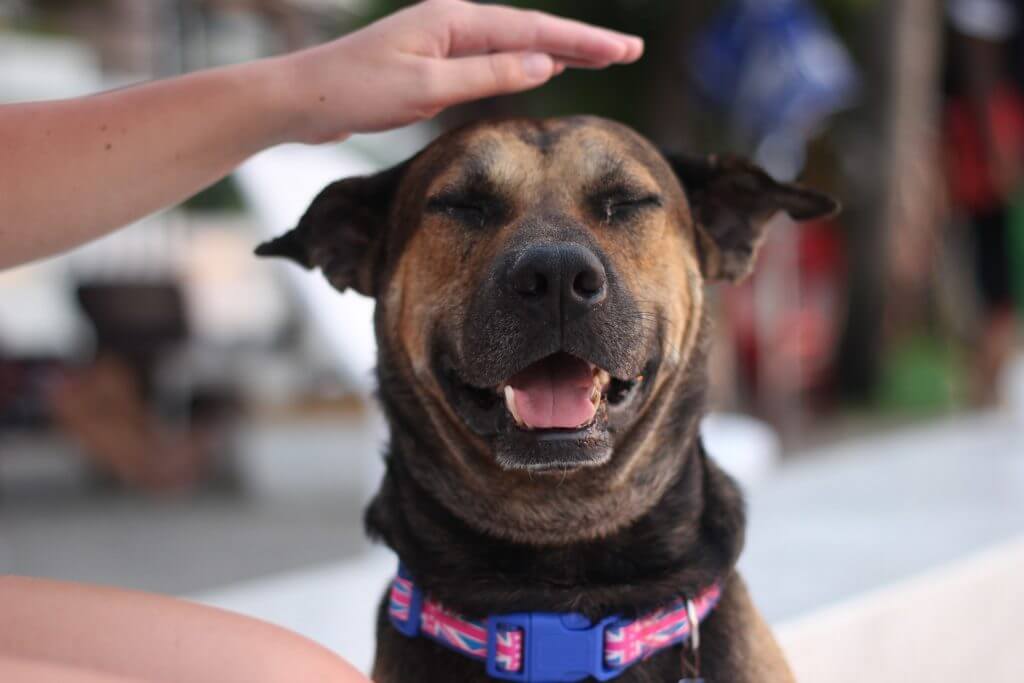
At this time, no research has been conducted to determine whether CBD is a safe and effective treatment for pets. However, it is a topic that is being discussed often. This study indicated that of the over 2,000 veterinarians surveyed, they were asked by over 60% of pet owners if cannabis oils and treats were safe for their furry friends. There is anecdotal evidence from pet owners that say CBD oil has helped their dog or cat, but nothing definitively science-based. There is more attention paid to CBD for dogs than cats, but some cat owners say it helped their pet.
It is recommended that you only give CBD products to your pets that aren’t mammals, such as dogs and cats. Pets like snakes and birds could potentially have an adverse reaction. We know little about what CBD does to cats and dogs but at least we know what it does in humans, and the endocannabinoid system is relatively similar in mammals.
While there is currently no scientific evidence to suggest that CBD is effective for pets, there are owners who say it helped their pets. There is preliminary evidence to suggest that CBD can be effective for pain as well as to possibly stop the growth of cancer. For millions of pet owners who get the bad news of their four-legged friends diagnosed with cancer every year, seeing CBD be helpful can bring about great relief. Some people think CBD can help a dog who has separation anxiety and help them remain calm when their owners are away.
While there are many potential benefits of giving your pet CBD, it is not without its possible dangers. CBD can make your dog or cat feel lethargic and lack energy. This is because CBD can help with anxiety. However, this might make your pet feel drowsy.
Additionally, vomiting, drooling and dry mouth can occur in pets who are given CBD. These negative reactions to CBD for pets is usually due to overdosing. This is one of the main reasons why you must always be sure to follow the labels correctly when giving your dog CBD and be sure to discuss it with your vet.

There are some great CBD products available for your dogs and cats. Trying each one out will be like seeing what kind of food or treats they like. Just like people, all pets are different. You can choose from CBD oil, hemp extract drops, or delicious treats that contain CBD. Many quality CBD products for pets also contain other nutrients and antioxidants that can be beneficial to your pets. However, use caution when purchasing anything CBD for your pet other than oil. With CBD oil, you have exact dosages and know precisely what you are administering. With treats containing CBD, this isn’t always the case.
Before purchasing any kind of CBD, always check the quality and purity of the manufacturer. Opt for CBD from organically grown hemp that is sourced from reputable farms. CBD products vary in price but always remember that you get what you pay for. Cheap hemp CBD could have toxic ingredients or pesticides that can be harmful to your cat or dog. Because of the growth in CBD’s popularity in recent years, some bad actors have taken advantage of this and sold CBD with heavy metals and other low-quality ingredients. Always be sure you are buying CBD products from a manufacturer that publishes its analysis publicly and frequently.
Be sure to only ever give your pet CBD products that are specifically designed for pets. A popular product on the CBD market currently is CBD gummies. And while they are delicious for many humans, a dog or a cat could have their digestive system negatively impacted by these products that can be loaded with sugar and syrups.
CBD oil could have some potential for helping pets, but more research is necessary.
Always be sure to do your due diligence before giving your pet any kind of CBD product, and talk it over with your vet first. We are still learning about CBD and how it impacts both humans and animals, and CBD oil could cause a negative interaction with the medication your pet takes or an ingredient in their food.
FDA Disclaimer: These statements have not been evaluated by the Food & Drug Administration. The above-mentioned products are not intended to treat, cure, or prevent any disease or medical conditions.
Warning: Must be 21 and over to purchase or use CBD products. These products should not be used by nursing mothers or during pregnancy.
You may have heard about many of the benefits of raw feeding and have decided to make the switch with your dog and take advantage of them. If you have done plenty of research and have decided to feed your dog raw, you may be wondering how to do it safely and in a way that your pooch is going to enjoy. After all, you don’t want to make any drastic changes to their routine or do something that ends up doing more harm than good to their health and wellbeing. Thankfully, there are plenty of transition options available and it’s easier than you think to find a route that will work for your lifestyle, schedule, needs and, most importantly, your dog.
You know that a raw food diet will have many benefits for your dog, but how do you switch them off kibble with minimal hassle? The key here is to understand that raw food does not have a ‘one size fits all’ approach to it. There are several options you may find work better for your dog than others.
In some cases, it’s easier and less stressful to simply make a clean switch over from kibble to raw feeding. If you decide to go down this route, you are best giving your dog their normal kibble or wet food for their evening meal and then starting on a raw food diet the next morning.
For most dogs, this approach works well, and it’s quick and easy for you too. You can find more information on making the switch to raw feeding dogs at Bella & Duke. Bella & Duke are a trusted provider of raw dog foods, and they sell pre-prepared, pre-packaged raw meals that you can buy in bulk and freeze, and are designed to make sure that your dog is getting everything that they need.
Simply switching over is the simplest and easiest way of doing things. However, it’s important to ensure that your dog is suited for a quick change of diet. If not, they could end up suffering from issues like digestive distress or diarrhoea. It is best suited to young dogs and puppies, and you should only use this approach if you are confident that your dog can handle it. If you are not sure, then it might be a wise idea to find a good vet who supports raw feeding and take your dog for a check-up before you make the switch to ensure that they are likely to be OK with it. The good news is that most dogs will be fine.
Your other option is to make a gradual switch to feeding raw dog food. For the majority of dogs who need this slower transition, it will typically take around 1-2 weeks. However, this can vary depending on your dog, so don’t be alarmed if it takes you anything up to a few months to completely switch your dog over to raw feeding. Some dogs have very sensitive GI tracts, and changing from one food to another can cause stomach upset, so go as slowly as your dog needs you to.
It’s also important to bear in mind that your dog may have been eating grain-based, carb-filled foods for quite a long time. Not only can these types of typical dog foods be harder to digest, but they are very different to raw food. Dogs on processed diets tend to have a higher risk of a weakened immune system, poor gut bacteria, and suppressed digestive enzymes – so it’s no surprise that it might take them a little extra time to get used to eating raw. If you lived on a diet of McDonald’s and suddenly started eating fresh vegetables for every meal, your body would probably need a little time to adjust too.

The ‘treat first’ transition gives you the option to switch your dog over to a raw diet quickly, but without suddenly replacing their regular diet with it. To use this transition for your dog, begin by introducing the new raw food as a treat while continuing to feed them their regular diet. Keep your eye on their behaviour and the condition of their poop. Over the next few days, increase the number of raw food treats that you give while continuing to monitor your dog. Do this for as long as you feel necessary, and if their poop remains normal, stop feeding the old food and switch to raw food permanently.
This ‘treat first’ approach is a very simple method of switching to raw food and is also ideal for anyone who is concerned about their dog suffering from stomach upset due to a change in diet. However, since you will be changing over from giving raw food treats to full meals eventually, the potential for stomach upset and digestive problems are still there. This approach is best suited for young, healthy dogs and puppies.
This combined transition phase means that you will offer your dog both types of food at the same time. Start off with just a small amount of raw food, and each day offer less kibble and more raw food until your dog is eating fully raw meals. The best part of transitioning your dog this way is that you can adjust the ratios based on your individual dog and what they need. For example, you might want to start by feeling just 1/8th of the new food on the first day along with 7/8ths of the old food and continue increasing it in small increments as the week goes on. The more sensitive your dog is, the less of the new food you should introduce at a time.
This way of transitioning to feeding your dog raw is ideal because it helps to reduce stomach upset by getting your dog used to their new food gradually. It is also a good choice for dogs that refuse to eat raw food if you try to switch them over in one go since the food is being mixed into the kibble that they are already familiar with. However, it’s worth considering that this method can take some extra time to achieve since it will require measuring out and mixing the food at each mealtime. It is suitable for all dogs but particularly useful for older dogs or dogs with sensitive digestive systems.

If you don’t want to combine kibble and raw foods in the same dish, another option would be to feed your dog the two foods at the same time, but in separate meals. Use the same breakdown as you would in the above method but give them to your dog at different times of the day rather than in the same bowl at the same mealtime.
This option is ideal for anybody who wants to reduce the chance of stomach upset in their dog but is worried about the prospect of feeding raw and kibble together. Again, it can take more time due to the need to measure and prepare the food.
Which of these methods do you think will be most suitable for switching your dog to raw food?
Your dog is having some trouble getting off the couch, right? If they’re anything like me, they might just be waiting for inspiration to strike before they start exercising again. Unfortunately, if they’re also like me, that inspiration may never come. Luckily, your dog has you.
If your dog doesn’t seem interested in going for walks or playing with their favorite toy like they used to – I found some helpful ways to get them back on all fours.
A very common cause for low energy and inactivity in dogs can be caused by a poor diet. If the dog is eating too much, eating too little, or not eating the right food – you might see them become lethargic and extra sleepy.
Here are two ways to help with that:
Your dog could be wound up from being inside! To stimulate their nose and get them exhausted, take your dog to a new park every once in a while. If you haven’t tried yet, see if your companion loves the water or wants to go to a dog park. New dogs and new environments help your dog learn and be more comfortable with their surroundings no matter where they are.
Traveling with your dog is another excellent way to get your dog active. Whether it be roaming the streets of a new city or hiking a long trail in the mountains, taking your dog with you on a trip will be sure to get them all tired out by the end of the day. Just don’t leave them cooped up!

Research and studies have proven time and again that dogs have a tendency to mimic the personality and behavior of their owners. This means, that if you’re someone, like me, who prefers the couch over a run after a long day’s work – your dog might start to prefer that as well. Unfortunately, that lifestyle isn’t healthy for your dog.
Remember that inspiration I told you about? No one says your relationship with your dog has to be a one-way street. If you’re waiting for a sign from the universe that it’s time to start exercising again, look no further than your four-legged friend. However, we all know that’s easier said than done, so here are some helpful tips to get you started:
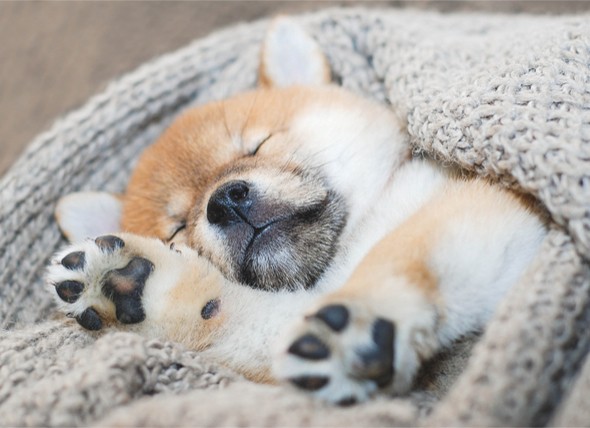
What if my dog doesn’t like to play with their toys?
If your dog is showing a disinterest in playing, it might not always be about energy-level. Often times, I’ve found that a dog doesn’t play with their toys because they don’t like their toys (Yes! You read that right!)
Believe it or not, dogs, just like humans, have a range of preferences when it comes to a lot of things – especially their toys.
For example, my bichon-poodle mix, Ted, loves to play fetch! More specifically though, he only loves to play fetch with tennis balls. One day, I purchased a rubber ball for him that had a hole in the center for peanut butter, and small sections on the sides to hold treats. I thought it he would go crazy for it!
However, when I introduced the toy to him, I learned something very important about my dog: some toys are uncomfortable for him to hold in his mouth. He tried to play with it, but once he picked up the toy, he immediately spit it out and wanted nothing to do with it.
This isn’t uncommon behavior in dogs, and it could be something your dog is experiencing as well. A fun way to figure out what toys your dog likes is to bring them with you to the pet store. Let them sniff around at the different toys in the aisle and see what they like. Whether it’s their excited tail or them physically interacting with the toy – they’ll let you know when they find one they truly love!
All of these tips can help you and your dog get off that couch and start getting active. Just remember to use the right food, get into the right habits and your dog will be moving and grooving in no time at all.
It can be quite stressful for you if your cat refuses to drink water. Extreme dehydration can lead to severe medical issues. But before it gets to that, there are a few steps you can take to hydrate your cat.
Having said that, you can’t force your cat to drink water. You can go as far as leading your cat to clean water. But the rest is up to your cat. So how to go about this?
This article lets you in on everything you need to know about hydrating your cat. What you can do to get her to drink more water. And understand the reason why your cat is refusing to drink water.
Most times, this is a sign of an illness that needs to be addressed right away. I hope this article helps you get to the root of the cause.

There can be many reasons for this. Behavioral issues, hyperthyroidism, diabetes, or kidney issues. If it’s not as severe as all that, your cat may have digestion difficulties.
Allow me to make things simpler for you.
Behavioral issues: Do you have guests at home? It may be that you’ve moved into a new place and your cat is taking her time to adjust. Re-locating can get in the way of your cat’s daily routine. This includes eating, drinking, and peeing.
If that’s the case, make sure you keep a water bowl at every corner of your new home.
Your cat may also be reacting to new cat food which for a feline is a significant change. Lots of such changes can lead to your cat refusing to drink water. It’s not a matter of a health issue.
Health issues: Diabetes, hyperthyroidism, kidney issues, constipation. All these problems can dissuade your cat from drinking water. Minor issues such as diarrhea, vomiting, nausea and even fever can lead to dehydration.
If that’s the case, consult a veterinarian immediately. Get some blood check-ups done and if necessary, the doctor will keep her on fluids for quick hydration.
In extremely severe cases, cancer, pancreatic disease, and parasites can cause dehydration. For any or all of the above, consult with a doctor right away.

If your cat is “acting out” over a new change or new people in the house. There is something you can do to encourage your cat to drink more water. These steps are really simple but require proper attention and care.
If you’re worried about your cat not drinking enough water. You can increase your cat’s water intake with wet food. This is the easiest thing to do for a major reason that cats love wet food.
It’s stinky, sticky, and yummy. Research suggests that a single can of wet food contains at least 70% of water. Compared to this, dry food only contains 10% of water.
This makes up for 50% of your cat’s overall water intake. This can be beneficial for your cat in many ways. It prevents constipation, starvation, and weight gain.
Your cat will think of this as a fun game! Place a few ice cubes in her water bowl. And lure your cat close to the bowl. If your cat is anything like mine, she will get excited by the clink of the ice cubes.
If your cat is still reluctant, pour some tune juice or boiled fish water over the ice cubes. This does wonder. By the smell and look of something fishy, your cat might start licking the ice cubes until they have completely melted or disappeared.
Keeping more bowls and cups around in your house does help. This is extremely effective when you have more than one cat. The smell of another cat can easily discourage or distract your cat from drinking water.
So having more water bowls or saucers or cups around the house is helpful. No matter how many water bowls you keep, make sure each is clean.
Water left out for a long time, especially if it’s a pet bowl, can lead to bacterial buildup. So make sure you scrub the water bowl clean once every few hours. And change the water to make sure no harmful bacteria or germs are floating in the water.
I’m sure you must have seen such funny videos of cats on the internet. Cats love to drink water as if from a fountain. If your faucet has clean, drinking water, why don’t you make this a fun game?
Start the tap on the slowest flow setting. And encourage your cat to drink directly from the running tap. This might take your cat some time to get used to. But that way your cat will end up drinking water every morning and evening.
Cats love cold water so make sure you do this a few times a day. But in small quantities!
Overfeeding can cause dehydration especially when your cat is full. As humans, you understand the essential benefits of drinking water. But for cats, this is different. If you feed your cat in small amounts, this should encourage her to drink water after every meal.
Make sure you feed your cat fresh food. Check the product’s manufacture and expiration details before opening the package. Do not feed your cat food that’s been sitting out for too long.
A fresh diet will relieve digestion issues including dehydration, diarrhea, and vomiting. Your cat may become thirstier after eating small servings of food.
Ultimately, your cat shouldn’t go without drinking water even for a day. Severe cases of dehydration can cause organ damage and even death. Meanwhile, minor cases of dehydration in cats can lead to kidney issues, skin problems, and weakness.
These tips should help you hydrate your cat who’s refusing to drink water. If your cat still refuses to drink water after a day’s effort, it’s necessary you take her to a vet right away.
This just means there’s an underlying cause for this. A cat’s food and water intake usually go hand-to-hand. Making sure your cat’s nutritional needs are met is your number one priority as a pet owner.
So don’t panic if your cat is not drinking water regardless of your efforts. These tips are 100% safe and effective at getting your cat to drink water every day.
You can try these tips even after your cat starts to drink water. It’s a fantastic way to bond with your cat! And to make her feel safe and happy at home.
Urinating outside the litter box is a common problem in cats, it is estimated in research that up to 10% of cats face eliminating issues in their lives. If your cat is one of them, then it is a very frustrating situation for you. Although kitties are fastidious animals and keep themselves clean, they may not keep your house clean always.
If your cat stops using the litter box, then be ready for a new mess and confusion element. Your cat may stop using litter boxes for several reasons, and as a cat owner, you have to find out the problem and fix it as soon as possible. There are numerous solutions to this problem; an important one is attracting your cat toward her litter box.
Cats can refuse to use the litter box due to several reasons:
If your kitten is not doing his business in the litter box, then it means that he doesn’t know about using the litter box and needs practice. So, train your kitten to use the litter box properly.
Cats love cleanliness, and they never do their business in the litter box that is dirty and smelling bad. If you do not clean your kitty’s litter box daily, she will prefer to eliminate under the bed or couch instead of a litter box.
An incorrect pick of litter also prevents the cat from using the litter box. If you do not prefer your kitty’s choice about the litter, then be ready to see poop and cat urine at any corner of your house.
Cats want privacy to do their business; they often stop using a litter box that is placed in a location with a lot of activity.
Sometimes cats eliminate outside the litter box due to some health issues. It is common in cats that have urinary tract issues. Consult with your vet as soon as possible when you notice any health problem in your cat.

Cats bury their poop and urine due to their instinct; therefore, they often love utilizing the litter box. It is suitable for you as well as your family. If your cat refuses to use a litter box, then it is a worrisome situation for you. Although you love your cat so much, you will never want to see the cat’s poop on your kitchen floor or your favorite couch.
It is very disgusting to clean the mess created by your kitty. If you do not want interaction with the cat’s feces and smell, you must take steps to make your feline friend’s litter box attractive. It is mandatory to keep your house clean as well as safe from bad odors.
Cats are shy animals and do not like to do their business in front of anyone. If you have placed her litter box in a noisy area, then be ready to clean the cat’s poop from a cabin or under the bed or sofa. Therefore, to keep you and your feline baby happy, place the litter box in a quiet area where there is less traffic, and your cat can easily access it.
Cats want a comfortable and roomy place for their business; if you have a hooded or top entry litter box, then your cat may dislike it and prefer to eliminate it on the floor instead of the litter box. The hooded litter box cannot provide enough space for larger cats, while a top entry litter box is difficult to access for smaller cats. Therefore, choose the right litter box. It would help if you bought an open litter box for your pet. Self-sifting litter boxes are the best option for this purpose. They are easy for cats to get in and provide enough space for doing their business comfortably.
Cats have a strong smelling sense, and often they refuse to use the litter box because you have poured scented litter in their box. Most of the cats dislike the scent of litter, therefore, use scent-free clumping litter. Cats love this litter as it does not stick with their paws. There are varieties of litters available on pet stores; you can choose any of them according to your pet’s preference.

Your cat will never use a dirty litter box, therefore; scoop the litter at least once in a day. Spatter some baking soda in the base of the box before pouring litter. It will absorb the bad odors of the litter box and keep you and your feline friend happy.
If your cat still resists using the litter box, then place the cat attract litter. Add it with the clumping litter box; it contains all the ingredients specially designed to attract your cat to use it. You can also sprinkle cat litter additive on the cat’s regular litter to make it more appealing.
Provide your kitty for more than one litter box. If you have multiple cats, then provide a separate litter box to each cat as cats dislike to share their litter box with any other pet.
If you have a double-story home, place a litter box on each level to ease your cat.